How Nutrition Affects the Behavior and Mental Health of Pets

Understanding the Link Between Nutrition and Pet Mental Health
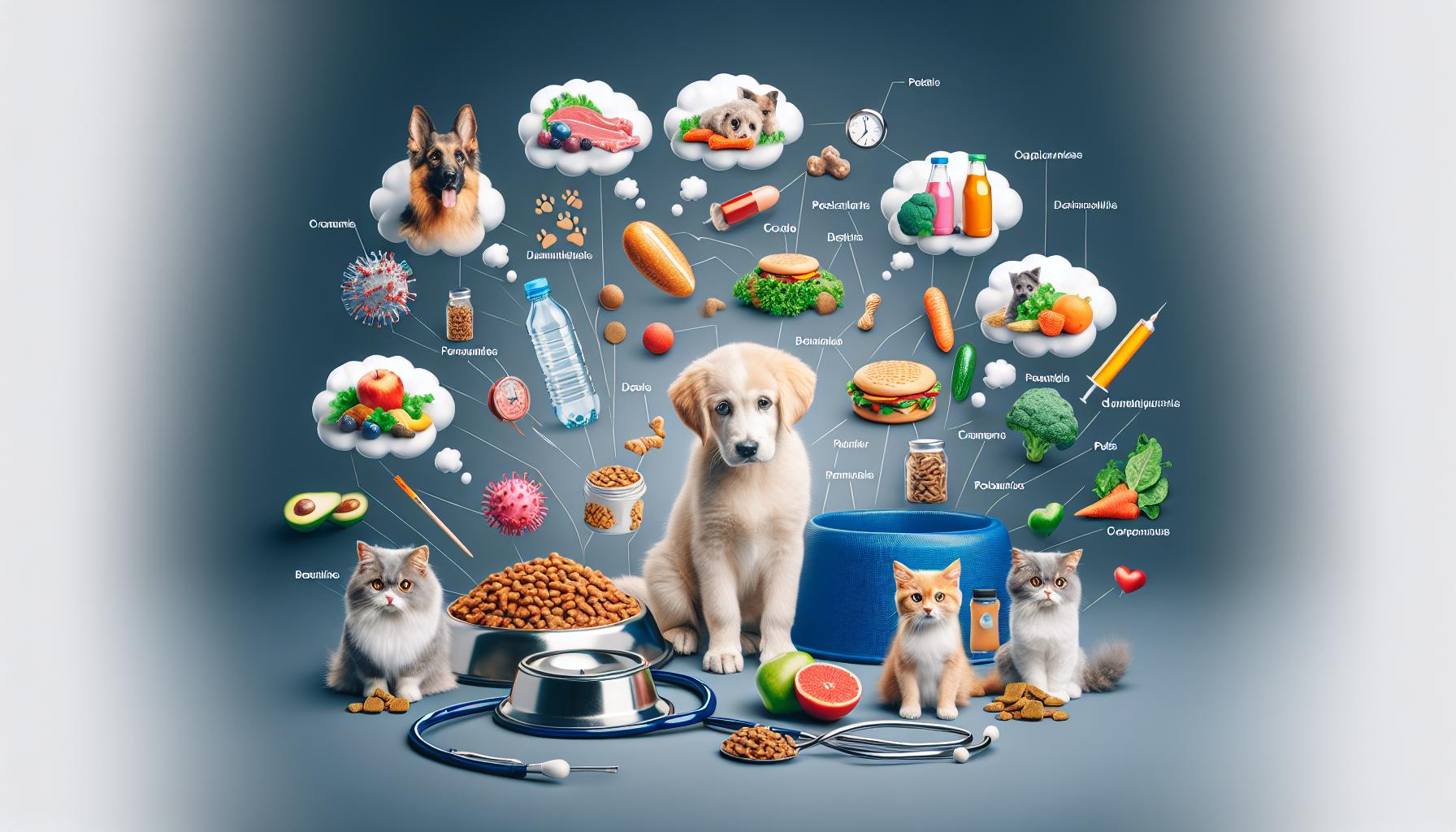
The awareness of the connection between nutrition and mental health in pets is evolving, leading to changes in how pet owners approach feeding. In the United States, a growing number of pet parents are recognizing that the right diet plays a pivotal role in maintaining not just the physical health but also the behavior and emotional well-being of their furry companions. This shift in perspective is crucial, as many common behavioral problems in pets can be alleviated or exacerbated by dietary choices.
Recent studies have unveiled intriguing facts about the effects of pet nutrition. For instance, over 60% of dogs and cats in the U.S. are classified as overweight or obese—a troubling statistic that has been linked to various behavioral issues, including anxiety and aggression. This trend raises an important question: how does excess weight influence a pet’s behavior? Generally, overweight pets may experience discomfort, lethargy, and difficulty moving, which can lead to frustration and irritability. Similarly, pets in pain often exhibit behaviors such as snapping or hiding, further complicating their interactions with both humans and other animals.
Moreover, the specific nutrients found in pet foods can have profound effects on cognitive function and emotional stability. For example, omega-3 fatty acids, commonly found in fish oil, have shown promise in reducing anxiety-related behaviors. These essential fats are believed to support brain health, and studies suggest that they can lead to decreased levels of aggression and improved social behavior in pets.
Another significant player in the nutrition-mental health connection is probiotics. Research indicates that the gut-brain axis—the biochemical signaling between the gastrointestinal tract and the central nervous system—can be influenced by gut health. Probiotics are beneficial bacteria that promote a healthy gut microbiome, which in turn can lead to positive behavioral outcomes in pets. For example, dogs fed a diet rich in probiotics have been observed to exhibit lower levels of anxiety during stressful events, such as thunderstorms or separation from their owners.
Furthermore, carbohydrates included in a pet’s diet also play a role in mood regulation. Complex carbohydrates, like brown rice and sweet potatoes, can stabilize blood sugar levels and enhance energy, promoting a balanced mood. Pets that experience fluctuations in energy due to poor dietary choices may display hyperactivity or lethargy, which can affect their overall behavior.
Understanding the intricate relationship between nutrition and mental health empowers pet owners to make informed decisions that benefit their beloved companions. By ensuring a well-balanced diet that includes vital nutrients such as omega-3 fatty acids, probiotics, and complex carbohydrates, owners can not only enhance their pet’s physical health but also potentially reduce behavioral issues and improve their emotional well-being. This holistic approach to pet care can lead to a happier, healthier life for our furry friends.
DISCOVER MORE: Click here to learn about the benefits and challenges of natural feeding in pet diets
The Impact of Diet on Pet Behavior
Nutrition plays a crucial role not just in the physical health of pets, but also in their behavior and mental well-being. A growing body of research highlights how specific dietary choices can impact a pet’s demeanor, emotional state, and overall behavior. For instance, pets that are fed a diet lacking essential nutrients may exhibit signs of irritability, anxiety, and aggression. Understanding these connections can empower pet owners to create a more balanced and healthful diet for their furry companions.
One key area of concern is the relationship between high-calorie diets and behavioral issues. The prevalence of obesity in pets is alarming—over 60% of dogs and cats are considered overweight according to the Association for Pet Obesity Prevention. Excess weight can not only lead to physical health problems but can also manifest as negative behavioral changes. Obese pets may experience discomfort due to the stress on their joints and organs, resulting in behaviors such as lethargy or increased aggression, especially if they feel threatened or provoked.
Nutrition also affects brain health, which is vital for stable emotions and behavior. For instance, certain vitamins and minerals play a role in cognitive function. Pets lacking in essential nutrients may struggle with focus or exhibit signs of anxiety. A well-rounded diet that includes antioxidants from fruits and vegetables can combat oxidative stress in the brain, aiding memory and other cognitive processes. Below are some critical nutrients to consider:
- Omega-3 Fatty Acids: Essential for brain health, these fatty acids can enhance mood and reduce anxiety.
- Vitamins B and E: Important for maintaining cognitive function and regulating energy levels.
- Amino Acids: Building blocks of proteins that help produce neurotransmitters, influencing mood and behavior.
- Probiotics: Support gut health, which is connected to emotional well-being through the gut-brain axis.
Furthermore, the types of carbohydrates included in a pet’s diet can influence energy levels and, consequently, behavior. Complex carbohydrates such as brown rice and oats help stabilize blood sugar, which contributes to more consistent energy levels. Pets that consume diets high in simple sugars may experience spikes and crashes in energy, leading to hyperactivity or sudden bouts of lethargy. This unstable energy can severely impact behavior, causing stressed pets to misbehave or act out.
Ultimately, understanding the link between nutrition and behavior enables pet owners to take a proactive approach to their pets’ mental health. With a diet tailored to their specific needs, pets can lead happier and more balanced lives, reducing the risk of behavioral problems. As more pet owners become aware of these connections, the shift toward comprehensive nutritional awareness for pets may lead to a significant improvement in their emotional and behavioral well-being.
| Nutritional Factors | Behavioral Impacts |
|---|---|
| Omega-3 Fatty Acids | Enhance cognitive function and reduce anxiety in pets. |
| Protein Quality | High-quality proteins can improve mood and overall energy levels. |
When exploring how nutrition shapes our pets’ mental health, we find that Omega-3 fatty acids play a vital role. These essential fats are known for their anti-inflammatory properties and can significantly enhance cognitive function. Pets benefitting from these nutrients often show reduced levels of anxiety, leading to a calmer demeanor and improved overall well-being.Equally important is the quality of protein in a pet’s diet. High-quality proteins contribute not only to physical strength but also influence the mood of our furry companions. A balanced diet rich in amino acids supports neurotransmitter function, ultimately uplifting energy levels and stabilizing emotions. If pets receive proteins from inferior sources, it may lead to irritability or lethargy, adversely affecting their mental health. Understanding these connections between diet and behavior can empower pet owners to make more informed decisions about their pets’ nutrition.
DIVE DEEPER: Click here for vital health insights on exotic pets
The Role of Nutrition in Preventing Behavioral Problems
Beyond influencing day-to-day behavior, the right nutrition can play a pivotal role in preventing more severe behavioral problems in pets. Just as poor diet can lead to irritability and anxiety, providing a nutritionally adequate diet can help mitigate these issues and promote a sense of calm and stability. By investing time in understanding what goes into pet food, owners can make informed decisions that benefit their companions not only physically but also emotionally.
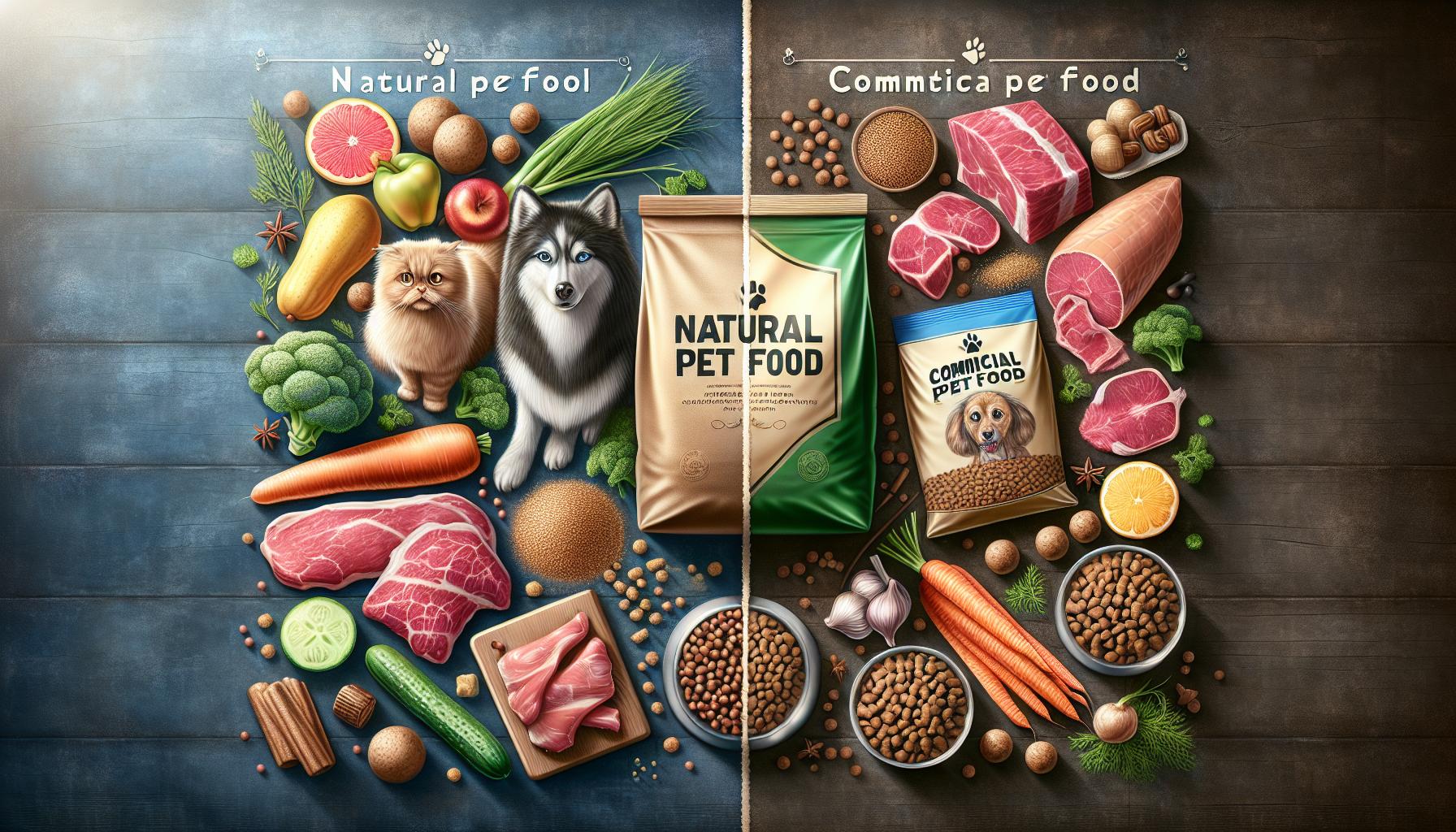
In recent years, studies have drawn alarming connections between processed foods and behavioral concerns in pets. Diets that are high in artificial additives, preservatives, and excessive sugars can lead to hyperactivity and agitation. For instance, a study published in the Journal of Veterinary Behavior noted that animals consuming ultra-processed diets were more likely to demonstrate signs of behavioral issues compared to those on whole, less processed food. Therefore, opting for pet food with minimal processing and natural ingredients can provide a calmer, more stable pet.
Another critical aspect of nutrition is its influence on neurotransmitter function. Neurotransmitters such as serotonin and dopamine play essential roles in regulating mood. Amino acids from protein sources—like turkey or fish—are crucial for producing these neurotransmitters. A diet lacking in adequate protein can lead to insufficient production of these chemicals, resulting in mood swings and behavioral issues—much akin to the way humans may feel sluggish or irritable on an inadequate diet. Ensuring pets have a protein-rich diet is vital in promoting a balanced emotional state and preventing potential disturbances.
Adding to the complexity is the role of breed and individual differences. Different dog and cat breeds have varying nutritional needs, and this individuality must be considered when curating their diets. For example, working breeds such as Border Collies may require higher protein and fat content due to their higher levels of energy and activity. Conversely, a senior cat may thrive better on a diet lower in calories to manage weight while ensuring adequate protein for muscle maintenance. Understanding these unique needs can prevent behavioral problems rooted in improper nutritional support.
The importance of microbiome health in relation to behavior cannot be overstated. Recent studies indicate that the gut microbiome can significantly influence animals’ emotional states. A balanced diet containing probiotics can promote a healthy gut, leading to positive behavioral outcomes by supporting a balanced gut-brain connection. For instance, pets with an unhealthy microbiome are more likely to be anxious and exhibit stress-related behaviors. Probiotics, such as those found in certain yogurts or formulated pet foods, can enhance gut health and consequently improve mood and behavior.
Pet owners should also note the impact of hydration. Dehydration can cause lethargy, confusion, and irritability in pets. It’s imperative for pet parents to ensure their companions have consistent access to fresh water, as even mild dehydration can negatively affect a pet’s mental state. Additionally, incorporating water-rich foods, such as fruits and vegetables into their diet, can bolster hydration levels while providing essential nutrients. This combination can help foster a more contented emotional state in pets.
In summary, research supports that nutrition profoundly impacts the behavior and mental health of pets. The more pet owners value and understand the relationship between what their pets eat and how they behave, the better equipped they will be to foster happier, healthier, and well-adjusted companions. Taking these factors into account can significantly reduce the risk of behavioral issues, setting both pets and their owners on a path toward joyful living.
DON’T MISS: Click here to learn how to choose the right vet for your furry friend</
Conclusion: The Vital Link Between Nutrition and Pet Well-Being
As we delve into the intricate relationship between nutrition and pet behavior, it becomes increasingly clear that what we feed our furry companions holds significant sway over their mental health. The choice of a well-balanced diet, rich in essential nutrients and devoid of harmful additives, can lead to improved emotional stability, decreased anxiety, and reduction in behavioral issues. This correlation underscores the responsibility of pet owners to prioritize wholesome nutrition as a foundation for their pets’ overall well-being.
Moreover, understanding the unique dietary needs of different breeds, alongside recognizing the role of factors like the microbiome and hydration, enhances our ability to support mental health in diverse companion animals. For example, a high-quality protein source could be pivotal for energetic breeds, while gut health through probiotics may uplift the mood of those who exhibit anxiety. Consequently, making informed dietary choices is not only beneficial but essential for fostering content and balanced pets.
The implications of this knowledge extend beyond mere dietary adjustments; they ripple out to affect the emotional landscape of our homes. A well-nourished pet contributes to a harmonious environment, reducing stress for both animal and owner. As we continue to explore the impact of nutrition on the behavior and mental health of pets, it invites a more profound consideration of our roles as responsible caregivers. By investing in their diet, we invest in their happiness and quality of life. Thus, let us advocate for an approach where nutrition is at the forefront of fostering a joyful coexistence with our beloved pets.