
Health Considerations for Exotic Pet Breeds
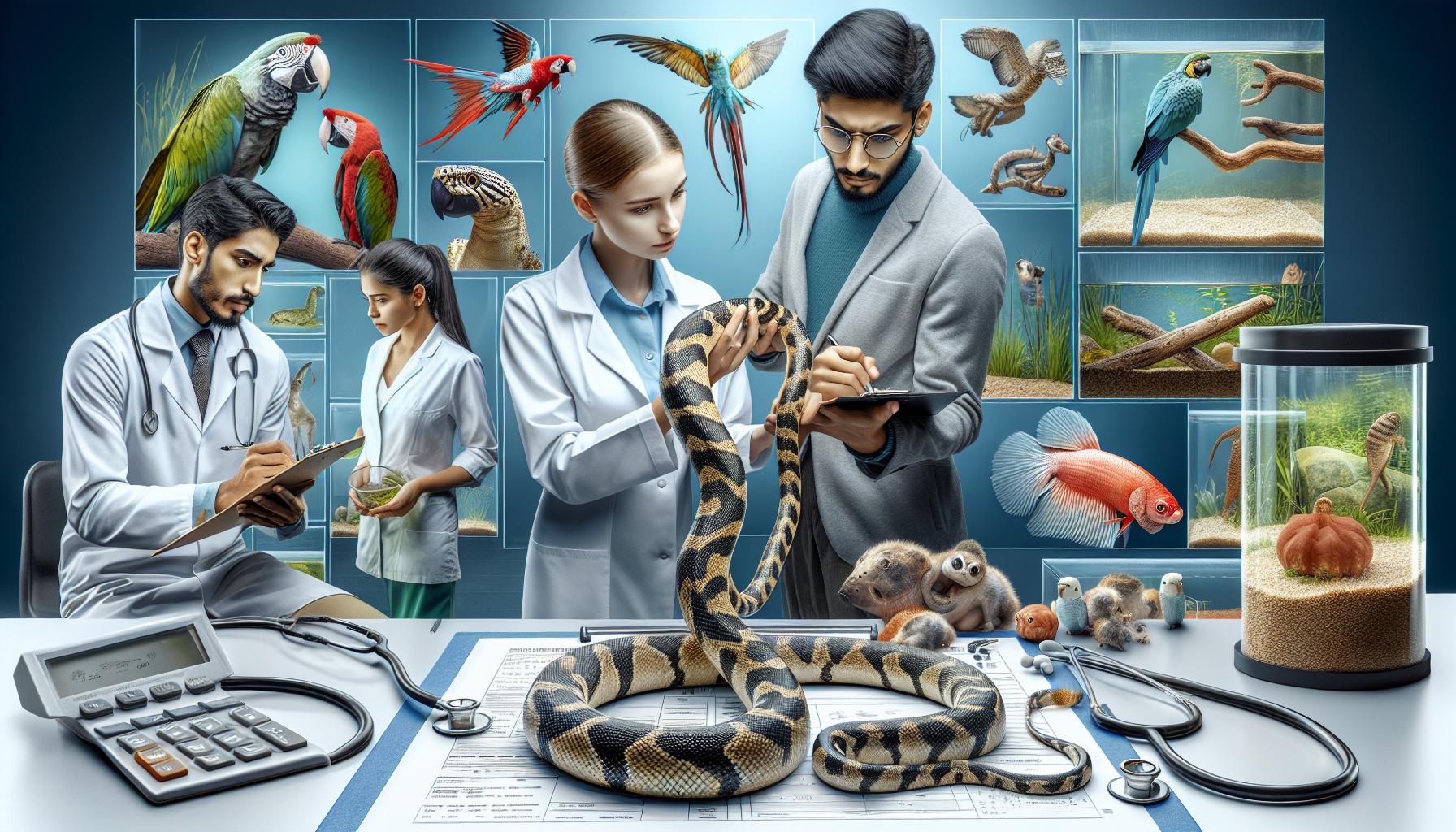
The Health Considerations for Exotic Pets
For many animal lovers, the allure of owning an exotic pet is undeniable. These creatures, which can range from reptiles and birds to small mammals and amphibians, offer a fascinating glimpse into the diversity of the animal kingdom. However, with this excitement comes a set of unique responsibilities. Understanding the specific health needs of exotic pets is essential for their survival and overall happiness.
Dietary Requirements
One of the most crucial aspects of caring for an exotic pet is meeting their dietary requirements. Unlike cats and dogs, which can thrive on commercially available pet food, many exotic species have dietary habits rooted in their natural environments. For instance, iguanas are herbivores that require a high-fiber diet rich in leafy greens and fruits. Conversely, certain species of reptiles may need a diet centered around live insects. Failure to provide the appropriate nutrition can lead to severe health issues, including metabolic bone disease in reptiles or obesity in small mammals. Researching your pet’s specific dietary needs is fundamental.
Habitat Suitability
Exotic pets also require habitats that closely mimic their native environments. Providing a suitable habitat is vital for their well-being. For example, a chameleon needs a well-ventilated enclosure with foliage for climbing and hiding, and the right humidity level to thrive. Similarly, sugar gliders thrive in enclosures that allow them to glide and explore. Owners must consider temperature gradients, humidity, and enrichment factors to ensure that their pets can express natural behaviors.
Regular Veterinary Care
Unlike conventional pets, many exotic animals require regular veterinary care from specialists trained in exotic animal medicine. This is crucial for preventive health measures and early disease detection. Some veterinary clinics in the United States offer specialized services just for exotic pets, ranging from routine check-ups to emergency care. Awareness of your pet’s specific medical needs can save them from serious health crises, making it vital to establish a relationship with a qualified vet from the outset.
Parasite Control
Another important factor is parasite control. Exotic pets can be vulnerable to a wide range of parasites, many of which may not affect common pets like dogs and cats. For instance, reptiles may harbor external parasites like mites or ticks, while some birds can fall prey to internal nematodes. Regular veterinary visits, coupled with preventive treatments, can help mitigate these risks and maintain the overall health of your pet.
As an exotic pet owner, being knowledgeable about these unique health needs is not just beneficial—it’s imperative. Many health complications can stem from a lack of proper care or misconceptions about the species. Therefore, knowledge and preparation play key roles in ensuring your exotic companion thrives.
Overall, delving deeper into the specific health challenges and requirements of various exotic breeds paves the way for a fulfilling and responsible pet ownership experience. From proper nutrition to suitable living conditions and proactive health measures, ensuring the well-being of these fascinating pets requires dedication and a commitment to learning. Take the time to explore the extensive resources available, and you can help your exotic pet lead a long, healthy, and happy life.
DISCOVER MORE: Click here to learn about the vital role of veterinary documentation
Understanding Species-Specific Health Risks
When it comes to the health of exotic pets, it’s crucial to grasp the species-specific health risks associated with various exotic breeds. Each species has evolved with its own set of vulnerabilities, and understanding these can significantly enhance your pet’s quality of life. For instance, certain reptiles like tortoises are prone to respiratory problems due to improper humidity and temperature levels. On the other hand, birds such as African Greys are known to suffer from conditions like feather plucking or beak deformities, largely influenced by environmental stressors or diet deficiencies.
Here are some common health considerations to keep in mind for popular exotic pet breeds:
- Reptiles: These animals can suffer from metabolic disorders due to inadequate lighting and nutrition. For instance, without sufficient UVB light exposure, many reptiles can develop metabolic bone disease, which compromises their skeletal structure.
- Birds: Vitamin deficiencies, especially Vitamin A and D, are common and can lead to serious health issues. Ensuring a varied diet that includes fresh fruits, vegetables, and specialized pellets is vital for their well-being.
- Small Mammals: Animals such as ferrets and rabbits are susceptible to dental problems and obesity if not provided with an appropriate diet high in fiber and regular access to exercise.
- Amphibians: Amphibians are especially sensitive to environmental pollutants and changes in their habitat. Regular water quality checks and appropriate humidity levels are essential for their survival.
The Importance of Socialization
Another often-overlooked aspect of exotic pet health is socialization. Many exotic species, such as parrots and certain mammals, thrive on social interaction, not just with their human caregivers but also with others of their kind. Social deprivation can lead to stress, anxiety, and behavioral issues, further complicating their health. For example, some birds may develop severe psychological issues if left alone for too long, while sugar gliders require interaction with their own species to avoid mental health problems.
Caring for an exotic pet means recognizing not just their physical health needs but also their emotional and psychological well-being. This encompasses ensuring that their environment is stimulating and that they receive regular interaction and companionship, either from their owners or other compatible pets.
To summarize, an understanding of the health considerations for exotic pet breeds extends beyond diet and habitat. It’s a holistic approach, factoring in their unique species-specific vulnerabilities and emotional needs. An informed and dedicated owner is crucial in transforming the life of an exotic pet into a flourishing journey filled with health and happiness. Investing time in research and preparation is the first step towards creating a nurturing and thriving environment for your exotic companion.
| Health Risks | Preventative Measures |
|---|---|
| Genetic Predispositions | Regular genetic testing can help identify potential health issues specific to exotic breeds. |
| Nutritional Deficiencies | Consult with a veterinarian specializing in exotic species to ensure a balanced diet. |
| Stress and Environment | Creating a suitable habitat with proper enrichment can mitigate health risks. |
| Common Illnesses | Be informed about prevalent diseases in exotic breeds for early detection and treatment. |
Understanding the specific health risks faced by exotic pet breeds is crucial for responsible ownership. These risks may include genetic predispositions, where certain breeds are more prone to specific health issues. Regular veterinary care, including genetic testing, can provide insights that may prevent future ailments. Additionally, nutritional deficiencies can significantly impact their well-being. It is essential to work alongside a veterinarian who specializes in exotic animals to ensure that dietary requirements are meticulously met.Equally important is recognizing how a pet’s environment influences its health. Providing proper enrichment and environmental stability can help reduce stress-related illnesses. Lastly, being aware of the common illnesses prevalent in particular breeds can help owners act quickly during health emergencies, ultimately prolonging their beloved pet’s life. Exotic pet ownership comes with unique responsibilities, demanding ongoing education and proactive management of these health considerations.
DISCOVER: Click here to learn how social media helps pets find homes
Veterinary Care and Expertise
When adopting an exotic pet, ensuring access to specialized veterinary care is paramount. Unlike cats and dogs, many exotic animals require vets who have advanced knowledge in species-specific health issues. An exotic animal veterinarian possesses the training to diagnose and treat conditions directly related to exotic breeds, including those rarely documented in standard practices. This expertise can mean the difference between life and death for a delicate creature.
Moreover, preventative health care, typically the backbone of managing any pet’s well-being, takes on unique dimensions for exotic animals. Regular check-ups and vaccinations tailored to the species can help prevent diseases that are specific to certain groups. For example, ferrets are susceptible to canine distemper—a disease typically associated with dogs—underscoring the need for specialized vaccinations. Similarly, reptiles often face parasitic infestations, necessitating routine screenings and deworming protocols.
Environmental Enrichment and Space Considerations
A critical yet often underestimated factor in the health of exotic pets is the provision of an appropriate habitat. Each breed has particular environmental needs, such as temperature control, humidity levels, and space for exercise. Environmental enrichment not only engages an exotic pet mentally but can also counteract potential behavioral problems that stem from boredom or restricted movement.
For instance, small mammals like guinea pigs require plenty of room to roam and explore to keep them physically fit and mentally stimulated. Similarly, reptiles need spacious enclosures that mimic their natural habitats, complete with climbing structures, hiding spots, and proper UVB lighting to promote healthy activity and mood stabilization. Birds, on their end, should have cages large enough to accommodate flying and climbing, as well as interactive toys that challenge their intellect.
Dietary Needs and Special Considerations
The dietary requirements of exotic pets can be incredibly nuanced and vary significantly among species. What may be a balanced meal for one breed could potentially harm another. For instance, many reptiles follow a strict carnivorous or herbivorous diet, with specific needs regarding calcium-to-phosphorus ratios. Failure to provide appropriate foods can lead to severe health issues, including organ dysfunction and growth abnormalities.
Moreover, processed foods that are common for pets like dogs and cats can be extraordinarily harmful to exotic animals. Many small mammals, such as rabbits and guinea pigs, thrive on high-fiber diets rich in hay, vegetables, and limited fruits. Additionally, many birds require a balance of pellets, seeds, and fresh produce to meet their unique nutritional needs and support vibrant feather health. A misconception that protein is beneficial for all species has too often led to dietary imbalances and subsequent health problems, making it essential for owners to conduct thorough research.
- Reptiles: Require specific diets based on their species; for example, iguanas are herbivorous, whereas ball pythons must consume a diet of rodents.
- Birds: Need a mix of seeds, pellets, and fresh produce for optimal health; specific birds like cockatiels can become sick from seed-only diets.
- Small Mammals: Should primarily consume hay with limited vegetables and fruits to prevent obesity and dental issues.
- Amphibians: Need live food such as crickets or worms while being sensitive to environmental contaminants that affect their diet.
Dive deeper: Click here for essential tips
Conclusion
In conclusion, the journey of caring for an exotic pet is filled with unique challenges and rewards, requiring a comprehensive understanding of their health considerations. From the necessity of specialized veterinary care to the importance of tailoring dietary needs and providing adequate environmental enrichment, each aspect plays a critical role in ensuring the health and well-being of these extraordinary animals. Potential owners must recognize that exotic pets are not just accessories but living beings that demand dedication and informed care.
Moreover, a commitment to ongoing education cannot be overstated. Owners should engage with resources, communities, and professionals dedicated to exotic pet care, ensuring that they are well-equipped to address the species-specific needs of their companions. Adopting an exotic pet is a significant responsibility, one that should not be taken lightly. By prioritizing the health considerations outlined in this article, pet owners not only enhance their pets’ quality of life but also enrich their own experiences as responsible caregivers.
As the love for exotic animals continues to grow among pet enthusiasts, so too does the need for awareness and understanding of their unique demands. By staying informed and proactive about health management, we can help these remarkable creatures thrive in our homes, turning companionship into a mutual journey of well-being and joy.