The Importance of a Balanced Diet for Pets’ Health

The Significance of a Balanced Diet for Pets
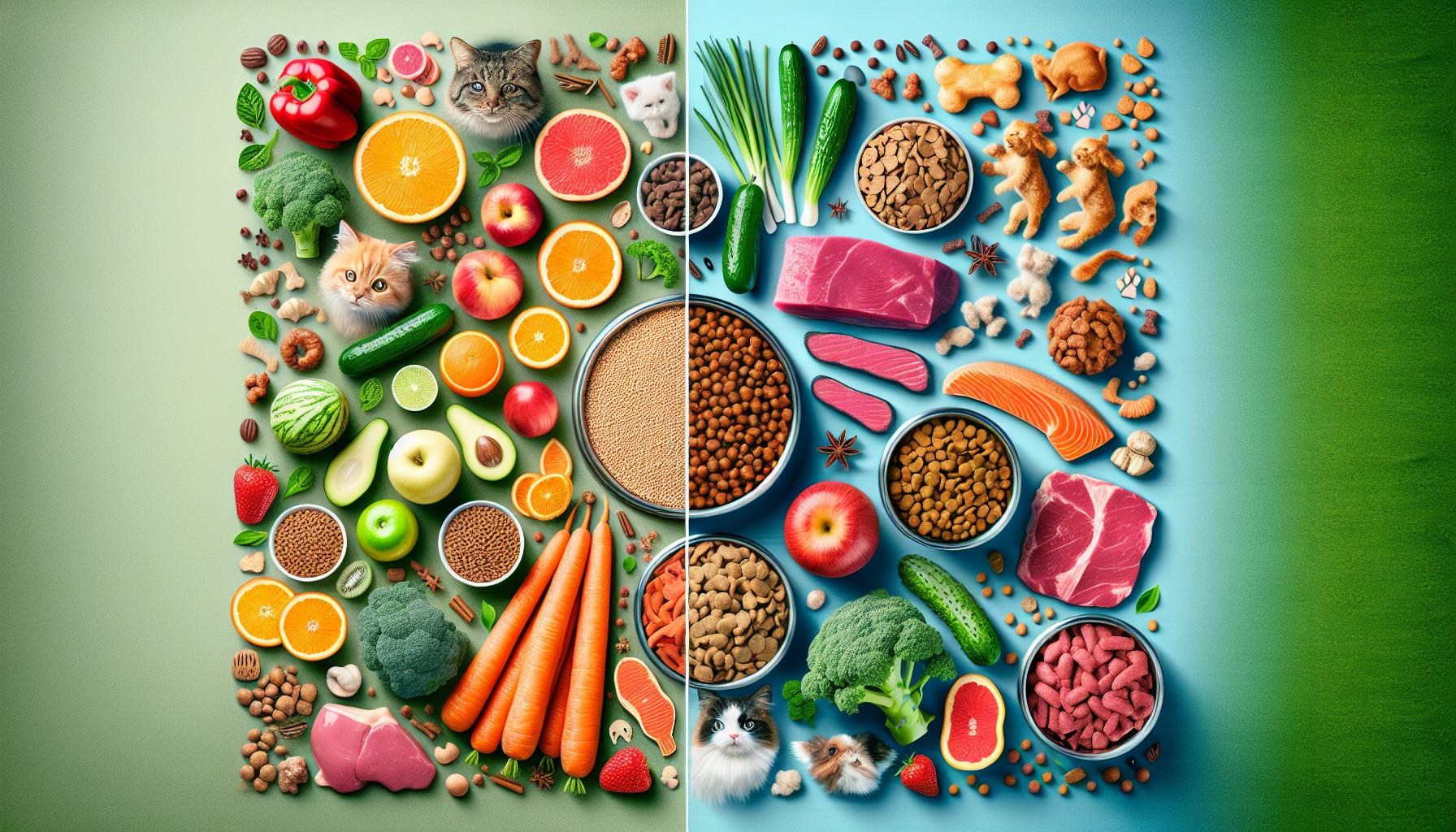
A balanced diet is fundamental to maintaining the overall well-being of our furry companions. Just as with humans, the nutritional intake of pets plays a crucial role in their health, behavior, and longevity. Proper nutrition can lead to a myriad of benefits that enhance not only their physical condition but also their quality of life. For instance, a well-balanced diet is key to:
- Improved energy levels – A properly formulated diet fuels pets for their daily activities, whether it’s a playful romp in the yard, a leisurely walk in the park, or simply having the stamina to engage with their human family.
- Stronger immune system – Nutrient-rich foods, filled with antioxidants and essential vitamins, can bolster a pet’s immune defenses, helping to fend off illnesses and ensuring they stay healthy and active.
- Better weight management – Proper dietary control is essential in preventing obesity, a growing concern among pets in the United States, which can lead to serious health issues such as diabetes, joint problems, and cardiovascular diseases.
Understanding that both dogs and cats have specific nutritional needs is vital. These needs vary based on factors such as species, age, activity level, and pre-existing health conditions. For example, a young, active puppy will have different nutritional requirements compared to an older, sedentary dog. Here are essential aspects to consider when creating a nutritious diet for your pet:
Quality Ingredients
Quality ingredients are non-negotiable. Pet owners should look for premium pet foods that feature real meat as the primary ingredient and include whole grains, fruits, and vegetables. Foods that contain fillers like corn or soy are often less beneficial.
Portion Control
Portion control is another critical factor. Overfeeding, even with high-quality food, can lead to an array of health problems, including obesity. Following feeding guidelines provided by veterinarians or pet food manufacturers can help maintain an ideal body weight.
Regular Vet Consultations
Finally, regular vet consultations are vital for tailoring dietary needs. A veterinarian can help you assess your pet’s specific health requirements and adjust their diet accordingly, especially if they have allergies or chronic conditions.
As diligent pet owners, educating ourselves about pet nutrition can significantly improve the health and happiness of our beloved companions. Not only does a balanced diet promote longevity, but it also nurtures a fulfilling and active lifestyle, allowing us to enjoy every moment with them. Exploring the vast landscape of pet nutrition is an exciting journey, one that invites pet lovers to delve into the world of ingredients, health benefits, and the joy of seeing our pets thrive.
DISCOVER MORE: Click here to learn about the latest pet trends
Essential Components of a Balanced Diet for Pets
When it comes to providing a balanced diet for pets, understanding the essential components is key to ensuring optimal health. Proper nutrition is not merely about filling a bowl with food; it’s an intricate combination of proteins, fats, carbohydrates, vitamins, and minerals that together create a well-rounded meal. Each of these components plays a unique role in promoting pet health, and neglecting any aspect can lead to significant health consequences.
Proteins: The Building Blocks of Life
Proteins are vital for the growth, development, and repair of your pet’s tissues. They are made up of amino acids, some of which are considered essential, meaning they must be obtained through diet. Complete proteins, often sourced from high-quality meats such as chicken, beef, and fish, are crucial for maintaining muscle mass and supporting a healthy immune system. A deficiency in protein can result in weakened muscle development, poor coat quality, and a sluggish immune response.
Healthy Fats: Energy Sources and Nutrient Absorption
Fats serve as a concentrated source of energy and are necessary for the absorption of fat-soluble vitamins (A, D, E, and K). Including essential fatty acids, like omega-3 and omega-6, in your pet’s diet can promote a healthy coat, reduce inflammation, and support cognitive function. While fats are essential, it’s crucial to provide them in moderation, as excessive fat intake can lead to obesity and associated health issues.
Carbohydrates: Fuel for Energy
Carbohydrates are an important source of energy, particularly for active pets. They provide immediate energy, help maintain stable blood sugar levels, and support digestive health through the provision of dietary fibers. Quality carbohydrate sources, such as brown rice, sweet potatoes, and peas, can enrich your pet’s diet and help manage weight. It’s important to note, however, that not all carbohydrates are created equal; avoiding excessive amounts of processed grains can make a significant difference in your pet’s overall health.
Vitamins and Minerals: Vital Micronutrients
Vitamins and minerals are critical to numerous bodily functions, including bone health, nerve function, and immune system efficacy. Each vitamin and mineral plays a specialized role, from supporting healthy vision with vitamin A to aiding the body in healing and maintaining healthy teeth through calcium and phosphorus. Pets typically obtain these nutrients through a varied diet, but certain conditions may necessitate supplementation, so consulting with a veterinarian is always a prudent choice.
As pet owners, it is our responsibility to appreciate these fundamental elements of pet nutrition. By familiarizing ourselves with the intricacies of a balanced diet, we can make informed choices that not only enhance our pets’ health but also contribute to their happiness and well-being. Striving for high-quality ingredients in their meals is not just a trend—it’s a means to ensure they thrive and lead vibrant lives.
The Importance of a Balanced Diet for Pets’ Health
A balanced diet is not merely a suggestion for pet owners; it is a crucial aspect of maintaining the overall health and wellbeing of our furry companions. Just as humans benefit from nutritional variety, pets thrive when provided with a diverse array of foods that supply essential nutrients. These nutrients not only support their physical health but also enhance their immune systems, ensuring a longer, happier life.
In this modern age, pet owners are often inundated with an array of food choices, from commercially prepared kibble to homemade meals. Each option comes with its own set of advantages. Commercial pet foods, for instance, are formulated to meet the specific dietary needs of various animal species and are typically rich in vitamins and minerals. Meanwhile, homemade diets allow for greater control over ingredients, catering specifically to pets with sensitivities or allergies.
Additionally, it’s important to grasp the concept of macronutrients—proteins, carbohydrates, and fats—and their roles in a pet’s health. Proteins are vital for building and repairing body tissues, carbohydrates provide energy to keep pets active, and fats play a role in a host of bodily functions, including maintaining healthy skin and fur.
Furthermore, the balance of these macronutrients can significantly influence factors such as weight management, digestion, and overall vitality. Obesity, often linked to poor dietary choices, can lead to serious health conditions like diabetes, heart disease, and joint problems. Regular vet check-ups can help monitor your pet’s health and nutritional needs effectively.
Understanding individual requirements based on breed, age, and activity level is crucial. For example, puppies require high protein for growth, while senior dogs benefit from nutrient-rich diets to combat age-related illness. Education and awareness about pet nutrition empower owners to make informed decisions, ultimately leading to healthier, happier pets.
| Advantage | Explanation |
|---|---|
| Nutritional Balance | Ensures essential nutrients are supplied for optimal health. |
| Weight Management | Prevents obesity-related health issues, such as diabetes and heart disease. |
As pet owners navigate the various available options, it is critical to prioritize quality and nutritional content over quantity. Investing in your pet’s diet is an investment in their health, and understanding the importance of a balanced diet can transform a pet’s life.
DISCOVER MORE: Click here to find your perfect feline match
Understanding Dietary Needs Across Different Species
Each type of pet has specific nutritional needs that reflect its unique biology. Recognizing these differences is vital in promoting your pet’s health through a balanced diet. Dogs and cats, for instance, have contrasting dietary requirements, as their evolutionary backgrounds yield distinct digestive systems and nutrient processing abilities.
Canine Nutrition: Flexibility with Caution
Dogs are often classified as omnivores, which allows for a broader range of food options. While they can thrive on a mix of animal and plant-based foods, it’s essential to ensure they receive adequate levels of meat protein. A common mistake pet owners make is comparing dog diets to human diets too closely, often leading to inappropriate food portions and types. Foods like onions, chocolate, and grapes are toxic to dogs and should always be avoided.
Additionally, because overweight dogs face a myriad of health issues ranging from joint problems to diabetes, incorporating low-calorie treats—like green beans or carrots—can be beneficial. Pet owners can also consider consulting a veterinarian about the role of grain-free dog food options, as research has linked some grain-free diets to canine dilated cardiomyopathy (DCM), impacting heart health.
Feline Nutrition: High Protein, Low Carbohydrate
Cats, in contrast, are obligate carnivores, meaning they require higher levels of animal protein to survive. Unlike dogs, cats have a limited ability to digest carbohydrates effectively. They rely heavily on the amino acid taurine—which is found in animal tissues—making it crucial that any cat food includes a high-quality meat source at the top of its ingredient list. This ensures they receive adequate nutrition to support their health.
A common issue observed in house cats is obesity, often stemming from an excess of carbohydrates in their diets. High-calorie dry kibble can lead to weight gain, so monitoring portion sizes and providing wet food options—known for their higher protein and moisture content—can substantially benefit feline health.
Exotic Pets: Unique Dietary Requirements
For pet owners with exotic animals, such as reptiles or rodents, understanding their specific dietary requirements becomes even more crucial. For example, many reptiles are herbivores or insectivores and require a diet consisting of live insects or specific leafy greens to stay healthy. Failing to provide them with the correct nutrients can lead to metabolic disorders or growth defects.
Rabbits and guinea pigs, on the other hand, require high-fiber diets primarily composed of hay, fresh vegetables, and limited pellets. Their digestive systems are tailored to deal with a continuous flow of low-calorie food, reinforcing the need for a consistent supply of appropriate nutrients. Lack of fiber can lead to severe digestive issues and critical health outcomes.
Tailored Diets: Special Considerations for Age and Activity Level
A pet’s age and activity level also influence its nutritional requirements. Puppies and kittens, for example, need calories that support their rapid growth and development, whereas senior pets require diets that assist in maintaining weight and overall health without overloading their systems. Adjusting their food based on their life stage can prevent conditions like obesity, arthritis, and other diet-related diseases.
Active pets, particularly working dogs and outdoor cats, have elevated energy demands and require diets that reflect their lifestyle. Nutritional adjustments made in response to activity levels not only help in reaching physical performance but also protect against health complications that arise from inappropriate feeding.
Understanding the foundational elements of your pet’s diet is pivotal for long-term health and well-being. Deciphering their unique dietary requirements can lead not only to a happier pet but also promote a profound bond as you partner together on their health journey.
DISCOVER MORE: Click here to learn about conscious eating for your pet
Conclusion: Ensuring Your Pet’s Optimal Health Through Balanced Nutrition
In summary, maintaining a balanced diet is crucial for the overall health and well-being of our pets. By understanding their specific dietary needs—whether they are dogs, cats, or exotic animals—pet owners can take proactive steps towards enhancing their companions’ quality of life. Proper nutrition directly impacts critical factors such as weight management, energy levels, and the prevention of chronic illnesses.
As highlighted, dogs and cats have fundamentally different dietary requirements; dogs require a mix of animal proteins and plant-based foods, while cats thrive on high-protein, low-carbohydrate diets. Moreover, the needs of puppies, kittens, and older pets may differ significantly, necessitating tailored approaches to feeding. For exotic pets, recognizing the unique nutritional demands can mean the difference between vibrant health and serious illness.
Pet owners in the United States must remain vigilant in educating themselves about the latest findings in pet nutrition. Consulting with veterinarians or pet nutritionists can provide invaluable insight into formulating the most appropriate diets based on individual pets’ life stages and activity levels. Therefore, equipping yourself with knowledge empowers you to make informed decisions that contribute to your pet’s long-term health.
A balanced diet is not just about feeding; it’s about fostering a bond and ensuring a happy and healthy life for our pets. By prioritizing proper nutrition, you are investing in their happiness and well-being—an endeavor that resonates profoundly through every wag, purr, and flutter of those who depend on us for their care.