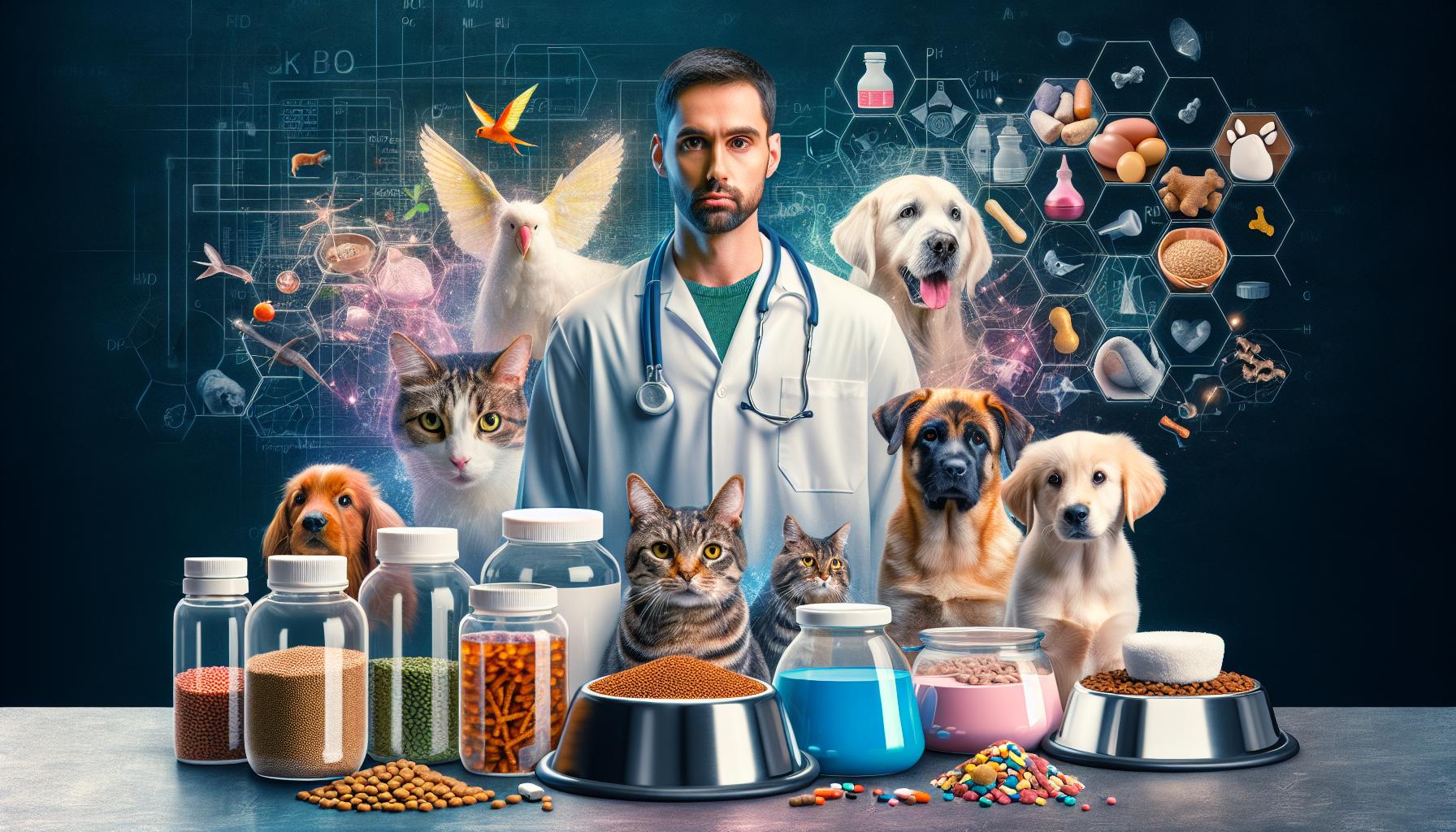
Natural Nutrition vs. Commercial Feed: What Is Best for Your Pet?
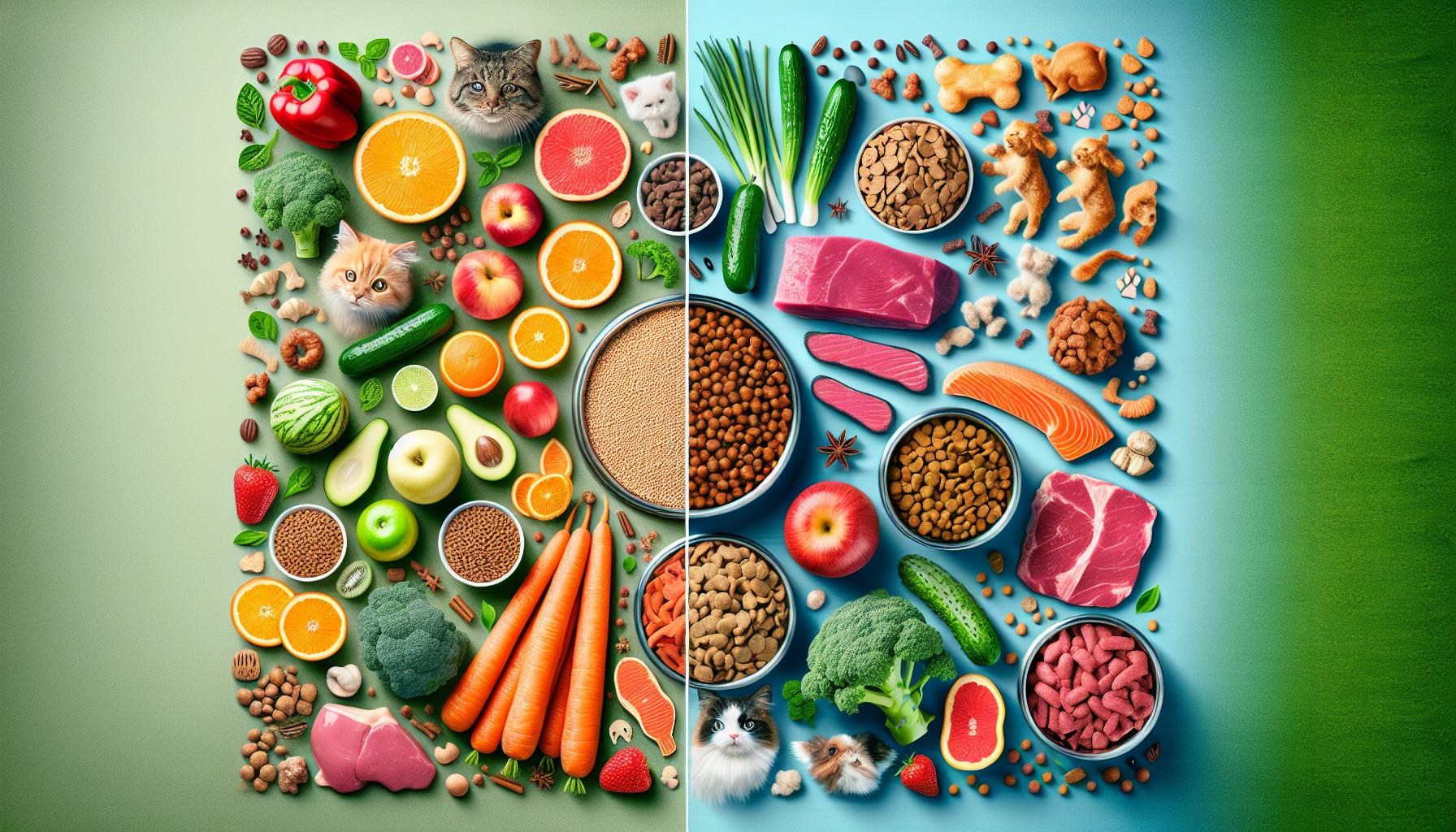
Understanding the Distinction in Pet Nutrition
Choosing the right diet for your pet is akin to piecing together a puzzle, where every aspect of their health and lifestyle plays a role. Natural nutrition versus commercial feed is a prominent discussion among pet owners today. Understanding what these terms entail is the first step in making an informed choice that aligns with your furry friend’s needs.
Natural nutrition emphasizes a diet made from whole, unprocessed ingredients that dogs and cats might encounter in their natural environments. This type of feeding can significantly benefit your pet’s overall health. Common examples include:
- Fresh meats and fish: Sources like chicken, beef, salmon, and even eggs provide essential proteins critical for muscle development and energy.
- Fruits and vegetables: Ingredients such as carrots, blueberries, and spinach offer vitamins, minerals, and antioxidants, which support immune function and general well-being.
- Grains and legumes: Options like quinoa, brown rice, and lentils supply carbohydrates and fibers that aid digestion and provide sustained energy throughout the day.
Conversely, commercial feed encompasses a variety of prepared products in various forms, including dried kibble and canned wet food. While these options often boast convenience, their composition can vary significantly. Key characteristics include:
- Dried kibble or canned wet food: These are formulated to provide balanced nutrition but can sometimes contain fillers that may not be beneficial for all pets.
- Added preservatives and flavors: Many commercial feeds include these additives to enhance flavor or extend shelf life, which may raise concerns for devoted pet owners.
- Highly processed ingredients: While convenient, over-processing can strip away some nutrients that pets require for optimal health.
When considering your pet’s diet, a multitude of factors should influence your decision, such as:
- Your pet’s age, size, and breed: Nutritional needs can differ greatly based on age and breed-specific health concerns or dietary restrictions; for instance, large breed puppies often require a diet formulated for slow growth.
- Health conditions: Pets with allergies or other health issues may benefit from a specialized diet that avoids common allergens found in many commercial feeds.
- Budget and convenience: Weighing the cost against the potential benefits of either diet can help in deciding which option works best for your lifestyle.
Ultimately, both natural nutrition and commercial feed options hold unique advantages and disadvantages. The best approach involves careful consideration of your pet’s needs and preferences. Exploring these dietary avenues not only contributes to your pet’s health but may open up a conversation with your veterinarian or pet nutritionist about creating the most effective diet plan. Your pet deserves the best, so take the time to investigate and discover what nutritional path works best for your furry family member.
DISCOVER MORE: Click here to delve deeper
Evaluating the Benefits of Natural Nutrition
When it comes to natural nutrition, pet owners often highlight the holistic benefits of feeding pets whole, unprocessed foods. The rationale is simple: unrefined ingredients tend to retain more nutrients that are vital for a pet’s health. It’s a holistic approach that considers not merely the physical but also the emotional well-being of pets. This feeding philosophy is gaining traction as more owners seek to replicate the ancestral diets of dogs and cats, helping them thrive in a manner akin to their wild counterparts. Here are some key benefits that advocate for natural nutrition:
- Improved Digestion: Natural diets typically include more fiber and fewer fillers, promoting better bowel health. Ingredients like sweet potatoes and peas can enhance nutrient absorption and help regulate digestion.
- Enhanced Energy Levels: Quality proteins derived from whole foods supply pets with the energy needed for playful activities and day-to-day life.
- Weight Management: By focusing on natural ingredients, many pet owners find that their animals maintain healthier weights and avoid obesity-related issues.
- Allergy Reduction: Limiting additives and artificial ingredients can lead to fewer allergic reactions, especially for pets with sensitive stomachs.
Moreover, investing in natural nutrition encourages pet owners to be more engaged in their pets’ dietary choices. It’s rewarding to experiment with homemade meals and monitor dietary impacts firsthand. Many owners have reported noticeable improvements in coat quality, energy levels, and overall vitality when switching to a natural diet.
The Convenience of Commercial Feed
On the flip side, commercial feed offers unrivaled convenience, making it an attractive option for busy pet owners. The variety available often means that there’s something tailored to meet every pet’s needs, from puppies to senior dogs. Pet food manufacturers invest significantly in research and development to create formulas that address specific health guidelines sanctioned by organizations such as the Association of American Feed Control Officials (AAFCO). However, it’s important to scrutinize what exactly goes into these products. Here are some factors to consider:
- Balanced Nutrition: Commercial pet foods are designed to provide complete and balanced nutrition, meeting essential dietary requirements according to life stages.
- Cost-effective Options: For many pet owners, commercial feed is the more budget-friendly choice, available in bulk quantities at pet stores, supermarkets, or online retailers.
- Time-saving: With the faster pace of modern life, the convenience of opening a bag or can of pet food saves time on meal preparation.
While commercial feed can offer a structured and scientifically-backed option, conscientious pet owners should carefully examine ingredient lists, focusing on quality over marketing claims. It’s essential to discern whether the main components are beneficial for your specific pet rather than solely relying on brands. Thus, a thoughtful assessment of both natural nutrition and commercial feed can lead to a more tailored and holistic approach to pet health.
Natural Nutrition vs. Commercial Feed: What Is Best for Your Pet?
As pet owners, the choice between natural nutrition and commercial feed can be perplexing. With a wealth of information flooding the internet, it is crucial to understand the unique benefits each option offers your furry companions. Let’s explore the advantages of each to help you make an informed decision for your pet’s health.
| Natural Nutrition | Commercial Feed |
|---|---|
| Whole, unprocessed ingredients | Convenient, balanced nutrition |
| Better digestion and nutrients | Long shelf life and affordability |
Natural nutrition emphasizes the use of whole, unprocessed ingredients, which can lead to better digestion and absorption of essential nutrients. Many pet owners report healthier coats, improved energy levels, and fewer health issues when feeding their pets natural foods. In contrast, commercial feed offers the benefit of convenience, providing balanced nutrition that comes ready to serve. The long shelf life of these products also adds to their appeal, making them an affordable solution for busy pet owners.
Understanding the specific needs of your pet is crucial, as some pets may thrive on natural diets while others may do better on formulated commercial feeds. Factors such as age, health conditions, and activity level can significantly affect dietary choices. Be sure to consult with your veterinarian to tailor the best plan for your beloved companion.
DIG DEEPER: Click here to learn more about essential nutrients for your pets
Understanding Potential Drawbacks of Each Option
While both natural nutrition and commercial feed present their unique advantages, understanding potential drawbacks can further inform pet owners’ decisions. Each diet has its own set of challenges that must be considered when determining the best course of action for your furry friend.
Challenges of Natural Nutrition
Although the natural approach is appealing, it is not without its hurdles. One major concern is the nutritional balance required for a pet’s diet. Formulating homemade meals necessitates a solid understanding of nutritional requirements, including proteins, fats, vitamins, and minerals essential for optimal health. Without this knowledge, there is a risk of creating an improperly balanced diet, which can lead to deficiencies or excesses of vital nutrients. Additionally, certain human foods can be toxic to pets, necessitating additional research to ensure safety.
- Time-Intensive Preparation: Preparing balanced meals from scratch can be labor-intensive. An owner committed to natural nutrition must invest time in meal planning, ingredient sourcing, cooking, and serving.
- Higher Risk of Contamination: Homemade diets can pose health risks, particularly if proper hygiene or food handling techniques are overlooked, potentially leading to foodborne illnesses.
- Costs: Sourcing high-quality, organic ingredients can be more expensive than purchasing commercially-produced food, depending on local markets and availability.
Concerns Surrounding Commercial Feed
Conversely, while commercial feed offers convenience and ease-of-use, it has its own set of considerations. The reliance on processed ingredients raises potential concerns about the quality and sourcing of materials. Some brands utilize lower-quality meat by-products or fillers, which may not provide adequate nutrition, leading to questions about the longer-term impacts on pet health.
- Ingredient Transparency: Many pet owners are often left in the dark regarding the exact origins of ingredients in commercial food. Reading labels carefully is essential, but even then, not all consumers possess the knowledge to decipher them effectively.
- Potential for Allergens: Just like with any mass-produced food, commercial pet foods can include common allergens such as corn, wheat, or soy, which might lead to digestive issues or skin problems in sensitive pets.
- Quality Control Issues: Past incidents of recalls due to contamination or subpar ingredients have raised concerns about the safety of commercial pet food brands, reminding consumers to stay vigilant.
Ultimately, many pet owners are left wrestling with the decision of what to feed their beloved companions as they weigh the pros and cons of natural nutrition against commercial feed. Understanding each option’s benefits and drawbacks can pave the way for a more informed choice tailored to individual pet needs. By evaluating various factors, such as lifestyle, budget, and preferences, pet owners may even find a balance between both approaches—creating a custom diet that suits their pets while ensuring overall well-being.
DISCOVER MORE: Click here to learn about adaptable cat breeds
Final Thoughts: Navigating the Best Diet for Your Pet
In the ongoing debate of Natural Nutrition vs. Commercial Feed, there is no one-size-fits-all answer when it comes to what is best for your pet. Each option carries its own set of benefits and challenges that can significantly impact your pet’s health and well-being. As we’ve explored, natural nutrition allows for personalized feeding, often using fresh ingredients that some pet owners feel lead to better health outcomes. However, it requires a thorough understanding of dietary needs and the commitment of time and resources.
On the other hand, commercial feed offers convenience and ease, often backed by scientific research and formulated to provide necessary nutrients. Nonetheless, the potential for low-quality ingredients and allergens can be a genuine concern. In a market filled with diverse products, pet owners must educate themselves on ingredient sourcing and label reading to make informed choices.
Ultimately, the decision lies in understanding your pet’s individual health needs, lifestyle, and your own willingness to invest time and resources into their diet. For some, a blended approach—utilizing both natural foods and high-quality commercial options—may offer the perfect balance, catering to both nutritional needs and practical reality. By continuously engaging with resources, veterinary advice, and nutrition guidelines, you can discover the best feeding strategy that promotes a vibrant and healthy life for your cherished pet.