
Natural Food vs. Kibble: What is Best for Your Pet?
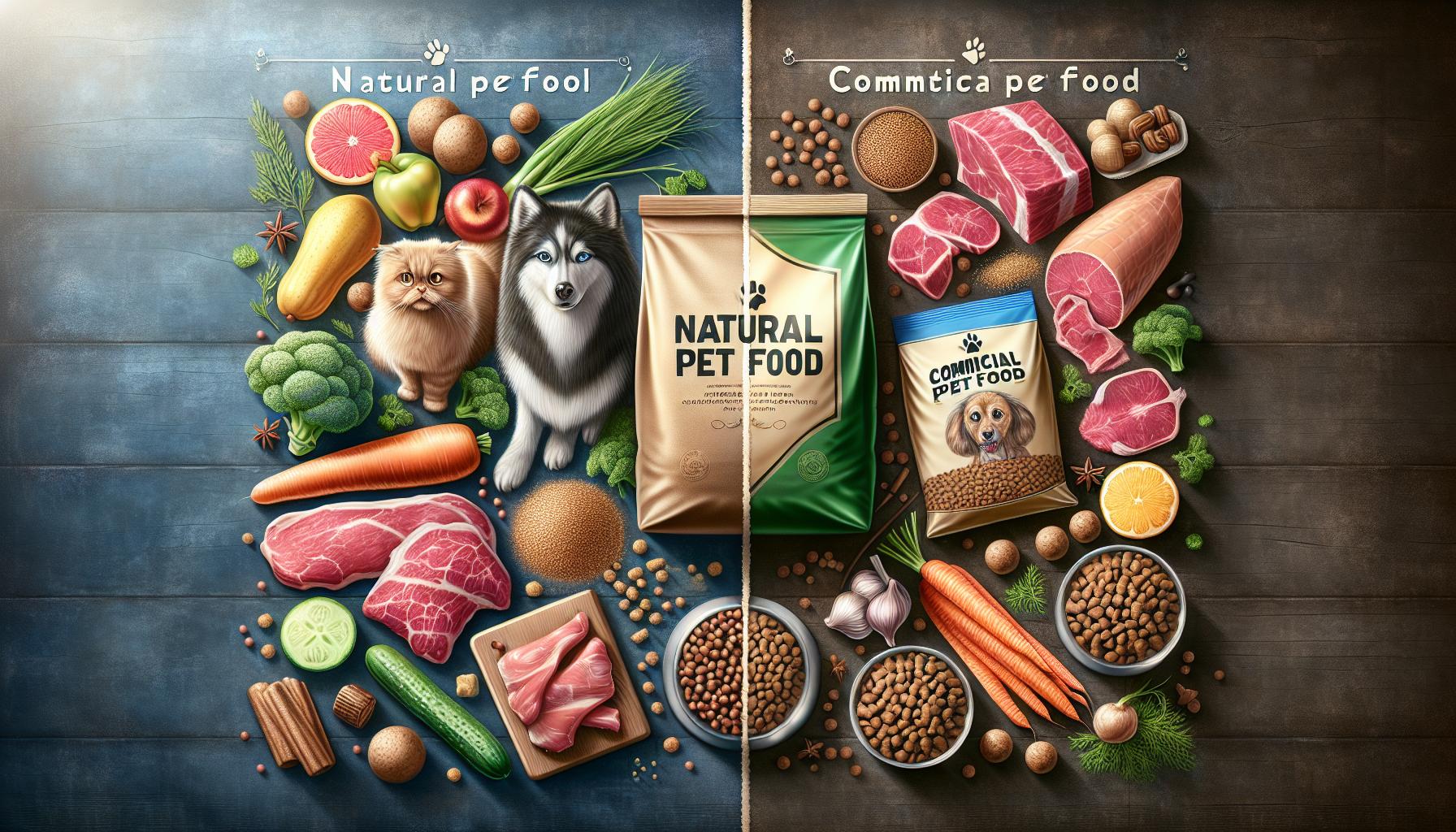
Understanding the Nuances of Pet Nutrition
The conversation regarding pet nutrition is both fascinating and complex, with the divide between natural food and kibble often at the forefront. For pet owners, navigating this landscape can feel daunting, especially with a plethora of options available on the market. Understanding the merits and potential pitfalls of each choice is essential for ensuring the health and happiness of a beloved pet.
Natural Food: A Closer Look
Natural food often emphasizes fresh, whole ingredients, aiming to replicate what pets would consume in the wild. Proponents argue that this aligns more closely with a pet’s ancestral diet, which can lead to better digestion and fewer allergies. Ingredients such as chicken, beef, fish, vegetables, and fruits are common. For example, a diet rich in omega-3 fatty acids sourced from fish is known to promote a shiny coat and healthy skin.
Kibble: The Convenient Alternative
On the other hand, kibble remains a staple in many households thanks to its convenience. Kibble is often designed to be shelf-stable and easy to store, making it a practical option for busy pet owners. Moreover, many kibble brands invest in scientific research to create formulations that cater to specific health needs such as weight management, dental care, or allergies. For instance, some kibble brands incorporate probiotics and omega fatty acids to aid in digestion and overall health.
Key Considerations In Choosing Pet Nutrition
When weighing these options, several critical factors come into play:
- Ingredients: An essential criterion should be the quality and source of ingredients. When choosing natural food, select brands that provide detailed information about their sourcing practices to ensure freshness and nutritional value.
- Nutrition: Kibble often comes conveniently fortified with essential vitamins and minerals. However, it is crucial to check that these nutrients are derived from high-quality sources and are appropriately balanced for your pet’s age and activity level.
- Cost: Pricing can be a significant factor. Natural pet foods typically come at a higher cost due to the premium ingredients used. However, budget-friendly kibble options are widely available and can fit most financial plans while still offering quality nutrition.
Assessing Your Pet’s Needs
Ultimately, choosing the right nutrition for your furry friend will depend on several personal factors, including your pet’s specific health needs, preferences, and your lifestyle. For instance, a highly active dog may require more protein and nutrients than a less active one, suggesting a tailored diet plan. By staying informed about the nutritional options available, pet owners can ensure their companions thrive and lead healthy lives. Engaging with veterinarians or pet nutritionists can provide additional personalized recommendations, further illuminating this intricate puzzle of pet health and nutrition.
In conclusion, the ongoing discussion concerning natural food versus kibble is not merely about which option is superior but rather how each can serve the unique needs of individual pets. The journey of discovering the best nutrition for your animal companion is critical, and it begins with understanding the available options and their implications.
EXPLORE MORE: Click here for essential tips on pet adoption
Exploring the Benefits of Natural Food
Natural food diets for pets present a tantalizing alternative that many owners are eager to explore. Often regarded as a more wholesome option, natural foods generally consist of real meats, vegetables, and fruits, aiming to mimic the nutritional choices available in a pet’s natural habitat. This method of feeding champions the consumption of high-quality ingredients without additives, preservatives, or fillers, which can be detrimental to a pet’s health in the long run.
Advocates of natural food consumption claim that such diets can lead to several health benefits, including improved digestion, better weight management, and enhanced energy levels. Fresh ingredients are thought to be more bioavailable, meaning pets can absorb nutrients more efficiently. For example, dogs fed with raw meat diets might display increased vitality and a lustrous coat, attributable to the high levels of protein and essential fatty acids present in their meals.
The Variety Factor
One compelling aspect of natural food is the variety it can offer. Unlike kibble, which generally provides a consistent formulation, natural food diets can be tailored significantly based on a pet’s individual taste and nutritional requirements. This means that an owner can rotate proteins and vegetables, similar to how animals in the wild consume differing diets based on seasonal availability. Options could include:
- Raw meat such as chicken, beef, or turkey
- Fish varieties like salmon or sardines that are rich in omega-3s
- Fruits and vegetables such as carrots, blueberries, and spinach
This variety not only enhances meal enjoyment but can also prevent the development of food sensitivities and allergies.
Considerations for Natural Diets
While natural diets can provide numerous health benefits, they also come with specific challenges and considerations. For one, food safety is paramount. Raw food, in particular, carries the risk of contamination if not handled properly. Owners must also ensure balanced nutrition, as a diet lacking essential vitamins and minerals can lead to deficiencies. Consulting with a veterinarian or a pet nutrition expert is vital to create a well-rounded meal plan.
Moreover, the transition from kibble to natural food should be approached gradually to avoid gastrointestinal disturbances. It is advisable to mix the two diets for a period of time or start with simple proteins before introducing a more complex array of foods. With the right planning and commitment, many pet owners find the endeavor rewarding and beneficial for their pets’ overall health and happiness.
Understanding the Kibble Dynamic
As a longstanding staple in pet nutrition, kibble presents itself as a practical solution for many households. While the convenience of kibble can hardly be overstated, its highly processed nature often raises questions regarding its overall nutritional value compared to natural options. Understanding these aspects of kibble can aid pet owners in making informed decisions that cater to their furry friends’ needs.
In the ongoing debate of Natural Food vs. Kibble, pet owners are often faced with a critical choice that can significantly impact their furry companions’ health and well-being. Each option presents distinct characteristics that warrant consideration. Let’s explore some of the core differences and insights that may help guide your decision.
| Type of Food | Advantages |
|---|---|
| Natural Food | Contains fresh ingredients, typically free from preservatives and fillers, promoting better digestion and nutrient absorption. |
| Kibble | Convenient, cost-effective, and offers dental benefits by helping to clean teeth as pets chew. |
Both types of pet food carry their unique benefits. Natural food can aid in the prevention of allergies and digestive disorders thanks to its wholesome ingredients. On the other hand, kibble’s long shelf life and variety make it an attractive option for many pet owners. Additionally, it can be easier to store and serve as part of an everyday routine.
While nutrition plays a pivotal role, it is essential to recognize the individual needs of your pet. Consulting with a veterinarian or pet nutritionist can provide tailored guidance on whether natural food or kibble is the better choice for your beloved companion.
LEARN MORE: Click here to discover how nutrition impacts your pet’s mental health
Understanding the Kibble Dynamic
As a longstanding staple in pet nutrition, kibble presents itself as a practical solution for many households. While the convenience of kibble can hardly be overstated, its highly processed nature often raises questions regarding its overall nutritional value compared to natural options. Understanding these aspects of kibble can aid pet owners in making informed decisions that cater to their furry friends’ needs.
The Convenience of Kibble
Kibble is renowned for its ease of use. It requires no preparation, can be stored without refrigeration, and is often less costly than natural diets. This makes it an attractive choice for busy pet owners who may not have the time to prepare fresh food daily. Many brands also offer balanced formulations specifically designed to cater to a pet’s life stage, size, and dietary needs. This means that whether you have a growing puppy, an adult dog, or a senior pet, there is likely a specialized kibble designed just for them.
Additionally, kibble typically contains added vitamins, minerals, and sometimes probiotics to aid in digestive health. Many products undergo extensive testing and meet strict regulatory standards, which can provide peace of mind to pet owners regarding safety and quality.
Nutrition Myths vs. Facts
Despite its benefits, a common concern with kibble is its nutritional adequacy. Many critics argue that the high heat processing used in creating kibble can destroy essential nutrients and alter proteins into less bioavailable forms. However, not all kibbles are created equal. Premium brands often employ higher quality ingredients and undergo less processing, preserving more nutrients than standard options. It’s essential for pet owners to investigate the ingredient list and guaranteed analysis on the packaging to make informed choices.
- Identify high-quality ingredients, such as real meat or fish as the primary ingredient instead of meat by-products or fillers.
- Avoid kibbles with artificial additives, colors, or preservatives that may be harmful over time.
- Consider kibbles with whole grains, fruits, and vegetables that can offer added nutritional benefits.
Impact on Dental Health
A less talked about advantage of kibble is its potential benefit to dental health. Crunchy kibble can help reduce plaque buildup on teeth, thereby promoting better oral hygiene. Many owners note that their pets’ breath improves with regular kibble feedings compared to soft wet food or raw diets, which might leave residue on the teeth. However, this does not replace the need for regular dental check-ups and cleaning, which are crucial for maintaining oral health.
Environmental Considerations
While both natural foods and kibble come with their own environmental footprints, kibble typically requires less packaging than frozen or fresh raw foods. The sheer availability of kibble across various brands and formulations also means that many pet owners have the opportunity to select environmentally friendly options, with some companies focusing on sustainable sourcing practices and eco-friendly packaging. Owners concerned about their pets’ nutritional choices can even invest in grain-free or limited-ingredient kibbles which may have a lower environmental impact due to the sourcing of ingredients.
As the dialogue around pet nutrition continues to expand, understanding the pros and cons of kibble helps owners navigate their options wisely. With advances in pet food technology and a growing awareness of pet health, each feeding choice—kibble or natural food—offers unique advantages that warrant careful consideration.
DIVE DEEPER: Click here to discover why a balanced diet is essential for your pet’s health
Final Thoughts on Pet Nutrition Choices
As pet owners navigate the ongoing debate between natural food and kibble, it’s essential to recognize that there is no one-size-fits-all solution for every pet. Both options come with their own sets of advantages and challenges, making it crucial for owners to consider their specific circumstances, including their pet’s age, health, lifestyle, and dietary needs.
Natural food can provide a nutrient-dense diet enriched with whole ingredients, promoting optimal health and vitality. However, it may require more time for preparation and careful handling, which can be a challenge for some busy pet parents. On the other hand, kibble offers convenience and a balanced nutritional solution tailored for various life stages, all while being budget-friendly and widely available. Modern advancements in kibble formulations allow for a range of options, including those that prioritize quality ingredients and ethical sourcing.
Ultimately, the best choice for your pet may involve a combination of both natural food and kibble, allowing you to harness the benefits of each. Considerations such as consulting with a veterinarian, understanding ingredient labels, and examining your pet’s unique health needs should play a pivotal role in your decision-making process.
In a world where pet parenthood is defined by love and care, the right approach to nutrition should always align with what can best support the well-being of your furry companion. So whether you lean towards natural foods or reach for a bag of kibble, the focus should always be on crafting a balanced and nurturing diet that keeps your pet happy and healthy for years to come.