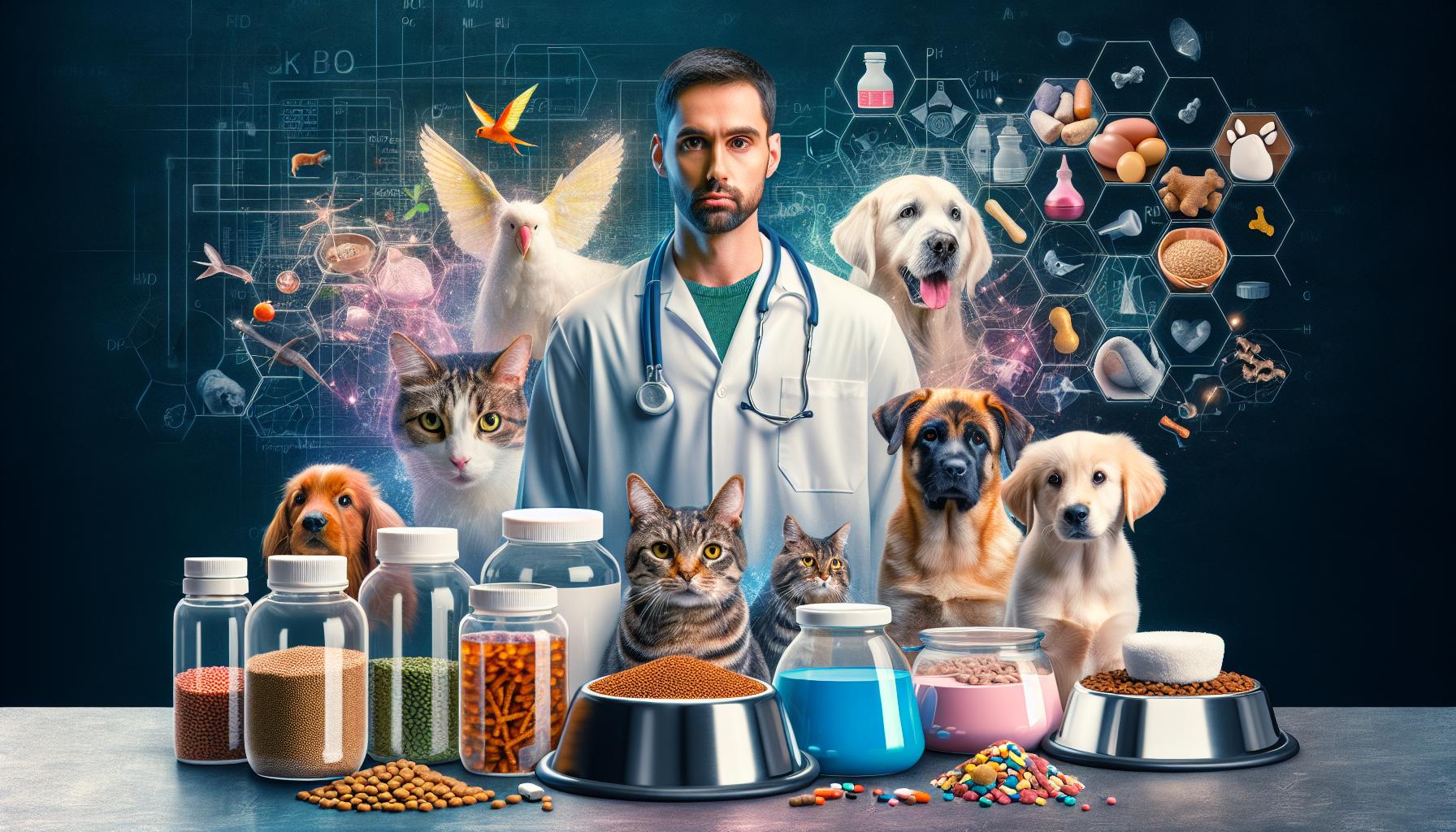
Natural Diets vs. Commercial Food: What Is Best for Your Pet?

The Diet Dilemma: Natural vs. Commercial Pet Food
In the ever-evolving landscape of pet care, the choice between natural diets and commercial food has become a hot topic, igniting passionate discussions among pet owners and veterinarians alike. As awareness about the implications of diet on animal health increases, it raises important questions about what constitutes a truly healthy diet for our beloved companions.
Understanding the key differences between these two dietary approaches is essential for informed decision-making:
- Ingredients: Natural diets focus on whole, unprocessed foods that are rich in nutrients. This may include a mix of fresh meats, vegetables, and grains. In contrast, many commercial pet foods contain by-products and fillers, which might offer less nutritional value.
- Additives: Commercial options frequently incorporate preservatives, artificial flavors, and colors to enhance shelf life and palatability. These additives can sometimes lead to long-term health issues in pets. Natural diets, on the other hand, strive for chemical-free meals that promote optimal health.
- Affordability: The cost of a natural diet can vary significantly, often depending on sourcing organic ingredients or purchasing specialty items. While some pet owners might find homemade meals to be cost-effective, others may find them pricier compared to mass-produced commercial products.
- Customizability: One of the most significant advantages of a natural diet is the ability to tailor meals specifically to your pet’s needs. This can be crucial for pets with allergies, sensitivities, or specific health conditions.
Experts in veterinary nutrition stress that a balanced diet is essential for enhancing your pet’s longevity and overall well-being. With countless brands and products available, determining the right options becomes overwhelming, especially when considering the unique dietary needs of different pets.
To enrich your knowledge of pet nutrition, consider exploring:
- Optimal protein sources for your pet, such as lean meats, fish, and plant-based proteins, and their impact on energy levels and health.
- The role of supplements in natural diets, particularly how omega-3 fatty acids, vitamins, and minerals can support your pet’s immune system and cognitive function.
- How to read pet food labels effectively, recognizing key nutritional information that can help you make informed choices.
A comprehensive understanding of the various dietary options available can empower you to make healthier choices for your furry family member. This exploration into natural diets versus commercial food could be the catalyst for a transformative shift in how you approach feeding your pet, ultimately fostering a happier, healthier life for them.
DIVE DEEPER: Click here to discover funding options for your pet’s care
Delving Deeper into Ingredients
When embarking on the journey of your pet’s dietary choices, the first and foremost consideration is often the ingredients that make up their meals. Understanding what goes into your pet’s food provides clarity on how it affects their health and well-being. Natural diets emphasize the use of whole, unprocessed foods that are not only rich in nutrients but also free from harmful additives. Ingredients like fresh meats, organic vegetables, and whole grains are common, ensuring that pets receive the essential vitamins and minerals they need for optimal health.
In contrast, many commercial pet foods utilize a variety of less desirable components, including animal by-products and fillers. These ingredients often serve as cheap substitutes that could compromise the nutritional integrity of the food. For instance, a bag of commercial kibble may tout high protein content, but if most of that protein comes from by-products like meat meal or corn, it may not be as beneficial as it appears. Substantial research indicates that pets consuming diets filled with high-quality natural ingredients tend to show fewer health issues and can enjoy longer, happier lives.
The Role of Additives in Pet Nutrition
One distinguishing feature of commercial food is the presence of a variety of additives. Preservatives, artificial colors, and flavor enhancers are commonplace, designed to improve the taste and shelf life of pet food. While they may make the food more palatable and appealing, these chemical additives can have adverse long-term effects on your pet’s health. Some studies have linked certain preservatives, such as BHA and BHT, to cancer and other serious health conditions. In contrast, natural diets typically avoid these synthetic additives altogether, offering a cleaner, more wholesome alternative. This naturally leads to a consideration of your pet’s health history and sensitivities, as such diet options can alleviate issues related to allergies and stomach sensitivities.
A Financial Perspective
The debate between natural diets and commercial food also delves into affordability—a practical concern for many pet owners. While it is true that ingredients in natural diets can vary widely in cost, and organic products may often carry a premium, there are cost-effective ways to provide a wholesome diet. For instance, preparing homemade meals can, in some cases, be cheaper than buying high-quality commercial brands. Additionally, local farmers’ markets and co-ops frequently offer fresh produce at lower prices, enabling pet owners to source ingredients economically without sacrificing quality.
Understanding how to achieve a balanced diet for your pet can enrich their lives significantly. As discussions around nutrition evolve, it is essential to remain informed about the options that best suit your pet’s unique needs. This level of understanding can ultimately empower you to make choices that contribute to a healthier lifestyle for your four-legged friends.
Understanding the Benefits of Natural Diets
As pet owners navigate the important decision of selecting the best nutrition for their furry companions, natural diets have emerged as a compelling option. These diets primarily consist of whole, unprocessed ingredients, focusing on fresh meats, vegetables, and grains that closely resemble what pets would eat in the wild. Advocates of natural diets often emphasize that these meals provide a host of advantages that may enhance overall health and wellbeing.
Whole Ingredients and Nutritional Balance
Natural diets prioritize high-quality, whole ingredients. This allows pets to receive an array of essential nutrients without the fillers commonly found in many commercial foods. Ingredients such as lean proteins, fresh fruits, and vegetables are not only more digestible but also provide essential vitamins and minerals. This can lead to better energy levels, improved coat shine, and a stronger immune system.
Customized Nutrition
Another noteworthy benefit of natural diets is the ability to customize meals according to your pet’s unique needs. Pet owners can tailor their pets’ diets based on specific health issues, age, and activity level, offering a degree of personalization that commercial food often lacks. For instance, pets with food allergies can avoid harmful ingredients by selecting safe alternatives, which can prevent adverse reactions and promote better health outcomes.
Commercial Food: Convenience with a Catch
Commercial pet food, widely available in cans or bags, offers an undeniable convenience for pet owners. These products are formulated to meet a pet’s nutritional needs and come in a variety of flavors and formulations. However, the debate over the quality of ingredients used in commercial foods raises important questions.
Quality Control and Safety
One significant advantage of certain commercial pet foods is the rigorous quality control measures they undergo. Reputable brands often implement thorough testing for nutritional adequacy and safety. Nevertheless, some products are criticized for containing low-quality fillers and by-products that may not contribute positively to a pet’s health. Understanding how to read ingredient labels and identify high-quality brands can empower pet owners to make informed decisions about what they feed their pets.
Resolution of Convenience vs. Health
Ultimately, choosing between natural diets and commercial food requires careful consideration of both convenience and health. While commercial options provide a quick solution, natural diets promote a more holistic approach to pet nutrition. Exploring these factors can lead to a better understanding of what may be the most beneficial choice for your beloved furry friend.
| Natural Diets | Commercial Food |
|---|---|
| Whole, unprocessed ingredients | Convenient, ready-to-serve options |
| Customized nutrition for individual needs | Standardized formulations for consistent quality |
DISCOVER MORE: Click here for essential health tips on caring for exotic pets
Understanding Pet Needs and Nutritional Balance
When discussing natural diets vs. commercial food, it’s crucial to consider the individual nutritional needs of your pet. Just like humans, pets have specific dietary requirements based on their age, breed, size, and health status. For example, young puppies and kittens require higher protein and fat content to support their rapid growth, while older pets may benefit from diets lower in calories but rich in fiber to aid in digestion.
Natural diets allow for a customizable approach that can be tailored to meet these specific needs. For instance, a pet with allergies to certain proteins can have a diet designed around novel protein sources, such as duck or kangaroo, which may not provoke an allergic response. Additionally, the use of whole foods allows for the inclusion of essential fatty acids, vitamins, and minerals that are vital for maintaining a pet’s overall health.
The Impact of Processing on Nutrition
Another critical area of consideration is the processing methods used in commercial pet foods. Many commercial products undergo high-temperature processing, which can strip away valuable nutrients and create unwanted by-products. For instance, the extrusion process often utilized in kibble production can denature proteins, rendering them less beneficial. This can leave many commercial pet foods lacking in the essential nutrients your pet needs.
Conversely, natural diets—especially those that prioritize raw or minimally cooked ingredients—can retain a significant amount of the food’s inherent nutritional value. Proponents of raw diets often cite improved coat condition, better weight management, and enhanced energy levels in their pets. Research from various veterinary nutritionists suggests that incorporating raw elements can lead to overall improved health, though it is imperative to ensure that such diets are balanced correctly to avoid deficiencies.
The Evolving Landscape of Pet Food Choices
The pet food industry has evolved in recent years, with an increasing number of brands catering to health-conscious consumers. This shift has led to the rise of premium pet food options that claim to offer the best of both worlds—natural ingredients with the convenience of commercial production. However, pet owners need to be discerning. Just because a product is labeled “natural” or “grain-free,” it does not inherently mean it is the healthiest option. Investigating the ingredient list and nutritional analysis is vital for making an informed decision.
Additionally, the trend towards grain-free diets has sparked considerable debate among veterinarians and pet nutritionists. While some pets genuinely thrive on grain-free formulations, recent studies have suggested a potential link between grain-free diets and certain cardiac conditions in dogs. Thus, before switching your pet’s diet, consulting with a veterinarian can provide crucial insights based on your pet’s unique health profile.
As consumers become more informed about food sources for their pets, the demand for transparency and quality ingredients has increased. This shift is not just a fleeting trend but a growing recognition that what pets consume has direct links to their overall health and longevity. Whether leaning towards natural diets or carefully selected premium commercial options, providing the best nutrition for your pet entails ongoing research and a willingness to adapt based on their evolving health needs.
LEARN MORE: Click here for tips on managing pet stress during vet visits
Final Thoughts on Feeding Your Pet
Choosing between natural diets and commercial food for your pet is not a one-size-fits-all decision; it hinges on a multitude of factors including your pet’s specific health needs, age, and lifestyle. As we have explored, both approaches present their distinct benefits and drawbacks. Natural diets offer flexibility and control, allowing you to cater to your pet’s particular requirements and preferences, while avoiding potential allergens and fillers commonly found in commercial options.
On the other hand, commercial foods have evolved to become more health-conscious, with a growing number of brands committed to providing quality ingredients and nutritional transparency. The introduction of premium commercial products reflects the increasing demand for pet food that aligns with modern pet owners’ aspirations for their pets’ health.
However, maximizing your pet’s nutrition requires diligence. Always scrutinize ingredient labels, seek advice from veterinary professionals, and remain aware of how processing methods may impact nutritional value. The emerging research on grain-free diets highlights the importance of informed choices as well.
Ultimately, the best diet for your pet may reside at the intersection of these two paths. As our understanding of pet nutrition continues to evolve, staying engaged and adaptable in your feeding strategy will undoubtedly lead to happier, healthier companions. Be proactive in educating yourself, and consider a holistic approach that prioritizes your pet’s unique dietary needs. Your furry friend deserves nothing less than the best.