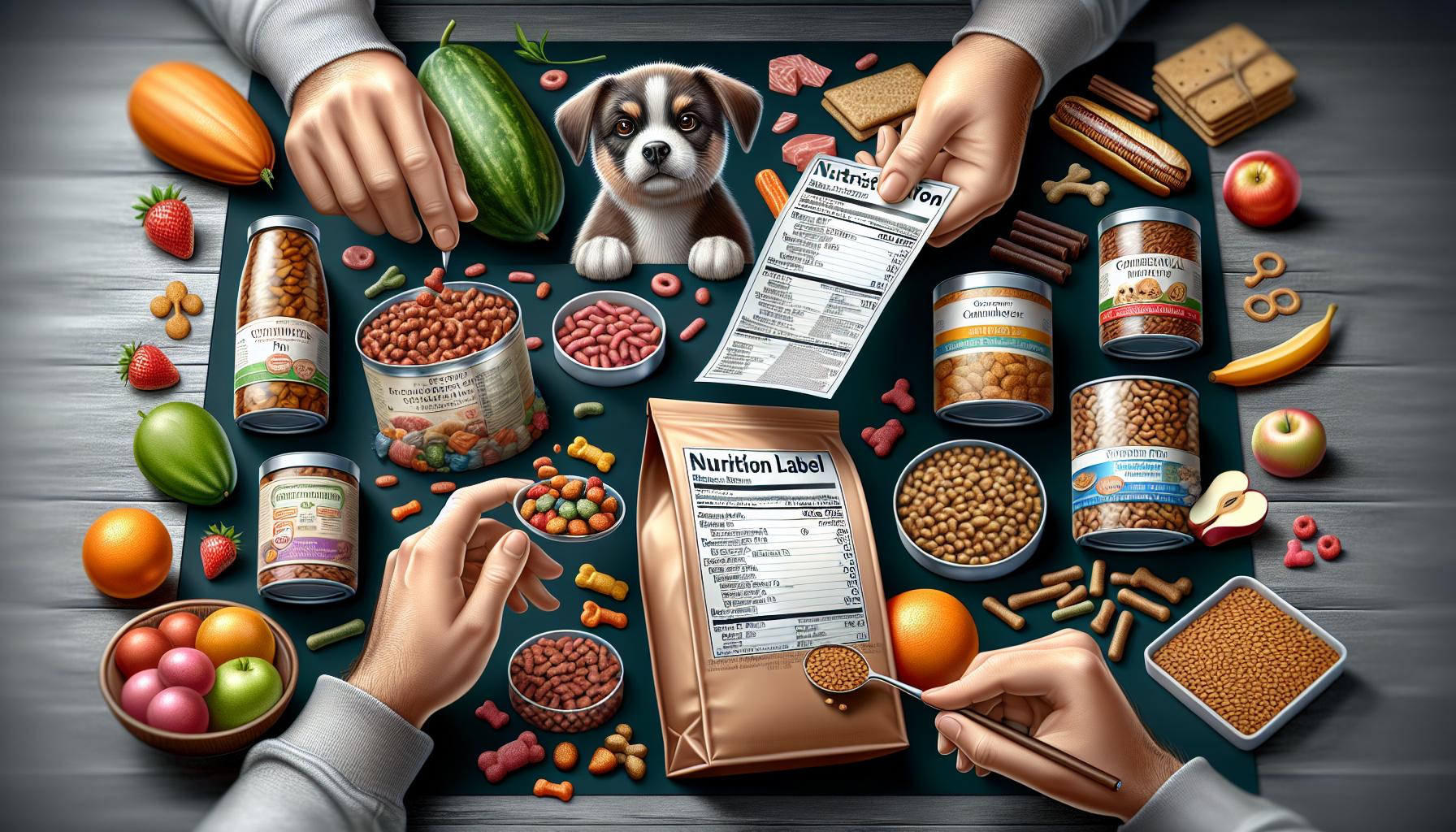
How Nutrition Affects the Mental and Behavioral Health of Pets
The Influence of Nutrition on Pet Behavior
The food our pets consume does more than just sustain their physical health; it plays a crucial role in their mental and behavioral well-being. Many pet owners are unaware that nutrition can directly influence emotions, cognitive function, and even behavioral issues. Understanding this connection can lead to holistic care approaches that enhance your pet’s quality of life.
Dietary Choices Matter
Just as in humans, a balanced diet rich in essential nutrients is vital for pets. Ingredients such as omega-3 fatty acids found in fish oil, antioxidants like vitamin E and C, and proteins from quality meat sources are not just macronutrients; they significantly contribute to a pet’s neurological health. For instance, fish is known to promote brain function, while antioxidants can combat oxidative stress in the body. This means that introducing a diet with ingredients such as salmon, blueberries, or spinach can have lasting positive effects on a pet’s behavior and overall mood.
Impact on Behavior
Certain ingredients can either soothe or stimulate, affecting pets’ anxiety and aggression levels. For example, diets that are high in carbohydrates may contribute to hyperactivity or anxiety in some pets, while those rich in complex carbohydrates and fibers can lead to stable energy levels. Additionally, research indicates that specific amino acids, like tryptophan, encourage the production of serotonin, known as the “feel-good” hormone. Therefore, adding turkey or eggs, which are high in tryptophan, may help calm anxious pets. It is intriguing to observe how subtle dietary changes can create significant shifts in behavior, ultimately enhancing the bond between pets and their owners.
Long-term Health
Consistent quality nutrition fosters healthier brains and reduces the risk of cognitive decline. As pets age, just like humans, cognitive function can deteriorate, leading to confusion, disorientation, and other issues commonly seen in senior pets. Recent studies have shown that pets fed with high-quality ingredients often exhibit better mood stability and improved cognitive functions. In fact, diets enriched with DHA, a type of omega-3 fatty acid, are associated with improved memory and learning abilities in aging dogs. This connection underscores the importance of investing in quality pet food that supports not only physical health but also mental sharpness.
By exploring the intersection of nutrition and mental health in pets, we can open a new dialogue about responsible pet ownership. The potential for dietary changes to improve behavioral issues offers an empowering solution for many pet owners grappling with anxiety or aggression in their companions. As we delve deeper into this subject, consider how nutritional advancements can revolutionize the way we care for our pets, paving the way for happier, healthier lives.
Embracing this understanding allows pet owners to make informed choices about their furry friends’ diets, emphasizing the importance of consulting with a veterinarian regarding nutritional needs that align with behavioral goals. Armed with this knowledge, we can empower ourselves to enhance our pets’ overall well-being and enrich the lives we share with them.
DIVE DEEPER: Click here to learn more
Understanding the Connection Between Nutrition and Pet Mental Health
As pet owners, the responsibility for our furry companions extends beyond providing basic sustenance—it’s about nurturing their overall wellness, including their mental and behavioral health. Emerging research is revealing the profound impact of nutrition on pets’ emotional states and behaviors, paving the way for deeper insights into how we can improve their lives through diet. To grasp the full influence of nutrition on our pets, we must consider the essential elements of their diets and the specific effects these can have on their mental well-being.
The Science Behind Nutrition and Behavior
At the core of this relationship lies a significant body of evidence suggesting that the right mix of nutrients can elevate a pet’s mood and improve behavioral responses. Here are some essential components that play critical roles:
- Omega-3 Fatty Acids: Found in fish oil, these essential fats are believed to reduce anxiety and depression in dogs and cats by promoting healthy brain function.
- Proteins: Amino acids derived from proteins are integral for neurotransmitter production. For example, an inadequate supply of tryptophan can hinder serotonin levels, leading to anxiety-related issues.
- Vitamins and Minerals: Nutrients like B vitamins and zinc are crucial for cognitive function and can impact mood stabilization. A deficiency in these vitamins may lead to behavioral problems.
- Antioxidants: These compounds can combat oxidative stress, which has been linked to cognitive decline. Incorporating antioxidant-rich foods may enhance mental clarity and overall cognitive health.
Behavioral Implications of Nutritional Gaps
Pet owners should be aware that imbalances or deficiencies in nutritional intake can manifest as undesirable behaviors. For instance, a diet lacking in essential fatty acids may lead to impulsivity and increased aggression. Conversely, a well-balanced diet can foster a more stable emotional state. The link between nutrition and behavior can be observed in various scenarios:
- Hyperactivity: Pets consuming high amounts of processed carbohydrates and sugars often exhibit hyperactivity, which is problematic for both them and their owners.
- Anxiety: Pets with diets low in omega-3 fatty acids have been noted to show heightened anxiety during stressful situations, such as thunderstorms or fireworks.
- Senior Pet Behavior: As pets age, the right diet can help alleviate confusion and restlessness often observed in elderly pets, demonstrating the importance of adapting their nutritional needs over time.
Understanding these behavioral implications emphasizes the need for quality nutrition tailored to each pet’s unique needs. By prioritizing wholesome ingredients, pet owners can take an active role in mitigating behavior issues and enhancing the emotional well-being of their beloved companions. Ultimately, the path to happier and more balanced pets begins with our choices in their diets.
Understanding the Impact of Nutrition on Pet Behavior
The relationship between nutrition and the mental and behavioral health of pets is a growing field of research that reveals how dietary choices profoundly influence our furry companions. Recent studies indicate that the right balance of nutrients can significantly enhance mood, cognitive functions, and overall well-being in pets, similar to how it affects humans.
Essential Nutrients for Mental Wellness
Certain vital nutrients play an essential role in promoting mental health in animals. For example, Omega-3 fatty acids, commonly found in fish oil, have been linked to reductions in anxiety and stress in pets. A study published in the *Journal of Animal Science* found that pets receiving an Omega-3 rich diet exhibited lower levels of aggressive behavior and improved social interactions.Additionally, B vitamins, especially B12 and folic acid, are known to support cognitive function. These vitamins aid in the production of neurotransmitters, the chemical messengers crucial for brain function. Ensuring that pets receive a diet rich in these nutrients fosters not only physical health but also enhances their ability to learn and adapt to new situations.
Behavioral Modulation through Diet
The role of diet in modifying behavioral issues is becoming increasingly recognized among pet owners and veterinarians alike. A well-balanced diet can help mitigate common problems such as separation anxiety and aggression. For instance, including essential amino acids like tryptophan promotes the production of serotonin, a neurotransmitter often known as the “feel-good” hormone.Pet owners are urged to consider the implications of processed foods, which may include fillers and artificial additives that can affect behavior negatively. Transitioning to a more natural, whole-food diet can result in observable improvements in a pet’s demeanor, energy levels, and willingness to engage in playful activities.By understanding these nutritional components, pet owners can better equip themselves to promote the overall mental and behavioral health of their beloved animals. As we delve deeper into the research, it becomes increasingly apparent that what we feed our pets has ramifications that extend far beyond the bowl. Thus, it’s essential to foster an appreciation for the intersection of nutrition and behavior in our pets’ lives, encouraging further conversations and investigations into this vital aspect of pet care.
| Nutrient Category | Impact on Behavior |
|---|---|
| Omega-3 Fatty Acids | Reduce anxiety, improve mood and social behavior |
| B Vitamins | Enhance cognitive function, support neurotransmitter production |
| Amino Acids | Promote serotonin production, thus reducing aggression |
Utilizing these insights can empower pet owners to make informed decisions about their pets’ diets, leading to happier and healthier lives for pets everywhere.
DISCOVER MORE: Click here to learn about pet adoption costs and responsibilities
The Role of Specific Nutrients in Enhancing Pet Behavior
The complexity of pet nutrition is not just in what to feed, but also in understanding how specific nutrients feed the mind and behavior of our canine and feline companions. To navigate this intricate landscape effectively, pet owners should consider several additional nutrients that can profoundly influence emotional and behavioral stability in pets.
Carbohydrates: A Double-Edged Sword
Carbohydrates serve as a crucial energy source, but their role in a pet’s mental health is more nuanced. Simple carbohydrates can lead to quick spikes in energy, which may result in hyperactivity and behavior changes. Instead, opting for complex carbohydrates, found in whole grains and vegetables, can help maintain steady energy levels and reduce erratic behavior. These slower-digesting carbs can stabilize blood sugar levels, contributing to a calmer demeanor in pets.
The Importance of Fiber
Fiber is often overlooked when discussing nutrition, yet it plays a vital role in the overall health of pets. A diet rich in fiber can aid in digestion and promote gut health, which is increasingly understood to impact mental health through the gut-brain axis. Studies show that pets with healthy digestive systems tend to exhibit lower levels of stress and anxiety. Foods high in fiber, such as pumpkin or sweet potatoes, not only support digestive health but can also help regulate mood and adaptability.
Probiotics and Gut Health
The gut microbiome is increasingly being recognized for its influence on mental health in both humans and pets. Probiotics, which are beneficial bacteria, can improve gut health and, consequently, have a positive impact on mood and behavior. Research indicates that pets given probiotics show reduced anxiety and improved resilience to stress. Incorporating probiotic-rich foods, or supplements into your pet’s diet can help foster a balanced gut microbiome, which in turn supports better mental health.
The Impact of Hydration on Mental Clarity
While often underemphasized, hydration is another key factor affecting a pet’s mental and behavioral health. Dehydration can lead to lethargy, disorientation, and irritability. It is essential for pet owners to ensure their pets are adequately hydrated, especially during hot weather or after vigorous exercise. Providing fresh, clean water consistently and fueling hydration with watery foods, such as fruits and certain vegetables, can bolster both cognitive function and overall well-being.
Tailoring Nutrition for Unique Behavioral Traits
Different breeds may have varying nutritional requirements based on their natural instincts and temperaments. For instance, working breeds may thrive on a high-protein diet to support their active lifestyles, fostering not only their physical health but also their mental engagement and satisfaction. On the other hand, more sedentary breeds might benefit from nutrient-dense formulations designed to prevent obesity, which can lead to lethargy and poor mental health. Customizing a pet’s diet to align with their behavioral traits can unlock their full potential for happiness and well-adjusted behavior.
Understanding the multifaceted relationship between nutrition and mental health equips pet owners to make informed dietary choices that directly influence their pets’ behavior. By proactively tailoring nutrition to address the specific needs of each pet, owners can foster a harmonious household and support their furry companions in achieving their best mental and emotional states.
LEARN MORE: Click here for valuable insights
Conclusion: The Power of Nutrition on Pet Well-Being
In conclusion, the profound impact of nutrition on the mental and behavioral health of pets cannot be overstated. As pet owners, understanding the intricacies of dietary components—ranging from carbohydrates, fiber, and probiotics to hydration—enables us to tailor our pets’ nutrition effectively. This tailored approach fosters not only physical well-being but also emotional stability and enhanced behavior.
Recent studies highlight the connection between gut health and mental well-being, showcasing how a diet rich in nutrients can alleviate stress, anxiety, and hyperactivity in our companions. Incorporating complex carbohydrates and fiber, alongside probiotic-rich foods, is essential for promoting a balanced gut microbiome and stable energy levels. Furthermore, meeting the unique nutritional needs of different breeds ensures that each pet is set on a path toward optimal health and behavior.
As we continue to learn about the links between nutrition and mental health, pet owners are equipped with knowledge to make informed choices. By prioritizing the dietary needs of our furry friends and adapting their nutrition to fit their specific behavioral traits, we can significantly enhance their quality of life. It is crucial to view nutrition as a foundation for emotional and mental wellness, empowering us to cultivate a nurturing environment that fosters happiness and harmony in our households.
As you reflect on your pet’s diet, consider exploring more about the positive effects of specific nutrients on mental health. The journey towards understanding how nutrition can change the behavioral landscape for pets is not only enlightening but also an essential step in nurturing our beloved companions.