
The Relationship Between Vaccination and Veterinary Visits: What You Need to Know
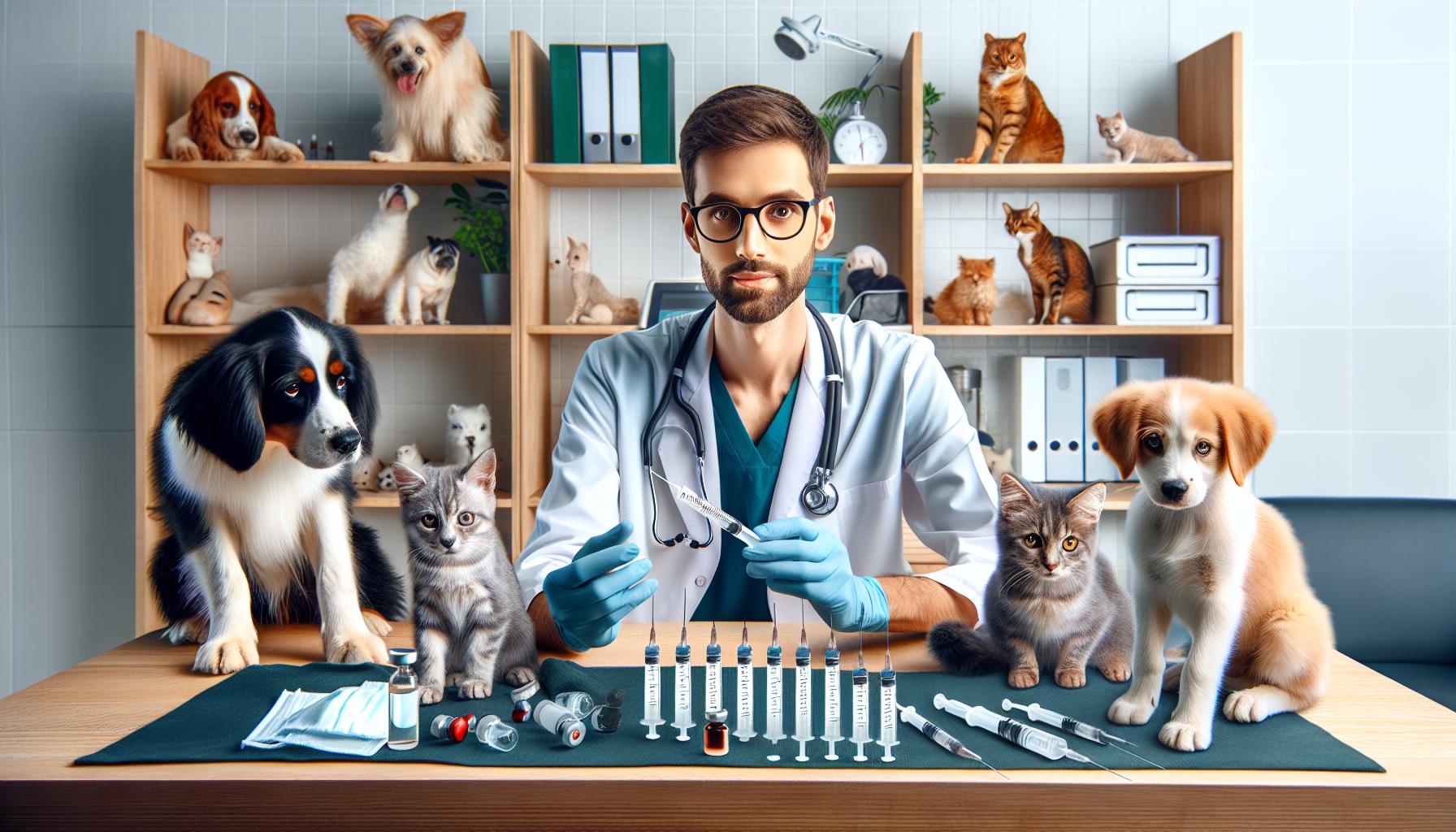
Understanding the Crucial Connection
The world of pet care is intricate, with many intertwined factors influencing the health and well-being of our furry companions. One major aspect that pet owners often consider is the significance of vaccination. Beyond just vaccines, regular veterinary visits play a pivotal role in ensuring a pet’s overall health. A comprehensive approach blending both vaccination and routine check-ups can significantly enhance the longevity and quality of life for pets.
Why Vaccination Matters
Vaccination is vital for preventing various infectious diseases in pets, which can have serious consequences if left untreated. The following points highlight the importance of vaccinating your furry friend:
- Protection against serious illnesses: Vaccines safeguard pets from potentially fatal diseases such as rabies, distemper, and parvovirus. For instance, parvovirus is highly contagious among dogs and can lead to severe illness, often requiring hospitalization.
- Assurance that your pet is safe around other animals: Many public places, such as parks and boarding facilities, require pets to be vaccinated to prevent the spread of infectious diseases. This not only protects your pet but also helps in safeguarding the health of the broader pet community.
- Compliance with local laws regarding pet vaccination: In various states, certain vaccinations are legally mandated. For example, rabies vaccinations are required in many areas, which mandates pet owners to keep their pet’s vaccinations up-to-date.
The Role of Veterinary Visits
Veterinary visits are integral to a pet’s healthcare routine, serving as the foundation for effective health management. Here’s why these visits are essential:
- Regular check-ups help in detecting health issues early: Many health problems in pets develop silently. Through routine examinations, veterinarians can identify signs of underlying issues, such as dental disease or obesity, before they escalate.
- Veterinarians offer guidance on preventative care and proper nutrition: A veterinarian can tailor advice based on your pet’s breed, age, and lifestyle, recommending suitable diets, exercise routines, and other preventive measures to enhance your pet’s well-being.
- They ensure that vaccination schedules are up-to-date and appropriate for your pet’s age and lifestyle: A veterinarian tracks your pet’s vaccination history and can recommend boosters or additional vaccines based on regional risks or lifestyle factors, like exposure to other animals.
Understanding the relationship between vaccination and veterinary visits is essential for every pet owner. By prioritizing these elements of pet care, you not only enhance your pet’s health but also foster a nurturing environment that can lead to a lifespan that is richer and longer. As we delve deeper into this article, you will discover invaluable insights that could shape your pet care approach, allowing you to provide the best possible life for your furry companion.
DISCOVER MORE: Click here to learn about popular dog breeds’ temperaments
Connecting Health and Preventative Care
When it comes to the health of our pets, understanding the synergy between vaccination and veterinary visits is paramount. These two components are not merely separate facets of pet care; they work together to lay the foundation for a healthy, happy life. Grasping this relationship aids pet owners in making informed decisions and prioritizing their furry friends’ needs.
A Tailored Approach to Vaccination
Vaccination is not a one-size-fits-all solution. As pets age and their lifestyle changes, the type and frequency of vaccinations may also need to be adjusted. Here’s a deeper dive into vaccination considerations:
- Age-appropriate vaccines: Puppies and kittens require a series of vaccinations that protect against viruses and diseases they are particularly susceptible to. This bootstraps their immune system while they are still developing.
- Core and non-core vaccines: Core vaccines, such as those for rabies and distemper, are essential for all pets, while non-core vaccines, such as those for Lyme disease, may be recommended based on your pet’s exposure risk and geographical location.
- Booster shots: Regular veterinary visits are crucial for ensuring pets receive timely booster shots, enhancing the effectiveness of their vaccines and keeping them safe from diseases.
Additionally, staying updated on vaccination schedules is essential, as regulations vary by state. For instance, certain cities may have stricter laws regarding rabies vaccinations, emphasizing the need for pet owners to remain abreast of their local regulations. This diligence protects not only the pet but also the community at large.
Veterinary Visits as a Health Compass
While vaccinations serve a crucial role, they are just one piece of the puzzle. Incorporating regular veterinary visits into your pet care routine provides comprehensive health insights and preventive measures that vaccinations alone cannot. Consider the following aspects of routine veterinary care:
- Holistic health assessments: During a veterinary visit, a veterinarian conducts thorough check-ups, examining not only the overall physical health but also assessing mental and emotional well-being.
- Health screenings: Testing for common ailments or chronic conditions is a key part of preventive care. Early detection of issues such as diabetes or kidney disease can lead to more successful treatment.
- Behavioral assessments: Sometimes, changes in behavior can hint at underlying health issues. Regular visits enable veterinarians to identify and address these concerns proactively.
In this era of comprehensive pet care, viewing vaccination as part of a larger health strategy involving veterinary visits creates opportunities for better health outcomes. By fostering an environment where pet health is prioritized and monitored, pet owners can ensure that their companions live vibrant, healthy lives. As we proceed further in this exploration, we will uncover more insights that could shape your strategies and priorities surrounding pet care.
The Importance of Vaccination in Veterinary Medicine
Vaccination plays a pivotal role in maintaining the health of pets and preventing various diseases. Vaccines work by stimulating the immune system, allowing pets to develop immunity against specific pathogens without enduring the actual illness. Veterinary visits should ideally coincide with vaccination schedules to ensure pets receive timely shots that can safeguard them from serious and potentially fatal diseases. Common vaccines for dogs and cats include those against rabies, parvovirus, and feline leukemia. Each of these vaccines addresses serious diseases that could lead to widespread outbreaks if not managed effectively through vaccination programs. Additionally, regular veterinary visits support not only vaccination but allow for overall health assessments, enabling early detection of health issues before they escalate.Furthermore, pet vaccinations contribute to herd immunity, protecting not just individual pets but communities as a whole. When a significant portion of the pet population is vaccinated, it reduces the likelihood of disease outbreaks, creating a safer environment for both pets and their owners. It’s crucial for pet owners to understand that vaccination is not a one-time event but a continual process that requires regular veterinary attention, as the effectiveness of vaccines can diminish over time. Regular check-ups ensure that pets are not only receiving the necessary booster shots but also that they are monitored for adverse reactions and overall health. In the following sections, we will explore how veterinary visits can maximize the benefits of these vaccines and discuss the implications of vaccination-related trends in our furry companions.
| Vaccination Type | Benefits |
|---|---|
| Core Vaccines | Protect against life-threatening diseases |
| Non-Core Vaccines | Customized protection based on lifestyle and environment |
Veterinary professionals can provide valuable insights into which vaccinations are necessary for different breeds, ages, or health conditions, ensuring that pets receive individualized care tailored to their specific needs. By prioritizing veterinary visits in conjunction with vaccinations, pet owners can significantly enhance their pets’ quality of life and longevity.
DISCOVER MORE: Click here to find the perfect veterinary clinic for your pet
The Role of Preventative Medicine in Fostering Health
Preventative medicine is an essential pillar in maintaining the overall health of pets. The intersection between vaccination and veterinary visits goes beyond just avoiding contagious diseases; it nurtures a holistic approach that emphasizes long-term wellness. Pet owners should recognize that this proactive paradigm helps detect issues sooner and mitigate health risks.
Understanding the Importance of Regular Health Checks
Regular veterinary visits should offer more than just vaccination updates; they represent vital opportunities for comprehensive health evaluations. Here are some key reasons why these visits are crucial:
- Dental Health Checks: Oral health is often overlooked, yet it is critical for overall wellbeing. Regular dental cleanings and evaluations can prevent severe health issues stemming from periodontal disease, which can impact the heart and other organs.
- Weight Management: Obesity in pets is a growing concern. A veterinarian can provide tailored dietary and exercise recommendations, helping to prevent obesity-related diseases such as diabetes and arthritis.
- Nutritional Guidance: As pets grow and change, so do their nutritional needs. Routine veterinary visits allow for discussions regarding the best diet suited for a pet’s stage of life, breed, and any health conditions they may have.
The Connection Between Vaccination and Broader Health Issues
Veterinary visits also play a pivotal role in linking vaccination to broader health concerns. Each vaccination may have implications that extend beyond immediate protection. Pet owners should remain vigilant about:
- Vaccine Reactions and Side Effects: Understanding potential adverse reactions is essential. Regular veterinary visits provide a platform to discuss these concerns and monitor any unusual behaviors following vaccinations.
- Co-Management of Multiple Health Conditions: For pets with pre-existing health issues, vaccinations might require special attention. A veterinarian’s insight helps in adjusting vaccination schedules and types to ensure that the pet remains protected without compromising their health.
- Community Health Implications: Vaccinating pets not only protects individual animals but also helps prevent the spread of zoonotic diseases to humans. Regular veterinary engagement allows for discussions on public health risks and community safety regarding diseases such as rabies and leptospirosis.
It is becoming increasingly clear that the relationship between vaccination and veterinary visits is a dynamic one. Each visit is an opportunity not only to keep vaccinations up to date but also to gain insights into a pet’s overall health landscape. By fostering a close working relationship with a veterinarian, pet owners can cultivate a proactive approach that prioritizes their pet’s health.
Leveraging Technology in Veterinary Care
With advancements in veterinary medicine and technology, pet owners now have more resources than ever to manage their pets’ health. Online portals and apps can help track vaccination schedules, schedule veterinary appointments, and access health records digitally. This ease of access enhances the importance of regular veterinary visits, allowing for timely vaccinations and health assessments.
Incorporating technology into pet care can also foster better communication between pet owners and veterinary professionals, ensuring that questions and concerns are addressed promptly. Adopting a tech-savvy approach alongside regular veterinary visits and vaccinations can create a comprehensive care plan tailored to your pet’s unique needs.
As pet care continues to evolve, understanding and embracing the interdependence of vaccination and veterinary visits empowers pet owners to safeguard their companions’ health more effectively.
DON’T MISS: Click here for valuable insights
Conclusion: Emphasizing a Collaborative Approach to Pet Health
In summary, the relationship between vaccination and veterinary visits is not merely transactional; it embodies a comprehensive approach to pet health that engages pet owners in proactive management. Regular veterinary visits that include vaccinations provide invaluable opportunities for early disease detection and allow for tailored health plans that address each pet’s unique needs. Beyond just shielding against infectious diseases, vaccinations offer an entry point into a broader dialogue about overall wellness, encompassing issues like dental health, weight management, and nutritional guidance.
Furthermore, pet owners should not overlook the significance of maintaining open communication with their veterinarians. This collaboration extends to monitoring vaccine reactions, managing pre-existing health conditions, and understanding the implications of vaccinations on community health. With the landscape of veterinary care evolving through technological advancements, resources are increasingly available to assist in tracking vaccination schedules and health records, thereby ensuring pets receive timely care.
Ultimately, ensuring the health and well-being of our pets is a shared responsibility. By recognizing and acting on the interconnected roles of vaccination and regular veterinary visits, pet owners can cultivate a holistic strategy that prioritizes their furry companions’ long-term health outcomes. With a commitment to preventative care and a proactive mindset, the responsibility of ensuring your pet’s wellness becomes a collaborative effort between owner, veterinarian, and the resources available in modern veterinary medicine.