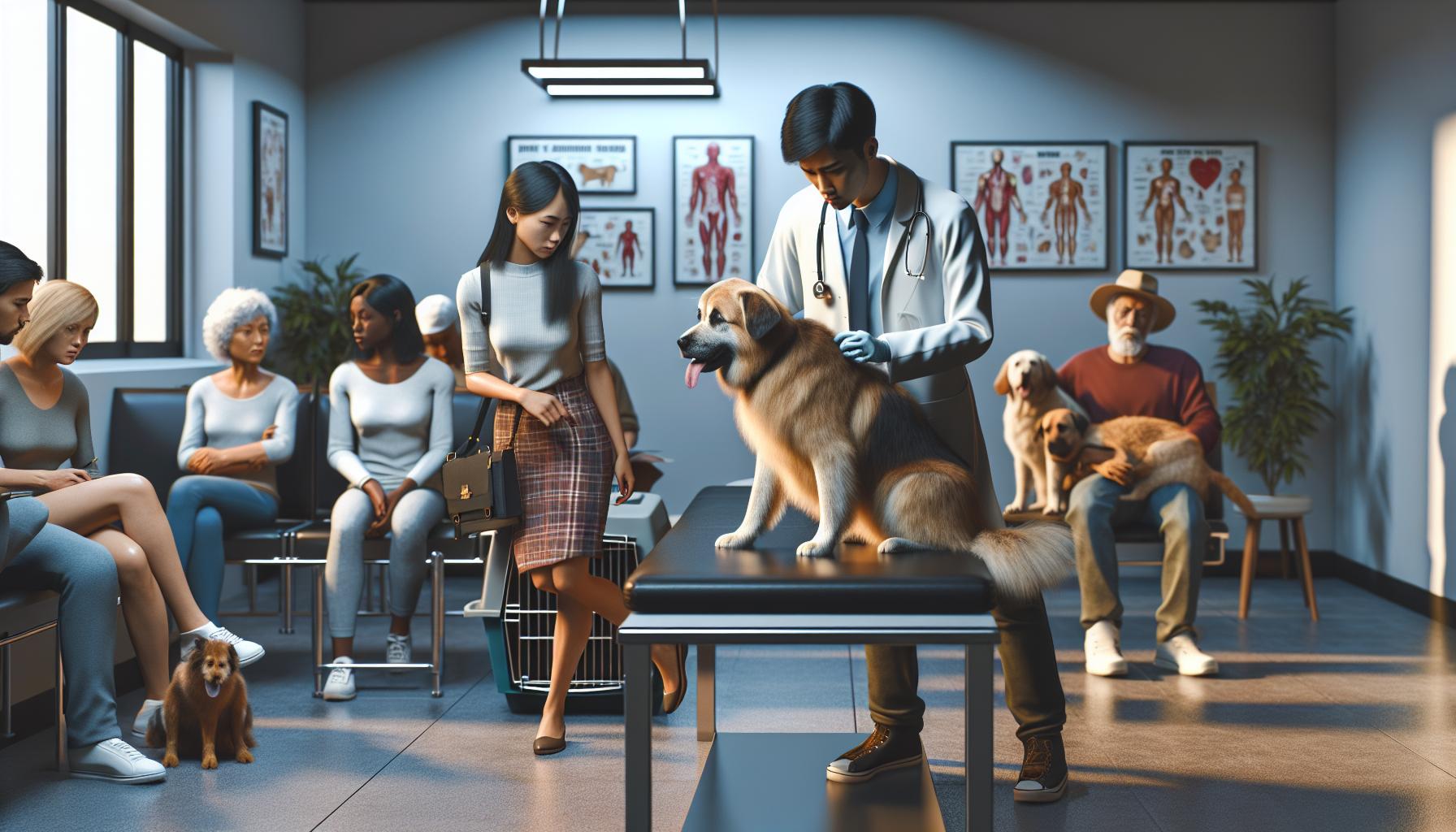
The Role of Veterinary Visits in Preventive Care for Aging Pets

The Crucial Role of Regular Veterinary Care
As pets advance in age, their healthcare needs intensify, necessitating diligent attention to avert potential health complications. Regular veterinary visits serve as an essential part of this care regimen, ensuring that aging companions receive the appropriate interventions to sustain their health and vitality. These check-ups not only track the progression of existing conditions but also play a pivotal role in the early detection of age-associated ailments, often culminating in better outcomes and enhanced lifespans.
Preventive Care for Lifelong Health
One of the most significant aspects of routine veterinary visits is preventive care. This proactive approach is designed to mitigate health risks before they evolve into more severe concerns. For instance, regular screenings can help identify issues such as diabetes or kidney disease in its infancy, enabling timely treatment and management. In a study conducted by the American Veterinary Medical Association, it was found that pets who received regular check-ups lived, on average, 20% longer than those that did not.
Comprehensive Assessments and Evaluations
Another benefit of these visits is the comprehensive assessments provided by veterinary professionals. These evaluations go beyond a simple physical check; they consider changes in behavior, weight fluctuations, and overall vitality. For example, an unnoticed decrease in activity level could signal arthritis or pain, often masked by a pet’s instinct to hide discomfort. Identifying such changes early can lead to tailored treatment plans that significantly enhance a pet’s quality of life.
Vaccinations and Protection Against Disease
Regular veterinary visits also ensure that pets receive necessary vaccinations to guard against prevalent diseases. In the United States, conditions like rabies, parvovirus, and distemper pose significant risks to pets. Keeping these vaccinations up to date is crucial not just for individual health but also for community safety, as many of these diseases can spread rapidly among unvaccinated animals.
Nutritional Guidance Tailored for Aging Pets
As pets age, their dietary requirements shift, necessitating nutritional guidance from veterinarians. Older pets may require diets lower in calories but enriched with joint-supportive supplements to counteract the effects of aging. Discussing these needs with a vet can lead to tailored feeding plans that address specific health challenges, further contributing to a pet’s overall wellbeing.
In a nation where pets are considered beloved family members, acknowledging and understanding the significance of regular veterinary care cannot be overstated. Making veterinary check-ups a routine part of pet care not only improves your furry friend’s health but can also lead to a longer, more fulfilling life. Take the time to investigate how these proactive measures can make a profound difference in your pet’s golden years.
DIVE DEEPER: Click here to learn why it’s crucial
Essential Components of Preventive Care
Preventive care is often the unsung hero of managing the health of aging pets, playing a vital role in ensuring their comfort and longevity. When veterinarians conduct routine evaluations, they not only observe physical health, but they also provide critical insights into the preventive measures that can keep pets thriving as they grow older. By fostering a comprehensive preventive care strategy, pet owners can significantly enhance their companions’ quality of life and potentially avoid costly medical interventions later on.
Early Diagnostics and Monitoring
One of the most profound advantages of regular veterinary visits is the emphasis on early diagnostics and continuous health monitoring. As pets age, they may become susceptible to a myriad of health issues, such as heart disease, hyperthyroidism, or cognitive dysfunction syndrome. Regular check-ups facilitate a proactive approach, allowing veterinarians to utilize diagnostic tools such as:
- Blood tests: These are crucial for evaluating organ function and detecting metabolic or hormonal changes.
- X-rays and ultrasounds: Imaging techniques enable vets to uncover hidden abnormalities in bones and internal organs.
- Urinalysis: This helps track kidney function and diagnose urinary tract infections, which are particularly common in older pets.
Engaging in these diagnostic procedures at routine veterinary visits sets the stage for achievable health goals and can significantly curtail the progression of diseases.
Behavioral and Lifestyle Assessments
Regular veterinary visits also lend themselves to assessing the behavioral and lifestyle changes that come with aging. Older pets tend to experience changes in activity levels, sleep patterns, and even social interactions. Vets often inquire about:
- Changes in appetite: A shift in eating habits could indicate dental issues or gastrointestinal distress.
- Increased thirst: This symptom can hint at diabetes or kidney problems.
- Changes in temper or anxiety levels: Older pets may become more withdrawn or anxious, which could point to cognitive decline.
Addressing these changes during veterinary check-ups allows for timely interventions, whether through behavioral therapy, environmental modifications, or medication.
Collaboration in Care
Another key aspect of preventive care during veterinary visits is the establishment of a collaborative relationship between pet owners and their veterinarians. Pet owners are encouraged to actively participate in their pet’s healthcare decisions, discussing concerns openly and considering veterinarians’ recommendations. This partnership becomes paramount during the later years of a pet’s life, as the right decisions can greatly influence their health trajectory. From discussing pain management options to exploring complementary therapies, strong collaboration empowers pet owners to make informed choices that enhance their beloved companions’ well-being.
As individuals dedicated to the welfare of their pets, it is pivotal to grasp the extensive benefits that routine veterinary visits offer. Through early detection, comprehensive evaluations, and collaborative care, preventive visits can lead to a healthier and more vibrant life for aging pets, highlighting the undeniable role that veterinary partnerships play in ensuring their golden years are truly golden.
The Importance of Regular Veterinary Visits
Regular veterinary visits play a crucial role in the preventive care of aging pets. As pets enter their senior years, they become more susceptible to various health issues, making routine check-ups essential. These visits allow veterinarians to monitor changes in a pet’s health and catch potential problems early. According to studies, early detection can significantly improve treatment outcomes and enhance your pet’s quality of life. Veterinary visits provide pet owners with the opportunity to discuss any behavioral changes, dietary needs, or concerns that might arise as their pets age. For instance, a shift in eating habits or an increase in lethargy can be signs of underlying health issues, such as kidney disease or arthritis. By consulting a veterinarian, owners can obtain tailored recommendations that will better suit their pet’s evolving needs.Moreover, vaccinations and preventive medications are critical components of veterinary visits. Aging pets are at a higher risk for vaccine-preventable diseases, which can lead to severe complications. Keeping up with vaccinations not only protects your pet but also contributes to overall public health by reducing the spread of infectious diseases. Nutrition is another area where veterinarians can offer valuable insights. Aging pets often necessitate dietary adjustments to maintain a healthy weight and support vital bodily functions. By ensuring your pet has access to a balanced diet rich in essential nutrients, you can help mitigate age-related health complications.Additionally, regular dental check-ups should not be overlooked. Dental health is closely linked to overall health, and aging pets are particularly prone to periodontal disease. Routine dental care can prevent not only painful oral issues but also systemic health problems associated with poor dental hygiene.The impact of veterinary care extends beyond physical health. Routine visits provide peace of mind for pet owners, knowing that their furry companions are receiving a thorough evaluation. Investing in preventative veterinary care is not merely about addressing existing issues; it is about fostering a proactive approach to enhance your aging pet’s life quality.These insights underscore the significance of making veterinary visits a priority as pets age. By staying informed and cooperating with veterinary professionals, pet owners can significantly improve their aging pets’ longevity and overall wellness. The commitment to regular veterinary care is a true testament to responsible pet ownership.
| Advantages of Veterinary Visits | Key Benefits |
|---|---|
| Early Detection of Health Issues | Identifying symptoms early can lead to more effective treatment options. |
| Tailored Nutritional Guidance | Veterinarians provide expert advice on safe and healthy diets for aging pets. |
| Preventive Vaccinations | Ensuring vaccinations are up to date helps protect aging pets from diseases. |
| Dental Health Maintenance | Regular check-ups can prevent oral diseases that impact overall health. |
This detailed approach forms a foundation for understanding the importance of routine veterinary care in ensuring the well-being of aging pets. As we delve deeper into the specifics of preventive treatments, it’s essential to recognize that knowledge empowers responsible decisions for our beloved companions.
DON’T MISS: Click here for essential tips
Nutrition and Weight Management
One critical component of preventive care that is often overlooked is proper nutrition and weight management for aging pets. As pets transition into their senior years, their metabolic rates change, which can lead to weight gain and associated health problems such as obesity, diabetes, and arthritis. Routine veterinary visits provide owners with the opportunity to discuss dietary adjustments tailored to their aging pets’ unique needs.
Veterinarians may recommend specific diets that focus on high-quality protein to maintain muscle mass while managing caloric intake. This is especially important for older dogs and cats, who may not require as many calories as they did in their younger years but still need essential nutrients to support their overall health. Additionally, incorporating supplements, such as Omega-3 fatty acids, can help combat inflammation and promote healthy coat and skin.
Aside from dietary changes, veterinarians also stress the importance of weight management. Tools like body condition scoring can help assess whether a pet is underweight, optimal, or overweight. Establishing a balanced exercise routine, even for seniors with mobility issues, is essential. Options such as gentle walks or swimming can keep pets active while minimizing the risk of injury, all while strengthening the bond between pet and owner.
Vaccination and Preventive Medications
As pets age, their immunities may weaken, making them more susceptible to diseases that younger pets could combat with greater efficacy. Regular veterinary visits are crucial for ensuring that vaccinations and preventive medications are up to date. Just like young animals, senior pets require protection against common, yet potentially lethal, illnesses such as rabies and bordetella. It is vital for pet owners to remain informed about vaccination schedules and any changes recommended by veterinarians, given that older pets might require a different approach to immunization.
- Parasite Control: Regular check-ups provide opportunities to discuss parasite prevention, including heartworm, fleas, and ticks. Aging pets can suffer from severe adverse effects from these parasites, making preventive measures even more important.
- Dental Care: Oral hygiene often deteriorates with age, increasing the risk of periodontal disease, which can lead to chronic pain and other health complications. Discussing dental cleanings or at-home dental care options during veterinary visits can help mitigate these risks.
Behavioral Health and Cognitive Wellness
Behavioral health is another aspect of preventive care that cannot be ignored as pets age. Signs of cognitive dysfunction syndrome (CDS) can manifest as confusion, disorientation, and changes in sleeping patterns. During check-ups, veterinarians can assess signs of cognitive decline and suggest appropriate interventions or therapies to help manage symptoms. For instance, environmental enrichment strategies can stimulate an aging pet’s mind and enhance their sense of well-being.
Moreover, veterinarians can provide valuable insights on stress reduction techniques that can help improve an aging pet’s quality of life. This might include recommendations for calming supplements or toy options designed to keep older pets mentally and physically engaged. The proactive identification and management of behavioral changes ensure that pets not only live longer but also enjoy a satisfying and enriched life.
Ultimately, regular visits to the veterinarian serve as a foundation for a holistic approach to preventive care for aging pets. With a focus on nutrition, vaccinations, and cognitive wellness, proactive veterinary care is crucial in navigating the complexities that arise as beloved companions enter their golden years.
DISCOVER MORE: Click here to learn about the role of social media in pet adoption</p
Conclusion
In conclusion, the role of veterinary visits in the preventive care of aging pets cannot be overstated. These regular check-ups are pivotal in managing the complex health needs of our furry companions as they age. From nutrition and weight management to vaccinations and parasite control, each visit offers an opportunity to tailor approaches that enhance the quality of life for senior pets. As their bodies and behavioral health evolve, early detection and intervention become essential in addressing issues ranging from mobility challenges to cognitive decline.
Veterinarians serve as invaluable partners in this journey, equipped with the knowledge and tools to recommend dietary changes, exercise regimens, and lifestyle adjustments that cater specifically to the unique challenges faced by aging animals. Moreover, enhancing home care through dental hygiene and cognitive wellness strategies underscores the importance of a comprehensive approach to pet health.
Pet owners should take proactive steps to ensure their aging pets receive the attention and care needed to navigate their golden years comfortably. By maintaining consistent veterinary visits, pet owners can equip themselves with the knowledge to advocate for their pets’ health. Ultimately, preventing illness is not just about extending lifespan but enhancing the quality of life, ensuring that our beloved companions enjoy their senior years to the fullest. The commitment to regular veterinary care is a commitment to a happier, healthier life for aging pets.