
What to Expect During Your Pet’s First Visit to the Veterinarian
Preparing for Your Pet’s First Veterinary Appointment
Your pet’s inaugural visit to the veterinarian is a crucial stepping stone on your journey towards responsible pet ownership. This visit is not merely a routine check-up; rather, it serves as an essential opportunity to establish a solid foundation for your furry friend’s health and well-being. Being equipped with knowledge of what to expect can significantly ease your apprehensions and help facilitate a seamless experience.
As the day approaches, many pet owners find themselves with numerous questions about the procedures and processes involved during this first encounter. To ensure you are fully prepared, consider the following key aspects:
- Health History: Gather comprehensive information about your pet’s past medical history, including any prior illnesses, surgeries, or medications. Additionally, be prepared to discuss your pet’s diet and any behavioral concerns you have observed. This data can offer valuable insights to the veterinarian, helping them to tailor their approach to your pet’s unique needs.
- Physical Examination: During the visit, the veterinarian will conduct a thorough physical examination. They will assess essential health indicators such as weight, heart rate, temperature, and overall condition. This examination is crucial as it provides a baseline for future visits and can help identify any potential health issues early on.
- Vaccinations: Expect an in-depth conversation regarding necessary vaccinations. Vaccination schedules can vary based on your pet’s age, breed, and lifestyle. For instance, if your dog is frequently exposed to other animals, they may require specific vaccines to protect against diseases like parvovirus and kennel cough.
- Preventive Care: Preventive care is an essential aspect of your pet’s health regimen. Your veterinarian might discuss strategies for flea and tick prevention, heartworm medication, and dental health care—areas that are often overlooked yet critical in maintaining overall health. Understanding these preventive measures can save you and your pet from more significant issues down the line.
- Questions: It’s essential to come prepared with a list of questions. Whether you’re curious about nutrition, training techniques, or specific health concerns, asking questions can help deepen your understanding of your pet’s needs. Engaging in this dialogue with your veterinarian ensures that you receive clear guidance, establishing you as an informed advocate for your pet’s health.
By taking the time to prepare adequately, you will not only bolster your confidence but also ensure that your pet receives the comprehensive care they deserve. Remember, your veterinarian is a trusted partner, equipped to support you in nurturing a healthy, happy life for your pet for years to come. As you embark on this journey, know that being proactive about your pet’s health sets the stage for a fulfilling and joyful relationship.
LEARN MORE: Click here to discover the pros and cons
What Happens During the Appointment
Understanding what transpires during your pet’s first visit to the veterinarian can alleviate anxiety and set realistic expectations. Upon arrival at the veterinary clinic, you will most likely check in at the reception desk, where you will provide basic information about your pet, including their name, age, breed, and any relevant medical history. This is a critical setup phase that primes the veterinary team to prepare for your consultation.
Once checked in, you may be asked to wait briefly in the waiting area. This space is designed to be comfortable, yet it’s essential to take note of the surroundings. Your pet can often pick up on the vibe in the room. Therefore, monitoring the other animals and ensuring your own pet remains calm is advised, as some animals may exhibit signs of stress during this initial introduction to a veterinary environment.
The Examination Room Experience
When it’s your turn, a veterinary technician usually escorts you and your pet to the examination room. Here, you can expect to see an array of instruments and equipment, all intended for your pet’s health assessment. The veterinarian will join you shortly thereafter, typically accompanied by a friendly demeanor to make the experience less intimidating for both you and your pet.
During the appointment, the veterinarian will conduct a comprehensive veterinary examination that could take 20 to 30 minutes. This encompasses several steps:
- Observation: The veterinarian will begin by observing your pet’s general demeanor, assessing their comfort level and activity. This initial observation can often reveal valuable insights into your pet’s health.
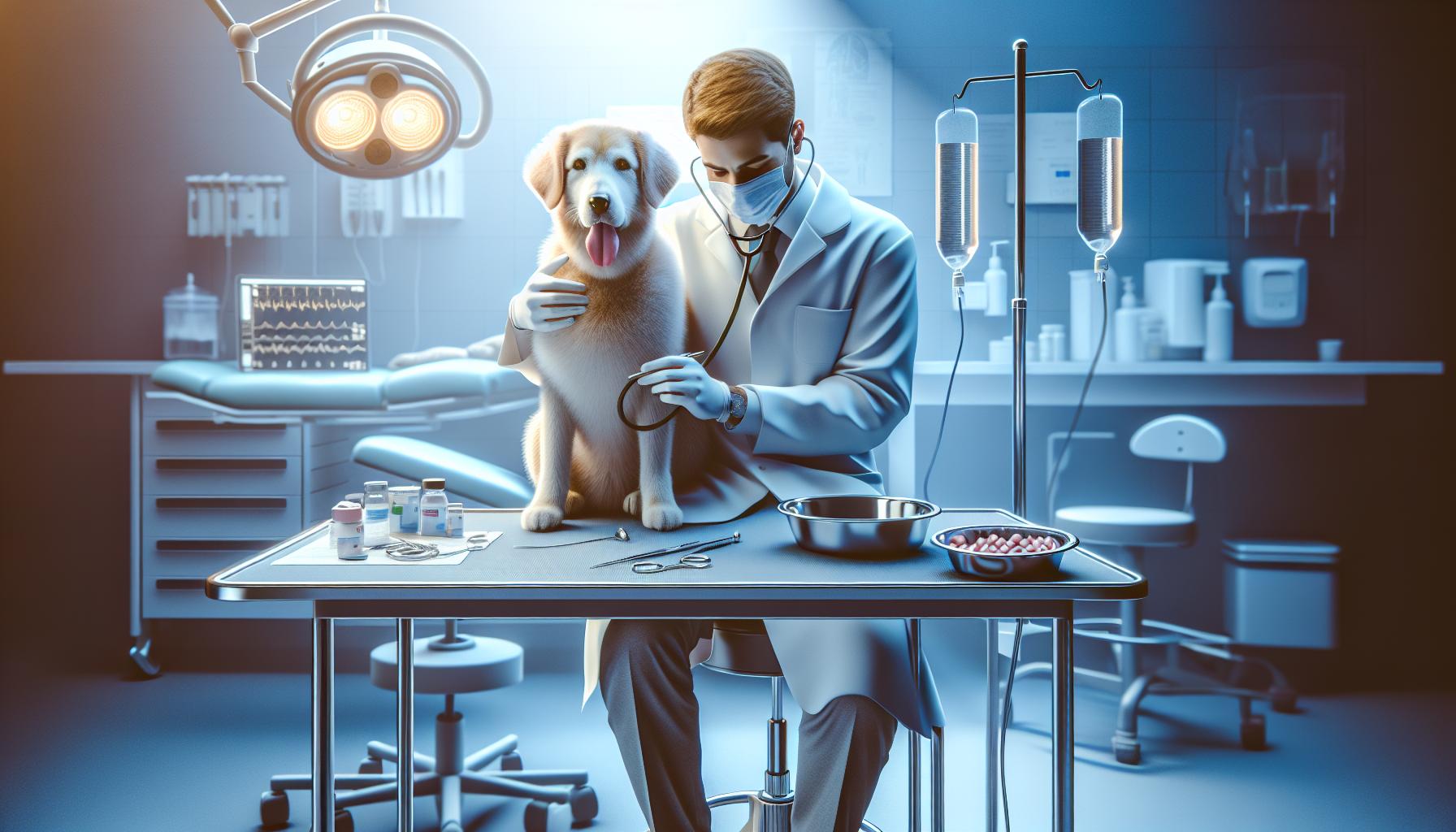
- Hands-on Examination: Next, the veterinarian will physically examine your pet. They will inspect the skin, coat, and eyes, check dental hygiene, palpate the abdominal area, and evaluate the heart and lungs through a stethoscope. This thorough assessment is a cornerstone of your pet’s health evaluation.
- Development of a Health Plan: After completing the examination, the veterinarian will discuss their findings with you. This conversation is pivotal as it helps establish an individual health plan tailored to your pet’s needs, including any necessary vaccinations, preventive treatments, and lifestyle recommendations.
- Addressing Your Concerns: As a pet owner, posing questions about your pet’s health, behavior, and care is fundamental during this visit. The veterinarian is there to provide clarity and guidance, allowing you to leave the appointment feeling informed and empowered.
This initial visit is not only a critical step in ensuring that your pet is healthy but also a valuable opportunity to forge a relationship with your veterinarian. Establishing trust and open communication now lays the groundwork for all future visits. This partnership will prove invaluable as you navigate various stages of your pet’s life together, ensuring you are well-versed in their health needs and general well-being.
What to Expect During Your Pet’s First Visit to the Veterinarian
When you take your beloved pet to the veterinarian for the first time, it’s essential to understand that this visit can be a significant experience for both you and your furry companion. The environment can be overwhelming due to various sounds, smells, and the presence of other animals. However, preparation can make this journey smoother. Initially, the veterinarian will conduct a general health assessment, which may include checking your pet’s vital signs such as temperature, pulse, and respiration rate. Being well-acquainted with your pet’s medical history is crucial; bringing previous vaccination records or any health concerns to the appointment can facilitate this process.The veterinarian may also discuss preventative care options, such as vaccinations, parasite control, and spaying or neutering if not done. Each pet has unique health needs, and the vet can tailor recommendations based on your specific breed and age. It’s a good practice to ask questions about diet and wellness plans during this visit.Additionally, your vet may perform a physical examination, looking at your pet’s coat, eyes, ears, and teeth. This step is essential to ensure your pet is healthy and to detect any underlying conditions early. Remember that the vet’s office is a place for learning, so don’t hesitate to voice any concerns or curiosities you may have regarding your new family member.To enhance your understanding of this experience, we present a structured table regarding the advantages of understanding what happens during your pet’s appointment:
| Category | Details |
|---|---|
| Initial Health Assessment | Vital signs are checked to ensure your pet is healthy. |
| Preventative Care Education | Discussion on vaccinations and health plans tailored for your pet. |
| Physical Examination | Comprehensive checks for any health issues, establishing a baseline. |
Understanding these aspects will help ease the potential anxiety surrounding your pet’s first veterinary visit while ensuring that you make informed decisions about their healthcare journey.
DISCOVER MORE: Click here for insights on choosing the perfect food for your pet
Vaccinations and Preventative Care
One of the primary objectives during your pet’s first visit to the veterinarian is to discuss and administer vaccinations. Vaccines play a crucial role in safeguarding your pet against various infectious diseases that could pose serious health risks. The veterinary team will assess your pet’s health status and vaccination history and recommend a tailored vaccination schedule for your furry friend. Common vaccinations may include those for rabies, distemper, parvovirus, and kennel cough, among others.
As a pet owner, it is essential to understand how these preventative measures not only protect your pet but also contribute to public health. For instance, rabies is a zoonotic disease that poses a significant threat to humans and animals alike. By vaccinating your pet, you’re playing a part in controlling the spread of these diseases in your community.
Choosing the Right Nutrition and Diet
During your visit, you will also have the opportunity to discuss nutrition and diet, which are vital components of your pet’s overall health. The veterinarian may inquire about your pet’s current diet, including what type of food you’re providing and your pet’s eating habits. Based on this information, they can offer specific dietary recommendations tailored to your pet’s age, breed, and health needs.
Pet nutrition can often be overwhelming given the myriad of options available in pet food stores. The veterinarian may provide insights on choosing the right food that meets your pet’s nutritional requirements while avoiding fillers and harmful additives. Understanding proper portion sizes is also essential, as obesity can lead to various health issues, including diabetes and joint problems.
Future Appointments and Ongoing Care
Following the examination and any necessary vaccinations, your veterinarian will likely discuss the importance of regular check-ups. Routine veterinary visits are essential for monitoring your pet’s health and detecting potential issues before they escalate into serious problems. The recommendation is generally to schedule annual check-ups for adult pets and more frequent visits for puppies or kittens, as they require more intensive monitoring and vaccinations.
Moreover, your veterinarian may introduce you to other aspects of ongoing care, such as dental health and grooming. Oral health is often overlooked by pet owners, yet it significantly impacts overall well-being. The vet may recommend dental cleanings or special diets designed to maintain dental hygiene, crucial for preventing periodontal disease.
Preparing for Emergencies
Another important aspect of your pet’s first visit is discussing emergency preparedness. The veterinarian may outline common signs of distress or illness, helping you recognize when it’s time to seek immediate care. Understanding what constitutes an emergency can save precious time and potentially be life-saving for your pet.
To facilitate this process, consider asking your veterinarian about local emergency animal clinics and their after-hours protocols. It’s wise to be prepared so that you can act swiftly in case an urgent situation arises.
Overall, your pet’s first visit to the veterinarian is an enlightening experience that paves the way towards a healthier future for your four-legged companion. The knowledge you gain during this appointment sets the tone for a proactive and informed approach to your pet’s health management.
DON’T MISS: Click here to learn more about your pet’s mental well-being
Conclusion
Your pet’s first visit to the veterinarian is a significant milestone that lays the groundwork for a healthy and fulfilling life together. Throughout the visit, you gain valuable insights into your pet’s health status, preventative care measures such as vaccinations, and the importance of a balanced diet. Understanding the essentials of pet nutrition and choosing the right food can dramatically impact your furry friend’s well-being, helping to prevent obesity and related diseases.
Additionally, the veterinarian will stress the role of routine check-ups as a means of early detection and management of potential health issues. By establishing a rapport with the veterinary team, you create a partnership that is not just about immediate care but also about long-term health and happiness for your pet.
Moreover, discussing emergency preparedness equips you with the knowledge to handle unexpected situations effectively. Recognizing signs of distress and knowing when and where to seek help can be pivotal in those critical moments. Consider this first visit not only as an appointment but as the beginning of a proactive approach to your pet’s healthcare journey.
Ultimately, being well-informed empowers you as a pet owner. Every aspect of care discussed during this visit—from vaccinations and nutrition to routine visits—contributes to your pet’s overall quality of life. Embrace the experience, ask questions, and remember that you are your pet’s advocate in ensuring a healthy, happy existence.