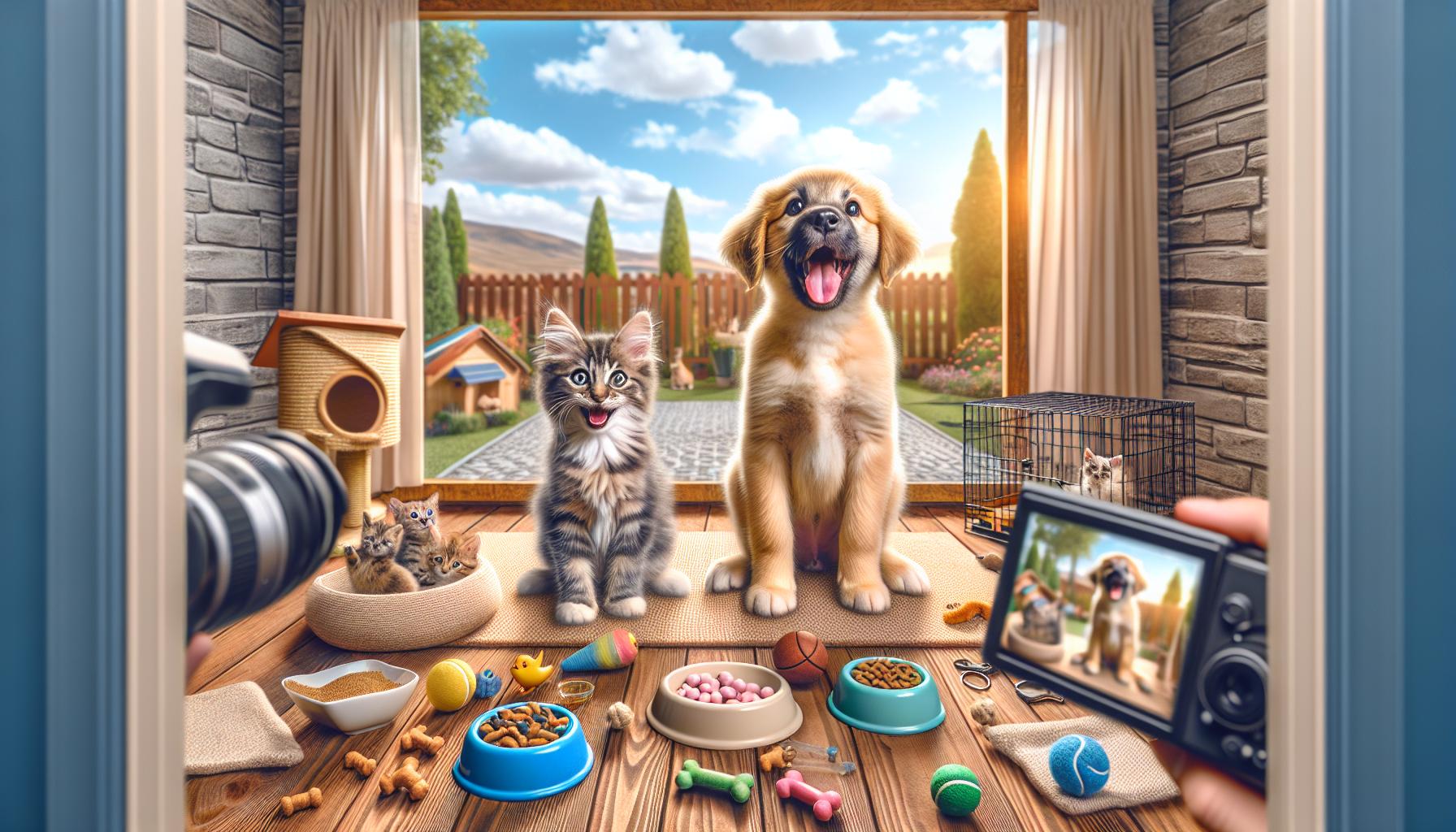
The Importance of Socialization for the Mental Health of Pets

Understanding the Role of Socialization in Pet Mental Health
When it comes to the well-being of pets, socialization is a crucial factor that is often sidelined. Just as humans benefit from social interaction, pets too need opportunities to engage with other beings. The mental health of your pet can be significantly enhanced by their social experiences, making it vital for owners to prioritize this aspect of care.
Why is Socialization Essential?
Socialized pets exhibit a range of benefits that contribute to their overall happiness and behavioral stability. Below are some key advantages of effective socialization:
- Emotional stability: Pets that have been properly socialized are generally less anxious and fearful. For instance, they may feel more comfortable welcoming strangers into the home or experiencing new environments. A well-socialized dog is less likely to startle at loud noises or sudden movements.
- Behavioral development: Early and ongoing socialization can dramatically reduce the likelihood of behavioral problems, including aggression or excessive barking. Puppies, who are exposed to a variety of animals, humans, and situations during their critical developmental window, often become well-adjusted adults.
- Bonding opportunities: Regular interaction with different people and animals fosters trust and deepens relationships. A cat that interacts positively with new visitors is more likely to build trust with its human family, creating a harmonized living space.
The Consequences of Insufficient Socialization
Many pet owners underestimate the implications of poor socialization. Animals that experience isolation may develop a range of detrimental behaviors:
- Aggression towards other animals or people: Dogs that have not been socialized may become defensive or aggressive when encountering unfamiliar dogs or humans, leading to unfortunate situations.
- Separation anxiety when left alone: Pets that lack social experiences may be unable to cope when their owners are away, leading to destructive behaviors or excessive barking.
- Fear of unfamiliar environments or situations: An unsocialized pet may struggle to adapt to new surroundings, becoming fearful and reactive, which can make everyday outings stressful for both pet and owner.
Guidelines for Effective Socialization
Proper socialization involves gradually exposing pets to a variety of experiences, including meeting different people, exploring diverse environments, and interacting with other animals. This process is essential not just for development, but for a fulfilling life as well. Pet owners might consider enrolling their dogs in obedience training classes or puppy playgroups, where supervised play can open new avenues for healthy social interactions.
For cats, introducing them to various stimuli in a controlled manner can help prevent anxiety. This might mean safely providing access to windows where they can observe passing birds or inviting friends over to engage with them. By incorporating these social opportunities into the daily lives of pets, owners can help their companions thrive.
In this article, we will delve deeper into the myriad ways socialization enhances the mental health of pets, offering practical steps for ensuring furry friends enjoy a robust and engaging social life. Prioritizing social development can lead to happier, more adaptable pets who flourish in their relationships with both people and animals.
DISCOVER MORE: Click here to find the perfect veterinarian for your furry friend
The Benefits of Socialization on Pet Mental Health
Socialization plays a pivotal role in enhancing the mental health of pets, making it a fundamental aspect of pet care. By fostering positive interactions and exposing pets to varying contexts, owners can significantly boost their pets’ emotional and behavioral well-being. In fact, numerous studies indicate that pets who engage socially tend to lead more enriched lives, showcasing some remarkable attributes that highlight the importance of socialization.
Building Confidence and Reducing Anxiety
A well-socialized pet is generally a more confident one. When pets are frequently exposed to new experiences, they learn to navigate the world around them with ease. This exposure reduces feelings of anxiety, leading to a pet that is comfortable in various settings, whether it’s a bustling park or a quiet home gathering. Here are a few benefits that stem from enhanced confidence:
- Adaptation to Change: Socialized pets are more adept at handling changes in their environment, like moving to a new home or visiting the veterinarian. They are less likely to react with stress or disorientation when faced with new situations.
- Improved Relationship with Humans: Pets that have had positive interactions with humans throughout their development tend to establish stronger bonds with their owners and visitors. This trusting relationship fosters a more cohesive household environment.
- Lower Incidence of Fear-Driven Behaviors: Pets that lack social opportunities may develop fear-driven behavioral problems, such as excessive barking or hiding. Socialization helps mitigate these issues by creating familiarity with varied stimuli.
Enhancing Social Skills with Other Animals
Socialization is equally important for developing your pet’s social skills with other animals. For dogs, group play sessions can teach essential dog-to-dog communication, including body language cues and social etiquette. For cats, supervised encounters with other feline friends can help ease territorial instincts and encourage playful interactions. Here’s why socialization with other animals is crucial:
- Understanding Social Signals: Animals learn to interpret and respond to the body language of their peers during social interactions, leading to fewer misunderstandings and conflicts.
- Preventing Aggressive Tendencies: Regular social encounters help pets develop trust and reduce the chances of fear-based aggression, which tend to stem from unfamiliarity.
- Encouraging Playfulness: Socialized pets are generally more playful and healthier, enjoying interactive play with fellow animals and their humans.
Socialization is not merely about casual interaction; it is a comprehensive process that builds foundational emotional skills and stability in pets. By recognizing its significance, pet owners can lay the groundwork for a happy and fulfilling life for their furry companions. In the following sections, we will explore practical approaches to enhancing your pet’s social skills and the long-term benefits of a well-rounded social experience.
The Impact of Socialization on Pet Behavior and Well-Being
Socialization plays an essential role not only in the development of pets but also in their long-term mental health. Regular interaction with other animals and humans helps pets develop positive behavioral traits and reduces the likelihood of anxiety and aggression. For instance, dogs that are exposed to various environments during their formative months are more adaptable and less prone to fear-based reactions. Moreover, socialized pets often exhibit improved confidence, allowing them to explore the world without trepidation. This is crucial for their overall happiness, as pets that feel secure in their surroundings tend to engage in more playful and less destructive behavior. Studies indicate that socialization can lead to a decrease in behavioral issues, making pets easier to manage and bond with. Veterinary professionals frequently stress that pets lacking sufficient social experiences may develop challenges such as separation anxiety or phobias. This can severely affect their quality of life, making socialization a preventive measure that every pet owner should prioritize. In addition, the act of socializing is not limited merely to interaction with other animals but encompasses understanding how pets respond to various stimuli. For example, exposing them to different sounds, people, and experiences prepares them for the bustling world outside. This proactive approach is vital in nurturing well-adjusted pets who can thrive emotionally and mentally.To further emphasize the importance of socialization, it’s crucial to recognize that it encourages a lifelong journey of learning and growth. As pets regularly encounter new situations, they develop skills that enhance their adaptability and resilience. This ultimately benefits not only their mental health but also the bond they share with their human companions.Integrating socialization into your pet’s routine can be as simple as scheduling playdates with other dogs, visiting parks, or participating in training classes. These engaging experiences foster positive interactions and can significantly enhance the mental wellness of your pet, leading to a happier and more fulfilling life. With the right approach, you can help your furry friends flourish in diverse social environments, paving the way for their holistic well-being.
| Socialization Benefits | Impact on Mental Health |
|---|---|
| Improved Behavior | Reduces anxiety and aggression, leading to a harmonious home environment. |
| Increased Confidence | Pets gain self-assurance to explore new environments, enhancing happiness. |
DISCOVER: Click here to find the perfect vet for your furry friend
Practical Strategies for Socializing Your Pet
Implementing effective socialization strategies involves more than simply exposing your pet to others. It requires thoughtful planning and an understanding of your pet’s unique personality and needs. Here, we delve into several practical methods that pet owners can adopt to enrich their pet’s social experiences, ultimately benefiting their mental health.
Gradual Exposure to Various Environments
One of the most effective ways to socialize pets is through gradual exposure to different environments. Start with quieter settings, such as a friend’s house or a low-traffic park, and slowly introduce your pet to busier locations. This method can help prevent overwhelming situations that may trigger anxiety. Here are tips to enhance this experience:
- Short, Positive Sessions: Keep initial visits brief and rewarding. Bring treats and praise to help your pet associate new environments with positive experiences.
- Monitor Body Language: Pay close attention to your pet’s cues, such as tail wagging or tense posture. Recognizing signs of stress allows you to adjust your approach to comfort them.
- Gradual Increase in Exposure: As your pet begins to acclimate, gradually extend the duration of outings or introduce them to more stimulating environments to build confidence.
Participating in Group Activities
Group activities can provide both socialization opportunities and physical exercise, which is vital for mental well-being. From training classes to dog parks, participating in organized events can be beneficial. Here are some examples of group activities:
- Obedience Training Classes: These classes not only improve your pet’s skills but also offer a platform for them to interact with other animals and their owners, thus enhancing socialization.
- Play Groups: Schedule playdates with other pets under supervision to cultivate positive interactions and healthy relationships. This applies equally to dogs and cats, where safe playgroups can be arranged.
- Pet-Friendly Events: Attend pet-related meet-ups, fairs, or local adoption events. These gatherings foster social settings that can help your pet become more comfortable in varied social scenarios.
Utilizing Positive Reinforcement
In every socialization effort, the principle of positive reinforcement holds immense value. Rewarding your pet for calm and friendly behavior during interactions encourages them to repeat those behaviors in the future. Consider incorporating the following practices:
- Clicker Training: Use a clicker to mark positive behaviors followed by treats. This technique enhances communication and strengthens your bond with your pet.
- Rewards for Calm Behavior: Offer treats or praise when your pet remains calm around new people, animals, or objects. This reinforces their comfort and willingness to engage.
- Consistent Routines: Establish familiarity by introducing a consistent routine for socialization activities. Predictability can help ease anxiety and build trust in your pet.
Socialization must be approached with patience and consistency. Every pet is unique, and understanding your companion’s specific needs ensures a rewarding social experience. Through these strategies, pet owners can positively impact their pets’ mental health, creating a harmonious living environment for both parties. The right socialization practices lay the foundation for well-rounded, emotionally resilient pets, enriching their lives while bolstering their mental health.
Dive deeper: Click here for essential tips
Conclusion: The Vital Role of Socialization in Pet Mental Health
In conclusion, socialization is crucial for the mental well-being of our pets, providing them with the necessary skills to navigate their environments confidently and comfortably. As we have explored, a well-socialized pet is not only less prone to anxiety and behavioral issues but also enjoys a richer, more fulfilling life. By gradually exposing pets to various settings, engaging them in group activities, and employing positive reinforcement techniques, owners can create a nurturing atmosphere that promotes emotional resilience.
Moreover, understanding the unique personality and needs of each pet is pivotal in tailoring socialization efforts. This individualized approach allows owners to monitor their pets’ responses and adjust their strategies as needed, ensuring optimal growth and comfort. Remember, socialization is not a one-time event but an ongoing journey that evolves as our pets grow and change.
As responsible pet owners, we have the power to enhance our furry friends’ lives significantly. Investing time and effort into socialization can lead to happier, healthier animals who are not only better companions but also better adjusted to the world around them. So, whether you’re attending a dog park, hosting playdates, or simply taking walks in varied environments, prioritize socialization for your pets. The long-term benefits are profound, creating bonds that last a lifetime while safeguarding their mental health.