
How to Choose High-Quality Commercial Foods for Pets
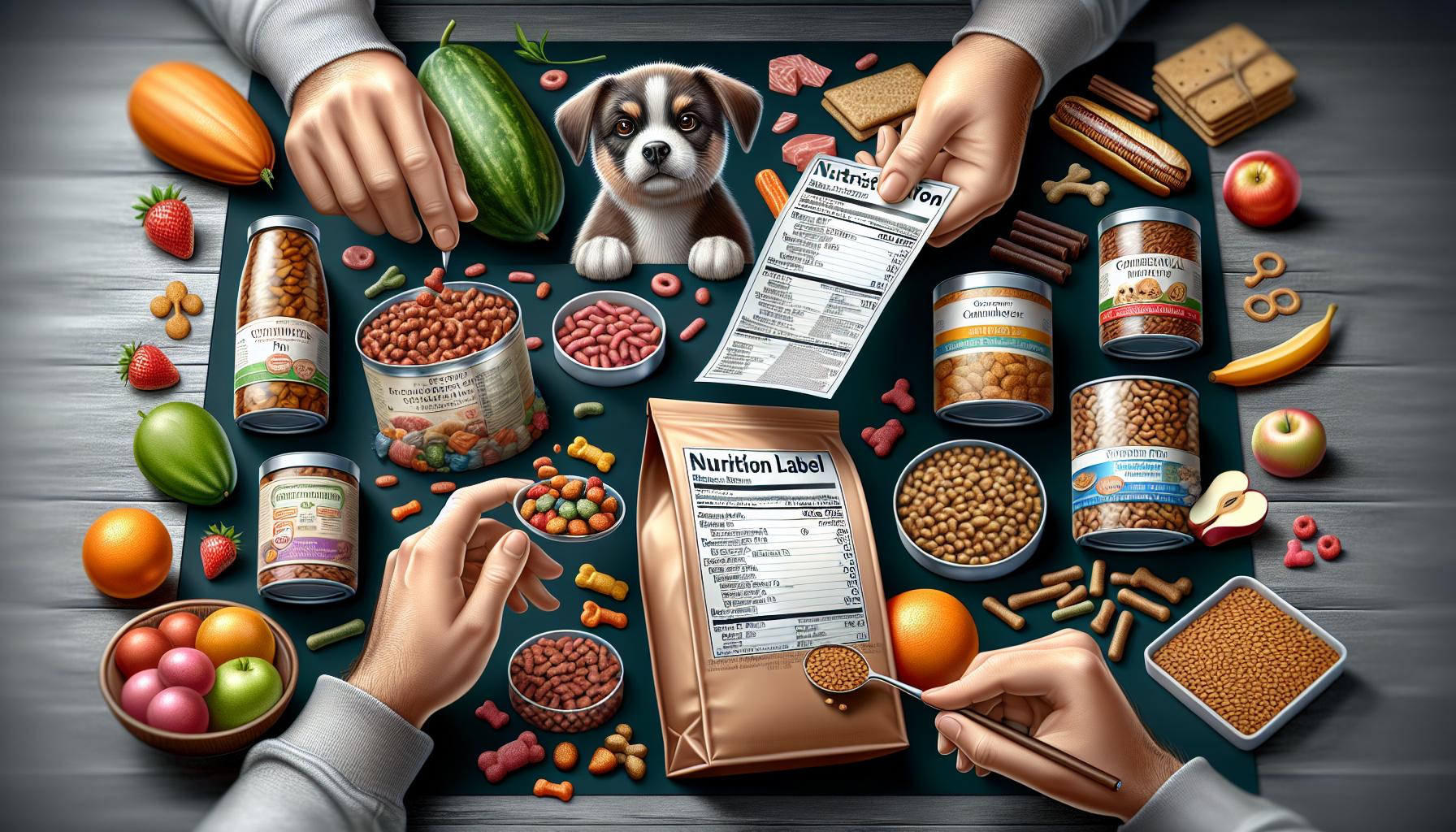
Understanding High-Quality Pet Foods
Choosing the right commercial food for your pet is critical to their health and well-being. With so many options available, it’s easy to feel overwhelmed. However, making an informed choice can lead to a happier, healthier life for your furry friend. As pet owners, understanding the intricacies of pet food is essential, as nutrition plays a pivotal role in preventing health issues and ensuring a long, fulfilling life for pets.
Key Factors to Consider
- Ingredients: Look for real meat as the first ingredient. Ingredients are listed in descending order by weight, so ensuring that the primary source of protein is a named animal (like chicken, beef, or fish) indicates a higher-quality product. Avoid foods with vague terms such as “meat by-products,” which can signify lower quality.
- Nutrition: Ensure the food meets the AAFCO standards for a complete diet. The Association of American Feed Control Officials (AAFCO) sets guidelines for nutrient profiles that pet foods must meet to be deemed suitable for different life stages. This is particularly important, as puppies and kittens have different nutritional requirements than adult dogs and cats.
- Brand Reputation: Research the brand’s history and product recalls. Established brands with positive reviews and a transparent record of safe practices tend to be more reliable. Checking for past recalls can reveal issues related to quality control, giving you better insight into the manufacturer’s practices.
Pet foods come in various types, including dry kibble, wet food, and raw diets. Dry kibble is often praised for convenience and affordability, while wet food can be more palatable and hydrating for pets that require more moisture in their diet. Raw diets, while controversial, are favored by some pet owners who believe in a diet closer to what their pets would eat in the wild. Not only should you consider your pet’s preferences but also their specific health requirements as they grow. For instance, senior pets may benefit from food designed to support joint health.
Additional Considerations
- Price vs. Quality: Expensive doesn’t always mean better; check value for quality. Some lesser-known brands may offer competitive formulas that provide excellent nutrition without the hefty price tag. It is wise to assess the nutritional content rather than the cost alone.
- Life Stage: Select food that matches your pet’s age and activity level. For example, puppy formulas are typically richer in calories and nutrients to support growth, while senior formulas often have tailored ingredients aimed at promoting longevity and reducing joint strain.
- Flavor Variety: Pets can be picky eaters; try different flavors to find their favorite. Dogs may prefer beef over chicken, or vice versa, and certain cats may have strong preferences for fish-based foods. Introducing a variety of flavors can ensure mealtime remains appealing and prevent picky eating habits.
In the quest for high-quality pet food, understanding labels and marketing jargon becomes essential. Terms like “grain-free” or “organic” might attract attention, but it is necessary to delve deeper into their actual implications and benefits. By taking the time to research and consider these factors, you can provide your pet with the best nutrition possible, enhancing their overall quality of life. Additionally, consulting with your veterinarian can provide personalized recommendations based on your pet’s individual needs. With a little effort, you can transform mealtime into a nourishing experience for your beloved companion, ensuring they thrive for years to come.
LEARN MORE: Click here for insights on feeding options
Navigating Pet Food Labels and Claims
When it comes to selecting high-quality commercial foods for pets, the nutrition label is your primary guide. However, pet food labels can often be misleading or filled with marketing jargon that makes it difficult for pet parents to make informed decisions. Understanding how to read these labels can empower you to choose the best dietary options for your four-legged companions.
Decoding Ingredients Lists
The ingredients list is your first stop on the journey toward discerning quality. The list is typically ordered by weight, so look for whole food ingredients at the top. This means high-quality protein sources and beneficial fillers. Here are some important categories to watch for:
- Proteins: Real meat should be the primary ingredient. This includes named sources like chicken, lamb, or salmon. Plant-based proteins, such as peas or corn, can be less desirable if they overshadow animal proteins.
- Carbohydrates: Whole grains, like brown rice or oats, can provide valuable energy. Alternatively, some pets may require grain-free options; however, ensure that non-grain carbohydrates like sweet potatoes or lentils are used as healthy substitutions.
- Additives: While some vitamins and minerals are essential, be cautious about artificial colors, flavors, and preservatives, as these can indicate lower quality products. Look for natural preservatives like mixed tocopherols.
Understanding Nutritional Adequacy Statements
A crucial aspect of understanding high-quality pet food is the nutritional adequacy statement provided by AAFCO. This statement will inform you whether the food is nutritionally complete and balanced for specific life stages. Look for phrases like:
- “Formulated to meet the nutritional levels established by the AAFCO Dog Food Nutrient Profiles” – indicating that the food is nutritionally adequate.
- “Complete and balanced for all life stages” – confirming the food is suitable for dogs or cats at any age, including puppies or kittens.
Always verify that the food is appropriate for your pet’s specific needs. For example, puppy formulas tend to be richer in protein and calories, while senior formulations contain ingredients to support joint health and weight management.
It’s also essential to consider any special dietary needs that your pet might have. Whether they have allergies, sensitivities, or health conditions such as diabetes or heart disease, selecting a pet food that caters specifically to those needs can significantly enhance their quality of life. Consulting with your veterinarian can provide tailored guidance that aligns with your pet’s health status, leading to even better dietary choices.
Brand Transparency and Ethical Practices
Lastly, a brand’s reputation cannot be overlooked. Conduct research into manufacturers that prioritize quality and transparency in their sourcing and production processes. Brands that openly share information about their ingredients, sourcing practices, and manufacturing processes demonstrate a commitment to pets’ health and are often safer choices. Look for companies with good reviews, ample research on their products, and a solid track record in the industry.
By keeping these aspects in mind, you can delve deeper into the essentials of pet nutrition and make better choices for your beloved companions. It’s not just about filling their bowls; it’s about creating a foundation for a long and happy life.
| Category | Key Features |
|---|---|
| Ingredient Quality | Look for named meat sources and whole food ingredients. |
| Nutritional Value | Ensure complete and balanced nutrition according to AAFCO standards. |
| Brand Reputation | Research the brand’s history, recalls, and customer reviews. |
| Transparency | Brands should provide clear information on sourcing and processing. |
| Price | Higher quality often correlates with premium pricing, but beware of overpriced products. |
When selecting high-quality commercial pet foods, understanding ingredient quality is paramount. Ingredients should be clearly labeled and sourced from reputable suppliers. In addition, ensuring a product meets the nutritional value established by the Association of American Feed Control Officials (AAFCO) can guide pet owners towards a balanced diet for their pets. The brand reputation offers insight into the reliability of a product; looking for companies with positive customer feedback and safety records is essential. Furthermore, brands must promote transparency about their ingredients and manufacturing practices, allowing consumers to make informed choices. Lastly, while price may reflect quality, it’s crucial to evaluate products carefully to avoid spending unnecessarily on items that don’t meet your pet’s needs. By focusing on these factors, you can provide a wholesome diet tailored to your pet’s health requirements.
DISCOVER MORE: Click here for essential health insights on exotic pets
Assessing Quality Through Certifications and Testing
As a conscientious pet owner, recognizing the importance of certifications and testing is vital in your quest to select high-quality commercial foods for pets. These benchmarks provide insights into the credibility and safety of the pet food you are considering. Familiarize yourself with the meanings behind various marks and standards that reputable brands flaunt.
Recognizing Trusted Certifications
Look for pet foods that carry certifications from reputable organizations such as the Association of American Feed Control Officials (AAFCO). This accreditation verifies that pet foods meet essential nutritional profiles established for pet health. However, it’s worth noting that while AAFCO establishes guidelines, their approval does not guarantee the quality of ingredients used; rather, it assesses the final product’s nutrient level.
Another vital certification to seek is the National Animal Supplement Council (NASC) seal. This label ensures that a brand adheres to rigorous quality control, safety protocols, and labeling standards. Generally, pet foods with these certifications demonstrate a stronger commitment to product safety and quality.
The Role of Third-Party Testing
Beyond certifications, consider brands that engage in third-party testing. This involves independent laboratories evaluating the nutritional adequacy and safety of their products. Look for companies that openly share their testing results, reinforcing their commitment to transparency. Such practices validate the manufacturer’s claims about their products, ensuring that your pet is getting what is promised on the label. Inquire about whether the brand conducts recall checks and maintains a proactive approach to food safety.
Ingredient Sourcing and Sustainability
Your consideration for high-quality commercial foods for pets should also extend to ethical sourcing. Brands that prioritize sustainably sourced ingredients not only ensure quality but also address environmental concerns. Many consumers today value pet foods made from responsibly raised meats and sustainably sourced plants. Research brands that partner with local farmers or those who endorse humane treatment of animals—this often reflects a higher quality in their ingredient sourcing.
Take, for example, brands that source their fish from certified sustainable fisheries—that’s a move showing respect for marine ecosystems and animal welfare. Furthermore, pay attention to gluten-free options or brands that offer clean, limited-ingredient diets for pets with allergies or sensitivities. Check if they disclose their ingredient sources clearly—a hallmark of a trustworthy brand.
The Importance of Consumer Reviews
Consumer feedback is another valuable resource in your evaluation of pet foods. Online platforms and pet communities allow you to gauge the experiences of other pet owners with specific brands. Watching for common themes in reviews can shed light on specific product performance, palatability, and the overall well-being of pets consuming those foods. If numerous reviewers cite improved health or noticeable energy levels in their pets after switching to a particular food, that might indicate a trend toward quality.
With this information at your disposal, you stand better equipped to sift through the myriad of options available in pet food aisles. Recognizing these quality measures means you’re not just selecting any product; you’re choosing wisely for your beloved animal companions. Remember that informed choices lead to healthier, happier pets, which is ultimately the goal of every dedicated pet parent.
DISCOVER MORE: Click here to learn about exotic bird breeds
Final Thoughts on Selecting Quality Pet Foods
Choosing high-quality commercial foods for pets is a crucial step in ensuring the long-term health and happiness of your furry companions. By looking for products with trusted certifications like those from the Association of American Feed Control Officials (AAFCO) and the National Animal Supplement Council (NASC), you can rest assured that you’re picking foods that meet rigorous nutritional standards. Furthermore, brands that engage in third-party testing provide an additional layer of transparency, validating their claims about ingredient quality and safety, which can put your mind at ease.
Moreover, incorporating an awareness of sustainability and ethical sourcing into your decision-making can not only benefit your pets but also support responsible practices within the pet food industry. Brands committed to quality often showcase their sourcing methods and the welfare of the animals involved in their ingredient supply chains. This conscientious approach not only aligns with consumer preferences but also resonates with a growing commitment to environmental stewardship.
Lastly, don’t underestimate the power of consumer reviews. Engaging with fellow pet owners can provide invaluable insights into product performance and health outcomes, guiding you in making informed choices. Remember that every little decision counts; by prioritizing quality, you’re effectively advocating for your pet’s well-being, fostering a meaningful bond and a healthier future. The journey to selecting the right pet food may seem daunting, but with the right knowledge and resources, you can navigate it successfully, ensuring that your beloved companions thrive.