Trends in Natural and Organic Pet Foods

The Evolution of Pet Food Choices
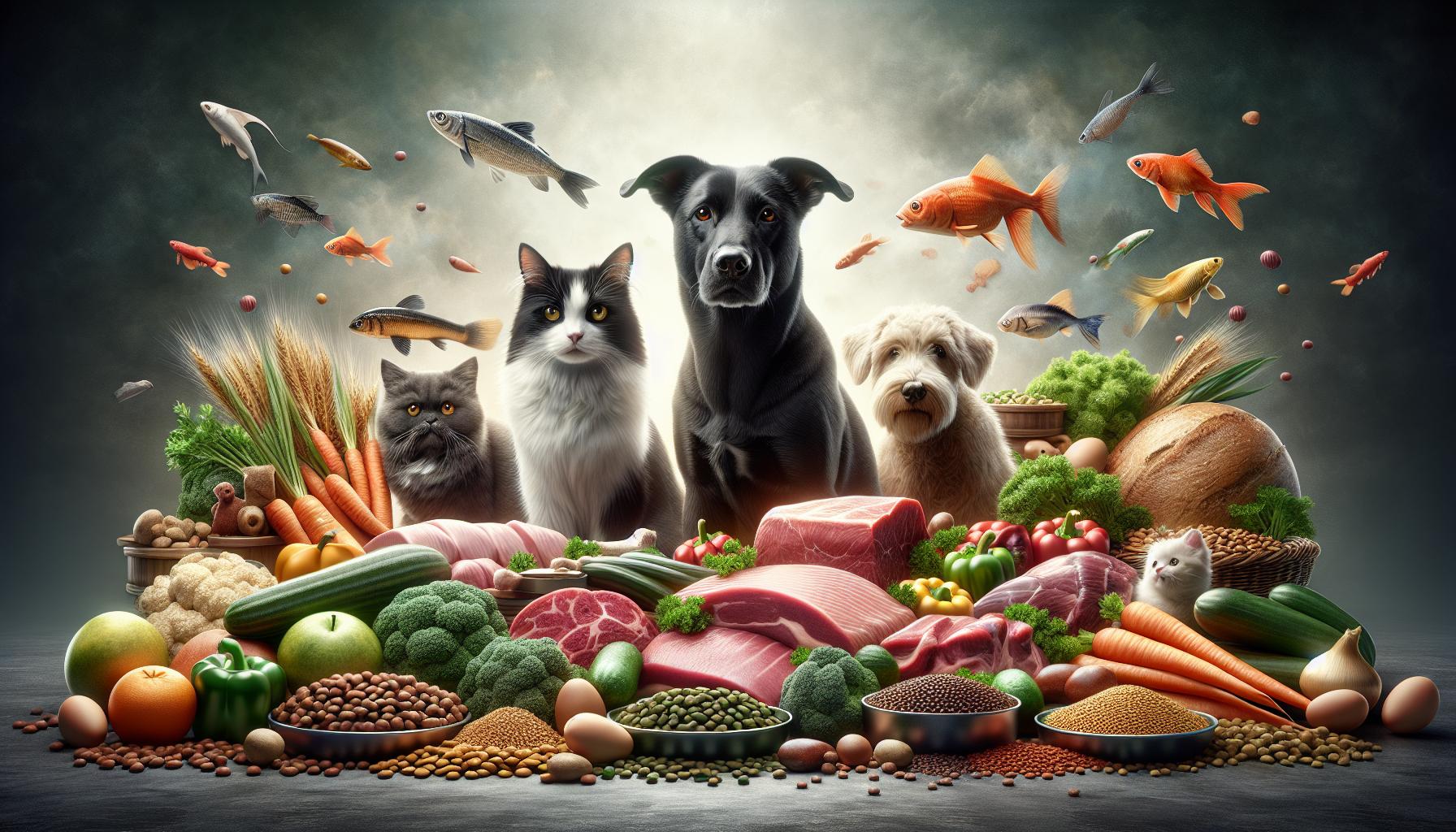
In recent years, pet owners have shifted their focus towards nurturing their pets’ health and well-being, favoring natural and organic pet foods over conventional options. This growing inclination parallels a nationwide trend of health consciousness that emphasizes quality and nutritional integrity in daily diets. As people become more informed about nutrition, they are equally inclined to provide their pets with the same level of care and quality, reflecting an overarching movement towards healthier lifestyles.
Several key factors contribute to this paradigm shift in pet nutrition:
- Health Consciousness: There is an increasing awareness regarding the ingredients in pet food. Pet owners are scrutinizing nutrition labels, seeking high-quality protein sources, essential fatty acids, and vitamins. As a result, the days of accepting low-grade meat byproducts, artificial additives, and fillers are fading.
- Transparency: In response to consumer demand, pet food brands are stepping up their game by offering clearer product labels. Companies now disclose where and how they source their ingredients, allowing pet owners to make educated decisions. Increased transparency builds trust and encourages pet owners to choose brands that align with their values.
- Sustainability: Eco-friendly practices are gaining traction in the pet food sector. With businesses adopting sustainable sourcing and production methods, environmentally-conscious pet owners are more inclined to support companies that prioritize the planet over profit.
As the pet food market evolves, manufacturers are adapting their offerings to cater to these emerging trends. Some notable innovations include:
- Locally Sourced Ingredients: By prioritizing local farms and suppliers, pet food producers can minimize their carbon footprint while supporting regional economies. This practice also leads to fresher ingredients, enhancing the quality of the food.
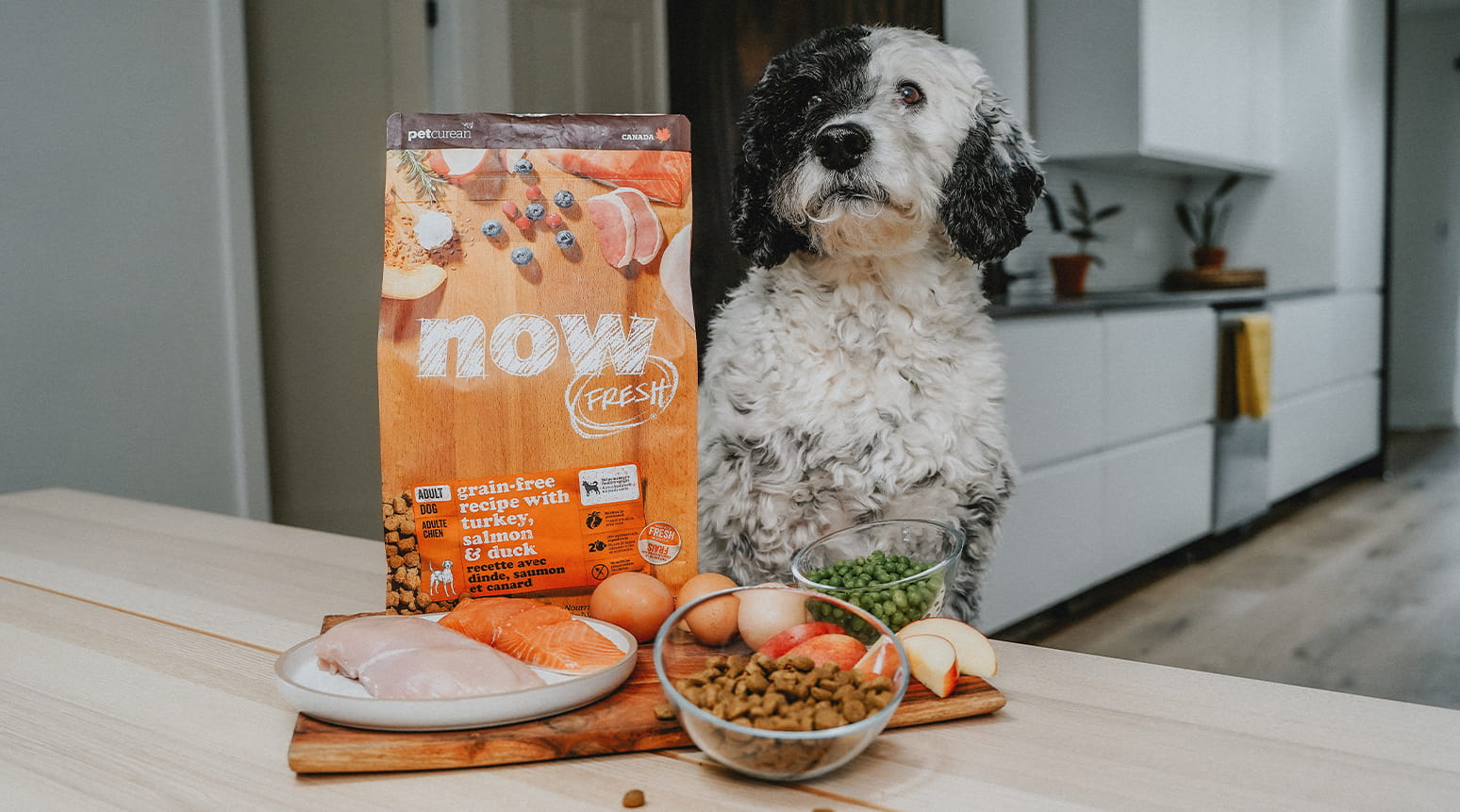
- Grain-Free Options: Many brands now include grain-free formulations that cater to the dietary preferences and sensitivities of pets. Ingredients such as sweet potatoes, peas, and lentils are becoming common substitutes to accommodate dogs and cats with allergies or intolerances.
- Functional Foods: The introduction of functional foods provides targeted health benefits for pets. For instance, some formulations may include glucosamine for joint support or probiotics for promoting digestive wellness, thus treating specific health needs rather than merely providing nutrition.
As the landscape of pet nutrition continues to transform, understanding the manufacturers’ commitment to quality and nutritional innovation becomes imperative for pet owners. By delving deeper into these trends and exploring available options, pet parents can better ensure that they select the most suitable diets for their beloved companions.
In conclusion, the evolution of pet food reflects a broader societal shift toward holistic health. With ongoing changes in consumer behavior, brands that prioritize quality, transparency, and sustainability will likely lead the charge in the future of pet nutrition. Taking the time to educate oneself can not only enhance a pet’s quality of life but also foster a deeper bond between owner and pet, underscoring the importance of informed choices in all aspects of pet care.
DISCOVER MORE: Click here to learn about the best family dogs
Understanding the Trends Reshaping Pet Nutrition
The shift toward natural and organic pet foods is not merely a passing trend but rather a fundamental change in how pet owners approach their pets’ diets. This evolution can be traced back to several interconnected societal and market influences that drive this industry forward.
One of the primary catalysts for this transformation is the growing demand for holistic health solutions. Pet owners are increasingly turning to natural foods that mirror the benefits of whole foods in human diets. This desire for health starts with understanding what constitutes natural and organic pet food. In general, organic pet food is made from ingredients that are grown without the use of synthetic fertilizers or pesticides, and are also free from artificial preservatives, colors, and flavors. As consumers become more familiar with these definitions, their purchasing decisions have shifted accordingly.
Additionally, the rise of the internet and the abundance of information available online have empowered pet owners to take a more active role in their pets’ nutritional choices. Blogs, social media, and review sites offer insights and community feedback, which impact consumer preferences significantly. Coupled with the increasing transparency from pet food brands regarding ingredient sourcing and production processes, this access to information allows for more educated consumer choices.
So, what are the specific trends capturing the attention of pet owners across the United States? Here are a few notable developments:
- Increased Focus on Ingredients: Pet owners are more inclined to read labels thoroughly. Ingredients such as human-grade meat, organic vegetables, and natural preservatives are highly sought after. This trend signifies a clear shift away from generic “meat by-products” and fillers.
- Humanization of Pet Food: Pet owners are now inclined to select foods that mirror human dietary trends. Just as consumers are drawn to items such as gluten-free and non-GMO, similar terms resonate strongly in pet food, resulting in greater demand for products that are marketed similarly.
- Subscription Services: Convenience is king, and subscription-based pet food delivery services have surged in popularity. These services often specialize in high-quality, organic offerings, making it easier for pet owners to access premium options without the hassle of frequent store visits.
Moreover, pet owners are increasingly concerned about the long-term health impacts of the food they provide for their four-legged companions. Many now consider how their pet’s diet can aid in preventing health issues, mirroring their own health journeys. For example, the utilization of superfoods like salmon oil or blueberries is on the rise, as these ingredients are recognized for their health benefits.
As pet food continues to evolve, staying informed about these trends is paramount for pet owners. Not only does it facilitate better nutritional choices, but it also encourages a greater connection with the brands that align with their values. The natural and organic pet food surge reflects a broader movement toward well-being, fostering health-conscious environments where pets, just like their owners, can thrive.
| Advantage | Details |
|---|---|
| Improved Health | Natural and organic pet foods often contain higher quality ingredients which can result in better overall health for pets, including improved digestion and shiny coats. |
| Ethical Sourcing | Many brands that focus on organic ingredients commit to ethical sourcing practices, promoting sustainable agriculture and animal welfare, which resonates with conscious consumers. |
As the demand for natural and organic pet foods grows, pet owners are increasingly focusing on what goes into their animals’ diets. Factors such as transparency in ingredient sourcing and the elimination of artificial additives are at the forefront of these trends. With attention to nutritional value, many manufacturers are incorporating superfoods like quinoa and blueberries, which are emerging as game-changers in the pet food industry. Moreover, products inspired by a raw food diet have become more mainstream, illustrating a shift towards holistic approaches in pet nutrition. As you explore the ever-evolving landscape of pet food choices, it’s clear that pet owners are more informed than ever, seeking products that align with their values and ensuring their beloved companions receive optimal care and nourishment.
DISCOVER MORE: Click here to find out how social media helps pets find homes
Innovations in Product Offerings
The trends in natural and organic pet foods are also reflected in the innovative product offerings that many brands are unleashing onto the market. As pet owners increasingly look for ways to enhance their pets’ health and well-being, manufacturers are responding with a variety of unique solutions designed to meet these evolving demands.
One prominent trend is the rise of functional pet foods. These products are formulated not just for basic nutrition but to offer additional health benefits. For instance, some foods are infused with supplements like probiotics to support digestive health, while others may include glucosamine and chondroitin to promote joint health in aging pets. A survey by the American Pet Products Association (APPA) indicated that nearly 30% of pet owners are now buying foods that offer specific health benefits, up from 19% just five years ago.
Moreover, the influence of raw and freeze-dried diets has gained significant traction among health-conscious pet owners. These diets are perceived as closer to a pet’s ancestral diet, as they often consist of uncooked meats, fruits, and vegetables. Brands like Instinct and Stella & Chewy’s have embraced this trend, positioning their products as nutritious, high-protein options. Many pet owners regard these diets as a way to ensure their pets receive high-quality protein while avoiding unnecessary additives.
Another dynamic trend is the rise of bespoke pet food solutions. Tailored or customized pet food subscriptions have emerged to cater to pets with specific dietary needs or preferences. Companies like Pet Plate and Nom Nom offer personalized meal plans based on a pet’s age, breed, and health conditions. This trend not only provides convenience for pet owners but also empowers them to make nutrition a more tailored experience for their furry friends.
As sustainability grows increasingly important in consumers’ lives, many brands are also committing to environmentally friendly practices. This includes sourcing ingredients from sustainable farms, utilizing eco-friendly packaging, and reducing carbon footprints during the manufacturing processes. The sustainable pet food market is set to witness significant growth in the coming years, with a projected increase in value expected to reach over $1 billion by 2027, according to various industry reports.
Additionally, transparency in sourcing has become a key factor in consumer choices. Pet owners are now more interested than ever in understanding where their pet food ingredients originate. Brands that actively highlight their commitment to ethical sourcing and transparency, such as Blue Buffalo and Wellness Natural Pet Food, tend to foster stronger loyalty amongst consumers who prioritize integrity in the brands they support.
Lastly, as trends in natural and organic pet foods broaden, there’s an undeniable influence from the human food market. Innovations seen in this sector, from alternative proteins like insect meal to plant-based dietary solutions, are also beginning to permeate pet food. Insect-based proteins, for example, are emerging as an alternative source of protein in pet nutrition, gaining attention for their high efficiency and lower environmental impact, appealing to the eco-conscious pet owner.
These evolving trends in the natural and organic pet food sector not only reflect a shift in consumer demands but also signify a broader awareness surrounding our shared health and environmental responsibilities. As the landscape continues to change, understanding these trends and their implications will help pet owners make informed choices for the dietary needs of their beloved companions.
DIVE DEEPER: Click here for essential insights
Conclusion
As we traverse the landscape of the natural and organic pet food market, it becomes evident that these trends are not mere fads but a significant evolution driven by informed consumer preferences and a growing consciousness about health and sustainability. The shift towards functional pet foods, rich in beneficial supplements, reflects a desire to proactively enhance pet wellness. Similarly, the adoption of raw and freeze-dried diets showcases a commitment among pet owners to align their pets’ diets with ancestral eating habits, while innovative solutions like bespoke meal plans cater to the specific needs of pets, fostering a more personalized approach to pet care.
The drive for sustainability in ingredient sourcing and eco-friendly manufacturing practices underscores the values of conscientious consumers who seek to support brands that resonate with their own environmental ethics. As pet owners prioritize transparency in sourcing, it becomes imperative for companies to provide clarity and accountability regarding their ingredient origins, further enhancing brand loyalty. The burgeoning interest in alternative proteins, from insects to plant-based options, signifies a pivotal moment in pet nutrition, marrying innovation with sustainability.
In conclusion, the trends in natural and organic pet foods reveal not only a transition in dietary choices but also a broader societal commitment to health, wellness, and ecological responsibility. As the market evolves, continued exploration into the impact of these trends will illuminate the future of pet care, allowing pet owners to make well-informed decisions for the health and happiness of their furry companions. Keeping abreast of these developments ensures that every meal served contributes to a more vibrant life for pets and promotes a healthier planet.