
How Nutrition Affects the Mental Health and Behavior of Pets
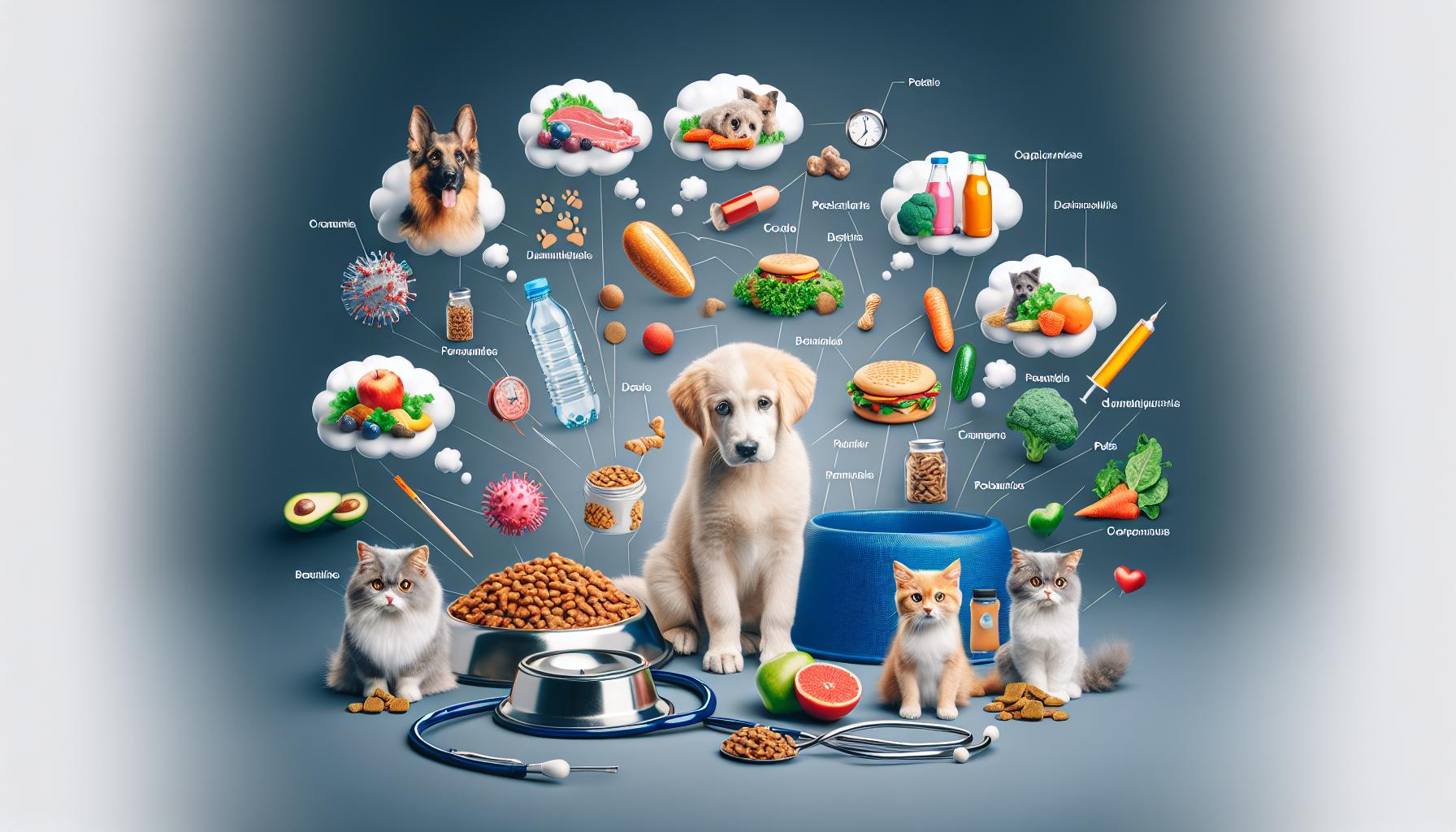
The Multifaceted Impact of Nutrition on Pet Mental Health
Every pet owner strives for a happy, vibrant companion, yet one fundamental aspect often slips through the cracks: nutrition. It’s essential to recognize that the food we provide does more than just fuel our pets; it significantly influences their mental well-being and behavior. A deeper understanding of this connection can lead to improved quality of life for our beloved animals.
Recent studies have shown that a pet’s diet can directly affect their mood and behavioral tendencies. For example, certain nutrients have been scientifically linked to enhanced emotional stability and overall mental health. Below are some crucial factors that elucidate this relationship:
- Omega-3 Fatty Acids: These essential fats, abundant in fish oil, are known for their role in promoting improved cognitive function and significantly reducing anxiety in pets. Research indicates that dogs and cats with adequate Omega-3 levels exhibit less behavioral issues, making these nutrients pivotal for pets who may struggle with stress or nervousness.
- Antioxidants: Found in fruits and vegetables, antioxidants help combat oxidative stress—an imbalance that can lead to various emotional and behavioral issues. For example, a diet rich in blueberries or spinach may not only protect against cellular damage but also enhance mood and cognitive functions in pets.
- Amino Acids: These building blocks of proteins are vital for the production of neurotransmitters such as serotonin and dopamine. An imbalance in amino acids can wreak havoc on a pet’s mood, leading to conditions such as aggression or depression. Foods that provide a balanced array of amino acids can be game-changers for emotional health.
Additionally, it’s critical to consider the type of food—commercial versus homemade. While some commercial diets are meticulously formulated to meet pets’ nutritional needs, they can sometimes lack the freshness and ingredients found in a well-planned homemade diet. However, if home-cooking is your choice, it’s essential to consult with a veterinarian to ensure that meals are nutritionally balanced. A proper diet can indeed prevent emotional pitfalls, fostering a more peaceful and loving environment.
The exploration of nutrition’s impact on pet mental health reveals that tailoring diets to meet the specific emotional and healthcare requirements of our pets is vital. For instance, owners may want to consider dietary changes if they observe signs of anxiety or agitation in their furry companions. Incorporating calming supplements or switching to a food regimen rich in the aforementioned nutrients might ease these concerns.
Join us as we delve into the profound effects of our pets’ dietary intake and uncover how informed food choices can lead to happier, healthier companions. This journey not only enhances our pets’ physical health but also builds a foundation for a loving and mentally balanced relationship.
EXPLORE: Click here to find the perfect cat for your apartment
Nutritional Deficiencies and Behavioral Issues
A growing body of evidence suggests that nutritional deficiencies can lead to a range of behavioral issues in pets. Just as with humans, an improper balance of nutrients can result in emotional distress, increased anxiety levels, and behavioral problems. For instance, a diet lacking in key vitamins and minerals can impede brain function and disrupt the delicate chemical balance that influences mood and behavior. Recognizing these potential deficiencies is crucial in creating a nourishing diet plan for our pets.
Among the most reported behavioral concerns are issues like aggression, anxiety, and chronic stress. Many pet owners are surprised to learn that the root causes of these behaviors may correlate with their pets’ dietary intake. Here are some common deficiencies that can foster undesirable behaviors:
- Vitamin B Complex: This group of vitamins, particularly B6 and B12, plays an essential role in regulating mood and stress levels. Pets lacking in these vitamins may display irritability, anxiety, and aggression.
- Magnesium: Often referred to as the “relaxation mineral,” magnesium deficiency can lead to heightened anxiety and a propensity for aggressive behavior in pets due to its role in the nervous system.
- Zinc: Critical for cognitive function and emotional regulation, insufficient zinc can lead to behavioral issues such as depression and anxiety.
Furthermore, the quality of ingredients in pet food cannot be overlooked. Highly processed foods often contain fillers and artificial additives that may not only be nutritionally poor, but also contribute to hyperactivity or lethargy. The presence of artificial colors and preservatives has been scrutinized for their potential impact on behavior, especially in dogs and cats prone to neurobehavioral issues.
Another pivotal aspect of nutrition affecting mental health is the timing and frequency of meals. Regular feeding schedules have shown to create a sense of routine and security for pets. Inconsistent meal times can lead to anxiety and stress, which can exacerbate existing behavioral problems. Keeping a consistent feeding schedule builds trust and stability, crucial for a harmonious relationship between pets and their owners.
Additionally, pet owners should be aware of the role of food allergies and intolerances in shaping behavior. Certain pets may react negatively to specific ingredients, leading to discomfort or pain that manifests as irritability or aggression. Identifying and eliminating these allergens is essential in promoting not only a physically healthy pet but also a mentally balanced one.
Understanding the intricate relationships among nutrition, mood, and behavior propels pet owners into a proactive role in fostering their companion’s mental health. It is evident that a holistic approach, centered on providing a balanced and nutrient-rich diet, can pave the way for a happier, calmer, and more well-adjusted pet. The journey to better pet mental health begins, quite literally, at the dinner bowl.
| Category | Benefits & Insights |
|---|---|
| Essential Nutrients | A balanced diet rich in Omega-3 fatty acids can enhance brain function and reduce anxiety in pets. |
| Behavioral Changes | Proper nutrition can lead to improved mood stability and decrease instances of aggression or hyperactivity. |
| Digestive Health | A healthy gut microbiome supports emotional well-being, indicating a direct link between gut health and mental states. |
| Hydration | Adequate water intake is crucial, as dehydration can lead to cognitive decline and affect overall mood. |
Research increasingly suggests that pets’ mental health is intricately linked to their diet. For instance, a diet that incorporates high-quality proteins can aid in neurotransmitter function, which is essential for maintaining emotional balance. Veterinary studies have shown that pets on nutritional plans low in artificial additives exhibit fewer behavioral issues, underscoring the importance of natural ingredients.In addition, transitioning pets to a diet rich in antioxidants proves crucial in combating oxidative stress, which has been associated with various behavioral disorders. Therefore, considering nutrition as a cornerstone of mental health management for pets is increasingly being recognized by veterinarians and pet owners alike. This connection sparks interest among researchers and pet enthusiasts to explore further how tailored nutrition plans can pave the way for healthier, happier pets.
LEARN MORE: Click here for tips on finding the perfect veterinarian
The Role of Omega Fatty Acids and Antioxidants
Beyond the well-known vitamins and minerals, omega fatty acids and antioxidants play pivotal roles in enhancing the mental health of pets. These nutrients are fundamental for brain health and can significantly affect behavior. Omega-3 and omega-6 fatty acids, for instance, are vital for maintaining cellular function in the brain and facilitating communication between neurons. A deficiency in these essential fats may lead to cognitive decline, making pets more susceptible to anxiety and behavioral disorders.
Research has indicated that omega-3 fatty acids, found primarily in fish oil, can mitigate symptoms of depression and anxiety in both humans and pets. For pets that struggle with fears or phobias, incorporating omega-3s into their diet has been linked with improved emotional resilience. Furthermore, these fatty acids possess anti-inflammatory properties that can also influence behaviors, as inflammation in the brain has been associated with mood disorders.
Antioxidants, such as vitamins E and C, are crucial in combating oxidative stress, which can negatively impact a pet’s cognitive function. Aging pets, in particular, are at risk of cognitive decline similar to humans suffering from dementia. A diet rich in antioxidants can help protect against such degenerative processes and may contribute to improved mood and behavior. Superfoods, such as blueberries and spinach, are excellent sources of antioxidants that can easily be added to a pet’s diet.
The Connection Between Gut Health and Behavior
Emerging research points to a fascinating connection between gut health and mental health in pets, often referred to as the “gut-brain axis.” The gut microbiome, which comprises trillions of bacteria and microorganisms residing in the digestive tract, has been shown to influence mood and behavior. A balanced diet rich in probiotics and prebiotics can promote a healthy gut microbiome, which in turn can lead to better emotional and psychological well-being for pets.
Feeding pets a diet that includes prebiotics—fibers that feed the good bacteria in the gut—along with probiotics—live beneficial bacteria—can have profound effects on their behavior. For example, studies have reported that pets receiving probiotic supplements exhibited decreased anxiety and fewer stress-related behaviors. This connection underscores the importance of a wholesome diet not just for physical health but also for maintaining emotional stability.
Special Dietary Considerations for Behavioral Conditions
For pets diagnosed with specific behavioral conditions, tailored diets can offer significant benefits. For instance, pets exhibiting hyperactivity or compulsive behaviors may respond positively to diets lower in carbohydrates and higher in protein. Research has pointed to the calming effects of certain amino acids, such as tryptophan, which can help in the production of serotonin, the neurotransmitter associated with feelings of well-being. Foods containing high-quality proteins, such as chicken, beef, and fish, can be beneficial for pets requiring behavioral interventions.
Moreover, grain-free diets, while trending, should be approached with caution, as not all pets may thrive without grains. A balanced approach that considers the unique dietary needs of each pet is essential in forging the path toward improved behavior and emotional health.
Ultimately, the intricate web of nutrition, gut health, and behavior highlights the importance of an informed approach to pet diets. Pet owners who prioritize a nutrient-rich, balanced diet can not only enhance their pets’ physical health but pave the way for a more tranquil and emotionally stable companion.
DISCOVER: Click here for the best apartment-friendly cat breeds
Conclusion: The Impact of Nutrition on Pet Well-Being
In exploring the profound relationship between nutrition and our pets’ mental health and behavior, it is evident that a well-balanced diet can be a cornerstone of overall well-being. Key nutrients, such as omega fatty acids and antioxidants, significantly influence cognitive function, emotional stability, and behavioral responses. By ensuring a diet rich in these essential components, pet owners can help mitigate issues such as anxiety, depression, and behavioral disorders, ultimately enhancing the quality of life for their beloved companions.
Moreover, understanding the emerging role of the gut-brain axis highlights the importance of gut health in shaping our pets’ moods and behaviors. A diet that supports a healthy microbiome through probiotics and prebiotics can lead to improved emotional resilience. As research deepens, it becomes increasingly clear that what we feed our animals can extend beyond physical health, influencing their mental clarity and emotional well-being.
Finally, special dietary considerations for pets facing specific behavioral conditions reveal the need for tailored nutrition strategies. This underscores the importance of recognizing individual dietary needs to effectively support unique behavioral challenges. In summary, by prioritizing a nutrient-dense diet, pet owners can not only improve their pets’ physical health but foster a more harmonious and emotionally balanced environment, paving the way for a stronger bond and a happier life together. Investigating further into nutritional strategies can empower pet owners to take proactive steps in enhancing their pets’ well-being, leading to happier, healthier companions.