
Identifying Common Health Issues During Routine Vet Visits
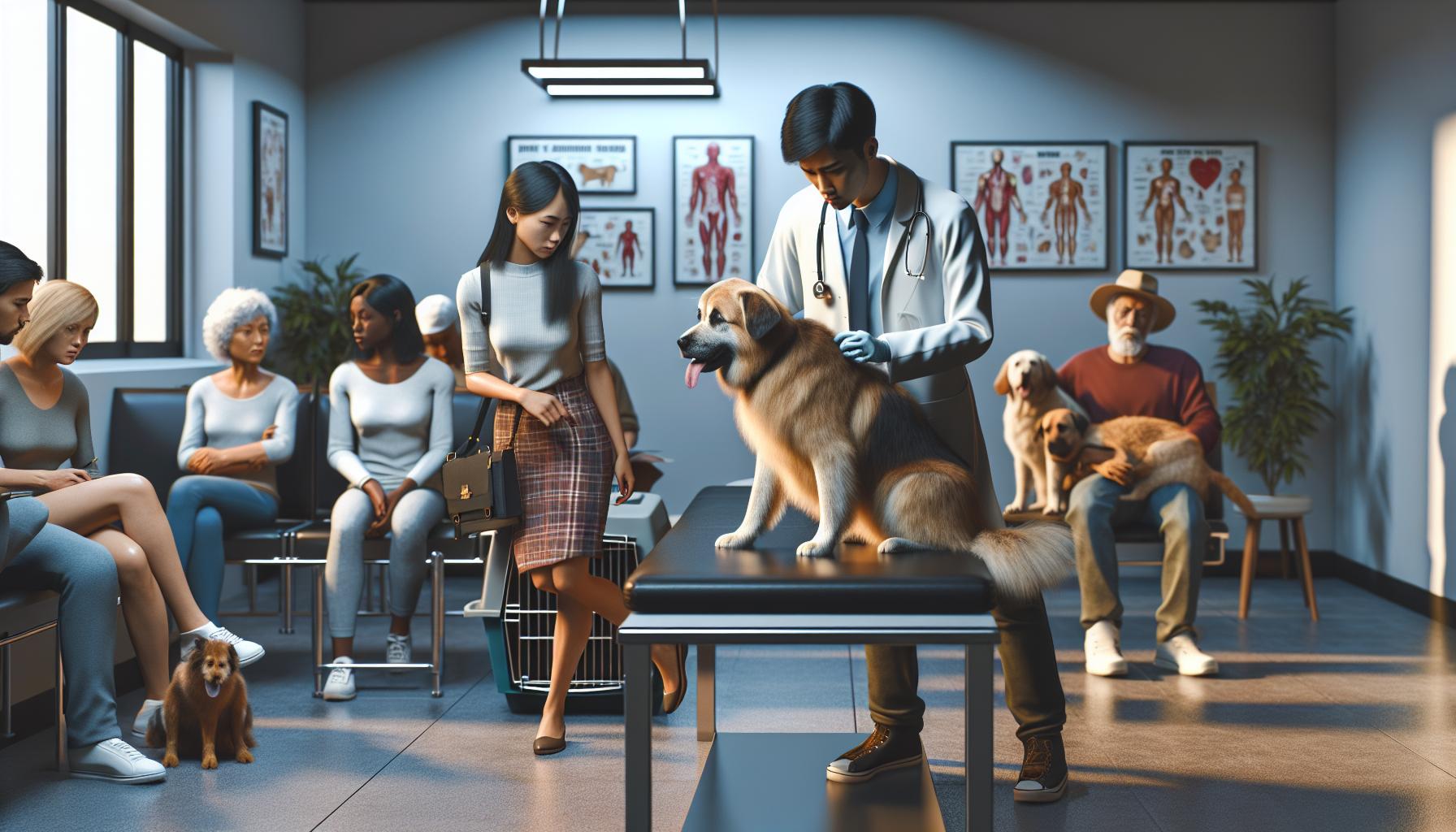
Understanding Your Pet’s Health
Routine vet visits play a pivotal role in maintaining your pet’s health and well-being. They are crucial opportunities to identify and address potential health concerns before they escalate into more serious issues. During these appointments, veterinarians employ a range of diagnostic tools and examinations to uncover common health problems that may go unnoticed by pet owners. Here are some prevalent health issues that vets frequently evaluate:
- Dental Disease: Dental health is a significant aspect of your pet’s overall well-being. Many pets experience periodontal disease, which stems from the buildup of plaque and tartar. If left untreated, this can lead to infections, tooth loss, and even systemic problems affecting vital organs such as the heart and kidneys. Regular dental check-ups and cleanings can prevent these serious conditions, ensuring that your pet lives a happier, healthier life.
- Obesity: In the United States, a staggering more than 50% of pets are classified as overweight or obese. This alarming trend can lead to a host of chronic health issues, including diabetes, arthritis, and respiratory problems. Vets typically assess your pet’s weight and body condition score, providing tailored dietary advice to help maintain a healthy weight and lifestyle.
- Skin Allergies: Skin allergies are another common concern for pets, often triggered by environmental factors such as pollen, dust mites, or fleas. Symptoms such as itching, redness, or hair loss may indicate an allergic reaction. Vets can recommend appropriate treatments, which may include medications or dietary changes, to alleviate discomfort and improve your pet’s skin health.
- Ear Infections: Ear infections are prevalent in dogs and certain cat breeds. Symptoms such as head shaking, itching, or a foul odor can signal an underlying infection. Prompt veterinary care is crucial, as untreated ear infections can lead to more severe complications, including hearing loss and chronic ear problems.
Beyond identifying these common issues, veterinarians conduct comprehensive examinations to evaluate your pet’s overall health, including checking their weight, fur condition, and behavior. They also provide essential vaccinations that help protect against infectious diseases.
Understanding your pet’s health fosters a deeper bond between you and your furry friend. Engaging proactively with your veterinarian not only enhances your pet’s health but also plays a vital role in early detection and management of potential health problems, leading to a longer, happier life for your companion. By keeping yourself informed and attuned to your pet’s needs, you’ll be better equipped to recognize signs that warrant attention.
Are you ready to dive deeper into these common health concerns? Join us as we explore effective ways to recognize and respond to these issues during your pet’s routine vet visits, ensuring that your beloved pet receives the best possible care.
DIVE DEEPER: Click here to learn more about popular dog breeds’ temperaments
Recognizing Early Warning Signs
During routine vet visits, one of the main objectives is early identification of common health issues that can significantly impact your pet’s quality of life. Regular check-ups provide an essential safeguard, allowing veterinarians to perform thorough examinations and discuss your pet’s health history with you. By paying attention to common ailments, you can be proactive in ensuring your furry friend receives the care they need.
Let’s examine some of the common health concerns that veterinarians focus on during these visits and the early warning signs that may go unnoticed by pet owners:
- Parasite Infestations: Fleas, ticks, and worms are more than just nuisances; they can pose serious health risks to your pet. Symptoms may include excessive scratching, digestive issues, or weight loss. Your vet will typically recommend preventatives as well as tests to check for these parasites. In severe cases, infestations can lead to serious anemia or underline other health troubles.
- Joint Problems: As pets age, they can develop joint issues such as arthritis. Observing your pet for hesitance to jump or climb stairs, or reluctance to engage in play can be crucial. During a routine visit, your vet may perform a physical examination to evaluate mobility and pain levels, potentially suggesting joint supplements or medications to improve comfort and mobility.
- Gastrointestinal Upsets: Digestive health is often a red flag for underlying issues. Frequent vomiting, diarrhea, or changes in appetite can indicate gastrointestinal problems. During the examination, the veterinarian might inquire about your pet’s diet and any recent changes in habits that could have triggered these symptoms.
- Heart Health: Heart disease can be insidious, often showing no symptoms until it reaches an advanced stage. Vets will listen for abnormal heartbeats and may recommend diagnostic tests such as ultrasounds or x-rays. Ensuring your pet receives regular check-ups will facilitate early detection and management of heart conditions that may otherwise go unnoticed.
- Endocrine Disorders: Conditions like diabetes and thyroid issues can dramatically affect your pet’s health. Signs may include increased thirst, urination, or unexplained weight changes. Your veterinarian can run blood tests during routine visits to check for these disorders, providing swift treatment options if abnormalities are detected.
Arming yourself with knowledge about these common health issues helps pave the way for effective discussions with your veterinarian. Furthermore, recognizing the early signs can lead to timely interventions, ultimately ensuring your pet enjoys a longer and happier life. Consistent monitoring and open communication with your veterinarian set the foundation for a proactive approach to your pet’s health.
As we delve further into this topic, we’ll explore additional diagnostic techniques and preventive measures that can be advantageous during routine vet visits. Empower yourself with the insights needed to enhance your pet’s well-being and safeguard against potential health concerns.
| Common Health Issues | Importance of Early Detection |
|---|---|
| Dental Disease | Preventing pain and other complications through regular cleaning and check-ups can drastically improve your pet’s quality of life. |
| Obesity | Addressing weight issues early helps to reduce the risk of serious conditions like diabetes or joint pain. |
| Parasites | Identifying and treating parasites quickly can prevent further health issues and ensure a longer, healthier life for your pet. |
| Skin Problems | Regular skin checks help in diagnosing allergic reactions or infections promptly. |
Routine vet visits serve as a critical opportunity to identify and address these common health issues. By being proactive, pet owners can ensure their furry companions receive timely interventions, which may lead to easier and more effective treatments. This is essential for maintaining not just the physical health but also the emotional well-being of pets. As pet owners, it is important to foster a collaborative relationship with veterinarians to maintain the overall health of pets. Understanding these issues and their implications encourages owners to be vigilant and informed. Routine visits allow for a comprehensive health assessment, helping to uncover subtle changes that might otherwise go unnoticed. Thus, staying engaged in your pet’s health journey is paramount.
DON’T MISS: Click here to learn about dangerous foods for your pets
Essential Diagnostic Techniques and Preventive Measures
During routine vet visits, a range of diagnostic techniques are deployed to identify common health issues that may be lurking beneath the surface. Understanding these methods not only enhances your knowledge but also enables you to actively participate in your pet’s health journey. Here are some key diagnostic tools and preventive measures that your veterinarian may utilize:
- Blood Work: Routine blood tests are critical in detecting underlying health problems before they escalate. These tests can provide insight into organ function, electrolyte levels, and hormone production. For example, a simple complete blood count (CBC) and chemistry panel can identify conditions such as kidney disease or infections early, allowing for timely intervention.
- X-rays and Ultrasounds: Advanced imaging techniques like x-rays and ultrasounds are invaluable for diagnosing a variety of issues, from broken bones to internal tumors. Many veterinary clinics now offer these diagnostic services on-site, making it easier to get immediate answers. Vets often recommend these imaging tests when they suspect problems related to bones, joints, or major organs, and they can provide a clearer picture of your pet’s health.
- Urinalysis: Examining your pet’s urine can yield crucial information about their health. A urinalysis can indicate the presence of urinary tract infections, kidney problems, or diabetes. If your pet exhibits signs like increased urination or straining to urinate, your vet may suggest this diagnostic tool during your next visit.
- Fecal Exam: Regular fecal examinations are critical for checking for parasites and gastrointestinal issues. Vets suggest annual or bi-annual stool samples, especially for puppies or partially vaccinated pets. This relatively simple test can identify issues such as intestinal worms or bacterial infections that could lead to more severe health complications if left untreated.
- Allergy Testing: Allergies can be a sneaky cause of discomfort for pets, often manifesting as skin irritations or digestive troubles. Vets may perform skin tests or blood tests to determine what allergens could be affecting your pet’s quality of life. Understanding allergy triggers will enable more effective management and treatment options.
Furthermore, integrating preventive measures during these veterinary visits is vital to maintain your pet’s overall health and wellbeing. Vaccinations are one of the most straightforward methods to protect against widespread diseases such as parvovirus or rabies, which can have severe implications if contracted. Your veterinarian will guide you on the appropriate vaccination schedule based on your pet’s age, lifestyle, and breed specifics.
Another area of focus is dental health. Periodontal disease can lead to severe complications if untreated, including problems with the heart and kidneys. Your vet may recommend regular dental cleanings and at-home care routines to keep your pet’s mouth healthy.
Behavioral assessments are also important. If your pet is exhibiting signs of stress or anxiety, discussing these issues during vet visits can lead to behavioral interventions or training programs that help improve their quality of life.
Incorporating these diagnostic techniques and preventive measures can be transformative, equipping pet owners with the tools necessary to take charge of their furry companions’ health. By fostering a strong partnership with your veterinarian through open communication, screening, and preventive care, you can enhance the wellbeing of your pet and stay ahead of potential health challenges. As you navigate through these crucial visits, remember that knowledge is power—empower yourself and your veterinarian for the benefit of your beloved pet.
DISCOVER MORE: Click here for an in-depth analysis
Conclusion
In summary, identifying common health issues during routine vet visits is essential for ensuring the longevity and quality of life of our beloved pets. The integration of advanced diagnostic techniques, such as blood work, imaging, urinalysis, and fecal exams, alongside proactive preventive measures like vaccinations and dental care, empowers pet owners to take a hands-on approach to their furry companions’ health. It is crucial to recognize that routine check-ups are not merely standard procedures; they serve as vital opportunities for early detection of potential health concerns that could escalate into more serious conditions if neglected.
Moreover, the conversation between pet owners and veterinarians plays a key role in addressing behavioral issues and fostering overall wellness. By being well-informed and engaged during these visits, pet owners can contribute to a holistic approach to their pet’s health management. As a reader, your journey does not end here; delve deeper into each diagnostic measure, understand the specific needs of your pet, and communicate openly with your veterinarian.
With the right knowledge and tools, you can enhance the vitality of your pet and mitigate the risks of unforeseen health issues. Remember, being proactive today means a healthier, happier tomorrow for your furry friend. So, the next time you visit your vet, armed with information and curiosity, ask the right questions, and prioritize your pet’s health journey with dedication and love.