
Understanding the Different Types of Pet Adoption Programs
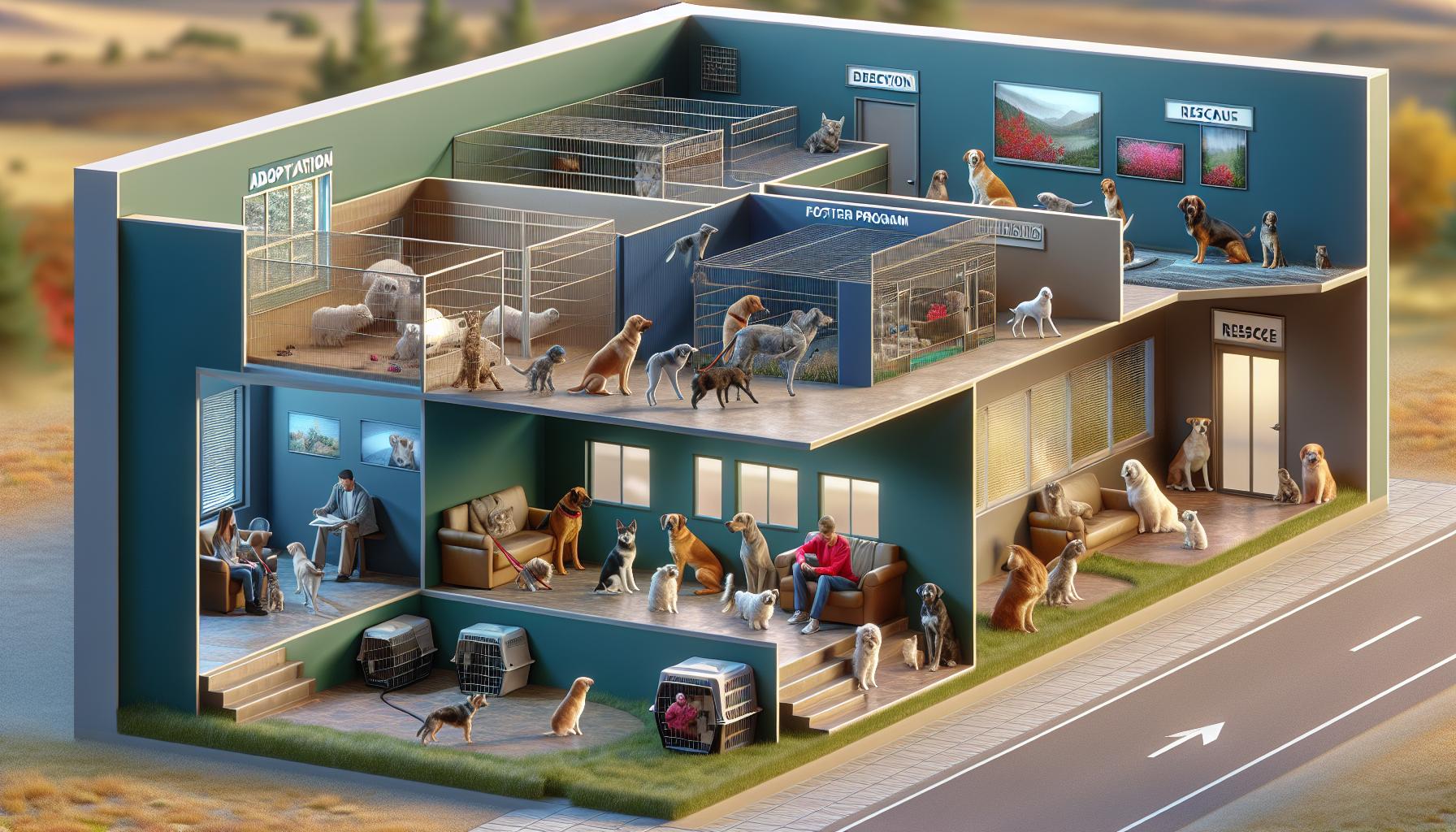
Understanding Pet Adoption Programs
Every year, millions of pets across the United States are in need of new homes. Understanding the various types of pet adoption programs can unlock the mystery behind this crucial aspect of animal welfare. Choosing the right program not only impacts the lives of these animals but also enriches the lives of adopters.
The landscape of pet adoption is diverse and can be categorized into several programs, each with unique features and benefits. Here are some common types of programs:
- Animal Shelters: Often operated by local governments or non-profits, these facilities provide a second chance for lost or abandoned pets. Shelters may have varying policies regarding the time pets can stay before they are placed for adoption, impacting their ultimate fate. These organizations prioritize public health and safety, often spaying or neutering animals prior to adoption and providing essential vaccinations.
- Rescue Groups: These organizations focus on saving specific breeds or types of animals, offering them specialized care and matching them with suitable families. For instance, a Beagle rescue group might have volunteers experienced in the breed’s unique behaviors and needs, ensuring a better fit between pet and owner. Such groups often foster animals in homes rather than shelters, leading to improved socialization with humans and other pets.
- Foster Programs: Pets are placed in temporary homes, allowing them to live in a family setting while waiting for permanent adoption. These programs are vital as they reduce shelter overcrowding and give pets a chance to develop their personalities outside of the often-stressful shelter environment. Foster families can also provide information on a pet’s behavior, helping the adoption process.
- Adoption Events: Hosted by various organizations, these events aim to connect potential pet owners with animals in need of a home. Events often take place in community centers, parks, or retail venues, and provide opportunities for pet interactions. Being face-to-face with a pet can create a strong emotional connection, often resulting in immediate adoptions.
Each of these programs plays a pivotal role in improving the lives of animals and communities alike. By exploring the differences and advantages of each type, prospective pet owners can find the perfect match to fit their lifestyle and preferences. For instance, someone living in an apartment may prefer a smaller dog from a rescue group familiar with apartment living, while a family with kids may benefit from adopting through a local shelter that can provide guidance on family-friendly pets.
In addition to varying pet needs, adoption programs also highlight the importance of community involvement. Volunteers and community members can become advocates for animal welfare through fostering, volunteering, or even just spreading awareness. Adopting a pet is not just about finding a new friend; it’s about engaging in a shared responsibility to care for and protect vulnerable animals.
Overall, navigating the diverse world of pet adoption programs can lead to fulfilling relationships for both pets and their adopters. Understanding what each program offers, including the emotional support and guidance, enhances the chances of a successful and lasting partnership.
LEARN MORE: Click here for essential tips
Diving Deeper Into Pet Adoption Programs
As potential adopters embark on the journey to find their perfect furry companion, understanding the nuances of different pet adoption programs becomes essential. Each type of program is crafted to address specific needs within the pet population, ensuring that animals are placed in homes where they can thrive. Let’s explore some of the major categories of pet adoption programs in more detail, investigating how they function and the benefits they offer to both pets and their future families.
1. Animal Shelters
Animal shelters serve as the frontline in the battle against pet homelessness. Typically run by local governments or non-profit organizations, these facilities take in lost, abandoned, or surrendered pets. Each year, millions of animals pass through their doors, making them a critical resource in the fight to provide every pet with a loving home.
It’s important to note that each shelter may have its own policies regarding the care and adoption of animals. Many shelters perform necessary procedures such as spaying or neutering pets and providing vaccinations to ensure public health. Their approach often hinges on the balance between promoting animal welfare and managing community safety. For instance, some shelters have limited space and may need to make tough decisions about which animals can stay. Understanding these dynamics can enrich an adopter’s perspective on the shelters’ mission.
2. Rescue Groups
Rescue groups function as specialized organizations dedicated to specific breeds or types of animals. Unlike shelters, which often have a diverse array of pets, rescue groups focus their efforts on providing care for particular breeds, such as Golden Retrievers, Dachshunds, or even smaller animals like rabbits and guinea pigs. This focus allows rescuers to give in-depth attention to the breed’s unique characteristics and needs, which can lead to better matches between pets and potential adopters.
Many rescue groups operate primarily through volunteer foster homes rather than traditional shelter settings. This enables pets to live in family environments, allowing their true personalities to emerge outside the confines and stress of a kennel. Consequently, foster families can provide insightful observations about a pet’s behavior, helping potential adopters make informed decisions.
3. Foster Programs
Foster programs have become increasingly popular as they provide a temporary safe haven for pets awaiting permanent adoption. This model alleviates shelter overcrowding and allows pets to experience life in a home environment, which can be crucial for their emotional well-being. Foster families not only care for the pets but also engage in socializing and training, making them more adoptable.
- Foster programs reduce anxiety and stress associated with shelter life.
- They provide personalized attention and care.
- Foster families can relay vital information about a pet’s habits, preferences, and temperament.
By participating in fostering, community members directly contribute to decreasing the number of homeless pets and enhancing the overall adoption process. Their roles can make a significant impact on the lives of these vulnerable animals.
As we navigate through the various pet adoption programs, it becomes increasingly clear that understanding each option is pivotal for making an informed and compassionate decision. Whether it’s a local shelter, a breed-specific rescue group, or a vital foster network, each program plays a crucial role in improving the lives of animals in need and illuminating the path to finding the ideal pet match.
| Category of Adoption Program | Advantages |
|---|---|
| Public Shelters | Affordable adoption fees with a variety of pets available. |
| Rescue Organizations | Focused on specific breeds, offering expert guidance and support. |
| Foster Care Programs | Pets are socialized and loved in a home environment prior to adoption. |
| Nonprofit and Charitable Organizations | Support for medical care and training, ensuring a healthy pet. |
Understanding the variety of pet adoption programs is essential for prospective pet owners. Each type of program offers unique advantages that cater to different needs and preferences. For example, public shelters provide a wide selection of animals at low or no cost, helping to foster a community spirit of compassion and responsibility towards animals. Conversely, rescue organizations allow individuals to adopt breed-specific animals, often coupled with in-depth knowledge about the pet’s history and behavior, ensuring a more tailored fit for the adopter’s lifestyle.Programs that involve foster care allow pets to thrive in a family setting, preparing them for future adoptions by cultivating positive behaviors. On the other hand, nonprofit and charitable organizations may also assist in creating programs that provide ongoing medical care and training, substantially supporting the pet’s well-being. Investigating these options unlocks numerous pathways to find the perfect furry companion, enriching the lives of both pets and adopters while addressing the critical issue of animal homelessness.
DIVE DEEPER: Click here to discover why veterinary documentation matters
Exploring Specialized and Community-Based Adoption Programs
In addition to animal shelters, rescue groups, and foster programs, there exist multiple specialized and community-based pet adoption programs that cater to unique circumstances and underserved populations of animals. These programs not only expand the landscape of potential pet ownership but also elevate awareness about specific issues related to pet welfare.
4. Breed-Specific Rescue Organizations
Breed-specific rescue organizations play a crucial role in the pet adoption ecosystem by focusing on particular breeds that may be at higher risk for abandonment or euthanasia. For example, organizations dedicated to adopting out breeds like Pit Bulls or Staffordshire Terriers often encounter significant stigmas, leading to longer wait times for adoption. These rescues work diligently to combat misconceptions through educational outreach, emphasizing the positive traits and potential of these dogs.
Since breed traits can significantly influence an animal’s behavior and health, potential adopters can benefit from the specialized knowledge these organizations provide. They often conduct thorough assessments and elaborate on what life with a specific breed entails. For those interested in adopting a purebred pet, these rescue organizations present a valuable alternative to commercial breeders or puppy mills.
5. Senior Animal Adoption Programs
Senior animal adoption programs focus on placing older pets in loving homes, recognizing that these animals often face the greatest challenges and are among the last to be adopted. Agencies facilitating these initiatives understand that senior pets often exhibit calm temperaments and training experience, which make them excellent companions.
These programs frequently include incentives for potential adopters, such as reduced adoption fees or comprehensive support services post-adoption. For instance, some organizations provide adoption packages that may cover veterinary expenses or even ongoing assistance with health care and training. The growing recognition of the emotional rewards of adopting older pets contributes to a shift in public perception about their desirability.
6. Community-Based Adoption Events
Community-based adoption events are becoming more popular as a way to engage local residents and raise awareness about the importance of pet adoption. These events, often held in collaboration with businesses, parks, or festivals, provide an exciting and interactive way for individuals to meet available pets in a casual setting. Vendors set up booths with adoptable animals, creating a family-friendly atmosphere that emphasizes community connection and responsible pet ownership.
These events often include educational components, such as workshops on pet care or sessions on how to handle pet-related issues. This fosters an environment where potential adopters can ask questions and learn about the responsibilities involved in pet ownership. By breaking down the barriers to interaction, community-based adoption events not only facilitate adoptions but also cultivate a culture of compassion and empathy towards animals in need.
- Increased visibility: These events make pets more accessible to potential owners.
- Community engagement: Residents come together to support local shelters and rescues.
- Education: Attendees learn the importance of adoption and how to care for new pets.
Each of these programs embodies a unique approach to pet adoption, catering to diverse populations of animals and engaging communities in meaningful ways. As society moves towards a greater understanding of animal welfare, exploring these varied adoption programs will empower individuals to make educated decisions, ensuring a loving and lasting home for countless pets. With each type offering specific benefits, prospective pet owners can now approach the adoption process with a well-rounded perspective, ensuring they find the perfect match for their lifestyle.
LEARN MORE: Click here to discover senior pet nutrition tips.</
Conclusion: Embracing the Diversity of Pet Adoption Programs
In conclusion, understanding the different types of pet adoption programs reveals a rich tapestry of options that cater to a wide array of animal needs and prospective pet owners. From breed-specific rescue organizations that challenge misconceptions about specific breeds to senior animal adoption programs that highlight the virtues of older pets, each initiative serves a vital role in promoting responsible pet ownership and enhancing the welfare of animals. Moreover, community-based adoption events contribute to a collaborative environment where community members can connect with animals and learn about the rewards and responsibilities of pet ownership.
This growing landscape of adoption efforts not only enriches the experience of finding a pet but also fosters a profound sense of empathy and awareness within communities. As potential adopters explore these unique programs, they are encouraged to delve deeper into the specific needs and characteristics of the animals they consider bringing into their homes. The collective benefits of these adoption programs aim to diminish the stigma surrounding certain breeds, elevate the status of senior pets, and promote a culture of compassion for all animals in need.
By embracing and supporting various pet adoption programs, we pave the way for lasting bonds between humans and animals while helping to create a future where every pet has a loving and responsible home. As we champion these initiatives, let us continue to advocate for the unique needs of pets throughout the country, ensuring that every animal finds the love and care they deserve.