The Play Behavior in Pets: How Games and Play Activities Promote Mental and Physical Health
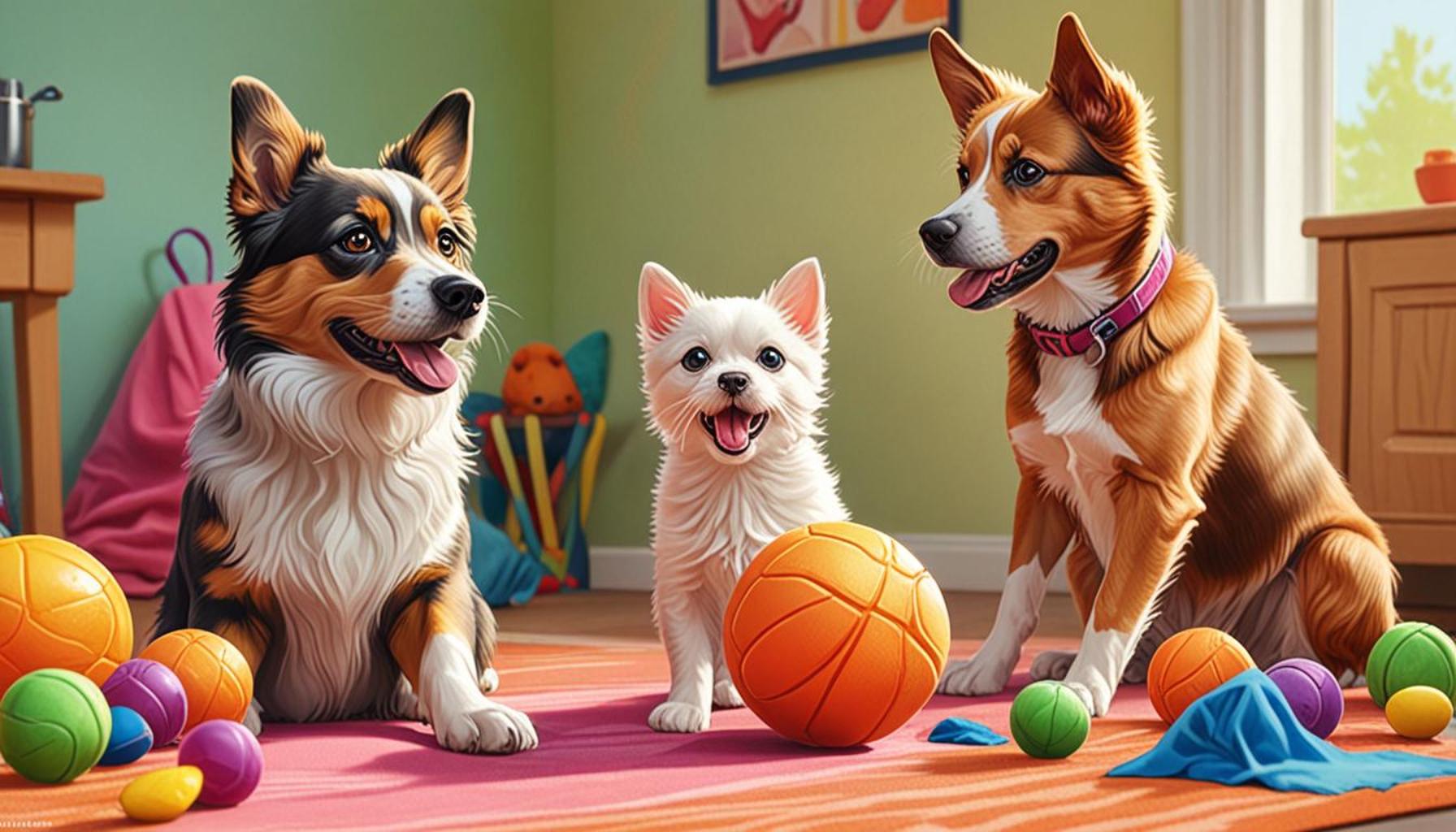
The Importance of Understanding Play Behavior
Understanding play behavior in pets is essential for enhancing their overall well-being. Just as children learn through play, pets also engage in various games and playful activities. These moments are not merely for entertainment; they have profound impacts on both mental and physical health. By recognizing the value of play in an animal’s life, pet owners can create an enriching environment that supports their furry companions’ development.
Play serves a multitude of purposes for our furry friends, and the benefits are vast. Understanding these can help in selecting the right types of activities. Here are some key benefits:
- Exercise: Activities like chasing a ball or tugging on a rope not only provide essential physical exercise but also help maintain a healthy weight. For instance, a daily game of fetch can expend a dog’s energy, preventing obesity-related health issues such as diabetes or joint problems.
- Social Skills: Interactive play fosters better relationships with other animals and humans. For example, dogs who regularly interact with other dogs at a park typically display more sociable behaviors, such as appropriate greetings and playing well with others. This socialization is crucial for reducing anxiety and aggression.
- Mental Stimulation: Engaging toys and puzzles can prevent boredom and enhance cognitive function. Toys that require problem-solving, like treat-dispensing puzzles, can challenge pets and keep them mentally sharp. A bored pet isn’t just unhappy; they can exhibit destructive behaviors like chewing furniture or excessive barking.
Incorporating play into a pet’s daily routine isn’t just fun; it’s vital for their happiness and development. Regular playtime helps release pent-up energy and reduces behavioral issues, making for a more harmonious home environment. But what types of games and play activities are most beneficial? Understanding your pet’s unique play behavior can further enhance your relationship with them.
This article will dive deeper into the play behaviors of different pets, exploring the significance of games and activities tailored to their needs. From dogs to cats to even smaller pets like rabbits and ferrets, understanding how to engage them can transform their health and strengthen the human-animal bond.
Types of Play Activities
Each type of pet has its own preferences for play. For instance, while dogs generally enjoy fetch or tug-of-war, cats may prefer interactive toys like laser pointers or feather wands that stimulate their natural hunting instincts. Moreover, smaller pets thrive in environments that allow them to explore, climb, and hide. Understanding these preferences not only maximizes enjoyment but also leads to more meaningful interactions that can engage and educate both the owner and the pet.
Ultimately, investing time in understanding and facilitating play can greatly enhance your pet’s quality of life. Their health, happiness, and the strength of your bond depend on it. The world of pet play is vast and inviting, offering endless opportunities for fun, learning, and companionship. So, grab a toy, engage with your pet, and watch the joy unfold!
LEARN MORE: Click here for essential tips
Diverse Play Activities Across Species
When it comes to understanding play behavior in pets, it is essential to recognize that different species exhibit unique preferences and needs. This diversity in play styles resonates not just with the animals themselves, but also ties into essential aspects of their mental and physical health. By tailoring play activities to match each pet’s instincts and interests, owners can harness the full potential of these bonding experiences.
For example, dogs are often known as natural athletes, and their play behaviors reflect this trait. Activities like fetching, frisbee, and agility courses not only provide valuable exercise but also stimulate their problem-solving skills and social instincts. In contrast, cats, as hunters at heart, tend to gravitate towards activities that mimic hunting scenarios. Feather wands and laser pointers can help fulfill their predatory instincts while keeping them agile and engaged. Understanding these innate preferences allows pet owners to create a stimulating environment that caters to their pets’ natural behaviors.
Smaller pets, such as rabbits, guinea pigs, and even ferrets, require an entirely different approach to play. These animals thrive in environments that allow for exploration and interaction with their surroundings. Items like tunnels, hiding spaces, and chew toys not only encourage physical activity but also provide mental stimulation as they navigate through their environments. It’s crucial for owners to observe how their pets interact with different toys or play setups, as this can indicate what types of stimuli they prefer.
The following are some engaging play activities categorized by type of pet:
- For Dogs: Games like fetch, tug-of-war, and hide-and-seek are perfect for high-energy breeds. Additionally, puzzle toys can be used to enhance cognitive skills.
- For Cats: Interactive toys, such as laser pointers and feather toys, simulate hunting, while scratching posts satisfy their instinct to claw and climb.
- For Small Pets: Activities that involve tunnels, ramps, and chew toys encourage both physical activity and exploration, crucial for their well-being.
Regardless of the species, the essential benefit of interactive play cannot be overstated. Engaging in regular play helps pets expend energy, reducing the possibility of destructive behaviors, and provides an avenue for physical fitness. Moreover, a well-balanced play routine enhances the mental well-being of pets, contributing to lower stress levels and improved overall health.
Incorporating play into your pet’s daily routine is more than just a fun pastime; it is a vital component of their happiness and development. By fostering an environment that encourages play based on observed preferences, pet owners can significantly improve the quality of life for their beloved companions. As we delve deeper into the nuances of play behavior, understanding the motivations that drive each type of pet is essential for enhancing the play experience and bonding together.
| Category | Benefits |
|---|---|
| Mental Stimulation | Engaging pets in various games can enhance their problem-solving abilities and overall cognitive function. |
| Physical Health | Active play reduces obesity risks and promotes cardiovascular health through regular physical activity. |
| Socialization | Play promotes social skills in pets, making them more comfortable around humans and other animals. |
| Stress Reduction | Interactive play can significantly lower anxiety levels and elevate mood, providing essential emotional support for pets. |
Pets, like humans, thrive on interaction and new experiences. Engaging in play not only enriches their environment but also nurtures their mental and physical health. Games that stimulate thinking, such as puzzles or fetch, can sharpen their cognitive skills and make them adept problem-solvers. At the same time, keeping them physically active through fun exercises aids in maintaining a healthy weight and prevents health complications.Moreover, play offers an opportunity for socialization. This mirrors the natural instincts of pack animals, which helps them develop their social skills, creating more harmonious relationships with their human companions and other pets. Not to forget, play acts as a great stress reliever. It is a form of emotional therapy, redirecting pent-up energy into positive actions that uplift their spirits.Understanding these aspects can inspire pet owners to integrate play into their routines, fostering a lifestyle where mental agility and physical health are paramount for their beloved companions. Whether it’s a simple game of chase or an intricate puzzle, each moment spent playing contributes to a pet’s overall well-being. Educating oneself about the types of play that resonate most with their pet can lead to delightful discoveries and stronger bonds.
LEARN MORE: Click here to discover why strong socialization is essential for pets
The Importance of Mental Stimulation
Beyond merely entertaining our furry companions, play behavior is a crucial vehicle for promoting mental stimulation. Engaging in diverse play activities not only taps into the natural instincts of pets but also fosters cognitive development, allowing pets to enhance their learning, memory, and problem-solving abilities. In fact, studies have shown that mentally enriched animals exhibit improved behavioral outcomes and overall happiness.
For dogs, activities like navigating agility courses or participating in scent detection games engage their minds and offer opportunities to learn new tricks. Notably, research from the University of Oregon states that dogs who partake in regular mental challenges display signs of reduced anxiety, greater focus, and improved obedience. Furthermore, introducing variety into play routines helps prevent boredom. This is crucial since dogs that lack appropriate mental engagement may resort to negative behaviors, such as excessive barking or chewing on furniture.
Cats benefit similarly from mental challenges. Their natural predatory instincts can be simulated using food-dispensing toys or puzzle feeders. These tools encourage cats to strategize and utilize their hunting skills, which is both fulfilling and mentally stimulating. A study from the Journal of Veterinary Behavior suggests that cats enriched with interactive toys show marked improvements in their emotional well-being, demonstrating lower stress levels and reduced traffic-related anxiety.
Promoting Social Skills Through Play
Another critical aspect of play activities is their role in promoting social skills among pets. Socialization through play is not just limited to interactions between pets and their human owners; it also encompasses interactions with other pets. Regular playdates or trips to dog parks can enhance a pet’s social behavior, as they learn to communicate, establish hierarchies, and interact appropriately with others.
Dogs, in particular, thrive in social environments where they can engage in group play. Activities such as tug-of-war, chase, or even structured classes for obedience or agility not only provide physical exercise but also nurture their social instincts. These interactions are vital for younger dogs as they shape their understanding of canine body language and social cues. Exposure to various playmates also cultivates adaptability and confidence, traits essential for well-adjusted adults.
For cats, social play is equally significant, albeit in a more nuanced way. While many cats enjoy solitary play, interactions with fellow felines can be beneficial in promoting happiness and extended play sessions. Moreover, introducing toys that require teamwork can help foster bonds between cats and their human counterparts. Engaging with a cat using a fishing rod-style toy, for instance, not only entertains the feline but also strengthens the connection between pet and owner.
The Long-Term Benefits of Play
The positive impacts of structured play routines extend beyond the immediate. Engaging regularly in play can lead to long-term health benefits for pets. Active pets are statistically less prone to obesity, joint issues, and other physical ailments linked to inactivity. By incorporating play into daily routines, owners can effectively combat the epidemic of pet obesity – a growing concern in the United States, with approximately 60% of pets classified as overweight or obese, according to the Association for Pet Obesity Prevention.
Moreover, pets indulging in active play tend to have stronger immune systems and a more balanced mood. The endorphins released during play activities can combat stress, anxiety, and depression, thereby contributing to a balanced lifestyle. Engaging pets in such activities also enhances their overall quality of life, fostering stronger human-animal bonds. As owners witness the positives of an enriched play environment, the ripple effect on shared happiness becomes evident.
DISCOVER MORE: Click here to enhance your pet’s life
Conclusion: The Holistic Impact of Play on Pet Health
In conclusion, play behavior in pets serves as a multifaceted approach to enhancing both their mental and physical health. Engaging in play is not just a form of entertainment; it plays a crucial role in improving cognitive function and stimulating mental growth in pets. Activities that challenge their instincts lead to enhanced learning and solidify stronger relationships with their human companions. Therefore, incorporating diverse play routines can prevent boredom-related behaviors and build a more confident, well-adjusted pet.
The social benefits of play cannot be overstated. Through interaction with other animals, pets develop essential social skills that contribute to their overall well-being. These social interactions encourage communication and adaptability, ultimately fostering a network of happy, healthy playmates. For pet owners, facilitating these interactions can greatly improve their bond with their furry friends, as shared playtime leads to joyful moments and cherished memories.
Moreover, consistent physical activity through play addresses the pressing issue of pet obesity, a growing epidemic in the United States. With approximately 60% of pets classified as overweight or obese, maintaining an active play routine has never been more critical. The long-term benefits, including better mood, stronger immune systems, and enhanced quality of life, highlight the indispensable role of play in a pet’s journey.
Ultimately, recognizing the importance of play as a cornerstone of pet care can pave the way for happier, healthier lives for our beloved companions. As pet owners, it is essential to prioritize a rich, interactive play environment that satisfies both their physical needs and mental cravings for stimulation. Embrace the joy of play, and watch as it transforms the lives of pets and their human families alike.