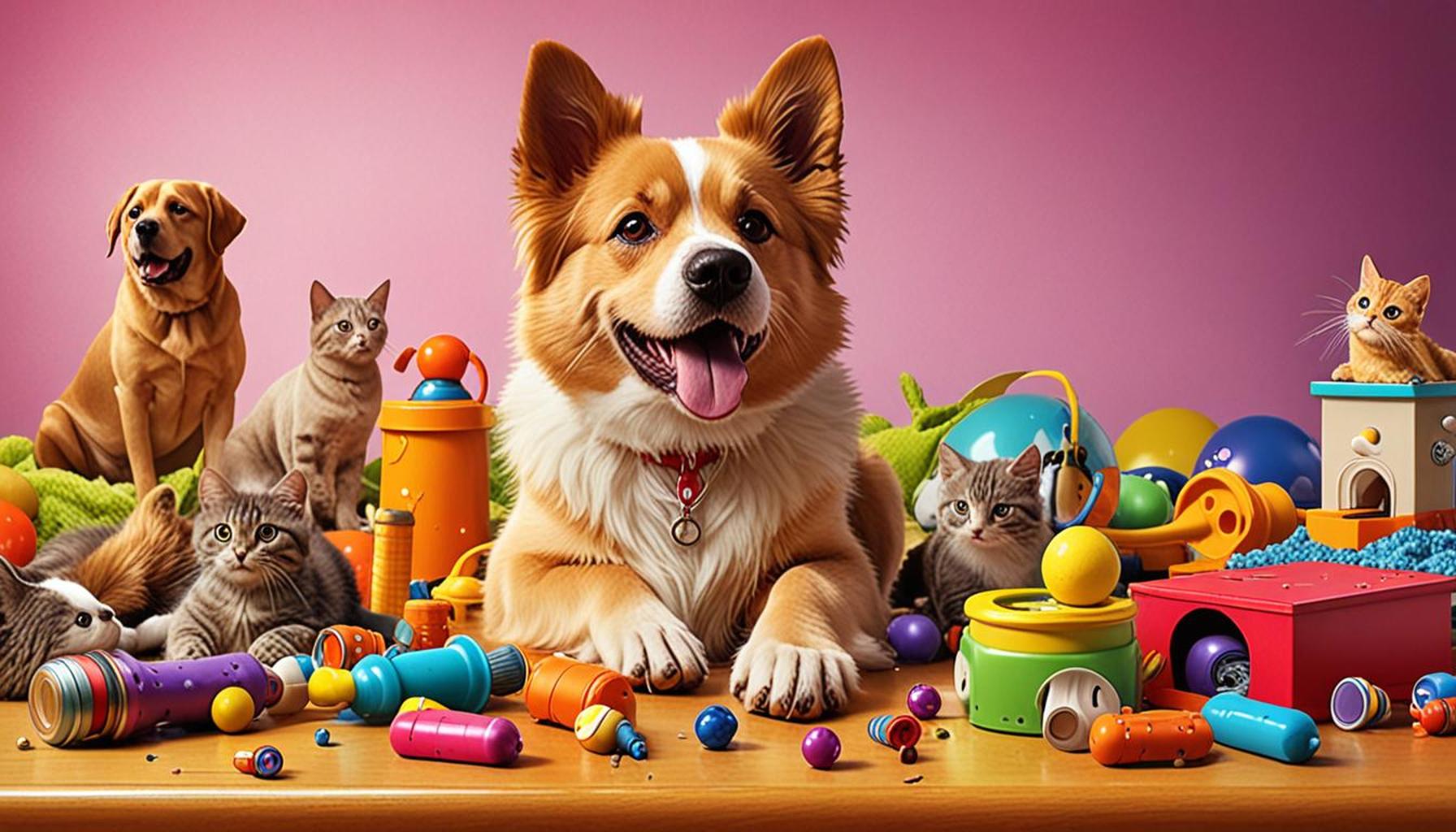
The interactions between different pet species: how coexistence affects behavior and well-being

The Dynamics of Multiple Pet Households
In homes across the United States, the coexistence of diverse pet species is becoming increasingly common. This fascinating dynamic raises important questions regarding how these interactions shape not only their behavior but also their overall well-being. Pet owners often find themselves navigating the complex relationships between their different furry, feathered, or scaly companions.
Pets, including dogs, cats, birds, and small mammals, can learn to share their space. This coexistence can lead to both beneficial and challenging outcomes. Let’s delve deeper into some of these interactions and their implications:
- Positive behavioral changes: The interaction among different species can foster improved social skills. For example, a dog that regularly interacts with a cat may develop a gentler demeanor, realizing that roughhousing is not always welcomed. This new approach can help reduce anxiety in both animals, leading to a more relaxed atmosphere in the home.
- Heightened stress levels: Conversely, competition over resources, such as food, toys, or even owner attention, could lead to conflicts. It is not uncommon for a dominant dog to intimidate a shy cat, which may result in the cat feeling constantly on edge, affecting its health. Ensuring that each pet has its own space and resources is crucial in mitigating these stressors.
- Enhanced physical activity: Interaction with other species often encourages playful behavior. For example, a playful rabbit can entice a lazy dog to join in a game of chase around the living room, promoting physical activity for both. This kind of engagement is beneficial in keeping pets fit and mentally stimulated.
The nuances of interspecies interactions provide a window into animal behavior that merits exploration. Various studies illustrate how social dynamics among pets can influence their emotional states, ultimately affecting their health. Research has shown that pets who have positive interactions with other species tend to exhibit lower cortisol (the stress hormone) levels, contributing to a longer, healthier life.
Moreover, understanding these unique relationships can help pet owners foster a more harmonious environment. Techniques such as gradual introductions, creating designated spaces for each pet, and providing ample resources can significantly enhance the cohabitation experience. Observing their body language and vocalizations can also give pet owners insight into their emotional states, helping to address conflicts before they escalate.
This article will delve into the intricate world of pet interactions, examining how different species affect one another while also shedding light on techniques to promote peaceful coexistence. Join us as we uncover the balance between harmony and conflict in multi-species households, empowering pet owners to create a loving and supportive home for all their companions.
DISCOVER MORE: Click here to learn effective training methods
Understanding Interspecies Dynamics
The interactions between different pet species can evoke a spectrum of behaviors that transcend simple coexistence. When analyzing households that house multiple pets, it becomes evident that these relationships are not merely based on tolerance; they can significantly influence each animal’s behavior and well-being. Delving into this intricate web of bonds offers pet owners vital insights on optimizing their pets’ living conditions.
Each species comes with distinct behaviors and communication styles, posing an interesting challenge and opportunity for harmonious living. For example, dogs are generally social animals, thriving in packs, while cats often exhibit more solitary tendencies, breaking away from their communal instincts. The ability of one species to understand and adapt to the communication methods of another can greatly enhance the quality of life in multi-pet households.
The Role of Social Learning
One fascinating aspect of these interspecies relationships is social learning. Animals often learn from observing one another, which can manifest in positive or negative ways depending on the interactions. A famous study highlighted how dogs, when exposed to cats, began to modify their behaviors to become less aggressive. This adjustment led to a noticeable decrease in tension when the two species shared living space. Furthermore, cats tend to become more active when engaging with playful dogs, creating an environment conducive to physical activity and mental stimulation.
Potential Conflicts and Stressors
While there are numerous benefits to interspecies relationships, the potential for conflict should not be underestimated. Conflicts often arise from competition for resources such as food, space, and attention. In households where a dominant pet exists, such as an assertive dog, it might inadvertently instill fear in more timid companions, like a shy rabbit or a reserved cat. This hierarchy can lead to increased stress levels for the submissive pets, resulting in behavioral issues like aggression, hiding, or compulsive behaviors.
To mitigate these stressors, providing clear boundaries is essential. Here are critical strategies to promote harmonious coexistence in multi-species households:
- Gradual Introductions: Introduce pets to each other slowly to reduce initial fear and anxiety.
- Personal Space: Designate separate areas for each species to retreat to when they need solitude.
- Adequate Resources: Ensure each pet has access to their own food, toys, and other necessities to prevent competition.
Recognizing these factors allows pet owners to create an environment that fosters peace and happiness. Observing body language and vocalizations among pets can shed light on their comfort levels, enabling owners to intervene before conflicts arise. The delicate balance between fostering encouragement and managing stress illustrates the complexities of interspecies dynamics.
In conclusion, the interactions among various pet species can significantly impact their behavior and well-being. By comprehensively studying these relationships, pet owners can cultivate a thriving, enjoyable atmosphere for their beloved companions.
Understanding the dynamics of coexistence among different pet species can reveal fascinating insights into their behavior and well-being. Many households today have multiple pet species sharing living spaces, from cats and dogs to birds and small mammals. These interactions often lead to unique patterns of behavior that owners might not expect. For instance, dogs may adopt certain feline behaviors when they live with cats, showcasing a level of adaptability that underscores the complexity of interspecies relationships.
Furthermore, the social structure within mixed-species households can significantly enhance the emotional health of pets. A study showed that social animals like dogs and cats can thrive through companionship, leading to reduced stress and anxiety levels. This is especially relevant for pets known to experience separation anxiety; the presence of another species can provide comfort and companionship. Conversely, conflicts can arise, as some species have predatory instincts that may not be compatible with their housemates. Understanding these instinctual behaviors can be crucial for creating a harmonious living environment.
The specific interactions that unfold between pet species can also impact their learning and development. For example, a young puppy raised alongside cats might learn to navigate social cues more effectively, gaining communication skills that could be less pronounced if they were only with their own kind. This interaction can foster enhanced adaptability and socialization, showcasing just how crucial the habitat’s social fabric is in shaping behavior.
It’s equally important to note that coexistence may present challenges as well. Misunderstandings between species can lead to stress, which, if unmanaged, could affect their overall well-being. When integrating different pets into a home, gradual introductions and careful monitoring of interactions are essential to foster positive relationships. Each pet’s individual needs and temperament should be taken into account to ensure a balanced and nurturing environment.
| Category | Details |
|---|---|
| Social Interaction | Inter-pet friendships can improve emotional health and reduce anxiety. |
| Behavioral Adaptation | Pets often learn social cues from each other, enhancing their adaptability. |
This intricate interplay of behaviors between different pet species emphasizes the need for an informed and empathetic approach to pet ownership. As we delve deeper into the world of mixed-species households, the implications for their behavior and well-being become increasingly clear and intriguing.
DISCOVER MORE: Click here to learn how socialization shapes dog behavior
Positive Effects of Coexistence
While the potential for conflicts in multi-pet households certainly exists, it is crucial to emphasize the positive aspects of interspecies interactions, which can enhance both behavior and overall well-being. The presence of another species can become a catalyst for change, promoting healthier lifestyles and psychological enrichment.
Enriching Environments
Having multiple pet species can create a more stimulating environment, which is particularly beneficial for animals like cats and rabbits that might otherwise become bored when left alone. For instance, a study by veterinary behaviorists found that cats who live with dogs display increased playfulness and engagement, often mimicking the dogs’ more active nature. This transfer of energy encourages physical exercise, which is vital for maintaining a healthy weight and preventing obesity-related health issues.
Moreover, the presence of another pet can mitigate isolation, significantly reducing the risk of behavioral problems stemming from loneliness. Animals that are socialized with different species often exhibit improved adaptability and resilience. For example, a gentle rabbit might learn to explore and engage more actively with its environment due to the playful influence of an affable dog. This leads to an overall more dynamic household setting.
Building Bonds Through Shared Experiences
The foundation of cohabitation among different species often lies in their ability to form bonds. Shared experiences, such as playtime, mealtime, or even casual lounging, can foster deep connections, enhancing emotional well-being. Notably, research suggests that animals in multi-species environments often experience reduced anxiety levels because of the companionship, creating a sense of security and stability.
- Cross-Species Play: Engaging in play can strengthen the bond between pets, encouraging cooperative behaviors. For instance, a dog and a cat might engage in gentle games of chase, promoting both physical and mental exercise.
- Fostering Empathy: Coexisting with different species allows pets to develop a sense of empathy and understanding, aiding them in socializing with other animals, both within and outside the home.
Such bonds can lead dogs to exhibit protective behaviors towards their feline counterparts and vice versa. The interdependence nurtured through companionship enhances their overall quality of life, leading to happier and more fulfilling relationships.
The Role of Oversight in Ensuring Harmony
For the benefits of coexistence to flourish, pet owners must remain vigilant. Regular monitoring of interactions is vital to prevent the emergence of negative behaviors that can stem from misunderstandings. Understanding proper body language plays a key role in fostering safe interactions. For example, recognizing when a cat’s tail flicks agitatedly or when a dog’s ears lay flat can signal distress, prompting timely intervention before tensions escalate.
Additionally, ensuring that all pets receive adequate attention can diminish feelings of jealousy or inadequacy. While establishing a routine for feeding, playtime, and training, owners should strive to provide equal attention to each pet, thereby reinforcing a sense of belonging and stability throughout the household.
As pet owners navigate the intricate landscape of interspecies interactions, embracing both the challenges and opportunities facilitates a balanced atmosphere that can be beneficial for all parties involved. Awareness and intentionality empower owners to cultivate a loving environment where every animal can thrive.
LEARN MORE: Click here for insights
Conclusion: Embracing Interspecies Harmony
In conclusion, the interactions between different pet species reveal a fascinating dynamic that extends beyond mere cohabitation. By exploring how coexistence can profoundly affect behavior and well-being, we’ve uncovered the significant benefits that arise when animals of diverse species live together in harmony. Creating a stimulating environment through this interplay fosters not only physical vitality but also emotional stability, enhancing the overall quality of life for pets.
The emotional bonds established through shared experiences, such as playing or relaxing together, contribute positively to the mental health of animals. They help build resilience, reduce anxiety, and even inspire empathy—a critical trait that encourages better socialization among pets. Empirical evidence indicates that multi-pet households can lead to remarkable transformations in behavior; for instance, the vibrant energy of a dog can invigorate a passive cat, promoting a more active and engaging lifestyle.
However, it is essential for pet owners to approach this balance with intentionality. Providing each animal with equal attention, understanding their body language, and monitoring interactions are crucial steps to ensure that the peace and positive influence among pet species are maintained. Through a commitment to nurturing these interspecies relationships, pet owners not only enhance the happiness of their animals but also contribute to a fulfilling household atmosphere. All in all, recognizing the potential of coexistence empowers families to cultivate an enriched living experience for their beloved companions, ultimately steadfast in their shared journey of learning and growth.