
The influence of environmental enrichment on pet well-being
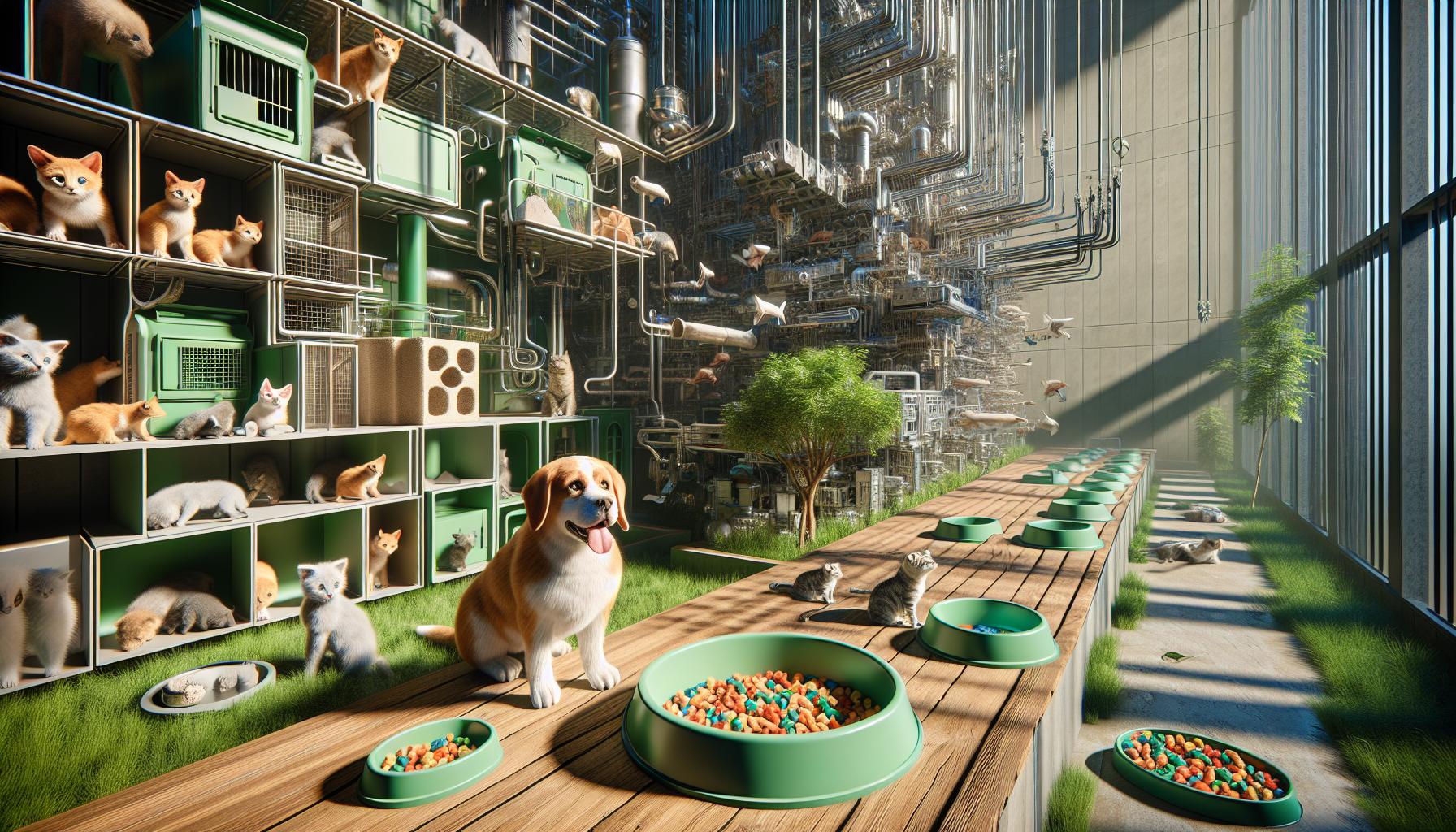
Understanding the Importance of Environmental Enrichment
In today’s fast-paced world, ensuring our pets lead fulfilling lives is more crucial than ever. As pet ownership continues to rise in the United States, it has become essential to delve deeper into their emotional and physical needs. One cannot overlook the significance of environmental enrichment, which serves as a pivotal factor in cultivating a happy and well-adjusted pet.
At its core, environmental enrichment involves enhancing a pet’s living space to cater to their instinctual needs. This encompasses a variety of components, including:
- Interactive toys that promote mental engagement, such as treat-dispensing puzzles that challenge pets to think and strategize.
- Varied landscapes featuring climbing structures or tunnels that satisfy a pet’s natural urge to explore and hide.
- Social interactions with other pets or humans, fostering companionship and reducing loneliness.
- Scent trails and puzzle feeders that mimic hunting behaviors, allowing pets to use their keen sense of smell in a playful setting.
Research has demonstrated numerous benefits associated with enhancing a pet’s environment. For instance, studies show that dogs exposed to interactive play and varied environments exhibit reduced stress and anxiety. These mental challenges stimulate cognitive functions, leading to a more balanced emotional state.
Furthermore, enhanced environments contribute significantly to improved physical health. Activities like climbing or navigating through tunnels promote exercise, which is vital for maintaining a healthy weight and overall well-being. Regular physical activity helps prevent obesity-related issues, like diabetes and joint problems, which are increasingly common among pets in sedentary households.
The cognitive benefits are equally notable. Through environmental enrichment, pets develop enhanced cognitive skills, such as problem-solving abilities and increased adaptability to new situations. This not only results in a more fulfilled pet but can also lead to a decrease in behavioral issues related to boredom and frustration.
As we explore the diverse realm of environmental enrichment, it becomes evident that even small adjustments can dramatically impact our pets’ quality of life. For instance, incorporating a simple DIY obstacle course in your living room can incite excitement and curiosity in your dog or cat, prompting them to engage in play that stimulates both body and mind.
This enlightening journey reveals not only the why behind enrichment but also practical strategies for pet owners eager to implement creative solutions at home. By fostering an enriching environment, families can significantly enhance the lives of their furry companions, ultimately leading to happier, healthier pets who bring joy to our lives.
DISCOVER MORE: Click here to learn about the importance of pre-adoption resources</
Exploring the Benefits of Environmental Enrichment
Environmental enrichment goes beyond mere aesthetics; it caters to the complex psychological and physical needs of pets, ultimately leading to enhanced well-being. This concept is deeply rooted in the idea that pets, much like humans, require stimulation to thrive both mentally and physically. Pet owners who understand this can create environments that significantly improve their furry companions’ quality of life.
Studies indicate that pets living in enriched environments show vast improvements in behavior and overall health. For example, a study from the Journal of Animal Behavior found that dogs given access to toys and social interaction displayed fewer signs of anxiety and aggression. These findings underscore the profound impact that mental stimulation has on a pet’s emotional state. But how does environmental enrichment achieve such a transformation?
At the heart of environmental enrichment are several key components that pet owners can easily implement. These include:
- Varied play opportunities that include both solitary and interactive activities to maintain a sense of excitement.
- Natural elements, such as plants or safe outdoor access, to provide sensory experiences and replicate a pet’s instinctual habitat.
- Training and bonding time, which fosters social skills and mental engagement, enhancing the pet-human relationship.
- Experimentation with scents and tastes, utilizing different foods or scents to stimulate a pet’s sense of smell, encouraging foraging behaviors.
Furthermore, the enhancement of a pet’s living space not only fosters mental well-being but also encourages physical activity. Engaging in regular play prevents obesity, a growing concern among pet owners. According to the Association for Pet Obesity Prevention, approximately 54% of dogs and 59% of cats in the United States are classified as overweight or obese. By incorporating climbing structures and interactive games into their environment, owners can motivate their pets to exercise, which is crucial for preventing health issues like arthritis or heart disease.
Cognitive engagement is another vital aspect of environmental enrichment. Pets that participate in problem-solving activities, such as interactive games and puzzles, demonstrate enhanced learning capabilities and adaptability. This cognitive stimulation is particularly valuable as it reduces boredom and subsequently decreases destructive behaviors often associated with anxious pets.
When it comes to environmental enrichment, it’s clear that thoughtful enhancements can substantially impact pets’ emotional and physical well-being. Simple actions, such as rotating toys or setting up scavenger hunts, can transform a typical day into an exhilarating experience. As we continue to explore how these environmental factors change the landscape of pet ownership, it becomes evident that providing an enriched environment is not just beneficial; it is essential for a pet’s happiness.
The Importance of Environmental Enrichment
Understanding the influence of environmental enrichment on pet well-being is crucial for pet owners who want to ensure that their furry companions live healthy, fulfilling lives. Environmental enrichment entails providing pets with stimuli that enhance their quality of life and encourage natural behaviors. This includes physical, social, and mental stimulation tailored to the specific needs of different species.
Pets in enriched environments experience significant benefits, such as reduced stress and anxiety levels, leading to overall better mental health. Engaging pets in activities that imitate their natural behaviors can increase their happiness and well-being. For instance, activities like toy play, puzzle-solving, and interactive games are essential components of an enriched living space. They fulfill a pet’s predatory instincts and promote physical exercise, combating obesity and related health issues.
Moreover, environmental enrichment can also improve the bond between pets and their owners. When pet owners incorporate interactive experiences into their daily routines, it creates opportunities for bonding and enhances trust. Additionally, a well-stimulated pet is less likely to develop destructive behaviors associated with boredom or anxiety, resulting in a peaceful home environment.
| Category | Details |
|---|---|
| Mental Stimulation | Engages pets in cognitive tasks, enhancing their intelligence and problem-solving skills. |
| Physical Health | Encourages regular exercise, helping to maintain a healthy weight and reduce health risks. |
As you explore the influence of environmental enrichment on pet well-being, consider implementing various forms of environmental stimulation in your home. From interactive toys to nature-inspired activities, the possibilities are endless. Discover innovative ways to support your pet’s overall well-being, transforming their everyday lives into an enriching adventure!
DISCOVER MORE: Click here to find the perfect cat for your apartment
The Role of Social Interaction in Environmental Enrichment
While toys and physical structures play a pivotal role in enhancing a pet’s environment, social interaction is equally critical. Pets, especially dogs and some species of cats, are inherently social creatures that thrive on companionship, both human and animal alike. Research shows that pets who receive regular social interaction exhibit decreased levels of stress and anxiety. For instance, a study conducted by the Animal Welfare Institute found that animals who engaged in frequent social activities not only had better moods but also showed improved immune function. This underscores how essential social interaction is in the tapestry of environmental enrichment.
Moreover, implementing playdates with other pets can bring invaluable physical and mental stimulation. Regular interactions with other animals can promote a playfully competitive spirit, leading to more vigorous exercise and the development of various social skills. Additionally, incorporating elements of play that involve the family, such as fetch in the backyard or agility courses set up in the living room, can strengthen the bond between pet and owner while simultaneously enriching the pet’s environment.
Utilizing Technology for Enrichment
In the modern age, technology has found its way into pet care, offering innovative solutions for environmental enrichment. Today, a variety of smart toys allow pet owners to engage with their animals remotely. Interactive feeders that dispense treats as pets solve puzzles provide mental challenges that can captivate their attention for extended periods. According to a survey by the American Pet Products Association, 68% of households in the United States have pets, signaling a potentially massive market for integrating technology into pet enrichment. Utilizing these gadgets not only keeps pets occupied but can also provide pet owners with peace of mind, knowing their pets are mentally stimulated while they are away.
Additionally, there are apps designed to facilitate interactive play between owners and their pets, promoting both physical activity and cognitive engagement. For example, laser toys that can be controlled via apps allow pet owners to stimulate their feline friends from a distance, maintaining engagement even when they are not home. Such technological advancements reflect how innovation can play a significant role in enhancing pet well-being.
Enrichment for Different Species
It’s essential to recognize that environmental enrichment is not a one-size-fits-all approach. Different species and even individual pets have unique needs and preferences. For example, rabbits and guinea pigs benefit from environments that include tunnels and hiding places where they can burrow and explore. Birds thrive in environments filled with perches, toys, and opportunities for flight. Educational institutions have even developed species-specific guidelines that showcase the variations in enrichment practices tailored for different animals.
Moreover, understanding the natural behaviors of pets can guide their owners in crafting enriching environments. For instance, ferrets are naturally curious and playful, requiring elaborate spaces to explore and play. In contrast, older dogs may appreciate quieter areas with comfortable places to rest while still having access to stimulating toys when they seek engagement. Recognizing these differences is crucial for fulfilling the specific needs of your pet, ultimately leading to better mental and physical health.
Enriching a pet’s environment is an ongoing process that requires creativity and attentiveness. By personalizing their surroundings based on species-specific needs and leveraging innovative tools and technology, pet owners can significantly elevate their companions’ quality of life.
DISCOVER MORE: Click here to learn about the benefits of plant-based diets for your pets
Conclusion
In conclusion, the influence of environmental enrichment on pet well-being cannot be overstated. From facilitating social interactions to utilizing cutting-edge technology, every aspect of an enriched environment contributes significantly to the physical and mental health of pets. With pets being profoundly interwoven into family dynamics, ensuring they have access to activities that mimic their natural behaviors is crucial for their happiness and overall health.
As we’ve explored, socialization plays a vital role in alleviating stress and anxiety, while interactive games and challenges stimulate their minds and bodies. Moreover, recognizing the unique needs of different species is essential. What works for a high-energy dog may not suit a more sedentary cat or a curious ferret. Emphasizing understanding and adapting to these needs can make the difference between a contented pet and one that struggles with behavioral issues.
Additionally, the integration of technology into pet care opens up new avenues for enrichment. Smart devices and engaging apps not only keep pets entertained but also provide their owners with innovative ways to connect with them, even from a distance. This modern approach to environmental enrichment reflects our evolving understanding of animal welfare in today’s society.
Ultimately, creating a stimulating environment is an ongoing journey that requires creativity, observation, and a commitment to improving pets’ quality of life. By prioritizing enrichment based on individual preferences and leveraging both traditional and modern resources, pet owners can foster stronger bonds and ensure their companions lead enriched, fulfilling lives. As pet owners and advocates, we owe it to our furry friends to continually seek ways to enhance their well-being through thoughtful environmental enrichment.