The Importance of Socialization for the Well-Being of Pets
The Importance of Socialization for Pets
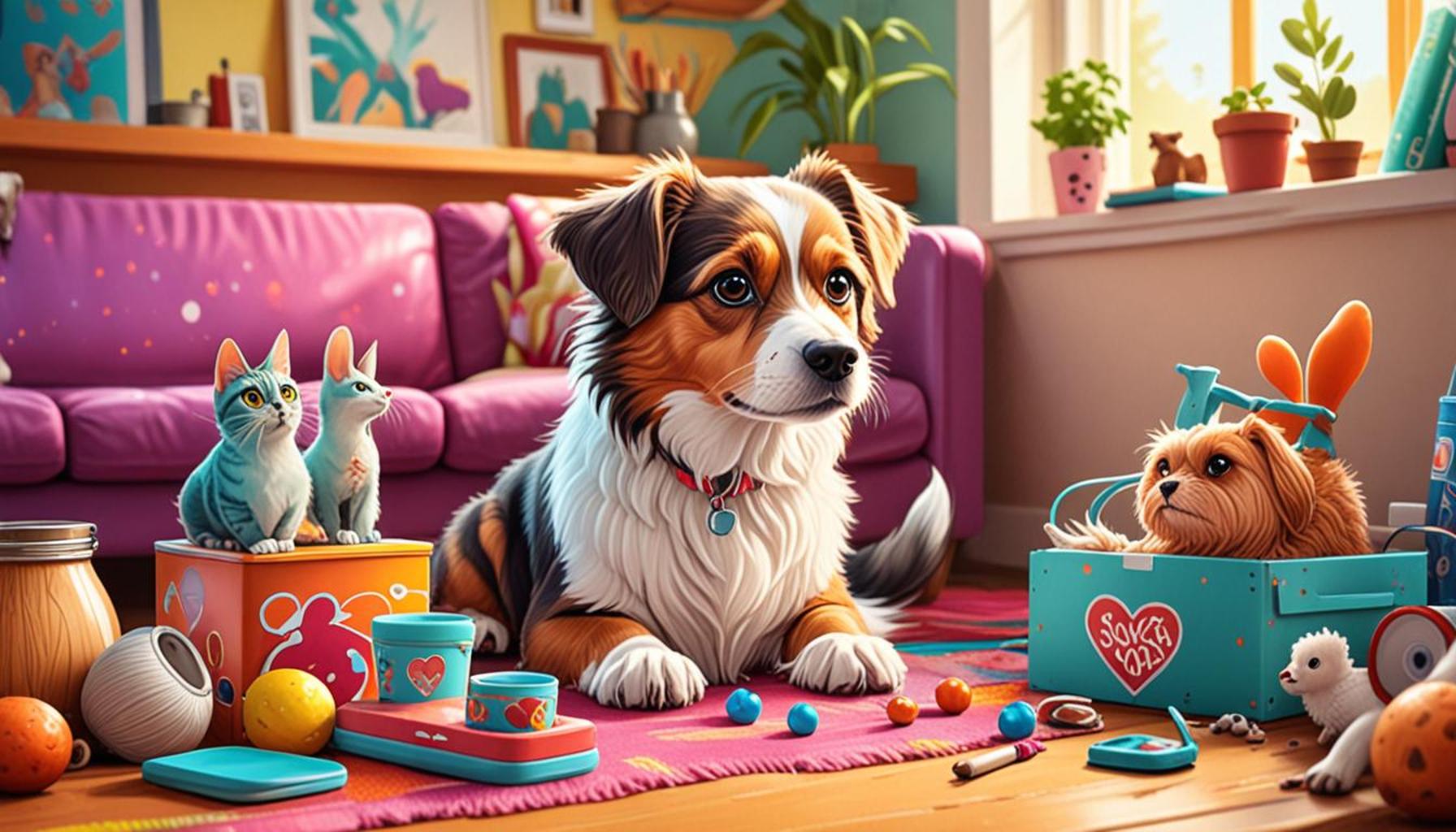
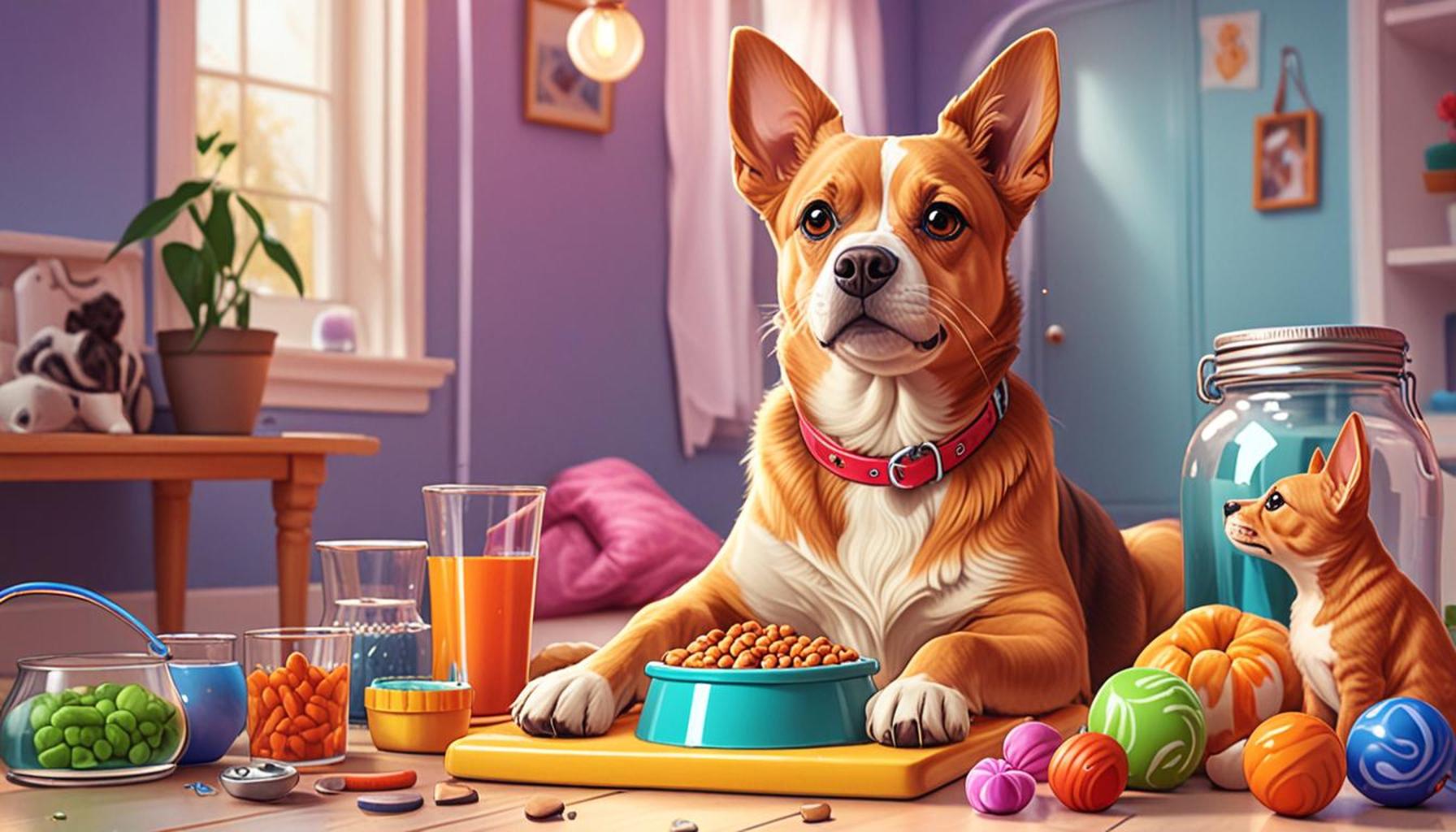
Socialization is not just an option for your pets; it’s a necessity. Just like humans, animals require interaction to thrive both emotionally and physically. A well-socialized pet is often happier, healthier, and more balanced. Pet owners play a crucial role in facilitating these social experiences, ultimately shaping the behavior and emotional well-being of their furry companions.
Consider the following benefits of socialization for pets:
- Reducing Anxiety: Properly socialized pets tend to exhibit fewer signs of anxiety when faced with new environments. For example, a dog that has been exposed to different people, animals, and locations from an early age is less likely to become fearful during a visit to the vet or while encountering strangers on a walk.
- Enhancing Behavior: Regular interaction helps prevent behavioral issues like aggression and fear. A cat that is gradually introduced to children, for instance, is less likely to react with fear or aggression compared to one that has had little exposure to young humans. This leads to a more harmonious home environment.
- Boosting Health: Social pets often experience lower stress levels, which can lead to better overall health. Stress in animals can manifest in various ways, including digestive problems or fur loss. A well-socialized pet enjoys activities like playdates or visits to dog parks, contributing to a healthier lifestyle.
For pet owners in the United States, understanding the significance of socialization can lead to stronger relationships with their pets. Engaging in socialization practices—like enrolling pets in obedience classes or connecting with other pet owners in the community—can not only enhance the bond between pets and their humans but also foster a sense of belonging for the pets themselves.
Exploring the layers of socialization reveals insights that deepen our understanding of animal welfare. It encourages pet owners to engage in practices that ensure their furry friends lead fulfilling lives. The process of socialization extends beyond play and interactions; it includes exposing pets to various sounds, objects, and environments, gradually building their confidence.
Dive deeper as we shed light on practical strategies and benefits, transforming your pet into a well-rounded and joyful companion. Seek out community resources such as dog training classes, pet-friendly events, or even social media groups dedicated to pet owners. Each step you take not only benefits your pet but strengthens the human-animal connection that is so vital to our shared journey.
DISCOVER MORE: Click here to find out how to reward your pet’s good behavior
Understanding the Benefits of Socializing Your Pet
The journey of socialization for pets begins from an early age, and it is essential for their overall development. Socialization encompasses various aspects, from meeting new people and animals to experiencing different sounds and environments. This process plays a significant role in shaping a pet’s temperament, behavior, and social skills, which are crucial for their well-being.
Pet owners might wonder: what exactly does socialization provide? Here are some key benefits that highlight its importance:
- Building Confidence: Pets that are regularly exposed to new experiences develop confidence in handling various situations. For instance, a puppy that meets a variety of people and dogs is more likely to grow into an adult dog comfortable in diverse environments and less prone to fear-based reactions.
- Improving Safety: A well-socialized pet is typically safer to be around. Animals that have been socialized correctly understand how to interact appropriately with other pets and humans, significantly reducing the risk of aggressive incidents. This understanding also benefits owners, as it can prevent injuries and costly vet bills.
- Encouraging Playfulness: Social pets are more inclined to engage in playful behavior. Whether it’s tugging a rope with a fellow dog at a park or chasing a laser pointer with a human friend, these interactions are vital for their mental acuity. Play not only adds enjoyment to a pet’s life but also encourages physical fitness, promoting a healthy lifestyle.
- Fostering Communication Skills: Through socialization, pets learn vital communication skills. For example, dogs that play with other dogs learn how to read body language and signals, which can prevent misunderstandings that might lead to conflicts or anxiety.
Research indicates that pets that undergo proper socialization are less likely to face behavioral issues as they age. A study conducted by the American Veterinary Society of Animal Behavior suggests that socialization should begin as early as three weeks old and continue through a pet’s formative years. This timing is crucial for establishing a comfortable and adaptable demeanor in diverse situations.
Socialization is not just limited to puppies and kittens; adult pets also benefit significantly from exposure to new environments and experiences. For instance, an older dog taken on frequent outings to different parks or participating in community events will continue to thrive emotionally and socially.
As pet owners in the United States, the onus is on us to provide these enriching experiences. Engaging in local training classes, dog walks, and community pet events not only enhances the social skills of our pets but strengthens our bonds. By embracing these opportunities, we can transform our pets into confident companions who navigate the world with ease.
In the next sections, we will delve into specific strategies that you can implement to ensure your pet receives the socialization they need, along with practical tips that can enhance their overall happiness and health.
| Advantage | Description |
|---|---|
| Reduction of Behavioral Issues | Socialized pets are less likely to develop issues such as aggression, fear, or anxiety. Engaging with other animals and people helps them feel more secure. |
| Enhanced Physical Health | Regular interaction can lead to increased exercise, which is essential for a healthy weight and cardiovascular health in pets. |
| Stronger Bonds with Owners | Socializing pets fosters trust and enhances their relationship with their owners, leading to a more harmonious household. |
| Stimulation of Mental Health | Engagement with diverse environments and animals enriches a pet’s life, reducing boredom and related mental health issues. |
The importance of socialization cannot be understated as it plays a crucial role in a pet’s overall well-being. Pets that are adequately socialized are often happier, healthier, and more adaptable to various situations. By understanding the necessity of social interaction, pet owners can significantly enhance their furry companions’ lives. Socialization contributes to emotional stability by exposing pets to a variety of experiences, which can ultimately increase their resilience to stress and fear. Additionally, the socialization process can serve as a platform for teaching essential commands and behaviors, further enriching the lives of both pets and owners. Engaging with other pets not only offers opportunities for fun but also bolsters their confidence and encourages good behavior patterns. Embracing the importance of socialization may pave the way for a more joyful and fulfilling life for our beloved pets, leading them to experience the world in a positive light.
DISCOVER MORE: Click here for effective cat training tips
Strategies for Effective Socialization of Pets
Once we understand the profound effects that socialization has on pet well-being, the next step is to implement effective strategies to ensure our furry friends experience these benefits. Socialization should be an engaging, positive, and ongoing process that is tailored to each pet’s individual needs. Here are some effective methods to enhance your pet’s socialization:
- Structured Outings: Taking your pet on regular outings is a fantastic way to expose them to different sights, sounds, and smells. Aim for a mix of environments, such as busy urban areas, parks, or quiet neighborhoods. Introducing your pet to various stimuli helps them adjust better to all types of settings, preparing them for encounters they may face in everyday life.
- Playdates and Group Activities: Organizing playdates with other friendly pets can facilitate vital social interactions. Group training sessions or doggy daycare can also provide structured opportunities for pets to engage with one another under supervision. These environments are beneficial for teaching pets appropriate play styles and social cues.
- Positive Reinforcement: Utilizing rewards-based training during socialization encounters can vastly improve your pet’s experience. Offering treats and praise when they exhibit calm behavior around new experiences reinforces positive associations with potentially intimidating situations. This method not only builds confidence but strengthens the bond between pet and owner.
- Exposure to New People: Encourage your pet to meet a variety of individuals. Start with friends or family members who can assist in introducing your pet to new social scenarios. This can help reduce fear or anxiety linked to unfamiliar faces, allowing your pet to approach people with confidence.
- Desensitization Techniques: For pets showing signs of fear or anxiety, desensitization exercises can be highly effective. Gradually expose them to stimuli that cause discomfort in a controlled manner, allowing them to acclimate without overwhelming them. For instance, if loud noises are a concern, play recordings of common sounds at low volumes and gradually increase as your pet becomes more comfortable.
Pet professionals, such as trainers and behaviorists, often recommend implementing socialization practices during the first six months of a pet’s life. However, it is essential to remember that the socialization process is not a one-time task but a continuous journey. Adult pets can also undergo socialization, reaping benefits that help mitigate behavioral issues or anxiety that may have developed over time. In fact, studies have shown that animals who receive consistent exposure to social situations experience improved emotional regulation and adaptability.
Moreover, creating a safe space at home where pets can retreat if they feel overwhelmed during socialization is crucial. This sanctuary allows them to process their experiences without feeling trapped or anxious, laying a solid foundation for their well-being.
As pet ownership evolves, engaging pet owners across the United States in socialization endeavors is more important than ever. Take advantage of community resources such as pet training classes, local clubs, or social media groups focused on pet activities. By fostering these connections, not only are we improving our pet’s lives, but we’re also enriching our community through shared experiences.
The journey to proper socialization is critical for our pets’ overall happiness and health. With commitment and creativity, pet owners can significantly contribute to their pets’ well-being while experiencing the joys of companionship along the way.
LEARN MORE: Click here to discover the importance of animal socialization
Conclusion
In summary, the importance of socialization for the well-being of pets cannot be overstated. It is a critical aspect in nurturing psychologically healthy and behaviorally balanced companions. Through proactive engagement in socialization, pet owners can help their furry friends navigate the complexities of our diverse world with confidence and ease. From structured outings and playdates to tailored desensitization techniques, various methods can be employed to enhance pets’ social experiences.
Moreover, continuous socialization not only benefits young pets but also plays a significant role in improving the lives of adult animals struggling with behavioral issues. By exposing them to new environments, people, and experiences, we set the foundation for a well-adjusted pet that is less prone to anxiety or aggression. In addition to elevating individual pet well-being, fostering socialization opportunities also cultivates a sense of community among pet owners, promoting shared understanding and camaraderie.
As we move forward, it is vital to embrace the continuous journey of socialization and to tap into local resources that support pet interaction. Building connections with training professionals, shelters, and fellow pet enthusiasts can enrich our pets’ lives while simultaneously enhancing our own experiences as responsible pet owners. Ultimately, dedicating time and effort to socializing our pets not only contributes to their happiness but also ensures a harmonious coexistence in our neighborhoods and society at large.