
The importance of social media in promoting animal adoption
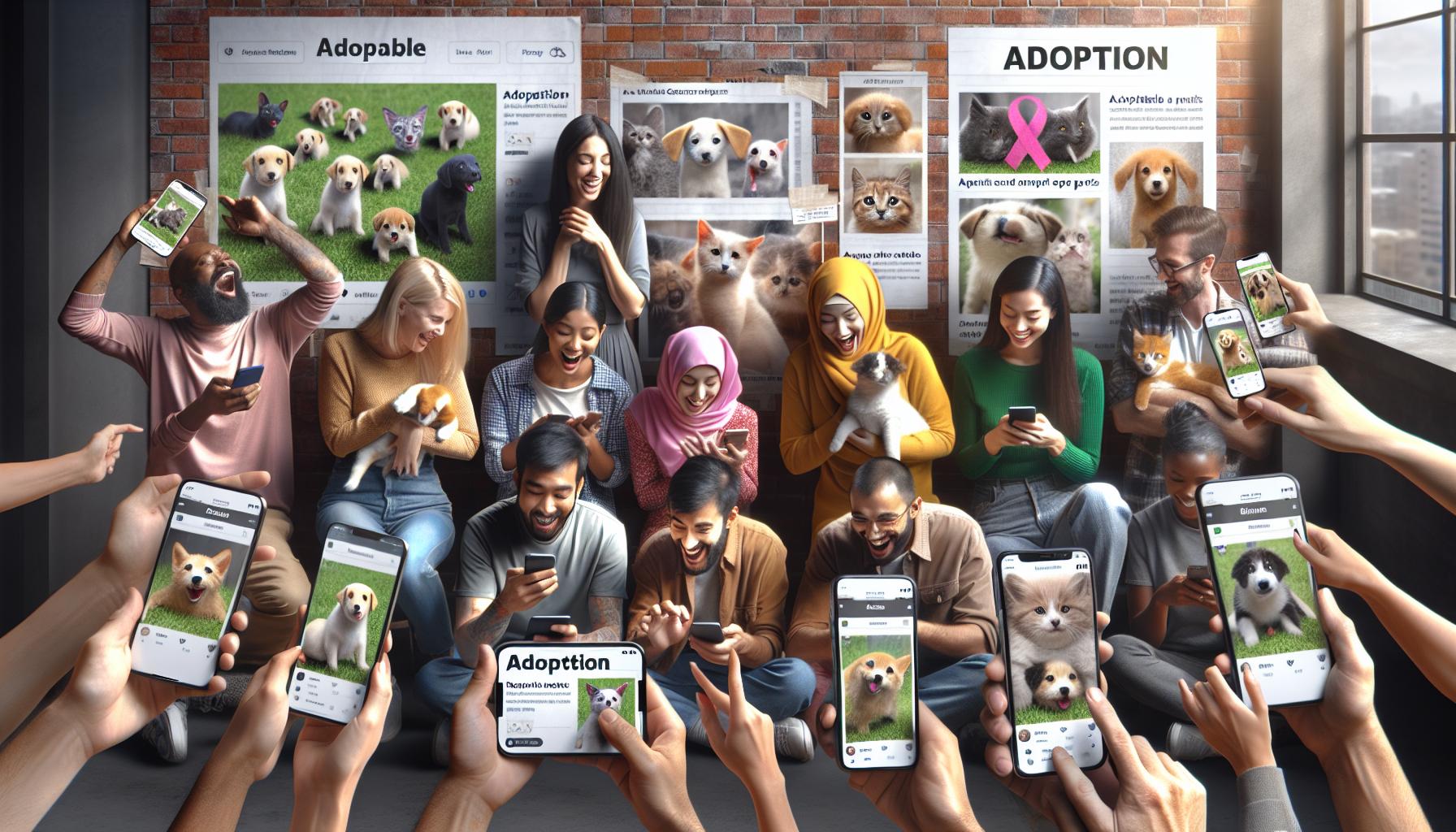
The Role of Social Media in Animal Adoption
Every year, millions of animals in shelters across the United States patiently wait for loving homes. The ongoing challenge of animal overpopulation has made this situation critical, yet a powerful tool to combat this issue has emerged: social media. This platform not only raises awareness but also bridges the gap between potential pet owners and their future furry companions. With over 3.8 billion active social media users globally, its ability to influence and drive action on behalf of animals is nothing short of remarkable.
There are several compelling reasons that demonstrate the significance of social media in enhancing animal adoption rates:
- Wider Reach: A single post can achieve thousands of impressions in mere minutes, vastly improving the visibility of animals in need. For instance, a video clip showcasing a playful puppy can go viral on platforms like TikTok or Instagram, potentially reaching millions and prompting engagements that lead to adoptions.
- Engagement: Interactive content, such as polls, challenges, and live Q&A sessions, fosters community involvement. For example, organizations like the ASPCA often host “adoption days” online where participants can ask questions about specific animals, driving excitement and interest.
- Storytelling: Social media provides an ideal canvas for sharing heartwarming stories through captivating images and personal narratives. A well-crafted post about a rescued dog’s journey from the streets to a forever home can move viewers to adopt similar pets, transforming lives in the process.
- Targeted Campaigns: With advanced advertising tools, organizations can tailor campaigns to reach specific demographics, targeting potential adopters based on their interests, location, and even behaviors. For example, ads can be directed at families in suburban areas, highlighting larger breeds that are known to thrive in family environments.
The impact of success stories shared on various platforms, such as Facebook, Instagram, and Twitter, cannot be underestimated. These platforms are instrumental in conveying the joy associated with adopting pets like rescued dogs and kittens. Each story of a pet finding its forever home serves as a testament to the importance of adoption, inspiring others to follow suit. Viral campaigns, like the “#AdoptDontShop” movement, popularized by influencers and celebrities alike, spotlight the benefits of choosing rescue animals over purchasing pets from breeders, thereby amplifying the message across diverse communities.
As we delve deeper into this engaging subject, we will explore how different organizations utilize social media strategies to boost adoption rates and the unique challenges they face in this dynamic digital world. Understanding these aspects not only highlights the critical role social media plays but also encourages further investigation into how individuals can make a difference in the lives of countless animals waiting for a second chance.
DIVE DEEPER: Click here to learn more about hypoallergenic diets for your furry friends</p
Connecting Hearts and Homes
The significance of social media in promoting animal adoption extends beyond mere visibility; it creates emotional connections that motivate individuals to make significant life choices, such as welcoming a new pet into their homes. With shelters overflowing with animals in need of rescue, platforms like Facebook, Instagram, and Twitter act as virtual storefronts, displaying countless faces ready for adoption. The immediacy and accessibility of social media allow potential adopters to explore options in their local areas easily. This outreach is particularly crucial in an era where traditional marketing methods might not have the same impact on today’s tech-savvy population.
One of the most important facets of social media’s role in animal adoption is the ability to create meaningful narratives. Shelters and rescue organizations share the stories of individual animals through captivating posts that often include photos or videos showcasing their personalities. For example, a post featuring a shy kitten overcoming its insecurities in a supportive environment can resonate deeply with viewers. This storytelling element not only humanizes the animals but also fosters a sense of urgency and connection. The stories often evoke empathy, leading many to consider adopting a pet that mirrors their own experiences or challenges.
Social media campaigns specifically designed for animal adoption can easily become viral sensations, reaching an audience far beyond a shelter’s local community. Here are some effective strategies used by organizations to elevate their outreach:
- Use of Hashtags: Tags like “#AdoptDontShop” have gained traction, encouraging people to consider adopting from shelters instead of purchasing pets from breeders. These hashtags can aggregate diverse stories, providing a whole tapestry of adorable animals waiting for homes.
- Live Adoption Events: Streaming adoption events on platforms such as Facebook Live allows shelters to showcase multiple animals at once while engaging with potential adopters in real-time. Viewers can ask questions and even indicate interest, drawing them deeper into the adoption process.
- Partnerships with Influencers: Collaborating with pet influencers or local celebrities can amplify outreach. When a respected figure shares a post about an adoptable pet, the reach can exponentially increase, sparking interest and conversation around animal adoption.
- Before-and-After Features: Sharing touching transformations of animals—from rescue or hardship to joyful living in a loving home—can have a profound impact. These narratives illustrate the tangible difference adoption can make—not just in the life of the animal, but in the adopters’ lives as well.
These dynamic approaches help to captivate the audience’s interest while simultaneously humanizing the animals in need of homes. Through compelling stories, visual content, and an active community, social media accelerates the motivation for adoption, thereby transforming lives at both ends of the leash. The synergy created by the intersection of technology and compassion opens new avenues for countless animals waiting for a second chance, making the endeavor of fostering animal adoptions more attainable than ever before.
| Category | Description |
|---|---|
| Viral Advertising | Social media platforms enable viral content, which can rapidly increase visibility for animals needing homes. |
| Community Engagement | Sharing adoption stories fosters a sense of community, encouraging more interactions and interest in animal adoption initiatives. |
| Targeted Campaigns | Social media allows for targeted advertising based on demographics, ensuring the message reaches potential adopters. |
| Increase Local Adoption | By promoting local shelters and their pets, social media directly impacts local adoption rates, making it easier for people to adopt. |
Social media serves as a dynamic platform where organizations can harness the power of storytelling to create emotional connections between potential adopters and animals in need. Each shared post can transform into a narrative, captivating viewers with visuals and informative content about the animals available for adoption. This approach stands in stark contrast to traditional methods, emphasizing the necessity of adapting to changing communication styles for effective outreach.Furthermore, the ability to share and interact in real-time not only broadens the audience but also places social media campaigns directly into the hands of users who can influence their circles. Pet adoption events promoted through engaging content can lead to an influx of inquiries, thus bridging the gap between animal welfare and the community’s desire to help.Incorporating user-generated content, such as photos from happy adopters, amplifies the message of success stories and encourages others to take similar actions. This form of engagement is paramount in leveraging social media to facilitate animal adoption, proving that each shared experience can spark interest and lead to lifelong commitments.
DON’T MISS: Click here to find out when to take your pet to the vet</a
Building a Community of Advocates
In addition to fostering emotional connections, social media serves as an essential platform for building a vibrant community of advocates who are passionate about animal welfare. This digital camaraderie facilitates engagement beyond the act of sharing adorable pet photos; it encourages education, volunteering, and advocacy around animal adoption. Organizations tap into this powerful network, transforming casual followers into active participants who help amplify the message of month-long campaigns or life-saving emergencies.
One of the most compelling aspects of social media is its ability to mobilize grassroots movements. A prime example is the “Clear the Shelters” initiative, which utilizes social media to encourage shelters nationwide to provide fee-waived adoptions during specific events. By leveraging social media campaigns to share real-time updates, success stories, and calls to action, advocates can mobilize their followers to visit their local shelters. These events reinforce the idea that adopting a pet is not just a personal decision but a community effort. In 2022 alone, Clear the Shelters helped find homes for over 100,000 animals across the U.S., showcasing how social media can translate to tangible results in pet adoption numbers.
Moreover, user-generated content plays a critical role in promoting animal adoption through social media. When adopters share their experiences with their newly adopted pets—posting photos, tagging shelters, and sharing personal anecdotes—they create a sense of relatability and encouragement for prospective adopters. Utilizing hashtags such as “#AdoptionSuccess” or “#FureverHome,” these posts act as testimonials highlighting the joys and responsibilities that come with adopting an animal. This grassroots storytelling showcases the rewarding experience of adoption, further motivating others to consider providing a forever home for a shelter animal.
- Engagement through Challenges: Social media challenges, like the “30-Day Pet Adoption Challenge,” encourage users to engage with potential adopters by sharing specific content daily. These challenges often include prompts that illustrate the various benefits of animal companionship, while also encouraging followers to visit their local shelters.
- Pet-of-the-Week Features: Many organizations conduct weekly features on their social media pages, highlighting different animals that need homes. This regular spotlight keeps followers informed while creating a sense of urgency to adopt before potential adopters miss their chance.
- Success Story Highlights: By showcasing transformative stories of animals who were adopted and thrived in a loving environment, organizations can illustrate the impact of charitable giving and adoptions. These narratives not only resonate with viewers but encourage donations and volunteerism.
The fusion of storytelling and community involvement amplifies the effectiveness of social media in promoting animal adoption. Pet owners, volunteers, and animal lovers can connect, share resources, and motivate others to take significant action. As platforms continue to evolve, organizations can further innovate their strategies, ensuring that the message of adoption continues to reach diverse audiences. Through the collective voice of a passionate community, social media not only highlights the plight of homeless animals but also crafts a narrative of hope and possibility that resonates deeply in the hearts of individuals across the country.
IMPORTANT: Click here to find out when to act immediately for your pet’s health</
Conclusion: Harnessing the Power of Social Media for Animal Adoption
In today’s digital age, social media stands as a powerful tool in the realm of animal adoption, fostering connections and expediting the process of finding forever homes for shelter animals. With its vast reach, platforms like Facebook, Instagram, and Twitter play a vital role in raising awareness, sharing impactful stories, and mobilizing community efforts, thus highlighting the urgency of adopting animals in need.
The innovative use of user-generated content and engaging campaigns not only humanizes the plight of abandoned pets but also showcases the joys that come with adoption. By allowing adopters to share their experiences, social media effectively builds a compelling narrative around the life-changing impact that adoption has—not just on the animals, but on families and communities alike. As statistics reveal, initiatives such as “Clear the Shelters” have facilitated the adoption of over 100,000 animals, proving that a community united through social media can enact real change.
Moreover, as technology continues to evolve, the potential for social media to drive animal adoption efforts only grows. Organizations can capitalize on trends, utilize hashtags, and launch events that further engage potential adopters, ensuring that the message reaches an ever-widening audience. Social media is not merely a tool for sharing information; it is a catalyst for compassion, drawing communities together to create a collective force for good.
In conclusion, the importance of social media in promoting animal adoption cannot be overstated. As advocates, volunteers, and shelters continue to harness this digital platform, they will undoubtedly further challenge societal perceptions about animal welfare. It’s time for every pet lover and potential adopter to embrace social media as a means of not only sharing but also empowering one another to make a difference in the lives of countless animals in need.