
The Importance of Environmental Enrichment for Pets: Toys and Interaction
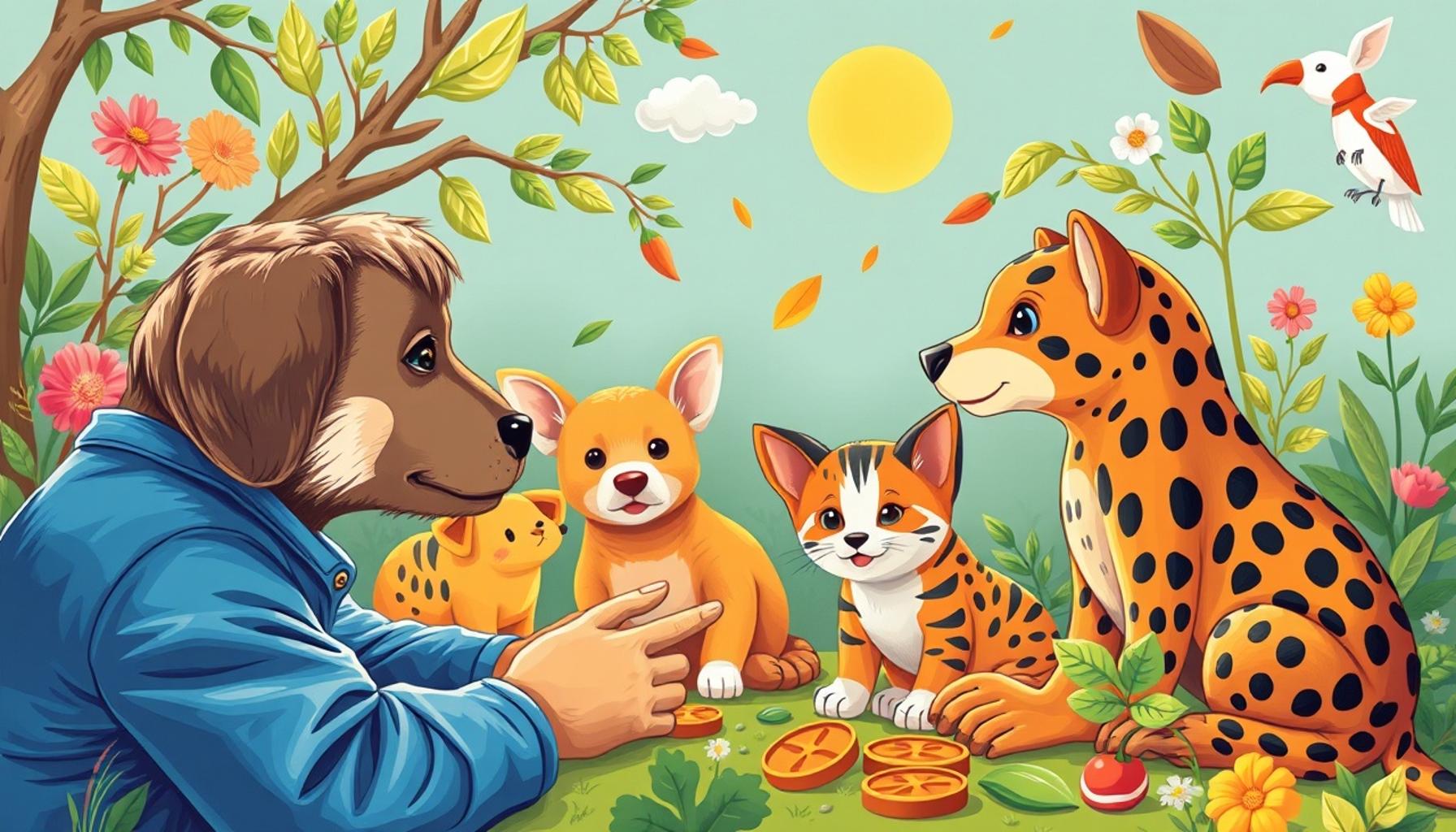
Engaging Activities for Pets: A Path to Enhanced Well-being
Pets are more than just companions; they are integral members of our families who thrive on interaction and stimulation. Their happiness and health are closely linked to the environment in which they live. An enriched environment is essential not only for their physical well-being but also for their mental health. These engagements aid in stress reduction and can significantly minimize the likelihood of behavioral issues.
Environmental enrichment can take various forms, and it is vital to understand the diverse options available to elevate your pet’s quality of life. Here are a few effective ways to provide this enrichment:
- Toys: Toys come in a multitude of styles, serving both interactive and solo play. For instance, puzzle toys that dispense treats can mentally stimulate dogs and cats alike, compelling them to figure out how to retrieve the food. Chew toys not only entertain but also assist in dental health, reducing plaque and tartar buildup.
- Training sessions: Regular training not only strengthens your bond with your pet but also challenges their minds. Teaching new tricks such as sit, stay, or roll over can keep your pet engaged and mentally sharp. Advanced training could even include agility courses or scent work, allowing pets to use their natural instincts.
- Social interaction: Encouraging playdates with other pets or participation in community events can greatly influence your pet’s happiness. Furthermore, spending quality time with human family members, whether it be through cuddling or engaging in outdoor activities, can significantly enhance their emotional well-being.
Choosing the right mix of activities is crucial to meet your pet’s unique needs and preferences. Factors such as breed, age, and personality play significant roles in determining what would be best. For example, an active breed like a Border Collie may benefit from more vigorous exercise and mental challenges, while a laid-back breed might prefer a serene environment with less stimulating activities.
A well-rounded enrichment strategy can lead to various positive outcomes, including:
- Increased activity levels: Regular engagement results in more exercise, keeping your pet physically fit and preventing obesity, a common concern among pets.
- Reduced anxiety: Pets often grapple with anxiety when unstimulated. Engaging them through play or learning can distract them from stressors.
- Improved overall health: Mental stimulation and physical activity contribute to better cardiovascular health, stronger muscles, and a longer lifespan.
Neglecting your pet’s need for mental stimulation can lead to boredom, manifesting in destructive behaviors such as furniture chewing or incessant barking. Making an effort to prioritize toys and opportunities for interaction can elevate an ordinary day into an engaging adventure for your furry friend. Are you prepared to delve deeper into the myriad ways you can enrich your pet’s life and foster a happier, healthier companion? The journey toward enhanced pet engagement awaits, and your pet’s joy is just a few activities away.
Understanding Your Pet’s Needs: The Role of Toys and Interaction
Every pet, whether a playful puppy or a wise old cat, has inherent needs that are crucial for their happiness and health. Environmental enrichment is not simply an option; it is a necessity that fosters both physical activity and mental stimulation. Toys play a pivotal role in this enrichment strategy, serving as tools for engagement and exercise. When utilized effectively, toys can bring immense benefits to your pet’s daily life.
There are various types of toys that cater to different species, preferences, and developmental stages. Here is a closer look at some types and their benefits:
- Interactive toys: These toys, designed for owner involvement, encourage pets to work together with their humans in play. For example, a laser pointer can stimulate a cat’s instincts to chase, providing both physical exercise and mental challenge. In dogs, fetch toys can promote physical activity while nurturing the human-animal bond.
- Puzzle toys: These ingenious devices not only entertain but also challenge your pet’s cognitive abilities. They require pets to solve a puzzle to access a treat. Such toys are particularly beneficial for breeds known for their intelligence, like Border Collies and Poodles, who need continuous mental stimulation.
- Durable chew toys: Chewing is a natural behavior among pets. Chew toys can provide an outlet for this instinct, helping to maintain dental health and prevent boredom. Rubber toys, for instance, can withstand even the most vigorous chewers and keep them engaged for hours.
The importance of regular interaction with pets cannot be understated. Cats and dogs alike require quality time spent with humans to foster emotional connections and social behaviors. Interactive playtime strengthens this bond, building trust and understanding between pet and owner. Activities such as tug-of-war or chasing games provide not just physical stimulation but also a sense of companionship and security. Additionally, regular interaction can help alleviate separation anxiety, a common issue faced by many pets when left alone for extended periods.
Moreover, the type of interaction varies considerably between species. While dogs may thrive on active games and obedience training, cats often enjoy less strenuous activities like wand toys or laser pointers. Understanding these nuances can help pet owners curate a personalized enrichment plan tailor-made for their furry friends.
Furthermore, it’s essential to consider the overall impact of enrichment on behavioral health. An environment enriched with diverse toys and interactive opportunities significantly reduces boredom and minimizes negative behaviors. Well-engaged pets are less likely to result in destructive actions such as scratching furniture or excessive barking, which can be common issues if surpassed with boredom.
Realizing that your making a conscious effort to provide appropriate toys and engaging interactions can profoundly impact your pet’s quality of life. The journey toward creating an enriched environment is filled with exciting discoveries for both you and your pet, leading to enhanced happiness and well-being.
The Importance of Environmental Enrichment for Pets: Toys and Interaction
Environmental enrichment plays a crucial role in enhancing the quality of life for pets, particularly through the use of toys and opportunities for interaction. These elements not only serve as entertainment but also promote mental stimulation, prevent behavioral issues, and strengthen the bond between pets and their owners.
Pets that engage with a variety of toys experience increased mental stimulation. Toys that challenge their cognitive abilities, such as puzzle feeders or interactive toys, encourage pets to think and problem-solve. This kind of enrichment can help mitigate anxiety and boredom, leading to healthier, more satisfied pets. Behavioral issues, often stemming from being under-stimulated, can be minimized when pets have access to engaging toys. Activities that stimulate natural instinctual behaviors, such as hunting, stalking, or chewing, can be particularly beneficial.
Moreover, interaction with owners through play fosters emotional well-being. Regular playtime not only strengthens the bond between pets and their humans but also allows pets to express their energy and enthusiasm in a safe environment. Engaging in games such as fetch or tug-of-war promotes physical activity, which contributes to overall health and fitness.
As pets thrive on social interactions, incorporating play into daily routines becomes essential for their well-being. Owners should be mindful to choose toys that cater to their pet’s individual needs and preferences, as this personalization can elevate the enriching experience. By prioritizing environmental enrichment, pet owners not only improve their pets’ lives but also enhance their own experience of companionship.
| Category 1 | Category 2 |
|---|---|
| Toys for Cognitive Stimulation | Promote problem-solving skills and reduce boredom. |
| Interactive Playtime | Enhances bonding and emotional connection with pets. |
Engaging your pet with the right toys and interactions not only improves their physical health but also nurtures their psychological needs. As pet owners, investing time in exploring various forms of enrichment can lead to happier, healthier companions.
Enhancing Socialization and Behavior Through Structured Play
Beyond the immediate benefits of keeping pets physically active, structured play and interaction also vastly improve their social skills. Engaging your pet with toys and games fosters important social behaviors, which are essential for their interaction with humans and other animals. For example, dogs who fetch balls or play tug-of-war develop skills that promote teamwork and cooperation, laying the groundwork for better social dynamics in various environments, whether at home or during outings to the dog park.
Research indicates that pets subjected to regular interaction and enrichment practices exhibit fewer behavioral issues. A study conducted by the American Society for the Prevention of Cruelty to Animals (ASPCA) found that pets who receive adequate enrichment are less prone to anxiety, aggression, and other problematic behaviors. Pet owners who consistently engage their pets through interactive toys or scheduled playtimes foster a more fulfilled and emotionally stable animal.
The Role of Variety in Enrichment
It is vital to incorporate a variety of toys into your pet’s playtime routine. Stagnation can lead to boredom, and when pets feel under-stimulated, they may resort to destructive behaviors. Rotating toys every few weeks can transform a mundane experience into a novel adventure. For instance, introducing a stuffed toy one day and a ball the next can reignite your pet’s interest, encouraging play and exploration.
Incorporating different types of toys also caters to various aspects of your pet’s instincts. For instance, while a Frisbee excites a dog’s chase instinct, a scratching post provides a cat with an outlet for its natural urge to scratch, thus preserving your furniture. Offering options encourages pets to diversify their play habits, keeping them mentally sharp while also allowing their natural instincts to flourish.
Training in the Context of Play
Another fascinating aspect of environmental enrichment is the opportunity for training embedded within playtime. Using toys as tools for training can be both rewarding and fun. For instance, a clicker paired with a favorite toy can guide a dog to learn commands through positive reinforcement. Likewise, cats can easily be trained to perform tricks using treats hidden within puzzle toys, which seamlessly combines enrichment and education.
The real magic happens when play and training coalesce into enjoyable sessions that bolster the human-animal bond. When a pet successfully engages in an activity or learns a new behavior, it is often accompanied by praise and attention from their owner, further enriching their emotional health and sense of belonging.
- Tailored Interaction: Different breeds and species require specific interaction styles tailored to their personality. Social and energetic dogs thrive on engaging games like agility training, while more reserved dogs appreciate quieter activities, such as scent work.
- Teamwork for Cats: Interactive play with cats can be challenging. Toys that mimic prey movements, like feather wands, can enable pet owners to form a unique bond with their feline companions, helping them channel their natural hunting instincts.
Investing in environmental enrichment through thoughtful selection of toys and dedicated interaction is a powerful way to advocate for your pet’s well-being. By embracing these practices, pet owners can create enriched environments that promote not only play but also mental well-being, social skills, and a deeper bond between pets and their human families.
Conclusion: A Catalyst for Healthier, Happier Pets
The journey into the world of environmental enrichment through toys and interaction reveals a fundamental truth: our pets thrive when their physical, mental, and emotional needs are met. By integrating structured play into their daily routines, pet owners can significantly enhance their companions’ social skills, reduce behavioral issues, and foster a sense of belonging. Studies suggest that pets engaged in regular enrichment practices are not only more content but also exhibit a greater capacity for learning and adaptation.
Furthermore, understanding the importance of variety in play cannot be overstated. Rotating toys and offering different types of challenges help prevent boredom while allowing pets to engage in instinctive behaviors. Whether it’s a dog chasing a Frisbee or a cat pouncing on a feather toy, these activities stimulate their minds and bodies, transforming ordinary moments into vital experiences for growth and bonding.
Ultimately, dedicated time spent on play and training can ignite lasting connections between pets and their owners, leading to a fulfilled emotional life. As awareness of the benefits of environmental enrichment grows, so does the opportunity for pet owners in the United States and beyond to positively impact their pets’ happiness and health. Investing in these enriching practices is not merely a trend but a vital commitment to our companions’ well-being. By prioritizing interaction and thoughtful engagement, we empower our furry friends to lead happier, healthier lives enriched with joy.