
The Importance of Balanced Nutrition for Pet Health
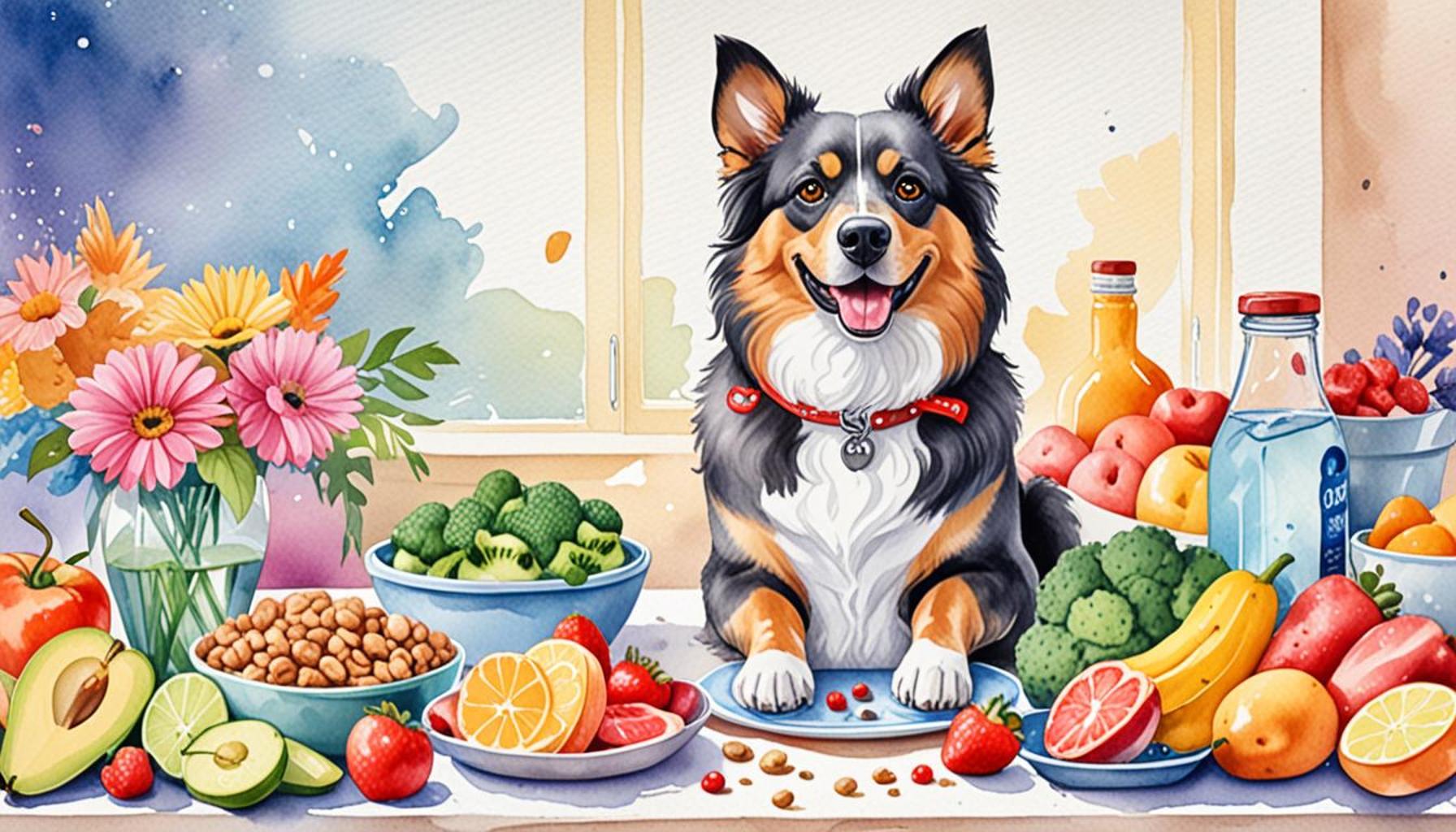
Understanding Pet Nutrition
Every pet owner aspires for their furry companions to lead long, healthy lives. A significant factor in achieving this goal is balanced nutrition. Just like humans, pets require a variety of nutrients to strengthen their immune systems, maintain optimal weight, and promote overall well-being. By investing time in understanding your pet’s dietary needs, you are setting the stage for a vibrant and enriching life for them.
Why is Balanced Nutrition Essential?
Balanced nutrition plays a crucial role in the health of dogs and cats alike, influencing everything from their energy levels to their susceptibility to diseases. Here are some key reasons:
- Prevents Obesity: Monitoring your pet’s dietary intake helps in avoiding excessive weight gain. According to the Association for Pet Obesity Prevention, an estimated 60% of cats and 56% of dogs in the United States are considered overweight or obese. This can lead to serious health issues, including diabetes and joint problems, making it imperative to provide an appropriate diet that matches their activity level.
- Boosts Immunity: A well-rounded diet supports a robust immune system capable of fighting off diseases. Just as a well-balanced meal of vitamins and minerals benefits a human, so too does it aid in developing strong immune function in pets. Nutrients like vitamin E and omega-3 fatty acids, commonly found in fish oil, play significant roles in enhancing immune response.
- Enhances Quality of Life: Proper nutrition contributes to higher energy levels and a happier disposition. Pets that receive a balanced diet often display improved mood and behavior, making for a more enjoyable companionship. Dogs, for example, are likely to engage more enthusiastically in play and exercise when they are well-nourished.
The Components of a Healthy Diet
To ensure your pet gets all the necessary nutrients, focus on these essential dietary components:
- Proteins: Critical for muscle development and repair, proteins are the building blocks for your pet’s body. Look for high-quality sources of protein in pet food, such as chicken, beef, or fish, which provide the necessary amino acids for their health.
- Fats: Essential for energy and healthy skin, fats also aid in the absorption of fat-soluble vitamins. Incorporating omega-3 and omega-6 fatty acids can significantly enhance your pet’s coat condition and skin health, which is especially relevant for breeds prone to skin issues.
- Carbohydrates: Provide necessary energy and aid digestion. Whole grains like brown rice and oats are great sources of carbohydrates that also offer dietary fiber, keeping your pet’s digestive system functioning optimally.
Exploring the world of pet nutrition can seem overwhelming, but understanding its importance is the first step towards fostering a happy and healthy pet. Each meal plays a part in their journey toward wellness. By being mindful of each ingredient and the nutritional balance, you can empower your pet for a lifetime of vitality and joy. Consider consulting with your veterinarian to tailor a diet that meets the specific needs of your furry friend, ensuring they receive the best nutrition possible.
LEARN MORE: Click here to discover the essentials of pet nutrition

Understanding the Benefits of Balanced Nutrition for Pets
When it comes to pet health, the role of balanced nutrition cannot be overstated. Pets, much like humans, thrive on a diet that is not only adequate in calories but also rich in a variety of nutrients. The quality of food you choose can dramatically influence your pet’s physical health, energy levels, and even lifespans. Knowing how to provide balanced nutrition is not just beneficial; it is essential for maintaining your pet’s overall well-being.
The Ripple Effects of Poor Nutrition
Ignoring the principles of balanced nutrition can lead to a cascade of health issues that impact both your pet’s quality of life and your finances. Consider the following consequences:
- Increased Healthcare Costs: A poor diet can lead to chronic diseases such as obesity, diabetes, and heart problems. These conditions require expensive treatments and medications. For instance, the American Veterinary Medical Association reported that treating diabetes in pets can cost thousands of dollars annually, not including regular veterinary visits that enhance quality of care.
- Shortened Lifespan: Pets that are not provided with proper nutrition are more likely to have shorter life expectancies. A study by the University of California concluded that dogs fed a balanced diet lived an average of two years longer than those that were not. This is a significant finding that emphasizes how vital nutrition is to a pet’s longevity.
- Behavioral Issues: Diet can also impact your pet’s behavior. Animals consuming a diet lacking in essential nutrients might exhibit irritability or hyperactivity. Research has shown that certain deficiencies in fatty acids or amino acids may lead to anxiety and nervousness, which can hinder their ability to interact positively with humans and other pets.
Tailoring Nutrition to Individual Needs
One of the fundamental aspects of balanced nutrition is customizing your pet’s diet according to their specific needs. Factors such as age, size, breed, and activity level play pivotal roles in determining the right nutritional balance. Here are some key points to help you tailor their diet:
- Puppies and Kittens: Young pets require a diet higher in calories and nutrients to support rapid growth and development. Puppy and kitten formulas should be rich in protein and fats, as they fuel their energetic lifestyles.
- Adult Pets: Once your pet reaches adulthood, a maintenance diet that provides balanced nutrients without the excess calories is crucial to prevent obesity. Adult dogs and cats generally require fewer calories than their younger counterparts, yet still need a healthy mix of proteins, fats, and carbohydrates.
- Senior Pets: As pets age, their metabolism slows down, and they may develop specific health issues. Foods formulated for senior pets typically have lower calories and are enriched with joint-supporting ingredients such as glucosamine and omega fatty acids.
In conclusion, understanding and implementing balanced nutrition into your pet’s daily meals is fundamental for their health. A well-thought-out diet not only promotes physical well-being but also encourages emotional stability and longevity. By taking the time to educate yourself on your pet’s unique nutritional requirements, you can make informed choices that lead to a happier and healthier life for your beloved companion.
The Importance of Balanced Nutrition for Pet Health
When it comes to the well-being of our furry companions, one of the most critical factors is balanced nutrition. Providing pets with the right nutrients is essential for their overall health, longevity, and happiness. This segment delves into the varied aspects of how a well-structured diet can profoundly impact your pet’s quality of life.
| Category | Details |
|---|---|
| Macronutrients | Pets require proteins, fats, and carbohydrates for energy and growth. |
| Vitamins and Minerals | Essential for immune function, bone health, and overall vitality. |
| Hydration | Proper water intake promotes digestion and nutrient absorption. |
| Tailored Diets | Specific needs based on age, breed, and health requirements enhance well-being. |
Every pet is unique, and their nutritional needs can change due to factors such as age, breed, and health conditions. It’s essential for pet owners to consult with veterinarians to tailor their pets’ diets appropriately. By ensuring a balanced intake of macronutrients, vitamins, and minerals, as well as adequate hydration, you can help prevent numerous health issues, from obesity to chronic diseases.
Moreover, understanding the importance of balanced nutrition not only enhances your pet’s lifespan but also improves their mood and energy levels. A well-fed pet is a happy pet, and this satisfaction can manifest in playful behavior and a loving attitude, strengthening the bond between pet and owner.
LEARN MORE: Click here to gain insights
Creating a Sustainable Feeding Plan
Building a lasting feeding plan for your pet goes beyond simply choosing the right food; it involves consistency, variety, and a keen understanding of your pet’s needs over time. It’s essential for pet owners to recognize the importance of maintaining a sustainable nutrition strategy that provides lasting benefits. Here are some critical considerations for establishing an effective feeding plan for your furry friends:
Assessing Ingredients and Nutritional Labels
Understanding the ingredients in your pet’s food is pivotal. The Association of American Feed Control Officials (AAFCO) provides guidelines on pet food labeling, which can empower you as a consumer to make informed choices. Look for:
- Quality Protein Sources: Ensure that the primary ingredient is a high-quality protein source, such as chicken, beef, or fish. Animal-based proteins are vital for muscle health and overall energy.
- Whole Grains and Vegetables: Ingredients like brown rice, sweet potatoes, and peas not only provide energy but also supply necessary fibers and vitamins. Whole foods are far superior to processed grains.
- Avoiding Fillers and Artificial Additives: Steer clear of foods containing fillers such as corn or soy, as they offer little nutritional benefit. Additionally, avoid artificial colors, flavors, or preservatives that may pose health risks.
Portion Control and Feeding Schedules
Many pet owners underestimate the importance of portion control when it comes to feeding their pets. Overfeeding can lead to obesity, which is a significant concern in the United States, with an estimated 50% of dogs and cats classified as overweight or obese. Key strategies to manage portion sizes include:
- Measuring Food Accurately: Using a scale or measuring cup can help ensure you are providing the right quantity. Regularly checking your pet’s weight in conjunction with feeding adjustments is essential.
- Scheduled Feedings: Establishing a routine can help manage your pet’s hunger signals and reduce begging behavior. Most adult dogs benefit from two meals a day, while cats may prefer multiple smaller meals.
- Monitoring Changes: Keeping an eye on your pet’s weight and physical condition will help you adjust their feeding plan as needed. If you notice weight gain or loss, consult with your veterinarian for tailored dietary advice.
Supplements and Special Diets
In some cases, pets may require specific nutrients that are not adequately covered by normal commercial diets. Talk to your veterinarian about:
- Adding Supplements: Omega-3 fatty acids, probiotics, or joint support supplements can enhance your pet’s diet. However, they should always be administered under professional advice to avoid adverse effects.
- Special Diets for Health Issues: Some pets with allergies, skin conditions, or chronic illnesses may benefit from specialized diets. Diets formulated for specific health issues can significantly impact your pet’s quality of life.
With rising awareness of the significance of balanced nutrition for pet health, many pet owners are becoming increasingly proactive in their approach. By educating yourself and staying attuned to your pet’s specific needs, you take a substantial step toward ensuring a healthier and happier life for your companion.
LEARN MORE: Click here to discover effective rewards for your pet’s behavior
Conclusion
In conclusion, balanced nutrition is the cornerstone of optimal pet health and well-being. As responsible pet owners, understanding the intricacies of your pet’s dietary needs and recognizing the vital role that balanced nutrition plays can significantly affect their quality of life. By choosing high-quality ingredients, controlling portion sizes, and consulting with veterinarians about supplements and special dietary needs, you can create a personalized feeding plan that caters to your pet’s unique requirements.
The growing awareness of nutritional health among pet owners is encouraging. Research indicates that pets fed nutritionally balanced diets not only enjoy longer lifespans but also experience fewer health complications related to obesity, allergies, and chronic illnesses. Furthermore, consistent, well-rounded meal planning can prompt better behavioral responses and enhance overall mood.
As you embark on or refine your pet’s dietary journey, stay informed and proactive. Engage with pet nutrition communities, consider professional guidance, and embrace the ever-evolving knowledge in pet health. Ultimately, the commitment to providing a balanced diet is not just about keeping your pet fed; it’s about fostering a happier, healthier life for your beloved companions. A few thoughtful changes in their nutrition can yield remarkable benefits, enriching the bond you share with your pets and ensuring their vitality for years to come.