The Connection Between Hydration and Mental Resilience: Nutritional Balance for Managing Anxiety and Boosting Energy Levels
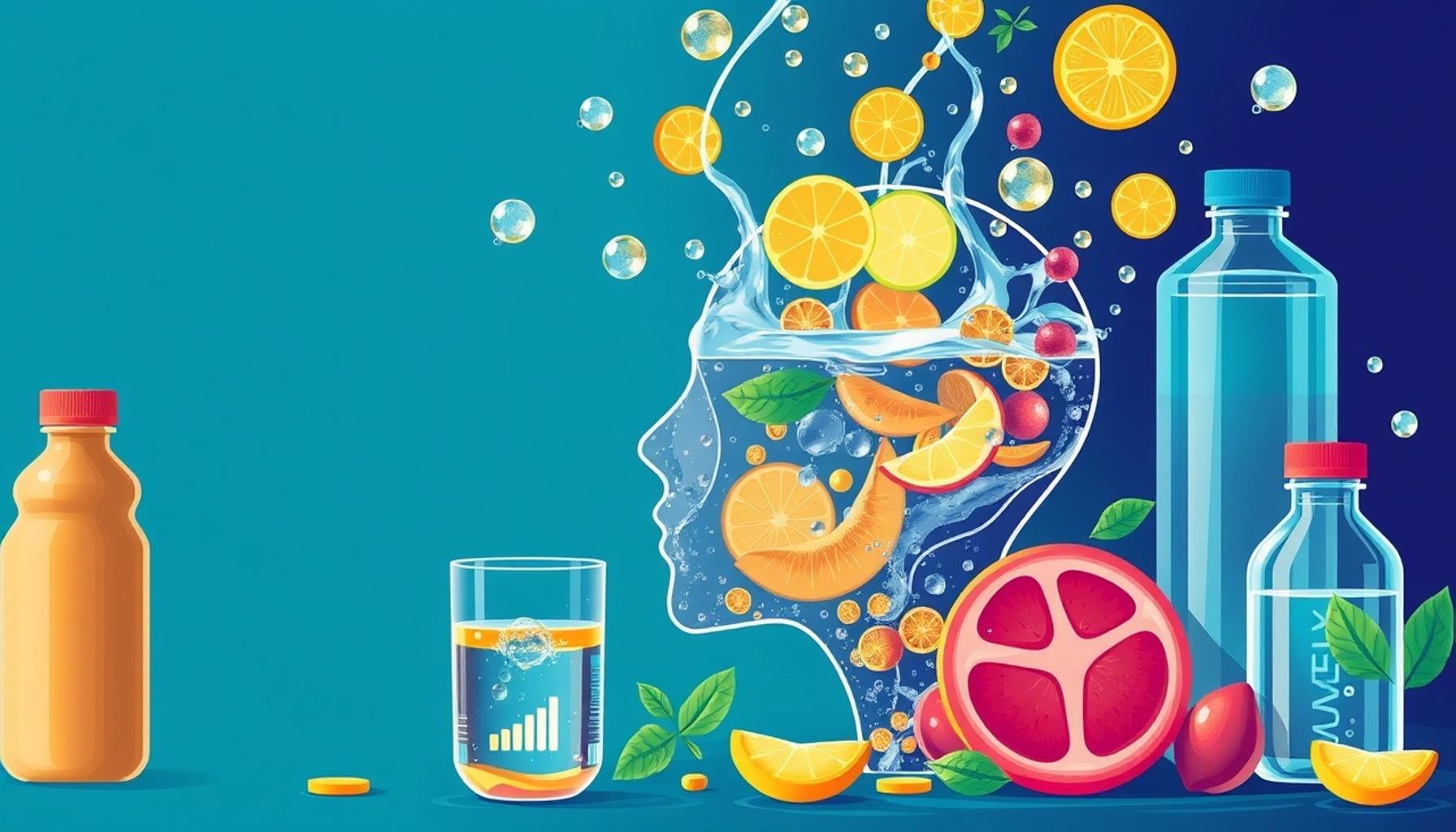
The Impact of Hydration on Mental Well-being
Throughout our daily lives, we often prioritize various aspects of health while inadvertently neglecting one of the simplest yet most vital requirements—hydration. From caffeine to energy drinks, society has devised numerous ways to chase mental clarity and physical endurance, yet the foundational element, water, frequently takes a backseat in this pursuit. Emerging research highlights that proper hydration is essential not only for physical functions but also for enhancing mental resilience, particularly in combating anxiety and boosting energy levels.
Understanding the Relationship Between Hydration and Cognitive Function
Adequate water consumption is foundational for optimal brain health. Studies suggest that even mild dehydration can lead to a decline in cognitive performance, impacting attention, memory, and processing speed. For students cramming for finals or professionals navigating complex tasks, ensuring consistent hydration presents an easy yet effective strategy for improving focus and clarity. In fact, researchers have found that drinking as little as two percent less than your adequate water intake can significantly impair cognitive abilities.
Mood and Emotional Regulation
Hydration’s effects extend into the realm of mood regulation as well. Dehydration has been linked to increased irritability and mood swings. Imagine a typical workday; you might find yourself feeling more stressed or overwhelmed by challenges when you’re not adequately hydrated. According to a study published in the Journal of Nutrition, individuals who consumed less water reported higher levels of anxiety and confusion, emphasizing that hydration can be a critical factor in emotional well-being.
Boosting Energy Levels Through Hydration
Staying hydrated serves as a natural fatigue fighter. Dehydration can result in lowered blood volume, leading to increased strain on the heart and muscles during physical activities. For athletes and health enthusiasts, maintaining hydration is vital for peak performance. The American Council on Exercise recommends drinking at least 17 ounces of water two hours before exercising and continuing to hydrate at regular intervals throughout physical routines.
Navigating Stressful Times
In an increasingly fast-paced society where stress and anxiety are prevalent, recognizing the integral connection between hydration and mental resilience is essential. Picture a busy mother juggling work and family responsibilities or a college student navigating the pressures of academia; both individuals might benefit significantly from simply ensuring their water intake is adequate. By integrating proper hydration into daily routines, one can genuinely enhance energy levels, minimize stress, and create a more resilient mindset.
This article aims to unpack the science behind hydration and its considerable impact on mental health. We will explore practical strategies for integrating more water into our diets and emphasize the importance of balancing hydration with other nutritional elements. Join us on this journey of discovery as we endeavor to unlock the transformative potential of hydration for both body and mind.
The Essential Role of Water in Mental Clarity
Water is not just a life-sustaining fluid; it’s a critical component for maintaining mental clarity. Our brains are made up of approximately 75% water, and even mild dehydration can affect how we think, process information, and make decisions. A significant body of research suggests that optimal hydration can enhance cognitive functions such as memory retention, concentration, and problem-solving skills. In fact, a study by the University of Connecticut found that individuals who were mildly dehydrated—losing just 1.5% of their body weight—experienced noticeable cognitive deficits. These findings highlight the fascinating interplay between water intake and our daily mental performance.
Hydration’s Influence on Anxiety Levels
When it comes to managing anxiety, hydration plays a pivotal role that is often overlooked. Individuals who experience high levels of anxiety may find themselves in a vicious cycle; stress can lead to decreased water intake, further exacerbating feelings of unease. Research has shown that even a slight reduction in hydration levels can increase the stress hormone cortisol, which is often referred to as “the stress hormone.” Maintaining adequate hydration helps to support the body’s natural response to stress, promoting emotional stability and resilience. Here are several key points regarding hydration’s effect on anxiety:
- Reduced Cortisol Levels: Staying hydrated can help lower cortisol levels, thereby reducing feelings of anxiety.
- Improved Mood: Adequate hydration has been linked to better mood regulation and reduced irritability.
- Cognitive Clarity: A well-hydrated brain is better equipped to handle stress and make rational decisions.
The Synergistic Effect of Hydration and Nutrition
The relationship between hydration and nutritional balance cannot be understated. Water aids in the absorption of essential nutrients that our bodies need to function correctly, especially during times of stress. Nutrients such as omega-3 fatty acids, found in fish like salmon, and vitamins B and D, play critical roles in the body’s ability to manage anxiety and maintain energy levels. For instance, omega-3s have been shown to have mood-stabilizing effects, while B vitamins are crucial for producing energy at the cellular level.
Considering this synergy, individuals should focus not only on drinking adequate amounts of water but also on combining hydration with a balanced diet that includes:
- Leafy Greens: Rich in nutrients that support brain health.
- Whole Grains: Sources of sustained energy that help stabilize blood sugar levels.
- Nuts and Seeds: Provide essential fatty acids that improve cognitive function.
In essence, the key to bolstering mental resilience lies in recognizing the interdependence of hydration and nutritional balance. As we delve deeper into this topic, we will uncover further insights into how to effectively integrate hydration strategies into our daily lives to mitigate anxiety and enhance our overall well-being.
| Advantages of Hydration | Impact on Mental Resilience |
|---|---|
| Improved Cognitive Function | Staying hydrated enhances focus, memory retention, and decision-making abilities, crucial for managing anxiety effectively. |
| Increased Energy Levels | Proper hydration maintains energy levels, which can significantly reduce feelings of fatigue and enhance overall mood, supporting mental resilience against stressors. |
Hydration plays a pivotal role not only in our physical health but also in our mental well-being. The connection between hydration and mental resilience is often overlooked as individuals struggle to manage anxiety. A substantial body of research indicates that even mild dehydration can lead to increased anxiety levels and reduced cognitive performance. When our bodies do not receive the adequate amount of water needed, it can lead to mood disturbances and decreased mental clarity. Additionally, certain nutrients found in hydrating foods, such as electrolytes and vitamins, further bolster cognitive health. Foods rich in omega-3 fatty acids, for example, support brain function and can mitigate the impact of stress. Adopting a diet that emphasizes both hydration and nutritional balance can be a strategic approach to effectively managing anxiety and boosting energy. This intricate interplay between hydration and mental resilience invites a closer examination of how simple lifestyle adjustments can pave the way for enhanced emotional health and improved daily functioning. Understanding these connections could lead to more informed choices regarding dietary habits and stress management strategies.
The Importance of Electrolytes in Hydration
While water is fundamental to hydration, electrolytes—minerals found in our body fluids—serve a vital role in maintaining both physical and mental energy levels. Essential electrolytes, including sodium, potassium, magnesium, and calcium, help regulate muscle function, nerve signaling, and hydration status in our cells. An imbalance of these electrolytes can lead to fatigue, muscle cramps, and increased anxiety levels. For individuals struggling with anxiety or stress, ensuring an appropriate intake of electrolytes is not merely beneficial but crucial.
For instance, magnesium is known as the “calming mineral” and plays a role in supporting the nervous system. Studies suggest that adequate magnesium levels can help counteract stress by regulating cortisol and maintaining mood. In fact, a study published in the journal “Nutrients” emphasized the link between magnesium deficiency and heightened anxiety levels. Similarly, incorporating potassium-rich foods like bananas, avocados, and sweet potatoes can help improve mood stability.
The Hydration and Sleep Connection
Another often overlooked aspect of hydration is its connection to sleep quality. Poor sleep can amplify anxiety and diminish energy levels, creating a negative feedback loop that is difficult to break. Research from the National Sleep Foundation indicates that dehydration can lead to less restorative sleep. When we are dehydrated, our bodies may struggle to reach deeper sleep cycles, essential for cognitive recovery and emotional regulation. Prioritizing hydration, especially in the hours leading up to bedtime, can promote better sleep quality and, in turn, improve mental resilience.
Moreover, it’s worth noting that caffeine consumption—a common beverage choice—can exacerbate dehydration, especially if not balanced with adequate water intake. Individuals who rely on caffeinated drinks should be mindful of this relationship, ensuring that they are countering caffeine’s dehydrating effects by drinking sufficient water throughout the day.
Practical Hydration Strategies for Optimal Mental Function
Incorporating effective hydration strategies into daily routines can have powerful effects on mental resilience. Here are some practical tips to help maintain optimal hydration levels while also enhancing nutritional balance:
- Start Early: Begin your day with a glass of water upon waking to kickstart hydration levels after hours of sleep.
- Hydration Reminders: Set reminders on your phone or use hydration apps to regularly drink water throughout the day.
- Infuse Flavor: If plain water feels tedious, try infusing it with fruits, herbs, or vegetables to create a refreshing beverage without added calories.
- Hydrate with Meals: Drinking water during meals can aid digestion while helping you gauge your body’s hydration needs.
- Monitor Fluid Loss: Be aware of your fluid loss, especially during exercise or hot weather, and adjust water intake accordingly.
By integrating these strategies into their lifestyles, individuals can establish a solid foundation for managing anxiety, enhancing energy levels, and achieving better mental clarity through optimal hydration and nutritional practices.
Conclusion: Harnessing Hydration for Mental Resilience
In summary, the link between hydration and mental resilience is undeniable. Ensuring adequate fluid intake not only supports physical health but also plays a crucial role in managing anxiety and enhancing energy levels. The hydration-nutrition relationship implies that what we drink can significantly affect how we think, feel, and respond to daily stressors. When we prioritize hydration, we empower our minds to function at their peak, reducing feelings of anxiety and boosting our overall resilience.
Incorporating essential electrolytes like magnesium and potassium into our diet further enhances this effect, stabilizing mood and improving cognitive function. Recognizing the importance of sleep quality as intertwined with our hydration habits can pave the way for more restorative rest, establishing a positive cycle that curbs anxiety and fortifies mental strength. Furthermore, by adopting simple hydration strategies, we can transform our daily routines and cultivate an environment that nurtures emotional health.
For those seeking to bolster their mental resilience in an increasingly frenetic world, paying attention to hydration may prove to be one of the most accessible and effective measures. Let us explore this vital connection further and consider how our hydration choices influence not just our bodies, but our minds and overall well-being. As we continue to investigate the impact of nutrition on mental health, the journey toward achieving balance is both personal and universal, underscoring the profound significance of our daily choices.