
Territorial behavior in dogs: understanding the need for space and boundaries

Understanding Territorial Behavior in Dogs
Dogs are inherently social animals, yet they exhibit a fascinating array of territorial behaviors that can reveal much about their instincts and emotional needs. For both seasoned pet owners and newcomers to dog companionship, recognizing and interpreting these behaviors is essential for fostering a tranquil living environment. After all, as domesticated as they are, dogs still retain many characteristics of their wild ancestors, whose survival depended on their ability to protect their territory.
Territorial behavior can present itself in various forms, each conveying specific emotions or instincts:
- Barking at strangers: One of the most common manifestations of a dog’s territoriality is barking when someone approaches their home or family. This vocalization serves both as a warning to the perceived intruder and a call to alert the owners that someone is nearby.
- Marking territory: Dogs may frequently mark their territory through behaviors such as urinating in specific spots during walks or even around the house. This instinctive action, often driven by the need to communicate with other animals, establishes a presence that defines their boundaries.
- Guarding: Many dogs instinctively guard their families, favorite toys, or resting areas. This behavior may manifest as aggressive posturing or growling in response to intrusions, signaling to both humans and other animals to stay away from what they consider their possessions.
It is important to note that these behaviors are not solely driven by aggression or dominance; rather, they reflect a dog’s need to ensure the safety and integrity of their environment. Over thousands of years, this protective instinct has been shaped by various factors, including breed characteristics, early socialization experiences, and individual temperament. For example, breeds such as German Shepherds and Rottweilers are often bred for their protective traits, while others may adopt territorial behavior based on their life experiences.
Understanding the motivations behind these territorial actions can significantly reduce the likelihood of miscommunication between dogs and humans. Being able to identify the moments when a dog feels threatened or insecure allows owners to respond appropriately and maintain a sense of security for their pets. Training methods, such as positive reinforcement and socialization with other dogs and people, can help curb excessive territorial behavior while still respecting a dog’s natural instincts.
This exploration of canine territoriality not only shines a light on why dogs behave as they do but also emphasizes the importance of creating an environment that balances a dog’s needs with those of their human families. By nurturing a more open understanding between dogs and their owners, we can promote healthier interactions and a more peaceful home life for everyone involved.
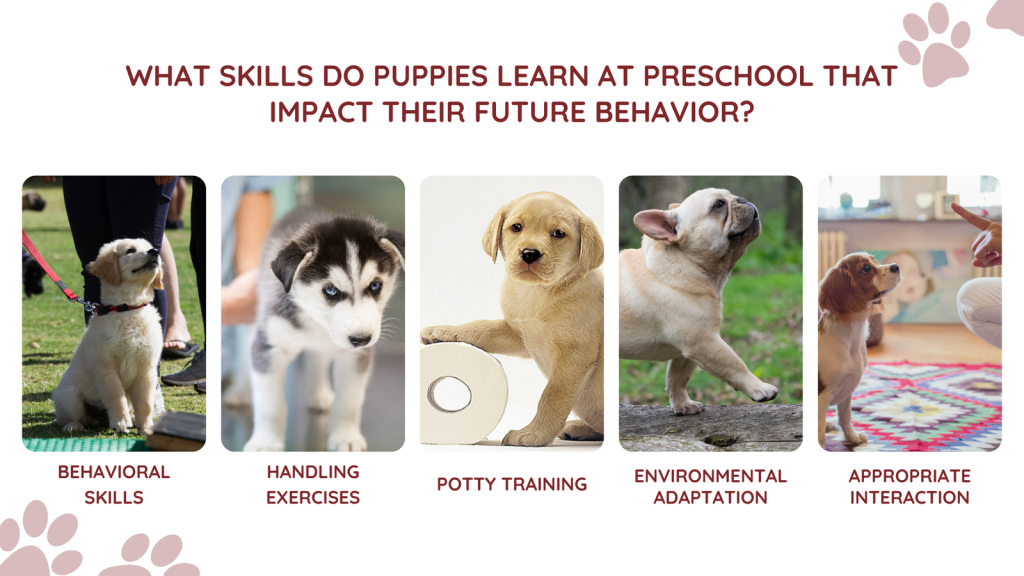
LEARN MORE: Click here to discover the importance of socialization for pets
Factors Influencing Territorial Behavior in Dogs
To truly grasp the nuances of territorial behavior in dogs, one must consider the intricate interplay of several influences, including genetics, environment, and individual experiences. Understanding these factors can illuminate why dogs display certain behaviors in various situations and help owners establish a harmonious relationship with their furry companions.
Genetics plays a pivotal role in shaping a dog’s instinctual behaviors. Many breeds were originally developed for specific tasks that required guarding or protecting resources. For instance, herding breeds like the Australian Shepherd are known for their strong instinct to manage both space and livestock, while guarding breeds like Doberman Pinschers are bred to protect property. This genetic predisposition results in inherent tendencies toward territorial behavior, which can vary markedly from one breed to another.
However, it is not solely genetics that dictates these behaviors. Early socialization, particularly in the critical developmental phases of a puppy’s life, greatly influences how dogs perceive their surroundings. Puppies that are exposed to a variety of environments, people, and other animals during their formative months typically exhibit more balanced behaviors as adults. They learn to differentiate between benign and threatening stimuli, thus reducing the urge to assert territorial claims unnecessarily. In contrast, puppies that are not socialized may grow into overly territorial adults, reacting with fear or aggression to perceived intruders.
Environmental factors also significantly contribute to a dog’s territorial instincts. A dog’s home environment – whether it be a bustling urban apartment or a secluded rural house – can affect their perception of space and safety. Dogs living in high-traffic areas may exhibit heightened territorial behaviors due to constant stimuli from passing vehicles, pedestrians, or other dogs. In a quieter setting, a dog may feel more secure and less inclined to defend what they perceive as their territory.
Human interactions further complicate the dynamic of territorial behavior. The way owners respond to their dogs’ territorial displays can either reinforce or mitigate these behaviors. For instance, if a dog barks at a stranger and the owner praises the dog for it, this can reinforce the barking behavior as a legitimate method of defense. Conversely, addressing such behaviors through training techniques that promote calm and controlled responses can help dogs learn to be less reactive, thus creating a more inviting atmosphere.
Ultimately, awareness of the multifaceted influences on territorial behavior empowers dog owners to provide the right balance of space and boundaries for their beloved pets. By recognizing the signs of territoriality, understanding their causes, and employing effective training strategies, owners can guide their dogs toward healthier expressions of these instinctual behaviors.
Key Signs of Territorial Behavior
Recognizing the signs of territorial behavior is crucial for creating a well-adjusted environment for your dog. Here are some of the most common indicators:
- Increased barking: Frequent barking at outsiders or unfamiliar sounds can signify a dog’s need to protect their territory.
- Body posture: A stiff body stance, raised hackles, or cut-off tails can indicate a dog asserting their dominance over a space.
- Aggressive behavior: Growling, snapping, or lunging at perceived intruders are clear signs of a dog’s protective instincts at play.
- Seeking high ground: Dogs often feel more secure and in control when they occupy elevated positions, like couches or open windows, overseeing their domain.
Understanding these behaviors is the first step toward establishing a respectful and secure environment that acknowledges your dog’s natural instincts while fostering a positive relationship.
| Category | Details |
|---|---|
| Understanding Territorial Behavior | Territorial behavior is instinctive and serves as a method for dogs to establish their space. |
| Benefits of Defining Space | Establishing boundaries helps in promoting a more well-adjusted canine that interacts positively with its environment. |
| Signs of Territorial Behavior | Common signs include barking, growling, and standing guard over specific areas. |
| Healthy Territoriality | Teaching dogs to respect boundaries can lead to improved social interactions with other pets and people. |
Understanding territorial behavior in dogs is critical for fostering positive relationships. Dogs naturally want to establish their space, and when interpreted correctly, this behavior can create a harmonious environment. Observing and recognizing the signs of territoriality allows pet owners to respond appropriately, preventing aggression and anxiety. A well-adjusted dog understands its boundaries and respects those of others, which is vital in multi-pet households or during interactions with strangers. The key lies in consistent training and positive reinforcement, which emphasize the importance of space, and help in minimizing conflicts. By reinforcing guidelines for territorial behavior, owners can significantly enhance their dog’s interactions, leading to a happier, healthier pet. This knowledge not only aids in effective training but also offers deeper insights into the complex social structures of canine behavior.
DISCOVER MORE: Click here to learn about your cat’s behavior
The Importance of Space and Boundaries in Reducing Territorial Behavior
Creating a space that accommodates a dog’s natural tendencies is essential in managing territorial behavior. Establishing clear boundaries, both physically and socially, not only enhances a dog’s sense of security but also cultivates a relationship built on mutual respect and understanding. Avoiding unnecessary triggers that may prompt territorial responses allows for a more peaceful coexistence in shared environments.
Physical space is critical to a dog’s well-being. Each dog needs an area where they can feel safe and secure to retreat when feeling threatened or anxious. This could be a designated corner of the living room, a comfortable bed, or a crate that they associate with their own territory. A well-thought-out space provides dogs with a sense of ownership without inciting overall territorial aggression. When introducing new items or altering their environment, it’s imperative to do so gradually to prevent overwhelming them and inciting defensive instincts.
In addition to physical space, consistent routines also play a significant role in helping dogs adjust and feel secure in their environment. Dogs thrive on predictability, and knowing when they will eat, walk, or play can significantly decrease anxiety-related behaviors, including territorial aggression. A stable routine reduces the likelihood of dogs feeling the need to claim or defend their spaces, as they learn to anticipate regular interactions with family members and other animals.
Training is a pivotal component in managing territorial behavior. Positive reinforcement training methods can redirect a dog’s territorial instincts toward more appropriate behaviors. For example, rewarding a dog for calm behavior when visitors arrive can reinforce the idea that newcomers are not threats to their territory. On the other hand, negative reinforcement, such as scolding a dog for barking, may inadvertently escalate anxiety and make them more vigilant in defending their territory.
Moreover, dog owners should be attentive to social interactions. Supervised exposure to other dogs or people can significantly lessen feelings of territoriality. Arranging playdates with well-socialized dogs or attending community dog parks encourages positive associations and reduces the inclination to defend their personal space aggressively. During these interactions, owners must be vigilant, ensuring that their dogs remain calm and are not displaying overt signs of aggression toward others.
It’s also important for dog owners to educate themselves about body language and signals of discomfort. Understanding these cues can help prevent escalation into territorial disputes. Signs such as raised hackles, a tense tail, or narrowed eyes may indicate that a dog feels the need to assert dominance or could be feeling threatened. A proactive approach, such as redirecting attention or creating distance during these moments, fosters a more secure environment.
Lastly, seeking professional help from a trained animal behaviorist can be invaluable in cases of severe territoriality. Behavioral specialists can assess the underlying causes of aggressive tendencies and help formulate a tailored plan that reinforces positive behavior, ensuring that each dog can thrive without feeling the need to defend their turf.
By acknowledging the necessity for personal space and establishing boundaries, dog owners can effectively manage territorial behavior. Engaging in strategies that promote space, routine, and social interactions prepares a dog for a more harmonious life, balancing their instinctual desires with modern living. Understanding these aspects lays the groundwork for effective behavioral management and enhances the bond between a dog and its family.
DISCOVER: Click here to learn how to effectively reward your pet’s good behavior
Conclusion
Understanding territorial behavior in dogs is pivotal for nurturing a balanced and harmonious relationship between canines and their human companions. By providing the necessary physical space, establishing clear boundaries, and maintaining consistent routines, dog owners can significantly reduce instances of aggression and anxiety associated with territorial instincts. This proactive approach fosters a sense of security for dogs, allowing them to thrive in their environments without feeling the need to claim or defend their turf.
Moreover, positive reinforcement training and social interactions play crucial roles in guiding dogs towards appropriate behaviors. By rewarding calmness and ensuring exposure to various stimuli, owners can cultivate an environment where dogs feel relaxed and confident. Recognizing and interpreting a dog’s body language is equally essential; it paves the way for early intervention, preventing minor discomfort from escalating into full-blown territorial disputes.
As our understanding of canine behavior continues to evolve, the importance of engaging professional help cannot be overstated for those facing significant challenges with territoriality. Expert guidance allows for tailored strategies that not only address immediate concerns but also promote long-term behavioral wellness.
In closing, acknowledging the intrinsic need for personal space and boundaries in dogs transforms our interactions and enhances their overall quality of life. With dedicated effort from pet owners, it is possible to channel their instinctual tendencies into more positive experiences, leading to a deeper bond and a shared sense of peace in a home environment.