
Strategies for Training Pets in Urban Environments: Challenges and Solutions

The Challenges of Pet Training in Urban Environments
Living amid the hustle and bustle of the city can be both exhilarating and overwhelming for pet owners. The vibrant energy of urban life presents a unique set of challenges for training our furry friends. With busy streets, noisy environments, and a constant barrage of distractions, pets can easily become overwhelmed or disinterested, complicating their training process. Effective training is not just beneficial; it is essential for both the safety of the pet and the convenience of urban life.
Noise and Distractions
One of the primary barriers faced by pet owners in bustling cities is the incessant noise and distractions. Urban areas are filled with the sounds of honking cars, jackhammers, and crowds, all of which can easily divert a pet’s attention. For example, a dog may become so engrossed in the sounds of an approaching bus or the sight of a squirrel darting across the sidewalk that it ignores its owner’s commands. This overstimulation can hinder the learning process and cause frustration for both the pet and the owner.
Space Limitations
Another significant challenge is the space limitations inherent in urban living. Many pet owners reside in smaller apartments where there may not be enough room for expansive training exercises. For instance, training a large breed dog in a compact living space can be particularly difficult, as they require ample room to move and practice commands effectively. Despite this, creative use of available spaces—such as hallways for basic obedience drills or even the balcony for small, focused training sessions—can yield positive outcomes.
Access to Facilities
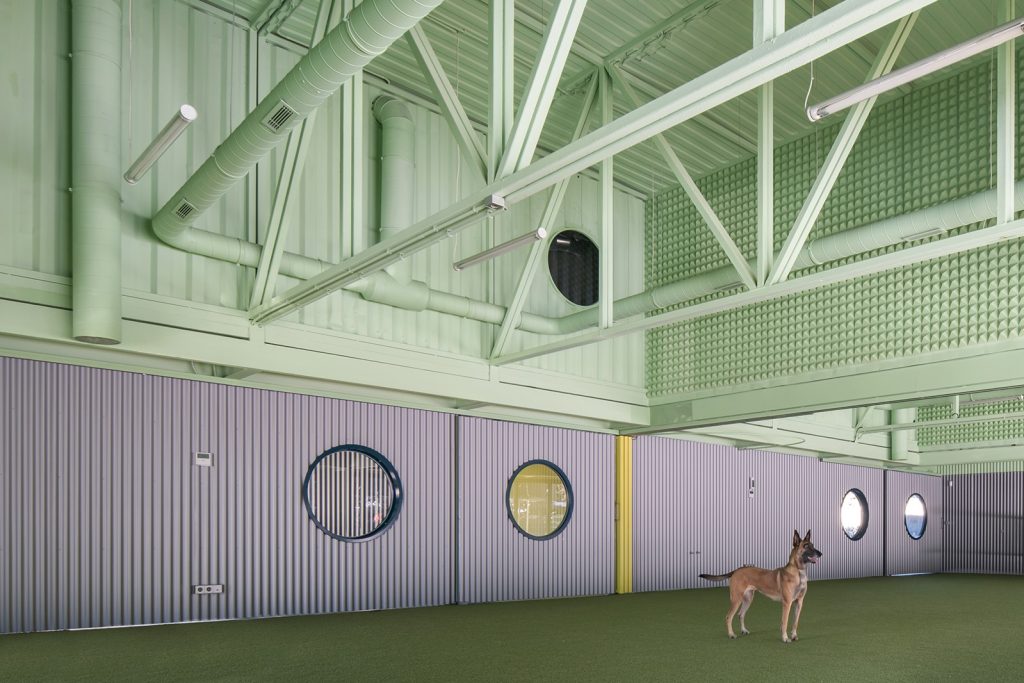
Additionally, access to facilities dedicated to pet training can be limited in densely populated areas. While many cities do have dog parks or training centers, they may be overcrowded or situated far from where many pet owners reside. This limitation can make regular training sessions a logistical challenge. However, local pet stores, schools, or community centers might offer training classes or workshops that can be both accessible and beneficial for urban pet owners.
Innovative Solutions
Despite these hurdles, there are numerous strategies urban pet owners can implement to foster effective training and create a harmonious living environment. One approach is utilizing local parks. Identifying quieter times during the day, such as early mornings or late afternoons, can allow for training in less distracting surroundings. Parks also provide valuable outdoor space for physical activities, which is essential for a pet’s well-being.
Moreover, incorporating technology into training routines has gained popularity among urban dwellers. Various apps offer interactive games that can enhance training while keeping pets mentally stimulated. Virtual training sessions with professional trainers can also provide guidance that fits conveniently into busy schedules, allowing owners to train at their own pace from home.
Another noteworthy tactic is building community. Connecting with fellow pet owners can create a support system. Group training sessions not only add a social element but also provide shared tips and advice, making training both enjoyable and effective. Platforms like social media or local community boards can be great resources for organizing meetups.
Ultimately, by employing these thoughtful strategies, urban pet owners can constructively engage their pets, turning training into a rewarding experience. As cities continue to grow, finding sustainable, effective training methods will play an increasingly vital role in ensuring that pets and their owners live fulfilling lives together amidst the urban landscape.
LEARN MORE: Click here for essential tips
Innovative Strategies to Overcome Urban Training Challenges
Despite the challenges associated with training pets in urban environments, there are several innovative strategies that can enhance the training experience for both pets and their owners. Understanding and implementing these tactics can lead to effective training sessions that adapt to the unique demands of city life.
Utilizing Local Parks Wisely
One of the key strategies is to utilize local parks effectively. Urban parks can serve as an excellent training space, offering a natural setting for pets to learn commands and socialize. Choosing less crowded times for training can significantly reduce distractions. Early mornings or late afternoons are often quieter, allowing for a more focused training environment. The expansive green space also provides opportunities for physical exercise, crucial for pets living in small apartments limited in space.
Creating a Safe Training Zone at Home
For those with space limitations, creating an effective training zone at home is essential. Consider transforming a designated area of the apartment into a training zone, free from distractions. This could include the use of puppy gates to contain the pet in a space where they can focus. Even a simple hallway can serve as a confined training area for mastering basic obedience commands like “sit,” “stay,” and “come.” To make home training more engaging, owners can incorporate treat-based rewards and interactive toys to create a positive association with training sessions.
Access to Training Resources
Accessing proper training resources is vital in overcoming the limitations posed by the urban environment. Many urban centers offer a variety of options, including:
- Professional training classes: Local trainers often host classes tailored to urban pets’ needs.
- Online tutorials: Numerous websites and platforms provide invaluable training videos that can be accessed anytime.
- Community workshops: Local animal shelters or pet stores may also offer workshops that focus on urban-specific training techniques.
Taking advantage of these accessible resources not only exposes pets to different training methods but also creates opportunities for socialization with other animals and people.
Leveraging Technology for Training
Technology has revolutionized many aspects of pet training. Pet owners can now leverage various applications and devices to aid in their training endeavors. For instance, training apps can provide personalized training plans and allow owners to track their pet’s progress. Such tools can also incorporate games that stimulate pets mentally, making training sessions less monotonous. Moreover, virtual or video training sessions with professional dog trainers can offer specialized guidance that fits seamlessly into an urban pet owner’s busy lifestyle.
In conclusion, while urban environments pose unique challenges for pet training, there are numerous strategies available to facilitate successful learning experiences. By taking advantage of local parks, creating safe training spaces at home, utilizing available resources, and embracing technology, pet owners can cultivate a productive training environment that enhances their pets’ skills and well-being.
| Challenges | Solutions |
|---|---|
| Distractions, such as traffic, noise, and other animals, can disrupt training sessions. | Create a calm environment by choosing quieter times and locations for training. |
| Limited space for movement can make traditional training methods challenging. | Utilize indoor training tools, such as agility equipment, to maximize small spaces. |
| Behavioral issues can arise from anxiety or stress due to urban life. | Use positive reinforcement techniques to improve behavior and strengthen the bond with your pet. |
| Limited socialization opportunities due to crowded environments. | Set up playdates with other pets or visit dog parks during off-peak hours. |
Training pets in urban environments comes with its own set of challenges, but with thoughtful strategies, pet owners can turn these obstacles into opportunities for bonding and development. For instance, addressing the issue of distractions found in urban settings—such as noise from traffic or the presence of other animals—can be managed effectively by choosing tranquil times and locations for training. Similarly, space constraints necessitate creative solutions; indoor agility tools can serve as great alternatives to traditional training environments. Additionally, behavioral problems often emerge from the stressors of city life, making positive reinforcement vital for using training to enhance a pet’s comfort and adaptation to their environment. Lastly, fostering socialization through organized playdates or calculated visits to dog parks at less busy times can alleviate issues of limited interaction. Each of these approaches not only assists in effective training but also enriches the overall experience for both the pet and owner. By discovering and implementing these strategies, pet owners can cultivate a more harmonious urban life with their furry companions.
DISCOVER MORE: Click here to learn about the benefits of socialization in pets
Integrating Socialization into Training Routines
Socialization is a critical aspect of training pets, especially in urban environments where exposure to diverse stimuli is constant. Integrating socialization into regular training routines can significantly enhance a pet’s comfort with the bustling city life. Restaurants, cafés, and dog-friendly areas are fantastic locations to instill confidence in pets while they learn essential social skills. Gradually introducing your pet to these environments can reduce anxiety and promote positive experiences.
Setting Up Playdates
Another effective strategy is to organize playdates with other pet owners. Forming small groups or joining local pet clubs allows pets to engage with one another in a controlled environment. These interactions provide valuable social experiences. Additionally, these playdates can be used for joint training exercises, reinforcing commands in a group setting that mimics real-world scenarios. Resources like Meetup or local Facebook groups are great starting points to connect with other pet owners in your area.
Incorporating Train-and-Walk Sessions
Combining walks with training sessions is a practical solution for urban pet owners pressed for time. Train-and-walk sessions involve practicing commands during daily walks, leveraging distractions to reinforce training. For instance, pausing to practice “sit” while waiting at a crosswalk or “stay” when encountering an unexpected noise can help solidify learning. Such dual-purpose meetings are not only beneficial for obedience but also help exercise your pet, mitigating restlessness often caused by limited living spaces.
Addressing Urban Behavioral Challenges
Urban environments can introduce unique behavioral challenges, such as fear of loud noises, crowded spaces, or unfamiliar animals. Addressing these behaviors requires specific strategies. Implementing desensitization techniques can help pets acclimate to stressful stimuli gradually. This may involve exposing the pet to recorded sounds of traffic, construction, or crowds at a low volume while providing treats, helping them form positive associations. For dogs, using a thunder jacket or calming aids during walks in busy areas can also decrease anxiety.
Building a Routine with Consistency
Establishing a routine with consistency in training schedules can also vastly improve a pet’s learning curve. Pets thrive on routine as it provides structure, making them feel more secure in their surroundings. Incorporating commands into everyday activities—such as reinforcing “leave it” when encountering litter on the sidewalk—ensures that training becomes an integrated part of the pet’s daily life. Consistency will result in quicker learning and better compliance during training sessions.
Furthermore, many urban pet owners may benefit from collaborating with trainers who specialize in urban obedience training. These professionals are often familiar with city-specific challenges and can tailor programs to address the unique needs of an urban pet.
With persistence and the right strategies, urban pet owners can successfully navigate the complexities of training their pets, ensuring they not only develop good behavior but also flourish in a vibrant city landscape.
DON’T MISS OUT: Click here to learn why socialization is key for your dog
Conclusion: Mastering Urban Pet Training for the Modern Environment
As urban living continues to shape the lifestyles of pet owners across the United States, the journey of training pets in bustling city environments comes with its own set of challenges. From heightened exposure to distractions to the necessity of effective socialization, urban pet training necessitates innovative strategies tailored to the unique landscape. By integrating socialization into training routines, establishing playdates, and utilizing train-and-walk sessions, pet owners can foster a sense of security and adaptability in their furry companions. These approaches not only advance obedience skills but also promote mental stimulation, which is crucial for city dwellers with limited space.
Moreover, addressing specific behavioral challenges, such as noise aversion and crowd anxiety, is essential for a pet’s overall well-being. Implementing desensitization techniques and maintaining a structured training routine can significantly ease these issues. As each dog and cat is a distinct individual, working with professional trainers who understand the intricacies of urban pet training can offer valuable insights tailored to specific needs.
Ultimately, the key to successful training lies in a combination of patience, creativity, and commitment. Urban pet owners have the unique opportunity to enrich their pets’ lives, turning everyday excursions into valuable training sessions. By embracing these strategies, owners can ensure their pets not only thrive in city life but also grow into well-behaved, confident companions ready to face the challenges of an urban jungle. The rewards of responsible pet ownership extend beyond the leash—cultivating a well-trained pet enhances local communities and the bond between pets and their owners alike.