
Scratching Behavior in Cats: Understanding Their Needs and How to Redirect Them
Understanding the Reasons Behind Feline Scratching
Many cat owners often find themselves puzzled by their pet’s scratching behavior. This natural instinct is not only an expression of their personality but also a crucial aspect of their well-being. While the sight of a cat vigorously clawing at a couch or chair can be frustrating, it’s essential to recognize that scratching serves several important functions. Understanding why cats scratch can help owners manage this behavior effectively while minimizing damage to household items.
- Instinctual Needs: Scratching helps cats mark their territory. Cats have scent glands located in their paws; by scratching, they leave their scent on surfaces, signaling to other animals that this is their domain. This behavior is instinctive and rooted deeply in their evolutionary past.
- Physical Health: Scratching aids in the maintenance of their claws. As cats scratch, they shed the outer sheaths of their claws, which helps keep them sharp and healthy. Regular scratching not only prevents overgrowth but also reduces the likelihood of potential injuries caused by torn or broken claws.
- Emotional Outlet: Scratching serves as a means for cats to relieve stress and promote exercise. Engaging in this natural behavior can help cats release pent-up energy, making them feel more relaxed and less anxious. Providing satisfying scratching outlets can lead to happier, more contented felines.
Redirecting this behavior doesn’t mean eliminating it entirely. Instead, providing appropriate alternatives can create harmony in your home. By discovering how to effectively guide your cat’s scratching tendencies, you can protect your furniture while ensuring your feline companion remains happy and engaged.
Strategies for Understanding and Managing Scratching
Successful intervention involves recognizing your cat’s needs and preferences. To foster an environment where your cat can scratch appropriately, consider the following methods:
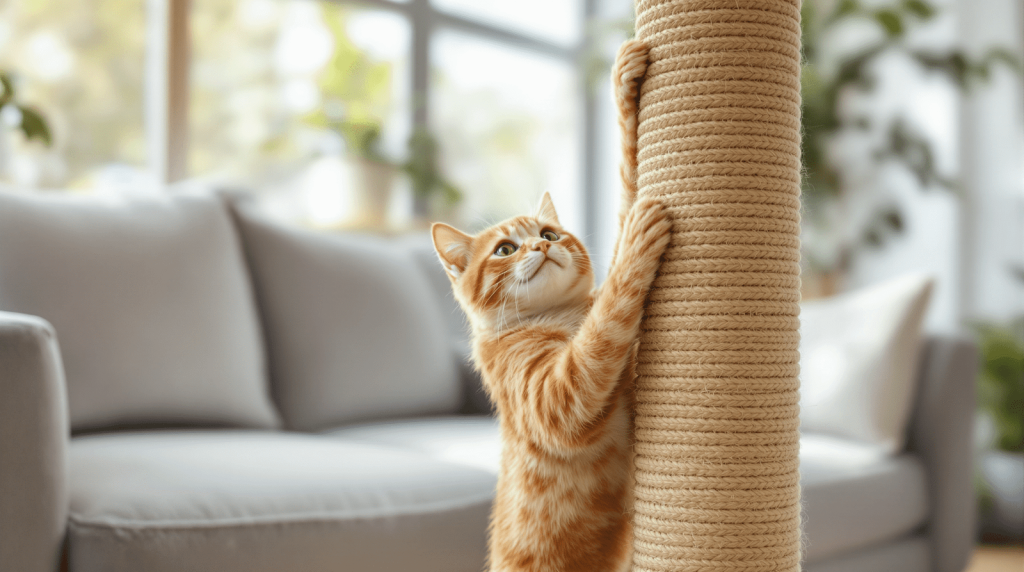
- Scratching Posts: Invest in high-quality scratching posts made from materials like sisal or cardboard that attract your cat. There are various styles available—vertical, horizontal, and angled—so experiment to see which your cat prefers. Positioning the posts in areas where your cat spends the most time can also encourage their use.
- Positive Reinforcement: Reward your cat when they use designated scratching areas. Treats, praise, and petting every time they scratch in the right spot can help reinforce this behavior. Creating a positive association with appropriate scratching surfaces will help steer your cat away from your furniture.
- Protective Covers: Utilize protective covers or materials on furniture to deter scratching. Products like double-sided tape or specialized sprays provide an unpleasant experience for cats on furniture while making scratching posts more appealing.
By understanding their scratching behavior in-depth, you can tailor your approach to managing it effectively. This strategy not only helps in preserving your household items but also contributes to a peaceful coexistence, thereby enhancing the quality of life for both you and your furry friend. With a little patience and creativity, it’s possible to meet your cat’s scratching needs while maintaining a harmonious home environment.
LEARN MORE: Click here to discover how adoption services help
Identifying Your Cat’s Scratching Preferences
To effectively manage your cat’s scratching behavior, it’s crucial to understand their individual preferences and habits. Every cat is unique, and their choice of scratching surfaces can vary widely depending on factors such as age, breed, personality, and environment. By observing your cat’s behaviors, you can identify patterns that will allow you to create a tailored approach to address their needs.
- Age and Activity Level: Kittens are often more playful and energetic, requiring more opportunities for scratching and climbing. Older cats might prefer less strenuous options, gravitating towards lower scratching surfaces. Understanding your cat’s age and energy levels can guide you in selecting the right scratching choices.
- Material Preferences: Different cats have varying preferences for the texture of scratching surfaces. Some may favor the coarse feel of sisal rope, while others might enjoy pulling at soft carpet or even cardboard. Experiment with different types of scratching posts to find one that captivates your cat’s interest.
- Height and Location: Cats often prefer vertical surfaces for scratching, as it allows them to stretch and maintain their flexibility. Placing scratching posts near their favorite lounging areas or near furniture they typically scratch can also increase engagement with those posts.
Additionally, consider your cat’s natural instincts when crafting their environment. Cats are hardwired to climb and explore, so incorporating multi-level scratching stations, such as cat trees, into the home can also offer them an enriched space to satisfy their scratching urges. The more options you can provide, the more likely your cat is to utilize appropriate scratching surfaces instead of your furniture.
Implementing Effective Redirection Techniques
Once you have identified your cat’s preferences, it’s time to implement redirection techniques to guide their scratching behaviors appropriately. Here are some effective strategies that can make a tangible difference:
- Multiple Scratching Options: Invest in a variety of scratching posts with different shapes, sizes, and textures. This variety keeps your cat engaged and helps to determine their favorite surfaces.
- Location, Location, Location: Position scratching posts in high-traffic areas of your home. Cats often desire to scratch in areas where they spend most of their time, or where they can observe their surroundings.
- Consistency is Key: Be consistent with your redirection efforts. If your cat scratches furniture, gently guide them to the designated scratching areas and reward them for using those instead.
By actively engaging with your cat’s scratching behavior, you can create a conducive environment for both you and your feline friend. The aim is not only to redirect unwanted scratching but also to stimulate their natural instincts, ensuring they remain emotionally and physically fulfilled. Understanding and adapting to your cat’s needs is the first step towards a harmonious and scratch-free home.
Understanding Cat Scratching Behavior
The phenomenon of scratching in cats is both natural and essential. Cats engage in scratching for various reasons, including sharpening their claws, marking territory, and stretching their bodies. Recognizing that this behavior is a fundamental aspect of feline life can help owners empathize with their pets and create a more harmonious living environment.
Reasons for Scratching
One of the primary motivations behind a cat’s urge to scratch is to maintain their claws. By removing the outer sheath of their claws, cats reveal sharper claws capable of catching prey or defending themselves if necessary. Furthermore, scratching allows cats to stretch their bodies, promoting physical health.
Territorial Marking
Another aspect of scratching behavior is its role in marking territory. Cats have scent glands in their paws, and when they scratch, they deposit their scent on the surface. This acts as a signal to other cats, indicating that the area is claimed, helping them establish their territory within a space where multiple cats may inhabit.
Redirecting Scratching Behavior
For many cat owners, the challenge arises when scratching becomes a nuisance. Redirecting this behavior effectively is vital in maintaining peace at home. Providing appropriate scratching posts made from suitable materials—like sisal or carpet—can fulfill their innate needs without damaging furniture. Additionally, placing these posts in strategic locations, such as near their favorite resting areas, can encourage use and minimize unwanted scratching on household items.
Benefits of Understanding Scratching Behavior
Recognizing and responding to scratching behavior can significantly improve the cat-owner relationship. By offering alternatives and understanding the cat’s natural instincts, owners can foster a more positive environment. This ultimately helps in preventing behavioral issues that may arise from misunderstandings about a cat’s needs and habits.
| Category | Description |
|---|---|
| Natural Instincts | Innate behavior important for claw maintenance and muscle stretching. |
| Territory Marking | Establishes territory, providing a sense of security in their environment. |
| Redirection Techniques | Providing scratching posts effectively minimizes damage to furniture. |
| Positive Environment | Understanding needs fosters better relationships and reduces behavioral issues. |
DIVE DEEPER: Click here to learn more about how adoption services help
Creating a Cat-Friendly Environment
Understanding your cat’s scratching behavior goes beyond just redirecting them to appropriate surfaces; it involves fostering an environment that caters to their intrinsic needs. A well-designed space can minimize unwanted scratching while enriching your cat’s life. Incorporating elements that satisfy their instincts not only leads to happier cats but also more satisfied owners.
- Vertical Space: Cats are natural climbers, and they relish high vantage points. Providing vertical spaces, such as cat trees or shelves, allows cats to climb, scratch, and survey their territory. Cats instinctively scratch to mark their territory, and adding vertical options gives them appropriate places to do so while also contributing to a multi-dimensional living space.
- Textured Surfaces: In addition to providing scratching posts, consider the various surfaces available throughout your home. Cats may enjoy scratching on carpets, fabric-covered furniture, or even specialty cat-scratchers made from natural woods. Offering these textured experiences can cater to their preferences and prevent them from choosing your beloved sofa for their climbing and scratching activities.
- Interactive Play: Engaging your cat through interactive play not only satisfies their natural hunting instincts but can also help to channel excess energy. Toys that mimic the movements of prey, such as feather wands or laser pointers, can divert attention from your furniture, reducing the likelihood of unwanted scratching while building the bond between you and your furry friend.
Moreover, it is essential to implement environmental enrichment strategies that stimulate not just their physical needs but their mental well-being as well. Puzzle toys, treat dispensing items, or even hiding their food can make a big difference in keeping your cat engaged in acceptable activities.
Utilizing Deterrents Wisely
While creating a harmonious environment is a positive approach, some cat owners may find it necessary to employ deterrents for specific areas. However, effective deterrents should be used sparingly and strategically. Here are some options:
- Adhesive Pads: Applying double-sided tape on furniture or surfaces your cat likes to scratch can deter them, as cats typically dislike walking on sticky materials. This method provides an immediate negative experience connected to undesired behavior.
- Commercial Deterrent Sprays: Many commercial products, available in pet stores, are designed to discourage scratching by emitting scents that cats find unpleasant. Applying these to areas that require protection can serve as an effective deterrent without harming your cat.
- Physical Barriers: Using furniture covers or physical barriers can prevent access to favorite scratching spots. While these are temporary measures, they can provide immediate relief while you work on redirection tactics.
Using deterrents should always complement positive measures, such as providing alternative scratching options. By prioritizing a balanced approach, you can redirect your cat’s scratching behavior while nurturing their innate instincts.
Ultimately, understanding and meeting your cat’s needs is the foundation of a successful strategy in managing scratching behavior. Tailoring an environment that keeps your cat happy, fulfilled, and engaged will inevitably lead to a more peaceful coexistence for both you and your feline companion. The journey towards a less scratch-happy household requires patience, observation, and a willingness to adapt to your cat’s unique personality and preferences.
LEARN MORE: Click here to discover the benefits of adoption services
Final Thoughts on Scratching Behavior in Cats
In conclusion, understanding and managing your cat’s scratching behavior is an integral part of fostering a harmonious home environment. By recognizing that scratching is a natural and essential instinct for cats, pet owners can take proactive steps to redirect this behavior effectively. As we’ve explored, providing a variety of alternative scratching surfaces, such as cat trees and textured scratchers, plays a pivotal role in offering acceptable outlets for this behavior. Additionally, establishing a cat-friendly environment enriched with interactive play, climbing structures, and mental stimulation ensures your feline’s physical and emotional needs are met.
Moreover, employing preventative measures and deterrents should be part of a balanced approach to managing scratching. These methods, when used judiciously, help protect your furniture while encouraging your cat to engage with their designated scratching areas. It’s crucial to remember that patience and consistency are key as your cat adjusts to these new routines.
As you embark on the journey of redirecting your cat’s scratching behaviors, remain attentive to their unique preferences and personality. Every cat is an individual, and understanding their specific needs can lead to a more peaceful coexistence. For further information, consider researching additional resources on feline behavior or consulting with a veterinarian or animal behaviorist. Ultimately, creating an environment that harmonizes with your cat’s instincts will enrich their lives and yours, turning what might feel like a nuisance into a delightful aspect of pet ownership.