Positive Training Techniques: How to Reward Your Pet’s Good Behavior
Unlock the Secrets to Effective Pet Training
Training your pet can seem daunting, but adopting positive training techniques can transform the experience into a rewarding journey for both you and your furry friend. By focusing on teaching good behavior through rewards, you can cultivate a strong bond and encourage your pet to thrive.
Why Positive Training Works
Positive reinforcement addresses the core of your pet’s behavior, encouraging them to repeat actions that earn them rewards. This method is rooted in behavioral psychology, showing that animals, like humans, respond well to encouragement. Here are some compelling reasons why this approach is effective:
- Builds trust and strengthens the pet-owner relationship. When pets experience consistent positive reinforcement, they begin to trust their owners more, leading to a deeper connection.
- Boosts your pet’s confidence and motivation. Pets that are praised for their behavior are likely to feel more secure and eager to learn, knowing that their efforts will be acknowledged.
- Reduces stress and anxiety associated with training. A positive environment diminishes the fear of punishment, allowing pets to explore and learn without the pressure of negative consequences.
Types of Rewards to Consider
Implementing rewards can be as simple as offering treats or praise. Considering various forms of positive reinforcement is beneficial, as different pets respond better to different rewards. Here are some popular forms of positive reinforcement:
- Treats: Small, healthy snacks such as carrots, apple slices, or commercial pet treats that pets love can be excellent motivators during training sessions. Just be sure to adjust their meals accordingly to avoid overfeeding!
- Praise: Verbal acknowledgments of good behavior, such as saying “Good boy!” or “Well done!” can boost your pet’s morale and create a sense of accomplishment.
- Playtime: Engaging in favorite activities, like fetch or tug-of-war, as a reward can make training fun and reinforce the bond between you and your pet.
- Affection: Simple gestures like petting, cuddling, or belly rubs show love and give pets a sense of security, reinforcing the positive behavior they displayed.
Incorporating these techniques into your training routine not only enhances learning but also fosters enjoyment and engagement. Remember, every small win is a step toward a better-behaved pet. Get ready to explore how rewarding good behavior can lead to a more harmonious life with your pet! As you embark on this rewarding training journey, be patient, stay consistent, and enjoy the special moments of growth alongside your beloved companion.
DISCOVER MORE: Click here to learn about the benefits of socialization for your pets
Understanding the Foundation of Positive Reinforcement
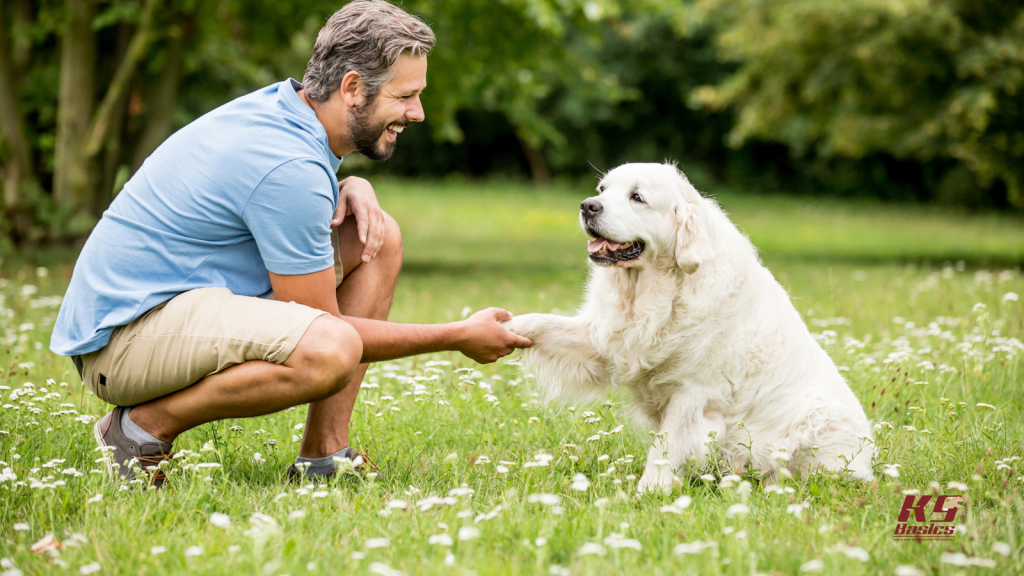
Positive training techniques center around the principle of rewarding desired behaviors rather than punishing undesirable ones. This method not only fosters a more engaging training environment but also promotes a sense of security and happiness in both dogs and cats. By recognizing the importance of your pet’s emotional well-being, you can create an environment that is ripe for learning and development.
The Science Behind Positive Reinforcement
At the heart of positive reinforcement lies a well-researched understanding of behavioral psychology. When your pet performs a desired behavior and is met with a reward, they are more likely to repeat that behavior in the future. Research indicates that animals react favorably to positive stimuli, thereby reinforcing their actions and creating a pattern of good behavior. Here are some scientific principles that make positive reinforcement a superior training technique:
- Operant Conditioning: This method is based on the concept of operant conditioning, where behaviors are modified by consequences. When a desirable consequence—in this case, a reward—follows a behavior, it becomes more likely to occur again.
- Immediacy of Reward: Quick rewards are crucial in training, as they help your pet associate the action with the positive outcome. Rewarding your pet right after they exhibit the desired behavior solidifies the connection they need to learn effectively.
- Consistency is Key: Providing consistent rewards encourages predictable behavior. A stable set of criteria for rewards allows your pet to understand what you expect of them, paving the way for easier communication between you and your companion.
Setting the Stage for Success
Before diving deeper into training, it’s worth noting that a well-structured setting can significantly enhance the effectiveness of positive reinforcement. Here are some tips to prepare for successful training sessions:
- Create a distraction-free environment: Choose a quiet location where your pet can focus. Minimizing distractions helps them to concentrate on the tasks at hand.
- Keep training sessions short and engaging: Animals have varying attention spans, so it’s wise to limit sessions to around 5 to 10 minutes. This keeps your pet engaged without causing frustration or boredom.
- Use high-value rewards: Experiment with different treats or rewards to discover what captivates your pet the most. This may involve trying a variety of snacks, toys, or types of praise until you find their ultimate motivator.
By setting the stage for a positive learning environment and understanding the principles of positive reinforcement, you can pave the way for effective training sessions that resonate with your pet. This foundation not only encourages good behavior but also enhances the bond you share, ensuring that training becomes a mutually enjoyable experience. Keep reading as we delve further into the intricacies of rewarding good behavior, offering new insights and practical tips to enrich your journey together!
| Technique | Description |
|---|---|
| Clicker Training | A method using a click sound to mark desired behaviors, reinforcing them with rewards. |
| Treat-Based Rewarding | Offering treats immediately after a positive behavior, enhancing motivation. |
| Verbal Praise | Using an encouraging tone and affirmative words to reinforce good behaviors. |
| Playtime | Incorporating fun activities as a reward can significantly motivate your pet. |
Positive training techniques are essential for nurturing a strong bond between you and your pet while promoting good behavior. Clicker training is particularly effective as it provides clear communication, marking positive behaviors with immediate feedback. Treat-based rewarding not only motivates your furry friend but also helps in forming an association with desirable behaviors. Verbal praise is another powerful tool; pets often respond enthusiastically to the tone of your voice, making them feel appreciated and encouraging repetition of the good behaviors. Lastly, incorporating playtime as a reward serves dual purposes: it reinforces the desired behavior and strengthens the bond, emphasizing that positive actions lead to enjoyable experiences. Each technique merges to create a harmonious training environment, promoting long-lasting good behavior habits in your beloved pet. Continue exploring these methods to discover the full potential of your training journey.
DON’T MISS OUT: Click here to learn about the importance of dog socialization
Effective Reward Strategies to Enhance Training
Once you have established a positive training environment, the next step involves implementing effective reward strategies that align with your pet’s behavior. Utilizing rewards effectively can not only facilitate quicker learning but also enhance the bond between you and your pet. Here are some practical methods to consider when rewarding your pet:
Diverse Types of Rewards
Rewards are not one-size-fits-all. Animals respond differently to various types of stimuli. You can explore several categories of rewards to find what resonates most with your pet:
- Edible Treats: Food is often the most reliable motivator for pets. Healthy, small-sized treats work best since they offer a quick reward without overwhelming your pet. Consider options like carrot sticks, small pieces of cheese, or specially formulated training treats.
- Toys and Playtime: For many pets, engaging in play is a powerful form of reward. A brief play session with a favorite toy after a successful command enhances your pet’s enthusiasm for training. Activities like fetch or tug-of-war can serve as a great incentive.
- Affection and Praise: Simple words of encouragement and physical affection, such as petting and cuddling, can be profound reinforcements for many pets. The warmth of your voice or a good scratch behind the ears can motivate them as effectively as treats.
- Access to a Favorite Activity: Allowing your pet to engage in a favorite pastime—like going for a walk, visiting the dog park, or a swim in the pool—can be a highly effective reward. Animals often thrive on new experiences, so integrating this type of reward can yield great results.
Timing and Tailoring Rewards
Another critical aspect of effective positive reinforcement is the timing and tailoring of rewards. The connection between the behavior and the reward needs to be clear and immediate:
- Immediate Gratification: Rewarding your pet right at the moment they perform a desired behavior is essential. This immediacy helps them make the connection between the action and the reward, strengthening their understanding.
- Gradual Fading of Rewards: As your pet becomes more proficient, you can gradually lessen the frequency of rewards while maintaining good behavior. This strategy, commonly referred to as “fading,” encourages sustainability in the learned behavior.
- Personalization: Tailor the rewards to meet your pet’s unique preferences. Spend time observing what captures their interest most, enabling you to create a tailored reward system that resonates with your pet’s personality.
Keeping It Fun and Engaging
Training sessions should not feel laborious; instead, they should be an enjoyable experience for both you and your pet. Here’s how to infuse fun into your training routine:
- Incorporate Tricks and Games: Use the opportunity to teach fun tricks alongside commands. For instance, add tricks like spinning, rolling over, or playing dead to motivate and entertain your pet while offering rewards.
- Utilize Varied Locations: Changing the training environment can keep your pet excited. Each new location presents fresh stimuli, making their training sessions more dynamic and engaging.
- Positive Group Sessions: If possible, join training classes or group sessions. Being around other pets often enhances motivation and learning, as pets learn by watching one another and can even enhance socialization skills.
Implementing these effective reward strategies will not only enhance your training sessions but will also cultivate a deeper trust and connection between you and your pet. As you continue to explore the various dimensions of positive reinforcement, you will find endless opportunities to enrich your journey together while fostering a loving and respectful relationship.
LEARN MORE: Click here to discover essential tips for senior pets
Conclusion
In conclusion, positive training techniques create a nurturing and effective approach to shaping your pet’s behavior. By prioritizing a reinforcement-based strategy, you not only accelerate their learning process but also build a profound relationship grounded in trust and respect. Employing a variety of rewards—ranging from edible treats to affection—allows you to cater to your pet’s individual motivations and preferences, fostering a sense of accomplishment and joy in their training journey.
Moreover, the key lies in the timing and personalization of rewards. Quick recognition of good behavior ensures that your pet can clearly connect their actions with the benefits they receive. This paced reinforcement encourages lasting behavioral changes while reinforcing your bond. By keeping training sessions engaging and fun, you promote not only effective learning but also a playful connection that enhances your shared experiences.
As you navigate the world of pet training, consider implementing these positive techniques to enrich your interactions. The insights gathered from your journey will not only sharpen your training skills but will also illuminate the unique personality and preferences of your pet. With patience and creativity, you can unlock a harmonious relationship that thrives on mutual understanding and respect, paving the way for a fulfilling companionship that lasts a lifetime.