
Positive Reinforcement Techniques for Training Adult Dogs
Understanding Positive Reinforcement in Dog Training
Training adult dogs can be a rewarding adventure filled with opportunities for connection and communication. Utilizing positive reinforcement techniques effectively encourages good behavior while strengthening the bond between you and your furry friend. These methods are not just humane; they are also scientifically backed, proving to be successful across various breeds and temperaments.
Why choose positive reinforcement? Consider the following benefits:
- Encourages Desired Behavior: Rewards motivate dogs to repeat good actions. For example, when your dog sits on command and receives a tasty treat or a favorite toy, they are likely to associate that behavior with a positive outcome, making them more inclined to sit again in the future.
- Builds Trust: Positive reinforcement creates a nurturing environment where dogs feel safe and valued. This trust is pivotal for effective training, as dogs are more likely to respond when they perceive the training as enjoyable rather than stressful. A cooperative training session can transform a simple command into a bonding experience.
- Reduces Fear and Anxiety: Employing positive methods can lessen the likelihood of stress-related behaviors during training. For instance, a dog subjected to harsh reprimands may develop anxiety and become reluctant to engage in learning. Positive reinforcement fosters a more relaxed and confident dog, enhancing their overall behavior.
Positive reinforcement extends far beyond mere treats. It includes verbal praise, such as enthusiastic “good boy!” or “you did it!”, quality time spent playing, and affectionate petting. Each of these reinforcement methods can significantly impact your dog’s willingness to learn and engage. Understanding how to implement these techniques effectively is crucial, as personalized approaches can cater to your dog’s unique needs.
Would you like to explore various strategies that can transform your adult dog’s behavior? One example is clicker training, which employs a small device that makes a clicking sound to mark desired behaviors at the moment they occur. The simultaneous delivery of a reward reinforces the connection between the action and the positive outcome, helping many dogs learn quickly and enthusiastically.
As you dive deeper into this subject, keep in mind that every dog is unique, and what works for one may not work for another. Stay tuned as we uncover the essential tools and tips that will lead you down the path to a well-trained and happy adult dog. Exploring the nuances of your dog’s personality and preferences will not only enrich their training experience but will also significantly enhance your relationship, forging an unbreakable bond through understanding and mutual respect.
LEARN MORE: Click here for essential tips on your pet’s health
Effective Positive Reinforcement Techniques
When embarking on the journey of training your adult dog, it’s essential to understand the various positive reinforcement techniques available to maximize effectiveness and enhance your dog’s learning experience. As most trainers and behaviorists agree, the foundations of positive reinforcement lie in the timing, consistency, and the quality of the reward. These elements together create a supportive framework that resonates well with your dog’s natural instincts and motivations.
The Power of Timing
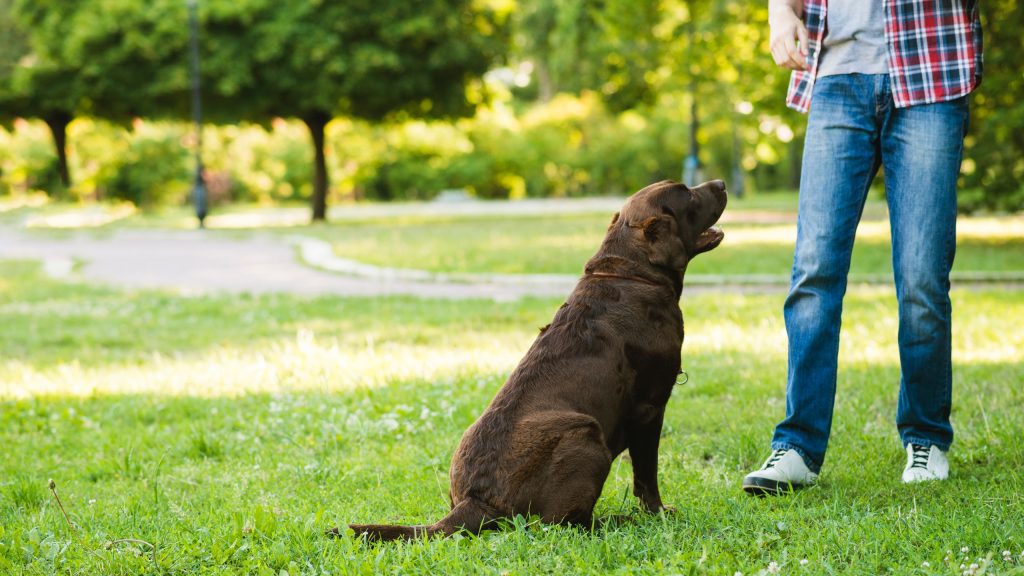
Timing is crucial in positive reinforcement training. The reward must follow immediately after the desired behavior to help your dog make the connection between the action and its outcome. For instance, if your dog successfully performs a command like “come,” offering a treat or praise within seconds reinforces that they did something right. The quicker the positive feedback, the more likely your dog will associate the good behavior with the reward in the future.
Types of Rewards
Understanding the types of rewards you can utilize is essential. Dogs respond differently to various forms of reinforcement, so it’s important to experiment and discover what your adult dog values the most. Here are some effective reward categories:
- Treats: High-value treats, such as small pieces of chicken or cheese, can be irresistible for many dogs. Choosing tasty morsels that your dog doesn’t receive at other times can elevate their enthusiasm during training sessions.
- Praise: Verbal affirmations can be just as powerful. Enthusiastic phrases like “Good job!” or “You’re amazing!” combined with an excited tone can motivate your dog to engage and perform better.
- Playtime: For some dogs, playing with a favorite toy or engaging in a game of tug-of-war can be more rewarding than food. Consider incorporating their preferred play activities as a reward for compliance during training.
- Affection: Many dogs thrive on love and attention. A belly rub or a few minutes of cuddling can send a clear message that they have done well.
Remember, the effectiveness of a reward often depends on the dog’s personality and motivational triggers. A good practice is to rotate the types of rewards you use in each session to keep things fresh and exciting for your pet. This variety also helps maintain their interest throughout the learning process.
Building a Training Routine
Integrating positive reinforcement techniques into a structured training routine is key to achieving desirable results. Consistent training sessions—short yet frequent—help reinforce learning and consolidate skills. Aim for five to ten minutes of focused activity, several times a day, rather than one lengthy session that may lead to fatigue.
By weaving these techniques into your daily interactions with your adult dog, you will not only foster good behavior but also cultivate a loving and rewarding relationship. Remember, the ultimate goal of positive reinforcement is not just obedience, but a deeper connection that leads to a fulfilling companionship.
Understanding Positive Reinforcement in Dog Training
Positive reinforcement techniques involve rewarding desired behaviors to encourage their recurrence. This approach capitalizes on the dog’s natural instincts to seek out pleasurable experiences, making training not only effective but also enjoyable. Implementing positive reinforcement can lead to stronger bonds between the owner and the dog, fostering trust and cooperation.
The Value of Consistency
Consistency is key when applying positive reinforcement. Whether using treats, verbal praise, or playtime as rewards, it’s essential to maintain a regular training schedule and ensure that rewards are given immediately after the desired behavior. This allows the dog to make the connection between their action and the positive reinforcement, making it easier for them to learn and adapt.
Adapting Training Techniques
Each dog is unique, which means training methods may require personalization. While some dogs may respond effectively to treats, others might be more motivated by toys or attention. Understanding your dog’s preferences can significantly enhance the training experience. Additionally, ensuring that the training environment is free from distractions can lead to better focus and quicker learning.
| Advantage | Explanation |
|---|---|
| Enhanced Learning | Dogs learn faster when behaviors are rewarded, making training sessions shorter and more effective. |
| Stronger Bond | Establishes trust between the dog and owner, leading to improved cooperation and communication. |
Addressing Behavioral Issues
Positive reinforcement not only aids in teaching new commands but also helps in addressing problematic behaviors such as barking or aggression. By rewarding desired behaviors and redirecting unwanted ones, owners can reshape their dog’s actions over time. This method promotes a positive learning environment where dogs feel secure and motivated to participate.Utilizing positive reinforcement techniques fosters an encouraging atmosphere for adult dogs. As you embark on this training journey, remember that patience and understanding are essential components in achieving lasting behavioral changes. The path may not always be straightforward, but the rewards of a well-trained and happy dog are certainly worth the effort.
DISCOVER MORE: Click here for essential tips on pet nutrition
Enhancing Training with Advanced Techniques
As you become comfortable with basic positive reinforcement techniques, it can be beneficial to explore advanced strategies that can further enrich your adult dog’s training experience. These methods can create a more engaging atmosphere for both the trainer and the dog, encouraging deeper understanding and stronger bonds.
Clicker Training
Clicker training is a trending method that appeals to both novice and experienced dog owners. Utilizing a small handheld device that makes a distinct sound, you can pinpoint the exact moment your dog performs a desired behavior. When paired with a treat or praise immediately following the click, this method reinforces the association between the behavior and the reward.
For instance, if you’re teaching your dog to sit, click the device the moment their bottom touches the ground, and then follow up with a treat. This precise timing enhances your dog’s ability to understand what action is being rewarded, accelerating their learning process. Over time, the clicker becomes a reliable signal that indicates success, making it an effective tool in your training toolkit.
Sandy Traditional Techniques with Modern Approaches
While many modern techniques offer a variety of options, don’t underestimate the power of traditional training methods. Techniques such as shaping and luring can also be instrumental in developing complex behaviors in dogs. Shaping involves reinforcing successive approximations toward a desired behavior. For example, if you want your dog to roll over, you would reward them for lying down first, then rolling onto their side, and finally for completing the roll. This method encourages your dog’s initiative and engages them actively in the learning process.
Luring, on the other hand, typically uses treats to guide your dog into position. For example, to teach the “down” command, you can guide your dog from a sitting position to lying down by moving the treat downwards and towards them. Once your dog follows your lead and lies down, reward them immediately. This technique can be particularly effective if your dog is food-motivated and enjoys the challenge of following a direction.
Social Reinforcement
Another fascinating aspect of positive reinforcement is the use of social reinforcement. Many adult dogs thrive on social interactions, so integrating moments of play, training with other dogs, or participating in social learning can dramatically enhance their training results. For dogs, socialization serves as a natural reward. Engaging in group training classes or dog sports like agility or obedience training can provide opportunities for such interactions.
Additionally, leveraging the companionship of another dog during training can motivate your dog even further. The presence of a well-trained dog can inspire yours to replicate good behavior through observation, a concept known as “modeling.” This method can be especially appealing for inherently social breeds that enjoy the company of others.
Avoiding Overuse of Rewards
It’s important to create a balanced approach when using positive reinforcement. While it might be tempting to shower your dog with treats, over-reliance on food rewards can lead to issues such as weight gain or diminished enthusiasm. Instead, implement a phased reward process. Start with more frequent rewards but gradually reduce them, introducing intermittent reinforcement as your dog masters behaviors. This technique keeps the excitement alive while also teaching your dog that good behavior is worthwhile, even without constant treats.
In conclusion, merging traditional methods with innovative techniques can create a dynamic training experience for your adult dog. By understanding and applying these diverse strategies, you will not only enhance your dog’s learning but also deepen the enriching bond you share.
DIVE DEEPER: Click here to learn about the importance of dog socialization
Conclusion
In the realm of dog training, employing positive reinforcement techniques emerges as a powerful and effective approach, especially for adult dogs. These methods not only encourage desired behaviors but also foster a strong, trusting relationship between the dog and its owner. By embracing techniques such as clicker training, shaping, and luring, you can create a training regimen that is both engaging and beneficial for your dog’s development.
Additionally, integrating social reinforcement can elevate the training experience, allowing your dog to thrive through positive interactions with both humans and other dogs. This multifaceted approach not only contributes to successful learning but also incorporates aspects of fun and play, essential elements in keeping your dog motivated. However, it’s crucial to strike a balance and avoid an overreliance on any single type of reward, ensuring a well-rounded method that sustains your dog’s enthusiasm over time.
As you continue on your training journey, remain open to experimenting with different strategies and adapting your methods to fit your dog’s unique personality. Each dog is a unique learner; what resonates with one may not with another. This exploration will deepen your understanding and enhance the bond you share with your adult dog. By investing time and patience in positive reinforcement, you not only equip your dog with essential commands but also nurture a joyful, fulfilling companionship that lasts a lifetime. So, embark on this rewarding adventure and witness how effective and enjoyable dog training can truly be.