Pet Health Vaccination Prevention for Your Pets Protection
Taking care of your pets encompasses more than just feeding and grooming; it requires a proactive approach to their health. One of the most essential aspects of pet care is vaccination and prevention, which play a critical role in safeguarding your animal’s well-being. Understanding the importance of these measures can help pet owners make informed decisions to keep their furry companions healthy.
With numerous vaccines available and various preventive strategies to consider, it’s vital to recognize the benefits they provide:
- Prevention of diseases: Vaccinations can reduce the risk of serious illnesses.
- Community health: Immunizing your pets helps protect other animals and humans.
- Cost-effectiveness: Preventing diseases is often cheaper than treating them.
This article delves into the top considerations for ensuring your pet’s health, concluding with a ranking of the top 5 vaccines and preventive measures essential for your beloved animals. Prepare to uncover vital information that could dramatically enhance your pet’s quality of life.
Top 5: Vaccination and Prevention – Protecting Your Pet’s Health
Ensuring the health and well-being of our beloved pets is a top priority for any responsible pet owner. Vaccination and prevention are critical elements in shielding our furry companions from various diseases and ailments. This comprehensive approach not only ensures your pet’s longevity but also maintains a harmonious household and community environment. In this article, we will explore the top five aspects of vaccination and prevention that every pet owner should know to keep their pets safe and healthy.
5. Recognizing the Importance of Routine Veterinary Visits
Routine veterinary visits are essential for the overall health of your pet. Regular check-ups allow your veterinarian to monitor your pet’s health, provide necessary vaccinations, and catch any potential issues early on. During these visits, your vet will typically perform a thorough examination, recommend appropriate tests, and schedule vaccinations as needed. But why are these visits so crucial?
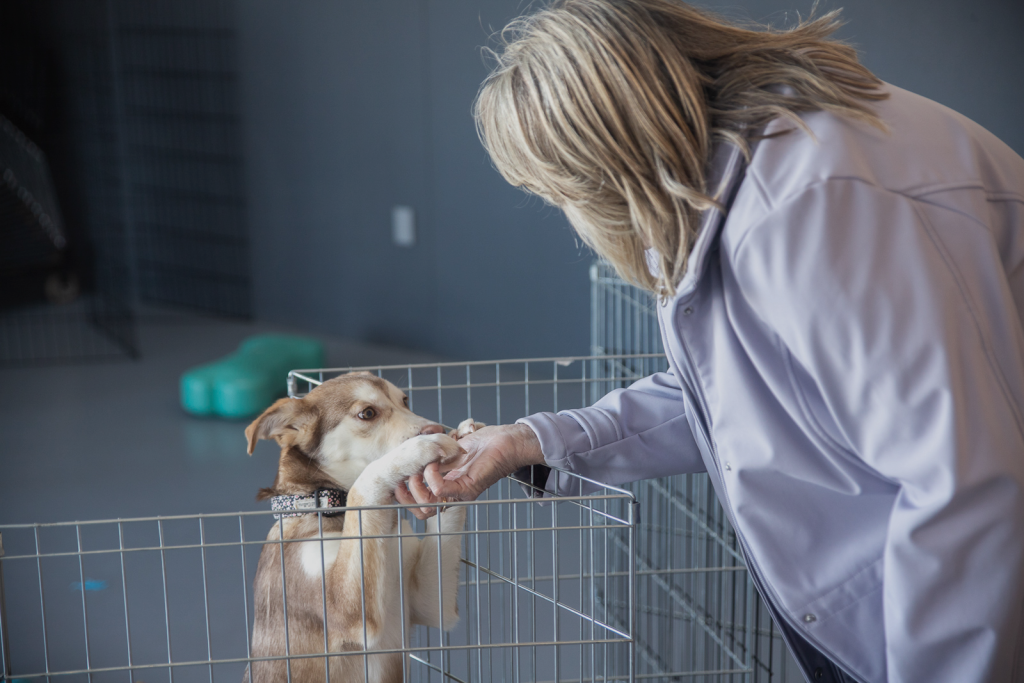
Many pet owners may underestimate the importance of these visits because they often rely on observation alone to gauge their pet’s health. However, some diseases can be asymptomatic in their early stages, meaning they don’t show obvious signs until they become more serious. By ensuring your pet has annual or bi-annual visits, you will have a better chance of preventing or catching any health issues before they become serious.
Moreover, these routine visits also help in addressing behavioral issues, developing nutritional plans, and providing valuable advice on maintaining a pet-friendly home. For example, early detection of dental issues can prevent more severe dental diseases, and discussions about diet can help avert obesity, a common problem in today’s pet population.
4. Understanding Core Vaccines versus Non-Core Vaccines
When it comes to vaccinations, understanding the differences between core and non-core vaccines is vital. Core vaccines are those that are considered essential for all pets, regardless of their lifestyle or living situation. For dogs, this includes vaccines against diseases such as rabies, distemper, and parvovirus. The rabies vaccine, for instance, is legally required in many places due to the severity and potential for rabies to be transmitted to humans.
Conversely, non-core vaccines are recommended based on the pet’s unique lifestyle, geographic location, and potential exposure to certain diseases. Pets that frequently explore wooded areas might benefit from the Lyme disease vaccine, a precaution against tick-borne diseases prevalent in certain regions. Similarly, pets that travel regularly may need additional vaccinations, such as the Bordetella vaccine to prevent kennel cough. Consulting with your veterinarian is essential to tailor a vaccination program that fits your pet’s specific needs.
3. The Role of Flea and Tick Prevention
Fleas and ticks pose significant health risks to pets, potentially leading to serious conditions such as Lyme disease, anemia, or tapeworm infection. Therefore, prevention through the use of comprehensive flea and tick control products is crucial. These products come in various forms, including topical treatments, oral medications, and collars, ensuring that there is an option suitable for every pet’s unique needs.
Beyond the use of products, implementing preventive measures in your home and yard can create a more secure environment for your pets. Regular grooming helps you detect fleas early and is a simple method to keep pests at bay. Cleaning your pet’s bedding frequently and keeping your yard tidy can help reduce the likelihood of fleas and ticks thriving in these environments.
Important preventive measures include:
- Regular veterinary check-ups for flea and tick screenings
- Consistent use of preventive treatments, especially during peak seasons
- Maintaining a tidy yard and grooming habits to minimize risk
These actions not only protect your pets but also reduce the risk of infestation in your home.
2. The Significance of Socialization and Training
A crucial yet often overlooked aspect of prevention is appropriate socialization and training. Socializing your pet can make them more resilient to stress and aggression, reducing the likelihood of behavioral issues that can lead to accidents or injuries. Trained pets are generally easier to manage, leading to a safer environment for both the pet and their family.
Investing time in training classes or engaging with professional trainers provides your pet with valuable skills and helps improve their adaptability to different situations. For example, a well-socialized dog is less likely to react aggressively to strangers or other animals, reducing the risk of altercations that could result in injury or legal issues.
Moreover, proper socialization from a young age can help minimize the risks of certain zoonotic diseases that can be transmitted between animals and humans. Well-managed pets reduce the risk of bite incidents and resultant medical procedures such as post-exposure rabies treatments.
1. The Essential Role of Vaccinations in Disease Prevention
Arguably the most critical aspect of protecting your pet’s health is ensuring they receive their vaccinations on schedule. Vaccination is a proactive approach that shields pets from various diseases that can lead to serious health issues or, in some cases, be fatal. By vaccinating your pet, you not only protect them, but you also contribute to community health by preventing the spread of contagious diseases.
Staying informed about the vaccination schedule recommended by your veterinarian is crucial, especially for puppies and kittens, who require a series of vaccines to establish immunity. Additionally, keeping up with booster shots helps maintain your pet’s protection over time. The rabies vaccine, for example, typically requires boosters to sustain immunity over the years.
Understanding how each vaccine works and the diseases they guard against is equally important. Educating yourself on the necessity of each vaccination for your pet’s specific lifestyle and health status allows for informed decisions that directly benefit your pet’s health.
In summary: Vaccination and prevention are vital components of responsible pet ownership. They ensure your pet lives a long, healthy, and happy life. By prioritizing routine check-ups, understanding vaccination plans, engaging in socialization, implementing flea and tick prevention, and appreciating the subtle nuances between core and non-core vaccines, pet owners can forge a robust shield around their beloved animals.
| Category | Benefits and Key Features |
|---|---|
| Regular Vaccinations | Ensures protection against fatal diseases such as rabies, distemper, and parvovirus, leading to longer lifespans and improved quality of life for pets. |
| Preventive Healthcare | Involves routine check-ups and screenings which can lead to the early detection of health issues, minimizing treatment costs and enhancing overall health. |
| Community Health Impact | Higher vaccination rates contribute to herd immunity, reducing the risk of outbreaks in both pets and humans, protecting public health. |
| Education for Pet Owners | Promotes awareness about preventive measures, encouraging responsible pet ownership and reducing the incidence of preventable diseases. |
Amidst the landscape of pet ownership, understanding the importance of vaccination and prevention has never been more crucial. Regular veterinary visits allow for vaccinations that shield pets from a range of potentially deadly diseases. Each vaccine not only safeguards the individual animal but also contributes to the health of the larger community by reducing the potential for disease transmission.In tandem with vaccinations, preventive healthcare practices are vital. This includes regular screenings and check-ups, which help veterinary professionals to spot any health issues at the earliest possible stage. Early diagnosis is often integral to successful treatment, making routine health checks necessary for maintaining the well-being of companion animals.Moreover, there is a far-reaching impact of pet vaccination on community health. With a significant percentage of vaccinated pets, herd immunity can be achieved, thereby protecting even those animals that are not vaccinated due to medical reasons. This collective effort is pivotal in minimizing disease outbreaks, showcasing how individual pet health contributes to public health.Lastly, the role of education in this sphere cannot be overstated. As pet owners become more informed about the advantages of vaccinations and preventive practices, they are likely to be more proactive in ensuring their pets receive the necessary care. Through knowledge and awareness, pet owners can greatly influence not just the health of their animals, but also create a protective environment for all pets within their community. This ripple effect underscores the essential need for dedicated outreach and education on pet health and preventive measures.
Frequently Asked Questions: Vaccination and Prevention for Your Pet’s Health
What are the essential vaccines my pet needs?
Ensuring your pet receives the right vaccinations is essential to prevent serious diseases. For dogs, core vaccines such as those against canine parvovirus, distemper, and rabies are often recommended. Cats, on the other hand, typically require vaccines for feline leukemia and feline viral rhinotracheitis. Consult your veterinarian to determine the specific vaccines your pet requires based on their age, health, and lifestyle.
How do vaccines help in preventing diseases?
Vaccines work by stimulating your pet’s immune system to recognize and combat pathogens, such as bacteria or viruses. They create a “memory” in the pet’s immune system, allowing it to react more effectively to future infections. A well-vaccinated pet is less likely to suffer from high-risk diseases, which not only keeps your pet healthy but also helps protect other animals in the community.
Are there any side effects to pet vaccinations?
Most pets experience minimal to no side effects from vaccines. However, some may exhibit mild reactions, such as a slight fever, lethargy, or swelling at the injection site. In rare cases, pets may experience an allergic reaction. It is crucial to monitor your pet after vaccination and contact your veterinarian if you notice any adverse reactions or if the symptoms persist.
How often should my pet receive vaccinations?
The frequency of vaccinations can vary based on factors such as your pet’s age, health status, and type of vaccine administered. Puppies and kittens often require a series of vaccinations to establish immunity, while adult pets might need booster shots annually or every three years. Regular veterinary check-ups will help determine the best vaccination schedule for your pet.
Can indoor pets skip some vaccines?
While indoor pets may have a lower risk of exposure to certain diseases, it’s crucial to vaccinate them against core diseases like rabies, which is not only a threat to your pet but also a public health concern. Even indoor pets can accidentally escape or encounter infected animals, so maintaining an appropriate vaccination schedule is a protective measure worth considering.
Conclusion: Safeguarding Your Pet’s Health
In the realm of pet care, the significance of vaccination and preventive measures cannot be overstated. Throughout our exploration of this topic, several key points have emerged as crucial to the well-being of our animal companions. By ensuring your pet is vaccinated, you are not only defending them against life-threatening diseases but also contributing to the broader public health by limiting the spread of zoonotic diseases.
The article highlights the primary vaccines and preventive treatments that every pet owner should consider. These include topics similar to core and non-core vaccines tailored for specific needs, aligning with your pet’s lifestyle, age, and environment. The importance of regular veterinary check-ups serves as a cornerstone of prevention, allowing for early detection and management of potential health issues.
Furthermore, understanding the timing and frequency of vaccinations is essential to maintaining your pet’s immunity. A well-structured vaccination schedule ensures robust protection, helping your pet lead a healthier and longer life. It’s crucial to remember that prevention extends beyond just vaccinations; addressing aspects like proper nutrition, regular exercise, and parasite control are equally vital components.
Ultimately, taking proactive steps in vaccination and prevention aids in fostering a nurturing environment where your pets can thrive. Pet owners are encouraged to consult with their veterinarians for personalized advice and to remain informed about advancements in veterinary medicine. By doing so, you embrace a role that not only enhances the quality of life for your pets but also enriches the human-animal bond.
Prioritizing your pet’s health through vaccination and prevention is an investment in their future, ensuring countless moments of joy and companionship.