Nutrition Tips for Stress Relief: How a Balanced Diet and Hydration Contribute to Mental Wellness

The Importance of Nutrition in Managing Stress
In an age dominated by relentless pace and pressure, stress often feels like a constant presence in our lives. People scramble for effective methods to alleviate this burden, yet one of the most powerful allies in combating stress might be lurking in our kitchens. Nutrition, a cornerstone of good health, is a critical but often underestimated factor in enhancing mental well-being and managing stress levels.
A balanced diet rich in nutrients and proper hydration serves as a natural remedy for the stressors we face daily. The foods we choose have a profound impact on our mood, energy levels, and even our cognitive function. By making conscious dietary choices, we can bolster our mental resilience. Consider the following ways nutrition plays a vital role in alleviating stress:
- Nutrient-Rich Foods: Eating a variety of fruits and vegetables provides essential vitamins and minerals. For instance, leafy greens, bananas, and oranges are not just good for the body but also beneficial for the brain. Rich in antioxidants, these foods help combat oxidative stress and enhance brain function, thereby improving our overall emotional stability.
- Healthy Fats: Foods high in Omega-3 fatty acids, such as salmon, walnuts, and flaxseeds, play a crucial role in brain health by reducing inflammation and anxiety levels. Research has indicated that Omega-3 fats can contribute to lowering production of stress hormones like cortisol, effectively managing the body’s response to stress.
- Hydration: Oftentimes overlooked, hydration aids cognitive function and maintains energy levels. When we are dehydrated, our mood can be adversely affected. Drinking ample water throughout the day not only supports physical health but also helps ensure that our brain remains sharp and resilient against stress.
It’s intriguing to note that recent studies have identified a clear link between specific vitamins and minerals and their roles in mood regulation. For example, deficiencies in B vitamins, particularly B6, B12, and folate, have been associated with increased levels of anxiety and depression. Similarly, magnesium, found in foods such as spinach and dark chocolate, has been recognized for its ability to promote relaxation and mitigate stress responses.
As you explore the connection between diet and stress relief, consider how small changes in your eating habits could lead to significant improvements in your overall mental wellness. Integrating nutrient-dense foods into your daily meals provides a powerful avenue for managing stress effectively. Strive for balance in your diet, and as you do, you may find yourself equipped with a more robust toolkit for navigating life’s challenges.
Ultimately, empowering yourself with knowledge about nutrition can lead you toward a more balanced and fulfilling lifestyle. The journey to mental wellness begins on your plate, and by prioritizing your nutritional choices, you pave the way for a calmer mind and a happier life.
Optimizing Your Diet for Stress Reduction
Navigating the modern world can often feel overwhelming, but understanding the connection between our diet and mental health provides a beacon of hope. A nutritional approach to stress relief isn’t just about avoiding junk food; it’s about embracing a well-rounded selection of wholesome ingredients that nourish both the body and the mind.
To effectively mitigate stress, consider incorporating the following essential food groups into your weekly meals:
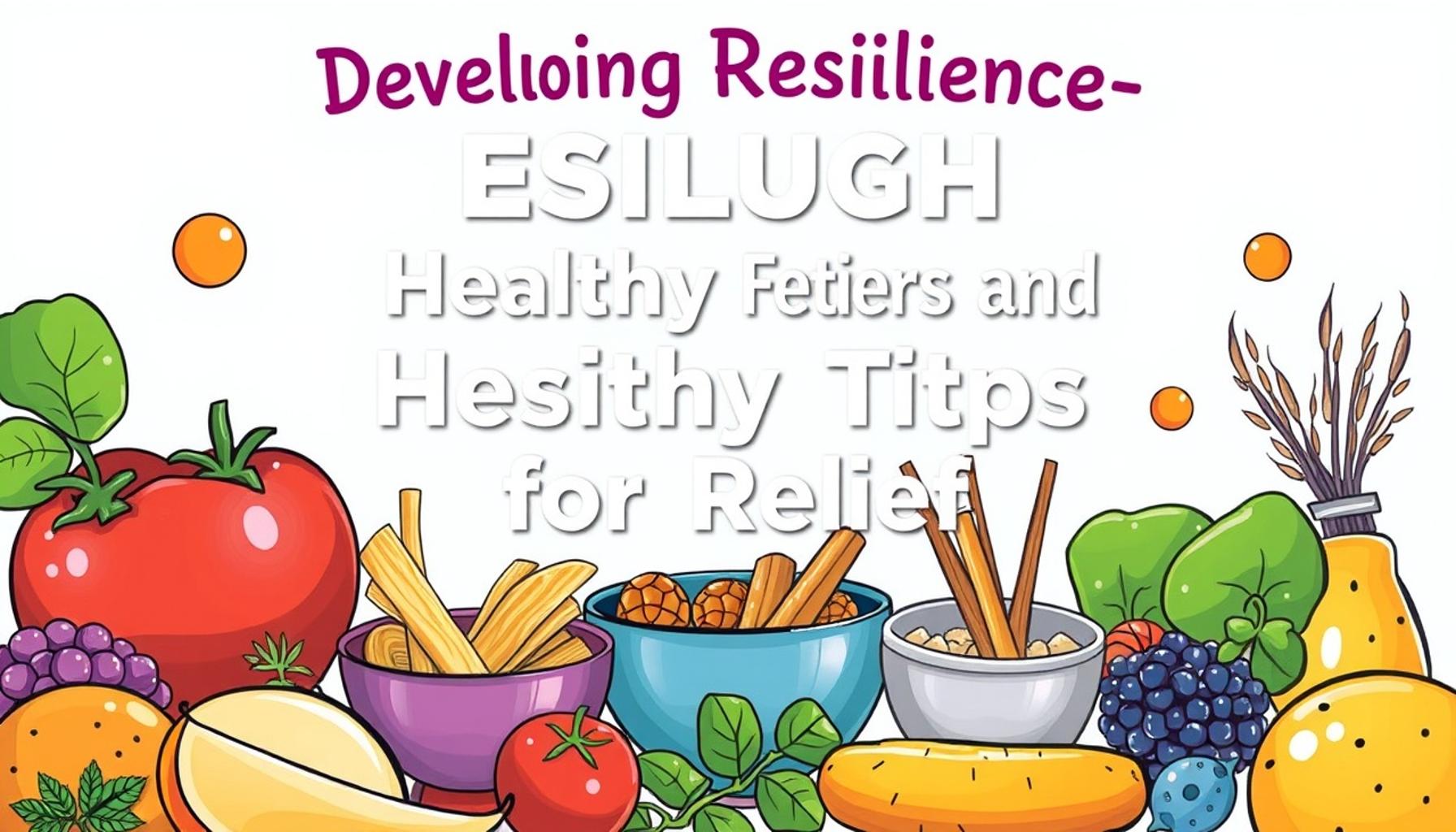
- Berries: Packed with antioxidants, berries like blueberries and strawberries can combat oxidative stress and inflammation. Studies suggest that including these vibrant fruits in your diet can elevate mood and cognitive function. Whether added to smoothies, yogurt, or eaten on their own, berries are a delightful way to improve mental resilience.
- Whole Grains: Foods such as quinoa, brown rice, and oats serve as vital sources of fiber and help maintain stable blood sugar levels. These whole grains release glucose slowly into the bloodstream, providing your brain with consistent energy and reducing mood swings. Plus, they can contribute to the production of serotonin, often referred to as the “feel-good” hormone.
- Lean Proteins: Incorporating lean proteins, such as chicken, turkey, beans, and legumes, into your diet can support neurotransmitter function. These proteins contain amino acids that play a crucial role in creating neurotransmitters like dopamine and serotonin, which help regulate mood and alleviate symptoms of anxiety.
Moreover, research indicates that certain minerals, particularly zinc and iron, are vital for mental health. For instance, zinc—found in nuts, seeds, and whole grains—plays a role in brain development and function, while iron is essential for energy production and overall wellbeing. A deficiency in either of these minerals can exacerbate feelings of fatigue and irritability, making stress more challenging to manage.
Equally important is the concept of timing when it comes to meals. Regularly spaced meals throughout the day can help maintain energy levels and mitigate irritability. Skipping meals can lead to fluctuations in blood sugar, which can trigger symptoms of anxiety. Aim for a balanced meal every four to six hours, keeping in mind a combination of protein, healthy fats, and complex carbohydrates to support mental clarity and emotional stability.
Finally, don’t underestimate the role of hydration in stress relief. Research suggests that even mild dehydration can negatively affect mood and cognitive performance. Aim to drink at least eight 8-ounce glasses of water per day, adjusting for activity levels and climate conditions. Including hydrating foods such as cucumbers, oranges, and watermelons can also bolster hydration efforts while providing essential nutrients.
By rethinking your daily meals and hydration habits, you can carve a path towards enhanced mental wellness. Each nutrient-dense bite allows you to take charge of your stress response and foster a healthier relationship with food. As you explore these nutrition tips for stress relief, take note of how your body and mind respond to these changes, and witness the transformative power that a balanced diet can have on your overall wellbeing.
| Category | Description |
|---|---|
| Complex Carbohydrates | These carbohydrates help increase serotonin levels, which can help improve mood and promote relaxation. |
| Hydration | Proper hydration is crucial; dehydration can lead to irritability and anxiety, which affects overall mental wellness. |
| Omega-3 Fatty Acids | These healthy fats are linked to improved brain function and less anxiety. They’re found in fish, nuts, and seeds. |
| Magnesium-Rich Foods | Magnesium can help reduce stress by regulating neurotransmitters that send signals throughout the nervous system. |
Including these key components in your diet fosters better mental health and a more balanced lifestyle. Emphasizing stress-relieving foods can play a pivotal role in achieving emotional stability and clarity. To delve deeper, consider researching how each nutrient interacts with your brain’s chemistry and influences your overall wellness.
Powerful Nutrients for Stress Management
To further empower your nutrition plan for stress relief, it’s essential to delve into specific nutrients that have been shown to positively influence mood and mental health. Identifying and incorporating these nutrients can be a powerful way to manage stress levels and enhance your overall wellness.
- Omega-3 Fatty Acids: These essential fats, found in fatty fish such as salmon, mackerel, and sardines, have been linked to reduced depression and anxiety symptoms. Omega-3s are known to play a crucial role in brain health by promoting the release of serotonin and dopamine. For those who may not consume fish regularly, plant-based options like chia seeds, flaxseeds, and walnuts are excellent sources of omega-3s.
- Magnesium: Often referred to as the “relaxation mineral,” magnesium is involved in over 300 biochemical reactions in the body, including the regulation of stress response. Foods high in magnesium, such as spinach, almonds, and avocados, can help stabilize mood and enhance relaxation. A deficiency in magnesium is commonly associated with heightened stress levels, so ensuring adequate intake is vital for maintaining emotional balance.
- B Vitamins: B vitamins, particularly B6, B12, and folate, are essential for cognitive function and emotional regulation. These vitamins help reduce symptoms of anxiety and contribute to the production of neurotransmitters linked to mood improvement. Incorporate sources such as leafy greens, eggs, and fortified cereals to boost your intake of these vital nutrients, as their role in stress management should not be overlooked.
Beyond individual nutrients, indulging in a variety of colorful fruits and vegetables is a cornerstone of a balanced diet. These plant foods harbor phytochemicals and antioxidants that not only fortify your immune system but also combat stress-induced inflammation. Eating a rainbow of produce such as leafy greens, carrots, bell peppers, and citrus fruits can provide a potent defense against stress-related challenges.
The Importance of Consistent Eating Patterns
Establishing a routine around meals can be incredibly beneficial for stress reduction. Research indicates that individuals who regularly consume meals at set times tend to have better mental health outcomes. This strategy helps manage cortisol, the stress hormone, and ensures you stay fueled with energy, minimizing the risk of emotional eating triggered by anxiety or stress. Create a meal schedule that accommodates three balanced meals per day, supplemented by healthy snacks.
Quick and easy snacks such as nuts, yogurt, or hummus with veggies can provide sustained energy and keep your mood balanced. Transitioning from sugary snacks, which often lead to energy crashes and irritability, to more nutrient-dense options can significantly improve your overall resilience against stress.
Mindful Eating: A Connection to Emotional Health
Lastly, consider practicing mindful eating as a means to enhance your relationship with food. Focus on the flavors, textures, and enjoyment of each bite, creating a calming and mindful eating experience. This practice not only fosters awareness of what you are consuming but also helps you tune into your body’s hunger and satiety cues, eliminating the risk of emotional eating triggered by stress.
Combining these nutrition tips and recommendations can form a comprehensive approach to combating stress through your diet. By harnessing the power of nutrients, establishing consistent eating patterns, and embracing mindful eating habits, you can cultivate a stronger foundation for mental wellness that will serve you well in times of stress.
Concluding Thoughts on Nutrition and Stress Relief
In today’s fast-paced world, the importance of nutrition in promoting mental wellness cannot be overstated. The intricate relationship between balanced diets and stress relief serves as a vital cornerstone for maintaining emotional equilibrium. By prioritizing essential nutrients such as omega-3 fatty acids, magnesium, and B vitamins, individuals can enhance their mental resilience, combat anxiety, and support overall brain health. The array of colorful fruits and vegetables adds further layers of protection against stress, delivering powerful antioxidants that mitigate inflammation and foster vibrant well-being.
Moreover, establishing consistent eating patterns can significantly shape one’s emotional state. By creating a regular meal schedule, you not only provide your body with necessary fuel but also help regulate cortisol levels—thereby reducing susceptibility to stress. Implementing quick, nutrient-dense snacks in your daily routine further mitigates the risk of emotional eating and keeps your energy steady.
Ultimately, as you embark on your journey towards stress management through nutrition, factor in the art of mindful eating. Cultivating awareness during meals fosters a positive relationship with food, allowing you to address emotional cues effectively. By weaving together these strategies of nutrition, hydration, and mindfulness, you can craft an effective blueprint for achieving mental wellness amidst life’s inevitable stresses. It’s not just about what you eat—it’s about nourishing your mind and body holistically for a more balanced, thriving life.