
Mindfulness and Meditation Techniques for Stress Management: Cultivating Emotional Well-Being in a Busy World
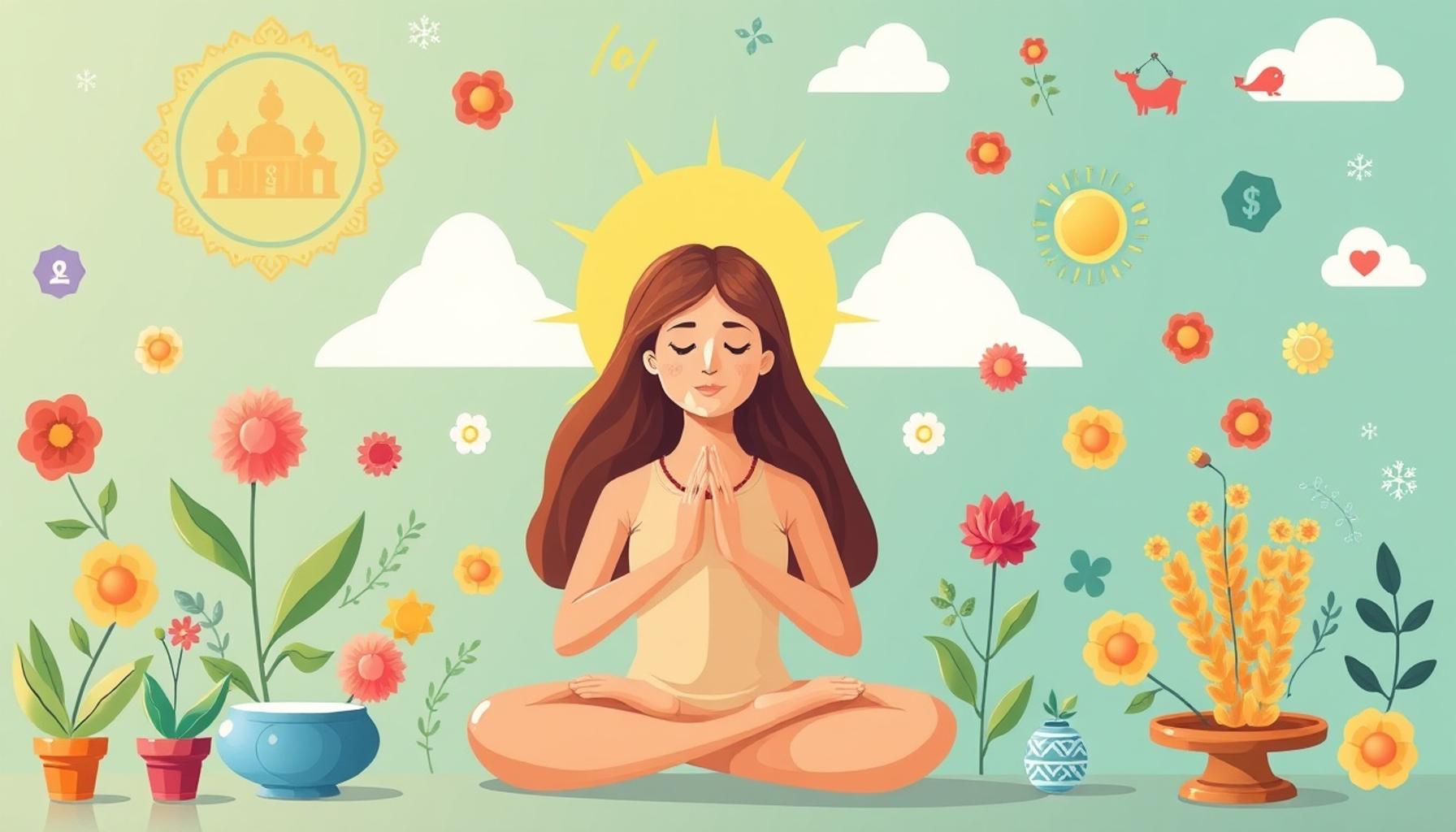
Finding Tranquility Amidst Turmoil
In the whirlwind of modern life, stress has become a common thread woven into the fabric of daily experiences. With work deadlines looming, family obligations demanding attention, and the incessant ping of notifications from digital devices, many people struggle to find even a moment of peace. Yet, amidst this chaos, mindfulness and meditation techniques stand out as transformative practices that can foster a sense of calm and balance.
Research increasingly supports the profound impact mindfulness can have on mental health. Studies indicate that regular mindfulness practice leads to significant reductions in symptoms of anxiety and depression. A meta-analysis conducted by researchers at Harvard University found that mindfulness-based interventions resulted in a 40% reduction in anxiety levels among participants. Furthermore, mindfulness has been shown to improve focus and concentration, which can be incredibly beneficial in a world filled with distractions. Those who practice mindfulness regularly often report improved self-awareness, allowing them better to understand and regulate their emotions, leading to more thoughtful responses instead of knee-jerk reactions.
Importantly, mindfulness is not confined to the traditional image of meditating in silence. It encompasses a variety of adaptable techniques that can easily fit into an individual’s lifestyle, making it accessible to everyone. Consider the following methods:
- Mindful breathing – By concentrating on the inhale and exhale, individuals can ground themselves in the now, providing a welcoming respite from racing thoughts. This practice can be as simple as taking five minutes to focus on breathing during a lunch break or waiting in traffic.
- Body scans – In this technique, practitioners intentionally direct their focus to various areas of the body, becoming aware of any tension or discomfort. This practice encourages relaxation and helps individuals connect with their physical sensations, reinforcing their mind-body connection.
- Guided imagery – This technique involves visualizing peaceful landscapes or serene scenarios. For instance, imagining lying on a warm beach can transport the mind away from stressors, providing a mental vacation even if only for a few minutes.
Incorporating these mindfulness strategies into daily routines can lead to a significant shift in perspective, allowing individuals to cultivate a sense of calm even amidst the chaos of life. By making a conscious effort to practice mindfulness, one can harness an enduring sense of emotional balance that permeates their personal and professional life.
Ultimately, embracing mindfulness and meditation is not merely about reducing stress; it is about enriching life overall. The journey towards a more tranquil existence encourages exploration and a new outlook on the challenges faced daily. As you delve into these practices, you may discover that the key to unlocking peace lies within—waiting to be tapped into at any moment.
Practical Mindfulness Techniques for Everyday Life
To navigate the hustle and bustle of life effectively, incorporating mindfulness techniques into one’s routine can be a game changer. Mindfulness isn’t merely a practice reserved for quiet retreats; it’s a versatile tool that can be seamlessly integrated into daily activities, nurturing emotional well-being amidst stressors. Below are several techniques that individuals can easily adopt to cultivate a more mindful approach to life:
- Mindful Eating – Instead of rushing through meals, take a moment to savor each bite. Focus on the textures, flavors, and aromas of the food. This practice can elevate your enjoyment of meals while promoting healthier eating habits and reducing the tendency to overeat.
- Walking Meditation – Transform a simple walk into a mindfulness exercise. Pay close attention to each step, the sensation of your feet touching the ground, and the rhythm of your breath. This technique not only helps clear the mind but also provides a refreshing context for physical activity, especially for those in busy urban environments.
- Five Senses Exercise – This simple exercise encourages individuals to observe their surroundings through each of their five senses. Take a moment to notice five things you can see, four you can feel, three you can hear, two you can smell, and one you can taste. This practice redirects focus away from worries and cultivates presence in the moment.
The beauty of these techniques lies in their accessibility. They do not require special equipment or extensive time commitments, making it possible for anyone to embrace mindfulness—even those with tight schedules. Through consistent practice, the positive impacts on mental health can be profound. A study published in the journal Health Psychology revealed that participants who practiced mindfulness regularly reported increased life satisfaction and emotional stability.
Moreover, mindfulness fosters resilience, aiding individuals in developing a robust response to stress. It enhances emotional regulation, enabling one to approach challenges with a clearer mindset. By responding thoughtfully rather than reactively, practitioners can navigate conflicts—whether they occur in the workplace or at home—with greater ease.
As stress continues to grip many aspects of life, the quest for mental peace can feel overwhelming. However, the integration of mindfulness techniques presents a promising avenue for managing pressures while enhancing overall well-being. By allocating just a few minutes throughout the day to practice these skills, individuals can empower themselves to reclaim their emotional space and cultivate a life steeped in tranquility, even amidst the chaos.
| Advantages | Description |
|---|---|
| Stress Reduction | Mindfulness and meditation are proven to significantly lower stress levels, fostering a serene state of mind. Engaging in regular practice can help you manage daily pressures effectively. |
| Enhanced Emotional Resilience | These techniques promote emotional regulation, helping individuals to face challenges with a stable mindset. This resilience is crucial in today’s fast-paced environment. |
| Improved Focus and Clarity | Practicing mindfulness enhances cognitive functions by improving concentration. This leads to better decision-making skills, essential for personal and professional success. |
| Physical Well-Being | Regular meditation can lower blood pressure, improve sleep quality, and reduce symptoms of various stress-related disorders, contributing to overall health. |
Incorporating mindfulness and meditation into daily routines not only cultivates emotional well-being but also acts as a powerful tool for stress management in our busy lives. Each advantage provides a stepping stone to achieving holistic health, showcasing the multifaceted benefits these techniques can impart. Exploring further into these techniques may provide even more insight into their transformative power. Effective practices can be personalized, thereby addressing individual needs and lifestyles for maximum impact. Embracing mindfulness can indeed transform the way we navigate a hectic world.
Transformative Meditation Practices for Stress Relief
In tandem with mindfulness techniques, meditation practices stand as powerful allies in managing stress and enhancing emotional well-being. While mindfulness often emphasizes being present within the flow of daily life, meditation creates a dedicated space for individuals to cultivate inner tranquility and self-awareness. Below are several effective meditation practices that can accommodate the hectic lifestyles prevalent among many in the United States:
- Guided Meditation – This technique involves listening to an instructor or a recorded session that leads you through relaxation and visualization exercises. Platforms like Headspace and Calm provide accessible guided meditations catering to various themes, from stress reduction to sleep enhancement, making mindfulness accessible to all. Their convenience allows even those with the busiest schedules to carve out moments of peace, often just requiring 10 to 20 minutes a day.
- Loving-Kindness Meditation (Metta) – Originating from Buddhist traditions, this practice promotes feelings of compassion and goodwill towards oneself and others. During this meditation, practitioners repeat phrases such as “May I be happy, may I be healthy,” expanding these wishes to loved ones and even to those with whom they have difficulty. Research indicates that loving-kindness meditation can increase positive emotions while decreasing feelings of loneliness—a vital tool in nurturing emotional connections in today’s often isolating world.
- Mindfulness Breathing – This straightforward technique concentrates on observing your breath as it flows in and out. By marking each inhalation and exhalation with awareness, individuals can anchor themselves in the present moment, aiding in the reduction of anxiety and overwhelming thoughts. Even brief sessions—lasting only five minutes—can yield noticeable mental clarity and a calmer state of being.
The integration of meditation into one’s routine cultivates a reservoir of resilience, allowing individuals to manage stress more effectively. According to a meta-analysis in the journal Psychological Bulletin, mindfulness meditation has been linked with lower stress levels, improved emotional regulation, and enhanced attention spans. Such findings should inspire practitioners to prioritize meditation as a key component of their self-care strategy.
Moreover, the business world is beginning to recognize the value of meditation, with many companies implementing mindfulness programs to boost employee well-being and productivity. Giants like Google and Facebook have adopted mindfulness practices, often incorporating meditation spaces within their offices. These initiatives aim to create a healthier workforce, demonstrating the increasing acknowledgment of mental health in corporate culture across the nation.
As meditative practices become more mainstream, they continue to evolve to cater to diverse populations. App developers and wellness coaches offer specialized programs that address particular needs, such as stress management, anxiety relief, and emotional resilience. This adaptability ensures that individuals from different backgrounds can access meditation tailored to their unique challenges, making it a versatile tool in stress management.
In a world that often prioritizes busyness over balance, incorporating meditation can redefine how individuals confront their internal landscapes. By embracing these techniques, practitioners are not only investing in their emotional health but also paving the way for a more fulfilled and serene existence amidst life’s commotion.
Conclusion: Embracing Mindfulness and Meditation for Lasting Emotional Wellness
As we navigate through the complexities of modern life, the need for effective stress management techniques has never been more vital. Mindfulness and meditation stand out as powerful practices that not only lower stress levels but also cultivate a deeper sense of emotional well-being. By incorporating simple yet transformative techniques such as guided meditation, loving-kindness practices, and mindfulness breathing into our routines, individuals can discover a sanctuary of calm amid the chaos.
Recent studies, including those published in Psychological Bulletin, reveal that these practices lead to improved emotional regulation and a greater capacity for focus, underscoring their benefits in both personal and professional contexts. As more businesses, from startups to tech giants, embrace these principles, they acknowledge the undeniable link between mental wellness and productivity.
Moreover, the accessibility of myriad resources—like meditation apps and online coaching—empowers people across diverse demographics to find a practice that resonates with their unique needs. This adaptability enhances the potential for long-term engagement, enabling individuals to build resilience in the face of ongoing stressors.
Ultimately, embracing mindfulness and meditation is not just about finding temporary relief; it is about laying the groundwork for sustained emotional health. As we prioritize our mental well-being in this busy world, we take significant steps towards enhancing our quality of life, fostering deeper connections, and creating a more harmonious existence. Let this be a call to action to explore these techniques, making them integral to our daily lives as we strive for balance and serenity in a bustling society.