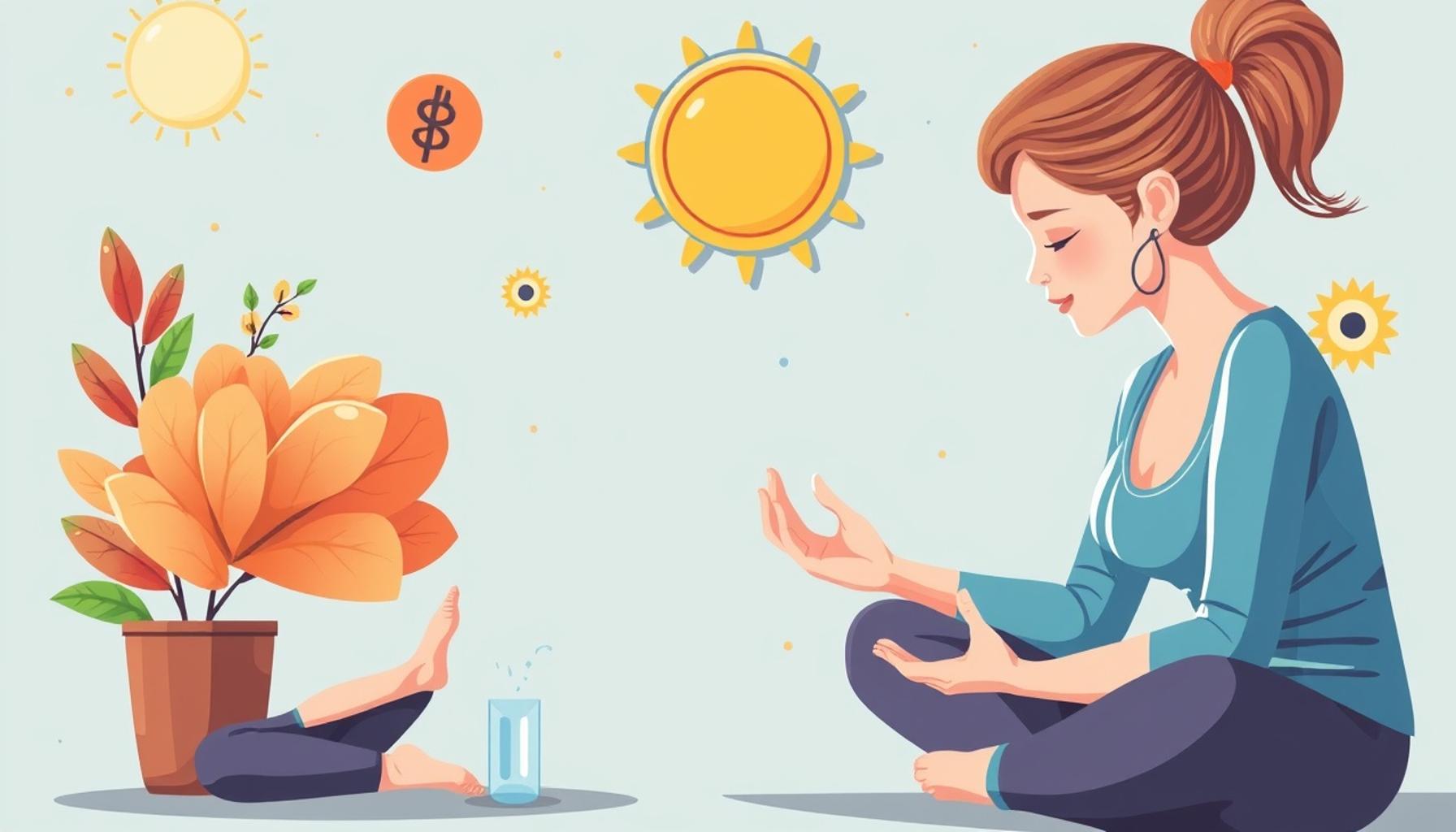
Incorporating Breathing Exercises into Your Daily Routine for Enhanced Physical and Emotional Resilience

Unlocking Your Inner Strength
In today’s fast-paced world, finding balance is essential for maintaining both physical and emotional well-being. Breathing exercises offer a simple yet powerful tool to help individuals cope with stress effectively and enhance their resilience. The beauty of these techniques lies in their simplicity; they can be easily incorporated into daily routines, and their benefits can lead to substantial long-term positive changes.
The Benefits of Breathing Exercises
- Stress Reduction: Focused breathing techniques, such as diaphragmatic breathing or the 4-7-8 method, can significantly decrease cortisol levels, which are often associated with stress. By dedicating just a few minutes each day to these exercises, individuals can activate the body’s relaxation response. Research has shown that even brief periods of focused breathing can immediately lower stress levels, making it a convenient tool for anyone navigating a hectic work environment or facing personal challenges.
- Improved Focus: Regular practice not only helps in managing stress but also sharpens mental clarity and concentration. According to a study conducted by the University of Southern California, participants who practiced mindfulness and breathing exercises reported a marked improvement in their attention span and cognitive functions. This is particularly beneficial for professionals in high-stress jobs or students preparing for critical exams, allowing them to maintain their composure and focus amidst distractions.
- Emotional Regulation: Controlled breathing has been shown to help individuals regulate their emotional responses. This is particularly useful in situations of high tension or anxiety. For example, techniques such as box breathing—inhale for four seconds, hold for four, exhale for four, and hold again for four—can ground individuals in the moment, preventing overwhelming feelings from clouding judgment. These practices empower individuals to manage difficult emotions and enhance interpersonal relationships.
Incorporating these techniques into your daily regimen can transform your approach to challenges, promoting mental wellness and enhancing your overall quality of life. Whether you’re dealing with the pressures of a demanding work schedule, navigating family responsibilities, or simply seeking moments of calm, these exercises can do wonders for your health. They are not only accessible but can be practiced almost anywhere—at your desk, during a commute, or even in the comfort of your home.
Understanding the profound impact that breathing can have on your physical and emotional state could lead to significant lifestyle changes. If you’re ready to explore how to breathe your way to greater resilience and vitality, consider dedicating some time each day to mastering these powerful techniques. Your journey to well-being begins with a single breath.
Making Breathing Exercises a Habit
The journey to enhanced physical and emotional resilience begins with consistency. Making breathing exercises a part of your daily routine is not just beneficial; it’s essential for fostering a proactive approach to mental health and well-being. However, implementing these practices in a sustainable way can be challenging. Here are some practical strategies to seamlessly blend breathing exercises into your everyday life.
Setting Dedicated Times for Practice
One of the most effective ways to establish a habit is by scheduling specific times throughout the day dedicated to your breathing exercises. Consider the following approaches:
- Morning Ritual: Start your day with calming breath work to set a positive tone. As you wake up, before diving into your tasks, take a few minutes to practice deep breathing or a structured technique like the 4-7-8 method. This sets a peaceful mindset for the day ahead.
- Midday Break: Use your lunch break or a mid-afternoon lull as a chance to refocus. Step outside, find a quiet corner, or even sit at your desk and perform breathing exercises. This not only reduces stress but can also reinvigorate your mental clarity, ensuring that you tackle the rest of your day efficiently.
- Pre-Sleep Routine: Incorporate breathing exercises into your nighttime ritual. Engaging in a calming breathing practice can enhance your sleep quality and prepare your mind and body for rest. Techniques such as progressive muscle relaxation combined with deep breathing can significantly aid in unwinding after a long day.
Utilizing Technology
In our modern world, technology can facilitate new habits. Various apps and online resources are tailored specifically for guided breathing exercises, making them more accessible and engaging. Here are some popular options:
- Breathing Apps: Applications like Calm and Insight Timer provide guided sessions for various breathing techniques. These apps can remind you to take a moment for yourself, allowing you to engage in structured practices even if you’re busy.
- YouTube Videos: Many practitioners share breathing routines on platforms like YouTube. Finding a reliable channel can give you access to useful guided sessions ranging from a few minutes to longer practices, suitable for different levels.
- Wearables: Devices such as smartwatches often come equipped with reminders to breathe, incorporating short exercises into your routine, thus helping you become more mindful throughout your day.
Integrating breathing exercises into your life doesn’t require substantial alterations to your schedule. Rather, it involves small, intentional changes that promote both physical and emotional resilience. By establishing consistent practices and utilizing available resources, you prepare yourself to face challenges head-on while maintaining a sense of calm and clarity. This is just the beginning of your journey toward a more resilient you, where every breath counts.
Benefits of Consistent Breathing Practices
Incorporating breathing exercises into your daily routine can profoundly affect both physical health and emotional well-being. By dedicating just a few minutes each day to these techniques, individuals can experience a remarkable transformation in how they manage stress and emotions. Breathing exercises, such as diaphragmatic breathing or box breathing, enhance oxygen flow and can lower heart rates, promoting a calmer, more centered state of mind.
Physical Advantages
Regularly practicing breathing techniques improves your body’s oxygen efficiency, leading to enhanced stamina and energy levels. This physical benefit is particularly significant for individuals engaged in high-intensity sports or those experiencing fatigue in daily activities. Moreover, studies have shown a correlation between proper breathing and reduced inflammation in the body, contributing to overall physical resilience.
Emotional Resilience
On the emotional side, nurturing a routine of breathing exercises can aid in anxiety reduction and promote clarity of thought. When people are faced with challenging emotional circumstances, effective breathing techniques can serve as a grounding tool, allowing individuals to remain present and cope better with situations. This practice can lead to enhanced emotional intelligence, better stress management, and a greater capacity to respond effectively to life’s inevitable ups and downs.
Practical Techniques to Integrate into Your Day
To make breathing exercises a part of your daily routine, consider setting aside moments in your day for intentional practice. Engaging in even short sessions, whether in the morning to start the day or in the evening to unwind, can instill a sense of peace and stillness. Establishing a consistent practice can create lasting changes in how you approach daily stressors and challenges.
| Advantage | Description |
|---|---|
| Enhanced Focus | Breathing exercises help clear mental fog, allowing for improved concentration and productivity. |
| Emotional Balance | Promotes emotional calmness, reducing anxiety and stress, leading to a greater sense of overall well-being. |
In summary, the integration of breathing exercises into your daily routine offers diverse benefits that improve both physical and emotional resilience. Taking small steps towards mindfulness through conscious breathing can yield substantial returns in all areas of life.
Exploring Various Breathing Techniques
As you embark on the journey of incorporating breathing exercises into your daily routine, it’s essential to familiarize yourself with different techniques that can enhance both physical and emotional resilience. Each method offers unique benefits, allowing you to choose what resonates best with you. Here are some popular techniques to consider:
Diaphragmatic Breathing
Also known as abdominal or belly breathing, diaphragmatic breathing focuses on fully engaging the diaphragm, leading to deeper and more effective breaths. This technique can significantly reduce stress levels, lower heart rate, and promote relaxation. To practice:
- Find a comfortable seated or lying position. Place one hand on your chest and the other on your abdomen.
- Inhale deeply through your nose, ensuring your diaphragm expands and your abdomen rises while your chest remains relatively still.
- Exhale slowly through your mouth, feeling your abdomen fall.
- Repeat this process for 5 to 10 minutes, concentrating on the rise and fall of your abdomen.
This technique is particularly useful for those experiencing anxiety, providing a simple yet effective way to center oneself amidst chaos.
Box Breathing
Used by athletes, military personnel, and even those in high-stress professions, box breathing is a structured method that involves inhaling, holding, exhaling, and holding the breath again, each for a count of four. This technique enhances focus and drowning out distractions while promoting calm. To practice box breathing:
- Inhale quietly through your nose for a count of 4.
- Hold your breath for another count of 4.
- Exhale slowly through your mouth for a count of 4.
- Hold the empty breath for 4 counts before beginning the next inhalation.
Engaging in this practice for just a few cycles can greatly improve concentration, making it an ideal choice before meetings or important tasks.
Nadi Shodhana (Alternate Nostril Breathing)
This ancient yogic practice, Nadi Shodhana, is known for balancing the mind and body while promoting relaxation. By alternating breaths through each nostril, it helps release any built-up tension and enhances mental clarity. Here’s how to perform it:
- Sit comfortably with your spine straight. Use your right thumb to close off your right nostril.
- Inhale deeply through your left nostril.
- Close your left nostril with your ring finger and release your thumb from the right nostril.
- Exhale completely through the right nostril.
- Inhale through the right nostril, close it with your thumb, and release your left nostril to exhale.
- Continue this pattern for 5-10 minutes.
Nadi Shodhana can be particularly effective for reducing anxiety before social engagements or public speaking.
Incorporating Breathing Exercises into Workouts
Integrating breathing exercises directly into workout routines can optimize performance and recovery. For instance:
- During strength training, focus on inhaling during the eccentric phase (lowering the weight) and exhaling during the concentric phase (lifting the weight).
- In yoga or Pilates, emphasize breath synchrony to enhance flexibility and stability, providing a deeper mind-body connection.
- In cardio workouts, use rhythmic breathing patterns to maintain endurance. Inhale for a set number of steps, followed by matching exhalation for the same or a lesser number.
These practices ensure that breathing enhances every aspect of physical activity, promoting endurance and resilience effectively.
By exploring various techniques and their applications, you’re not only equipping yourself with the tools for stress management but also paving the way for a stronger, more resilient self. Every breath is an opportunity, one that you can leverage to fortify your physical and emotional well-being.
Final Thoughts on Breathing for Resilience
Incorporating breathing exercises into your daily routine is not just about the act of inhaling and exhaling; it is a powerful pathway to cultivating both physical and emotional resilience. By familiarizing yourself with various techniques such as diaphragmatic breathing, box breathing, and practices like Nadi Shodhana, you equip yourself with tools that foster relaxation, enhance focus, and promote mental clarity. Whether you are looking to reduce stress, improve athletic performance, or simply find a moment of peace amidst a chaotic day, these breathing techniques can serve as essential components of your wellness arsenal.
As you consistently practice and integrate these methods, you’ll likely find not only improvements in your stress levels but also an increase in your overall resilience. Remember, each breath is an opportunity for renewal – an opportunity to reconnect with yourself and create a foundation of strength and calm that can withstand life’s challenges.
To maximize these benefits, consider setting aside dedicated time each day for your breathing exercises, whether in the morning to kick-start your day or in the evening for unwinding. As you journey towards a more mindful existence, keep in mind that breathing is more than a biological function; it is a bridge that can lead you to greater awareness, stability, and emotional health.
In exploring the depths of your breath, you will not only enhance your own well-being but also inspire those around you to embrace the profound impact that such simple, yet powerful practices can have. Start today, breathe deeply, and transform your life, one breath at a time.