
Impact of Natural Feeding on Pet Health: Benefits and Risks
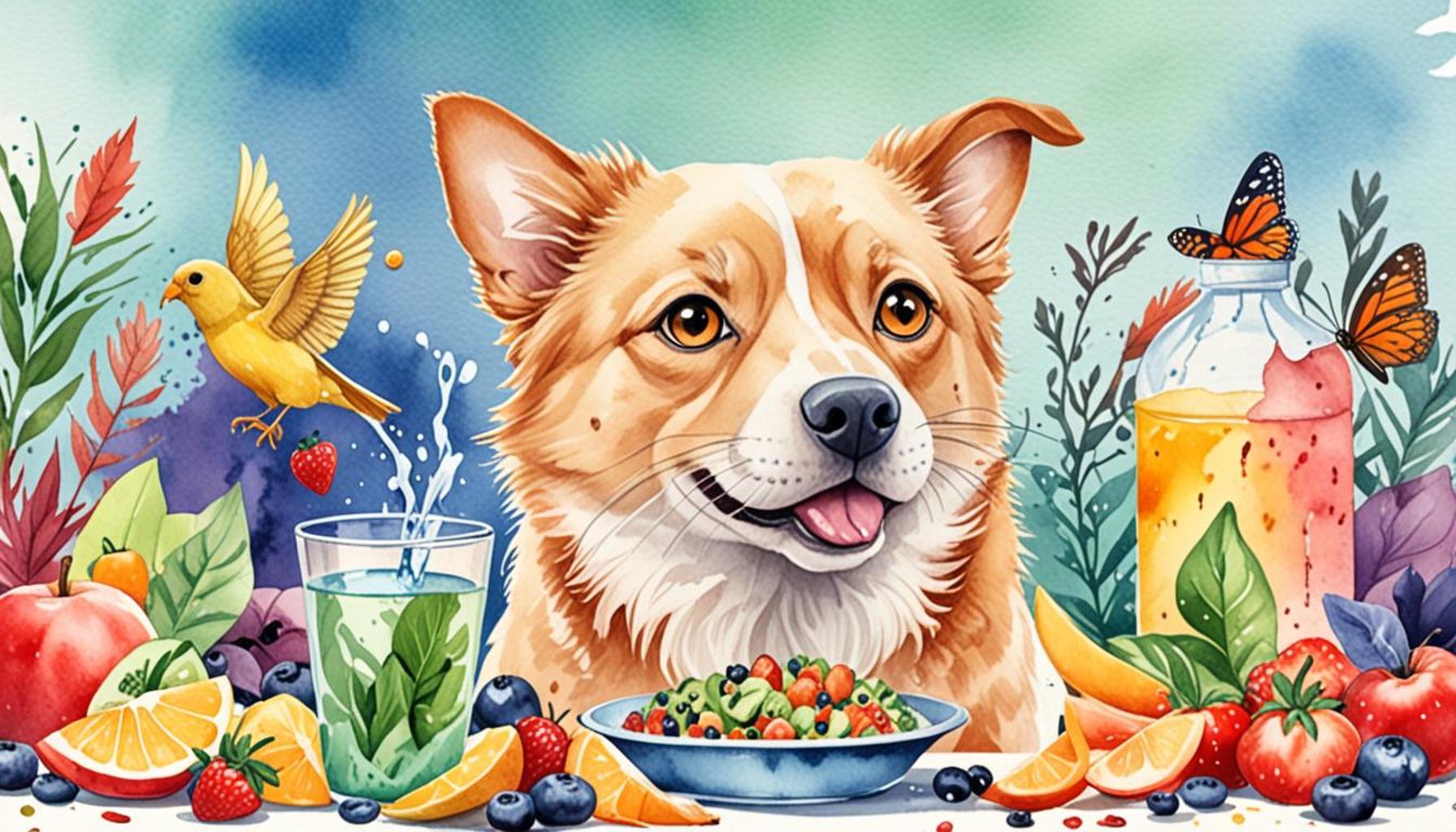
Exploring the World of Natural Feeding for Pets
The conversation around pet nutrition is evolving rapidly, as pet owners increasingly turn to natural feeding practices. This trend raises vital questions about how these practices influence pet health. While many tout the benefits of natural diets, there are also potential risks that must be navigated.
Understanding Natural Feeding
Natural feeding typically includes a variety of approaches designed to mimic the ancestral diets of pets, promoting health through wholesome food. Some key components of this approach are:
- Raw diets: These involve feeding pets uncooked meats, organs, and bones, aiming to replicate the diet of wild animals. Raw feeders argue that this can lead to increased vitality and improved dental health.
- Organic ingredients: Many pet owners are turning to organic, non-GMO produce, and meats, believing these options are free from harmful chemicals and additives that can affect their pets.
- Home-cooked meals: Preparing meals at home allows pet owners to have complete control over the ingredients, ensuring that they are fresh and nutrient-dense. Recipes often include protein sources like chicken or fish, paired with vegetables and grains.
- Minimal processing: Many proponents of natural feeding advocate for diets that undergo little to no processing, arguing that this preserves nutrients and reduces the likelihood of harmful additives.
Advocates believe that these diets can lead to improved vitality and a more robust immune system. For instance, many pet owners report noticeable changes in their pets’ health, including:
- Shinier coats: Regular consumption of high-quality fats and proteins may enhance fur quality, making it glossier and healthier.
- Increased energy levels: Natural diets may boost overall energy, encouraging pets to be more active and engaged.
- Better digestion: Consuming whole foods can lead to more regular bowel movements and less digestive upset in pets.
Potential Risks
However, the shift towards natural feeding isn’t without its challenges. Risks include:
- Nutritional imbalances: Homemade or raw diets must be carefully balanced to provide complete nutrition. Inadequate calcium or vitamin levels can lead to serious health issues.
- Contamination risks with raw meats: There are significant concerns regarding bacterial contamination in raw meat, which can pose health risks not only to pets but also to their owners through cross-contamination.
- Possible allergens from natural ingredients: Some pets may develop allergies to certain proteins or vegetables commonly used in natural diets, leading to health complications.
Understanding both the benefits and risks of natural feeding is essential for pet owners looking to enhance their furry friends’ well-being. This exploration will equip you with the knowledge needed to make informed dietary choices for your pets. Engaging with a veterinarian or pet nutritionist can provide personalized advice to help navigate this increasingly popular trend, ensuring that our beloved companions thrive on their dietary journeys.
LEARN MORE: Click here to understand your cat’s behavior
The Benefits of Natural Feeding on Pet Health
Embracing a natural feeding regime for pets has gained traction among pet owners who seek to provide their furry friends with optimal nutrition. Advocates of this trend argue that natural diets yield a myriad of health benefits, ultimately contributing to the overall well-being of pets. Understanding these advantages can help pet owners make informed decisions for their companions.
Enhanced Quality of Life
One of the most celebrated benefits of natural feeding is the observable improvement in pets’ quality of life. Many pet owners report that transitioning from conventional diets to natural feeding methods has led to:
- Healthier Weight Management: Natural diets are often lower in calories and higher in nutritional value, assisting in weight control. Maintaining an ideal weight can help stave off obesity-related issues, such as diabetes and joint problems.
- Stronger Immune Systems: A diet rich in essential nutrients can fortify a pet’s immune response, helping them fend off common illnesses and infections more effectively than those on processed diets.
- Reduced Allergies and Sensitivities: Natural feeding eliminates fillers and artificial additives present in many commercial pet foods, which are often culprits behind food allergies. This transition can lead to fewer incidences of skin irritations and gastrointestinal disturbances.
Improved Palatability and Satisfaction
Another advantage pet owners frequently highlight is the rise in pets’ enthusiasm for their meals. Natural ingredients often boast more appealing flavors and scents, resulting in:
- Increased Appetite: Pets show greater interest in their food when it consists of fresh, whole ingredients. This heightened enthusiasm can translate to better nutrient absorption and overall satisfaction in pets.
- Fewer Behavioral Problems: Many pet owners find that improving their pets’ diets reduces issues like whining, begging, or scavenging for food. A satiated pet is often more relaxed and content.
Digestive Health and Function
The composition of natural diets—rich in fiber and low in fillers—can have a significant impact on pets’ digestive health. Some reported benefits include:
- Regular Bowel Movements: Owners have noted that pets on natural diets often experience regular and firm bowel movements, minimizing incidents of diarrhea or constipation.
- Digestive Enzyme Production: The consumption of a species-appropriate diet can enhance the production of digestive enzymes, improving nutrient breakdown and absorption.
While the benefits of natural feeding present a compelling case for change, it is essential for pet owners to remain cautious. In navigating this dietary approach, understanding both the potential advantages and risks will empower them to cultivate a balanced and healthful feeding strategy. Exploring these dimensions will further illuminate how natural feeding can mold the health narratives of pets across households.
Understanding the Advantages of Natural Feeding
Natural feeding, often referred to as raw or holistic feeding, has gained traction among pet owners keen on enhancing their pets’ overall health. In this section, we will delve into the various advantages associated with this method, providing a clear picture of its impact on pet health.
| Category | Benefits |
|---|---|
| Improved Digestion | Enhanced nutrient absorption is one of the most significant benefits of natural feeding, which can reduce gastrointestinal issues in pets. |
| Shinier Coat | Boosted skin health is often observed with natural feeding due to high-quality fats and nutrients, leading to a shinier, healthier coat for pets. |
| Weight Management | Natural food inclusivity helps in maintaining a balanced weight, reducing the risks of obesity and related health problems. |
| Increased Energy Levels | High-quality protein sources lead to improved energy levels, making pets more active and vibrant. |
The switch to natural feeding can also influence behavioral attributes in pets. Many pet owners report an observable reduction in hyperactivity and anxiety levels, attributing this to a more balanced diet and the elimination of additives often found in commercial pet foods. It’s important to note, however, that while the benefits are compelling, owners must educate themselves on the proper balance of nutrients to ensure their pets receive a well-rounded diet that meets all their health needs.
LEARN MORE: Click here for essential tips
The Risks of Natural Feeding on Pet Health
Despite the appealing benefits of natural feeding, pet owners should approach this dietary trend with a discerning eye. This method of feeding, while beneficial, is not without its risks and potential drawbacks. Understanding these pitfalls is crucial for those who want to make thoughtful and informed decisions about their pets’ diets.
Nutritional Imbalance
One of the significant concerns surrounding natural feeding is the risk of nutritional imbalance. While natural diets often emphasize whole ingredients, they may inadvertently lack crucial nutrients if not carefully planned. Essential vitamins and minerals, such as calcium and phosphorus, can be overlooked in homemade meals. Pet owners should be aware that:
- Deficiencies: Long-term neglect in providing a balanced diet may lead to severe health problems, including skeletal issues in growing pets or metabolic disorders in adults.
- Consultation with Professionals: It becomes imperative for pet owners to consult veterinarians or animal nutritionists before embarking on a natural feeding path, ensuring all dietary needs are met.
Food Safety Concerns
Another critical risk associated with natural feeding is the potential for food safety issues. The use of raw ingredients can expose pets to harmful pathogens. Some critical points to consider include:
- Risk of Bacterial Contamination: Raw diets can harbor dangerous bacteria such as Salmonella or E. coli, posing risks not just to pets but also to the humans handling the food. Thorough cleaning and safe food preparations are essential.
- Ingredient Sourcing: Because natural feeding often involves fresh meats and vegetables, obtaining quality and safe sources for these ingredients is essential. For instance, locally sourced or certified organic foods may reduce the risk of contamination.
Cost and Time Investment
Pursuing a natural feeding strategy may also require a significant economic and time investment. Compared to commercial pet foods, natural feeding can take substantial planning and upkeep. Consider the following factors:
- Higher Costs: Quality natural ingredients can be more expensive than store-bought kibble, potentially putting a strain on pet owners’ budgets.
- Preparation Time: Preparing meals that cater to a pet’s specific dietary needs is time-consuming and may not fit into the schedules of busy pet owners. Prepping, cooking, and ensuring a routine can be daunting.
Behavioral Changes
While many pet owners report improved behaviors with natural feeding, some pets may react negatively to a sudden change in diet. Potential behavioral changes can include:
- Reluctance to Eat: Pets accustomed to traditional foods may initially reject new flavors and textures, leading to intermittent fasting or feeding struggles.
- Increased Anxiety: A drastic dietary switch can lead to behavioral issues in pets, such as anxiety or stress due to the uncertainty of food choices.
Ultimately, while the appeal of natural feeding lies in its perceived benefits, it is crucial to weigh these against the inherent risks. Adopting a balanced approach, with consultation from professionals and thorough planning, can help mitigate these concerns and ensure that pets enjoy a healthy and fulfilling dietary experience.
DISCOVER MORE: Click here to learn how to reward your pet’s good behavior
Conclusion: Finding the Right Balance in Natural Feeding
In summary, the impact of natural feeding on pet health is a multifaceted subject, presenting both remarkable advantages and significant risks. As the trend towards natural diets grows among pet owners in the United States, understanding the benefits—such as enhanced digestion, improved coat quality, and increased energy levels—must be paired with an awareness of the potential dangers, including nutritional imbalances and food safety issues.
Pet owners considering this dietary shift should prioritize comprehensive research and consultation with veterinary or nutritional professionals. Crafting a well-balanced, natural feeding regimen demands a commitment of time and resources, which is crucial to ensure careful ingredient selection, preparation, and adherence to nutritional guidelines. The risks of bacterial contamination and the financial and temporal investment required further underscore the need for careful planning.
Moreover, it’s essential to recognize that behavioral changes in pets, while sometimes indicative of improvements, can also lead to stress and reluctance in adapting to a new diet. Therefore, gradual transitions and monitoring are pivotal to ensuring a smooth adjustment for our furry companions.
Ultimately, the decision to embrace natural feeding should align with a pet owner’s lifestyle and their pet’s specific needs. By approaching this method with informed caution, individuals can cultivate a balanced dietary strategy that safeguards their pets’ health while maximizing the potential benefits of natural feeding. As with any dietary plan, ongoing evaluation and adaptability will contribute to the overall well-being and happiness of our beloved pets.