Hunting Behavior of Cats: Exploring Natural Instincts and How Play Can Stimulate the Mind
Understanding Feline Hunting
The hunting behavior of cats has long fascinated pet owners and researchers alike. As instinctual predators, these agile creatures exhibit a range of natural instincts that not only reveal their evolutionary background but also influence their everyday activities. In fact, the domestic cat, Felis catus, shares a significant portion of its genetic makeup with wild cats, such as the African wildcat. This connection underlines the importance of understanding their hunting habits, which can provide insights into their behaviors and needs.
Key Hunting Traits
- Chasing: Cats demonstrate an innate desire to chase small moving objects, attributing to their predatory nature. This behavior is often observed during playtime where cats might engage with toys that mimic prey, such as feather wands or laser pointers. These quick bursts of energy not only show their hunting spirit but also help in honing their reflexes.
- Stalking: This behavior closely mimics their wild ancestors, showcasing their ability to remain stealthy and patient. Cats often employ a “stalk-and-pounce” technique when they spot a target, such as a toy mouse or even a crumpled ball of paper. They will crouch low, moving slowly, and then spring into action when they feel they are close enough to strike.
- Pouncing: A swift leap to capture prey highlights their explosive power and precision. When stalking their toys or even moving shadows, cats exhibit remarkable agility, demonstrating muscle control and coordination, which are crucial in their development as hunters.
While many indoor cats may not hunt for survival, their instinctual behaviors remain prevalent, influencing their interaction with toys and playtime. A simple experience like batting at a toy or chasing after a ball can trigger these instincts and allow them to fulfill their natural behaviors. Play serves as an essential outlet for these instincts, not only providing entertainment but also stimulating their mental health.
Importance of Play
Engaging in play is more than just fun; it is critical for a cat’s well-being. Cats that regularly indulge in play exhibit better mood and behavior, making it essential for their physical and psychological health. Here are some key benefits of play:
- Mental stimulation: Keeping their brains active helps prevent boredom, which can lead to destructive behaviors in indoor cats. Interactive toys, puzzle feeders, or even training sessions using clicker methods can provide the mental engagement they need.
- Exercise: Promoting physical health, play encourages movement that can help maintain a healthy weight and muscle tone. This is particularly important in the United States, where obesity in pets has been rising alarmingly and can lead to severe health complications.
- Bonding: Playtime also strengthens the relationship between cats and their owners, creating trust and improving overall behavior. Engaging in cooperative activities such as chasing toys together fosters a connection that reduces stress and enhances the overall quality of life for the cat.
As we delve further into understanding feline behavior, it becomes apparent that recognizing and encouraging these natural instincts can lead to a happier and healthier life for our feline companions. Providing stimulating environments, engaging toys, and regular interaction can fulfill their hunting instincts and contribute positively to their well-being, making informed play an essential part of responsible cat ownership.
DIVE DEEPER: Click here to discover why animal socialization is crucial
The Role of Instinct in Feline Behavior
At the core of the hunting behavior in cats lies a deeply ingrained set of instincts that has been fine-tuned over thousands of years. These natural instincts not only drive their interaction with their environment but also influence how they perceive the world around them. Certain behaviors, such as hunting, are essential for the survival of wild cats and have been adapted in domestic cats to fit their home environment. Understanding these instincts is crucial for cat owners who aim to create stimulating environments that cater to their feline friends’ inherent needs.
Exploring Natural Instincts
To appreciate the fascinating hunting capabilities of cats, one must first understand their intrinsic traits. The following characteristics illuminate the complexity of feline instincts:
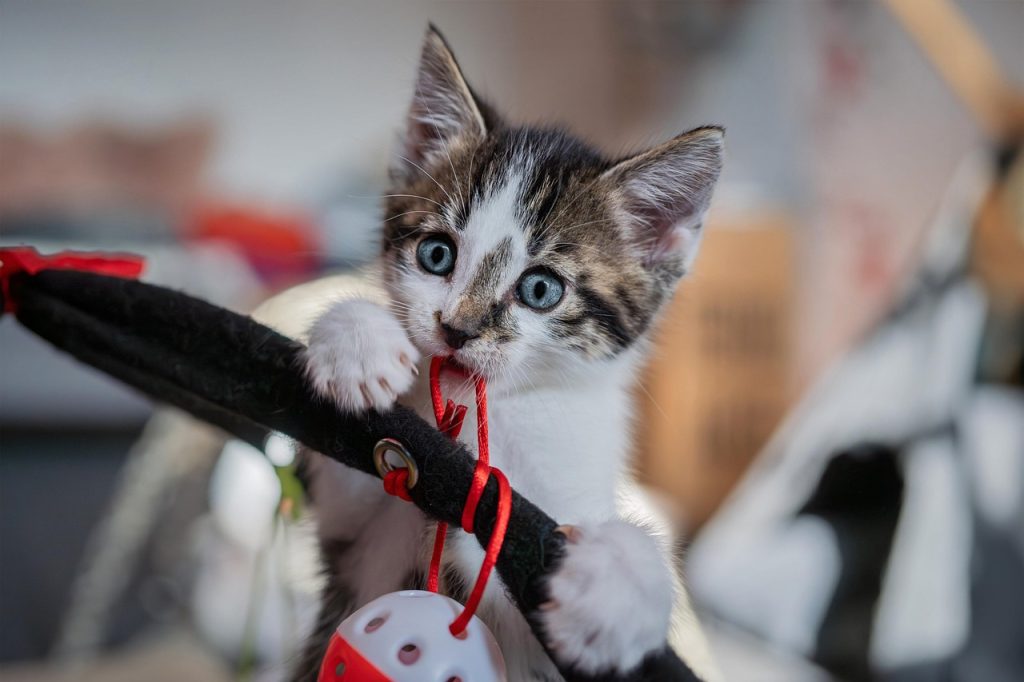
- Predatory Sequence: Cats are wired to engage in a precise sequence of behaviors rooted in their predatory nature, which includes locating prey, stalking, pouncing, and finally killing. Each component of this sequence reflects a unique skill set that is often displayed during play. For example, when a cat spots a feather toy, their entire body transforms into a fierce hunter, ready to embark on the hunt.
- Environmental Adaptation: Domestic cats, despite having a comfortable life indoors, still need to engage in behaviors that mirror their wild relatives. Providing environmental features such as climbing structures and hiding spots can simulate a natural habitat, encouraging instinctual behaviors like exploration and ambush.
- Social Hunting: Although solitary hunters by nature, cats can sometimes engage in social hunting when living with other cats. This implies that, while they might hunt alone, they also possess social skills that can enhance their hunting techniques. Observing interactions between multiple cats can reveal cooperative behavior that mimics hunting in the wild.
Recognizing these instinctual behaviors can greatly enhance a cat owner’s understanding of their pet’s needs. Enabling cats to express their innate hunting traits through enriching playtime is essential. Simply allowing cats to show off their chasing and pouncing skills can satisfy their natural desires and contribute to their overall well-being.
Play as a Hunting Simulation
Engaging in play is not just a way to pass the time; it plays a vital role in a cat’s hunting practice. Through structured play, cats can tap into their instinctual behaviors while building skills that are critical for their physical and mental health. Discovering the appropriate forms of play can bring numerous benefits:
- Cognitive Development: Play helps sharpen a cat’s mental faculties and problem-solving skills. Interactive toys force them to think critically and develop strategies, fostering cognitive growth and preventing boredom.
- Physical Agility: Regularly engaging in play allows cats to maintain their physical fitness. Activities that encourage jumping, climbing, and running can mitigate health risks, especially in indoor settings where exercise may be limited.
- Behavioral Enrichment: Through playful interactions, cats learn to navigate social dynamics, improving their behavior and responses to their environment, which can result in less destructive tendencies and increased emotional stability.
By understanding how play mimics the hunting behaviors of their wild ancestors, cat owners can foster a more engaging and fulfilling environment for their pets. As they explore the depth of feline instincts, it becomes clear that play isn’t merely recreational; it is a fundamental aspect of a cat’s life, ensuring their wellness and happiness.
Hunting Instincts in Domestic Cats
Cats are renowned for their hunting skills, which are deeply rooted in their genetics. These instincts are not merely remnants of their wild ancestry; they are vital for their mental and physical well-being. In the wild, hunting engages cats physically and mentally, providing them with the necessary stimulation to thrive. This innate behavior can be observed even in domestic cats, often appearing during playtime when they stalk, pounce, and capture toys.
Understanding Play as a Form of Hunting
Play mimics hunting behavior and allows cats to practice their skills in a safe environment. Activities like chasing laser pointers, batting at feathers, or pouncing on small toys stimulate their predatory instincts. This not only keeps them agile and fit but also mentally engaged. Engaging in such play regularly can help mitigate behavioral issues that arise from boredom or excess stored energy.
The Psychological Impact of Play
Research shows that interactive play can significantly enhance a cat’s cognitive functions. It boosts their problem-solving abilities and reduces anxiety by providing an outlet for their energy. Moreover, play can help strengthen the bond between a cat and its owner, as they both engage in activities that mimic natural hunting techniques. Setting aside time for play each day is crucial for maintaining a cat’s happiness and ensuring they lead a fulfilling life.
The Role of Toys in Stimulating Natural Instincts
The selection of appropriate toys is fundamental in replicating hunting scenarios. Toys that mimic the movement and sound of prey, such as toy mice or wand toys, are particularly effective. They not only serve as a source of entertainment but also encourage cats to use their instincts. Incorporating toys that require problem-solving, like puzzle feeders, can further enhance a cat’s mental stimulation.
Understanding the intricate relationship between a cat’s hunting behavior and play is crucial for any cat owner seeking to provide a happy and healthy environment. By fostering an atmosphere that encourages play, owners can ensure their cats remain active, both physically and mentally, enhancing their overall quality of life.
| Category | Benefits |
|---|---|
| Natural Instinct Stimulation | Encourages physical activity and keeps cats mentally stimulated. |
| Behavioral Improvement | Reduces anxiety and prevents destructive behaviors through play. |
DISCOVER MORE: Click here for effective training solutions
Understanding the Connection Between Play and Hunting
While instinct forms the foundation of a cat’s hunting behavior, play acts as a crucial facilitator for these natural instincts to manifest, often bridging the gap between innate abilities and the development of skills essential for survival. This connection between play and hunting is not just a fascinating aspect of feline behavior but also plays a significant role in the well-being of cats, particularly in domestic settings. By examining this relationship further, we can unlock the full potential of our furry hunters.
Types of Play That Encourage Hunting Skills
Not all play is created equal when it comes to simulating hunting behaviors. Various types of interactive play can enhance different aspects of a cat’s predatory nature:
- Chasing Games: Engaging cats in activities that mimic the chase, such as using a laser pointer or feather duster, allows them to utilize their speed and agility. Chasing is fundamental to cats’ natural hunting instincts, and such games can help them practice their reflexes and stamina.
- Pouncing Activities: Toys that bounce or flutter can incite a cat’s pouncing behavior. For instance, spring-loaded toys or those that simulate the movement of small animals encourage cats to engage their muscles in a natural leaping behavior, honing their skills for the ‘kill’ stage of hunting.
- Hide-and-Seek: Utilizing boxes or pieces of furniture for hide-and-seek games encourages cats to peek and stalk, which fosters their stealthy nature. This form of play provides an outlet for their capturing instincts in a safe environment, enhancing their ability to strategize and plan.
By diversifying playtime activities, cat owners can provide opportunities for their pets to explore and enhance their hunting skills, enriching their overall experience and stimulating their minds.
The Importance of Interactive Toys
Interactive toys have revolutionized the way we entertain our feline companions. Unlike static toys, interactive gadgets can simulate the unpredictable movement of prey, closely aligning with a cat’s natural interest in hunting. Robotic mice, timed treat dispensers, and motion-activated feather toys are just a few examples of products designed to engage and challenge cats. These toys not only offer physical stimulation but also serve as cognitive challenges that can improve a cat’s problem-solving abilities.
Studies indicate that cats that engage with interactive toys exhibit lower levels of stress and exhibit better emotional stability. This connection between environmental enrichment and mental health reinforces the importance of optimizing play opportunities, particularly for indoor cats lacking the freedom to hunt in natural surroundings.
Social Play and Its Benefits
Beyond solitary play, social interactions with other cats can significantly enhance hunting skills. Cats raised in multi-cat households often exhibit more playful behavior, developing strong cooperative hunting intelligence. They may engage in social chasing or pouncing games, all while learning vital social cues and hierarchies that shape their behavioral responses.
Moreover, observing other cats during play can stimulate a cat’s curiosity and motivation, encouraging them to practice their hunting skills in a more dynamic context. This form of social learning is foundational to their mental development and can lead to healthier relationships with both humans and fellow felines.
Overall, recognizing the pivotal role of play in simulating hunting behavior enables cat owners to create engaging and fulfilling lives for their pets. From cognitive enhancement to skill development and emotional well-being, the interplay between play and natural instincts encompasses a profound aspect of a cat’s existence, one that deserves thoughtful consideration and understanding.
DISCOVER MORE: Click here to learn about why socialization matters for your pets
Conclusion: Nurturing the Inner Hunter
In exploring the intricate hunting behavior of cats, we uncover a world shaped by natural instincts and an inherent need for mental stimulation. The link between play and these essential predatory skills highlights the importance of engaging our feline friends in activities that simulate real-world hunting experiences. Consequently, by providing varied forms of active play—such as chasing, pouncing, and hide-and-seek—cat owners can empower their pets to develop vital skills while promoting their overall well-being.
As we embrace the role of interactive toys within our cats’ daily routines, we revolutionize their playtime, ensuring they receive not only physical but also cognitive enhancements. This dual stimulation helps alleviate stress, bolstering emotional stability and fostering resilience. Furthermore, recognizing the benefits of social play in multi-cat households adds another layer to understanding feline interactions, providing opportunities for learning and growth through observation and cooperation.
In summary, creating a rich and stimulating environment tailored to each cat’s unique personality is paramount. By nurturing their instincts through playful engagement, we allow our beloved companions to live their most fulfilled lives, mirroring the natural behaviors essential to their happiness. Therefore, as we strive to meet our pets’ physical and mental needs, we cultivate not just happier cats, but also deeper bonds that enhance the joy of pet ownership. Exploring these facets of felines not only reveals their captivating nature but also encourages us to continually learn and adapt as responsible caretakers.