How to Prepare Your Pet for the Vet Visit and Reduce Stress
Understanding the Vet Visit
For many pet owners, the thought of taking their beloved dogs, cats, or other furry companions to the veterinarian can evoke feelings of unease. This apprehension is not unfounded, as pets also experience their share of fear and anxiety during such visits. Recognizing the importance of preparation can turn a potentially stressful day into a smoother, more manageable experience for both you and your pet, ultimately aiding in their health and well-being.
Key Factors to Consider
One of the initial steps in prepping for a vet appointment is familiarization. This process involves introducing your pet to their carrier or harness weeks in advance. If your pet is accustomed to the environment in which they’ll be transported, they are less likely to feel anxious. For cats, consider leaving their carrier open in the home with a cozy blanket inside, allowing them to explore and feel safe within it. Dogs can benefit from short trips in the car using their harness, helping them associate the vehicle with fun outings rather than stressful visits.
Another significant aspect of preparation is positive reinforcement. Pets are incredibly perceptive, and their responses to experiences can be heavily influenced by previous events. Use high-value treats, like small pieces of chicken or their favorite soft treats, to reward your pet for entering the carrier or sitting calmly in the waiting room. Regularly praising them can also help build a positive correlation with vet visits, making subsequent trips less daunting.
Health Records and Individual Triggers
It is also crucial to have health records organized and ready for inspection. An updated list of vaccinations, past illnesses, and medications allows the veterinarian to provide better care tailored to your pet’s needs. Keep these records either in a physical folder or digitally accessible on your phone or other devices for quick reference during the appointment.
Understanding your pet’s specific anxiety triggers is equally important in managing their stress levels. Some pets may be triggered by loud noises, while others may react to changes in environment. Observing your pet’s personality and behavior can lead to valuable insights on how to mitigate their fears. For example, if your dog tends to be fearful at the sound of other animals barking, arriving early for their appointment and offering quiet reassurance can help alleviate their anxiety.
Consulting the Veterinarian
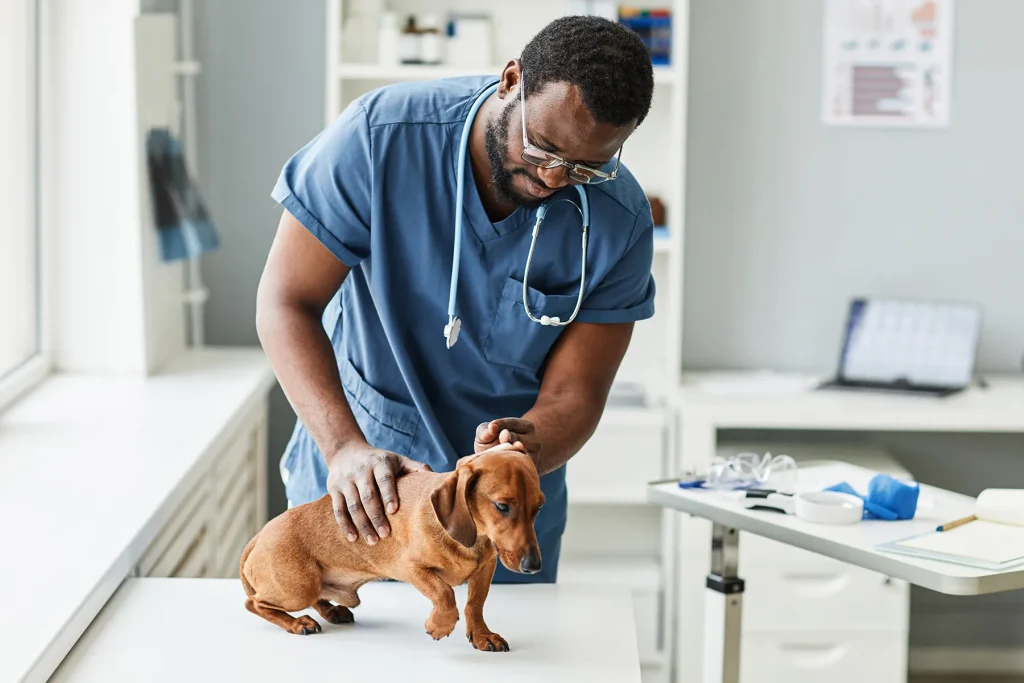
Don’t hesitate to talk with your veterinarian about possible calming solutions. Products like pheromone sprays or natural anxiety medications can be particularly effective for stressed pets. Your vet can provide recommendations tailored to your pet’s specific needs, making your visit even easier.
The Role of Your Attitude
Lastly, it’s essential to consider your own behavior during this time. Your attitude sets the tone for the visit, as pets often mirror the emotions of their owners. If you remain calm and composed, your pet is more likely to feel secure and less anxious. By employing these preparation strategies outlined above, you can create a more pleasant and healthy experience that benefits both you and your furry friend.
Effective Strategies for Reducing Stress Before the Vet Visit
As every pet owner knows, a trip to the veterinarian can be a source of great anxiety—not just for the pet, but for the owner as well. Understanding the strategies that can help reduce this stress is essential to ensuring a more positive experience. With a little preparation and the right mindset, you can significantly ease the anxiety surrounding vet visits for you and your furry companion.
Creating a Comfortable Environment
Before the day of the appointment, it’s important to create a comfortable environment that makes your pet feel secure. This can include setting up a specific area in your home with familiar scents and textures. Here are a few tips to accomplish this:
- Safe Space: Designate a quiet corner of your home where your pet can retreat whenever they feel anxious. Fill this space with their favorite toys and a cozy bed.
- Familiar Items: Consider bringing along a familiar blanket or toy to the vet, as the comforting smell of home can help soothe your pet.
- Practice Visits: If possible, visit the veterinary clinic prior to the appointment. Allow your pet to explore the waiting area and get accustomed to the sights and sounds of the clinic.
Building a Routine
Establishing a routine can also help manage your pet’s anxiety levels. Consistency breeds familiarity, which can be comforting in stressful situations. Here are some suggestions:
- Regular Car Rides: Take your pet on short car trips that don’t end at the vet, reinforcing the idea that car rides can lead to fun experiences.
- Pre-Appointment Training: Spend time practicing basic commands and positive interactions that promote calm behavior.
- Scheduled Appointments: Try to keep vet appointments at the same time consistently, as this can help your pet develop an understanding of the routine.
Utilizing Calming Techniques
In addition to creating a comfortable environment and establishing a routine, you can employ various calming techniques to ease your pet’s nerves. Many pet owners have found success with the following methods:
- Thundershirts: These snug-fitting garments apply gentle pressure, similar to swaddling a baby, which can help alleviate anxiety during vet visits.
- Calming Treats: Consider using specially formulated calming treats or natural supplements that can help relax your pet before their visit. Always consult your vet before introducing anything new into their diet.
- Calm Voice and Body Language: Speak in soothing tones and maintain an open, calm posture to promote tranquility for your pet.
By implementing these strategies, you not only prepare your pet for their vet visit but also contribute to their overall well-being. Remember, a little effort in the preparation process can go a long way in reducing stress for both you and your pet, ensuring the visit is a more pleasant experience. As you plan that upcoming trip to the veterinarian, keep these tips in mind to set the stage for success.
| Category | Details |
|---|---|
| Familiarization | Introduce your pet to the vet clinic ahead of time. |
| Pillows and Blankets | Bring familiar items to the visit, which can comfort your pet. |
| Positive Reinforcement | Reward your pet for calm behavior with treats or praise. |
| Controlled Breathing | Practice calming techniques to reduce anxiety during the visit. |
When preparing your pet for a vet visit, it is essential to consider various strategies to ensure a less stressful experience. Familiarizing your pet with the vet clinic can help acclimatize them to the environment and reduce anxiety. For instance, a pre-visit tour can make a significant difference.In addition, bringing your pet’s favorite blanket or toy can provide comfort and create a sense of security in an unfamiliar setting. Incorporating positive reinforcement, such as treats or affection, during the trip can encourage your pet to associate the vet visit with rewarding experiences.Furthermore, mastering controlled breathing and relaxation methods can assist in calming both you and your pet, setting a tranquil tone for the visit. Each of these steps plays a crucial role in reducing stress and enhancing the overall experience for both you and your cherished companion.
In-Clinic Strategies for a Smoother Experience
While effective preparation at home can significantly reduce stress for your pet before a vet visit, the experience itself can still be daunting. Focusing on in-clinic strategies is essential for ensuring your pet feels more comfortable once you arrive. Here are several tactics to help your pet navigate the environment of the veterinary clinic with less anxiety.
Prioritizing Arrival Timing
Timing your arrival at the vet clinic can make a substantial difference in your pet’s experience. Consider these points:
- Avoid Peak Hours: Schedule your appointments during quieter times, such as mid-mornings or early afternoons, when fewer pets will be present. This can reduce the likelihood of encounters with other animals, which might be intimidating for your pet.
- Early Arrival: Arriving a few minutes early allows you to acclimate your pet to the environment without the immediate pressure of a waiting room filled with other anxious pets and owners.
Utilizing Positive Reinforcement
Once you are at the vet’s office, using positive reinforcement can create a more confident and pleasant experience for your pet. Here’s how to implement this:
- Treats and Praise: Bring your pet’s favorite treats and reward them for calm behavior, whether they are sitting quietly or simply entering the clinic. This will help establish a positive association with the veterinary environment.
- Enrichment Games: Consider bringing a small puzzle toy or a chew item to distract and entertain your pet while waiting. This can reduce their focus on the stressors around them.
Staying Calm and Composed
Your demeanor as an owner plays a crucial role in your pet’s response to the veterinary visit. Keeping yourself calm can help your pet feel secure. Consider the following:
- Mindful Breathing: Practice deep breathing techniques to maintain your composure. Showing your pet that you are relaxed can ease their anxiety significantly.
- Body Language Awareness: Maintain an open and relaxed posture. Avoid excessive fidgeting or nervous pacing, as these actions can convey anxiety to your pet.
Communication with Veterinary Staff
Effective communication with the veterinary staff is vital for ensuring your pet’s comfort during the visit. Here’s how to advocate for your pet:
- Express Concerns: Be open about any specific fears or anxieties your pet may have. Providing your vet with this information can lead to tailored approaches that directly address your pet’s needs.
- Request a Tour: If your pet is particularly skittish, ask for a tour of the clinic’s facilities. Familiarization with the space can significantly reduce fear and stress levels when it is time for the examination.
Implementing these in-clinic strategies can transform a vet visit into a tolerable experience for your pet. By prioritizing timing, utilizing positive reinforcement, and communicating effectively, you can create a well-rounded approach aimed at alleviating stress for both you and your furry friend. Taking these small, yet meaningful, steps can pave the way for a healthier relationship between your pet and their veterinary care, ensuring that visits for check-ups and treatments are managed with much greater ease.
Conclusion: Ensuring a Stress-Free Vet Visit for Your Pet
Preparing your pet for a veterinary visit and reducing their stress can be a rewarding endeavor for both you and your furry companion. By implementing effective pre-visit techniques, like creating a comfortable home environment and acclimatizing your pet to carrier travel, you lay the groundwork for a smoother experience. Once at the clinic, employing strategies such as choosing the best arrival times and utilizing positive reinforcement can further ease anxiety. Moreover, your own demeanor plays a crucial role; by remaining calm and composed, you signal to your pet that there is nothing to fear.
Communication with your veterinary staff cannot be overstated. By sharing your pet’s specific anxieties, you empower the clinic team to provide a more tailored, compassionate approach that considers your pet’s needs. Such thoughtful preparation and open dialogue create a more positive association with vet visits, ultimately paving the way for better health and well-being over time.
In conclusion, approaching vet visits with a comprehensive strategy not only minimizes stress for your pet but also strengthens the bond between you and your animal. Regular veterinary care is crucial for maintaining health, and by ensuring these visits are as stress-free as possible, you foster a trusting relationship that benefits both you and your pet. Armed with these insights, you can now transform future veterinary visits into opportunities for positive experiences, making them an integral part of your pet’s happy and healthy life.