
How to Prepare Your Home for the Arrival of an Adopted Pet
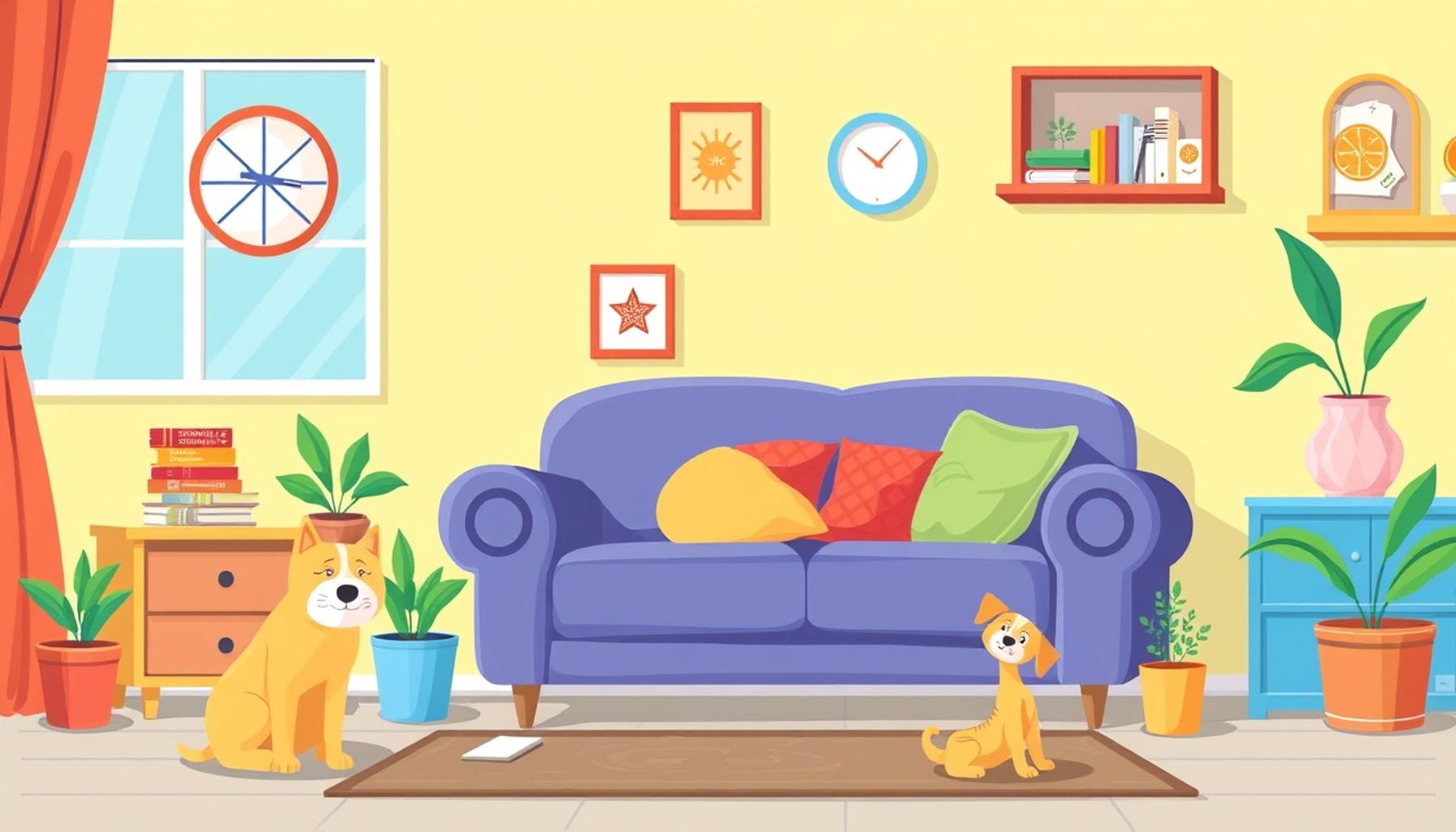
Preparing Your Home for a New Furry Friend
Welcoming a new pet into your home can be one of life’s most fulfilling experiences. Not only does it introduce joy and companionship into your family, but it also gives a deserving animal a second chance at happiness. However, before a wagging tail or purring presence brightens your home, it’s crucial to prepare thoughtfully to ensure a smooth transition for both your family and your new friend.
Understand Your Pet’s Needs
Each species—and indeed, each individual pet—has unique requirements. For instance, dogs may need sufficient exercise and love engaging in activities like fetch or agility training, while cats might appreciate high perches and scratch posts for their comfort. It’s essential to research the specific breeds or species you are considering. For example, larger dog breeds often require more space and daily activity compared to smaller breeds, which might thrive better in compact living spaces.
Pet-Proof Your Home
Before your new furry friend arrives, it’s imperative to pet-proof your home to ensure their safety. This includes identifying potential hazards such as toxic plants like lilies and philodendrons, which can be harmful to pets, as well as securing electrical cords that could be chewed on. You should also check for small objects on the floor that could be swallowed or choked on, and create a safe space free from anything that could injure your pet, such as sharp corners or heavy furniture that could topple over.
Gather Essential Supplies
Preparation is key, and having your own supplies ready will ease the adjustment period for your new companion. Essentials include food and water bowls, a comfortable bed, toys for stimulation, a leash and collar for walks, and appropriate food tailored to your pet’s needs. Don’t forget to stock up on grooming tools if you’re adopting a long-haired breed. Consider also purchasing a pet carrier to ensure a safe travel experience to vet appointments or day trips.
Through thoughtful preparation, you can create a safe and loving environment that sets the stage for a rewarding relationship with your new pet. Understanding their needs, securing your home, and providing essential supplies not only fosters a sense of security but also paves the way for cherished memories together. As you embark on this journey, know that it takes time to build trust and companionship, so be patient and enjoy every moment as you welcome your new friend into the family.

Creating a Welcoming Environment for Your Adopted Pet
Once you have decided to adopt a furry companion, the excitement builds, but so should your preparations. To ensure a harmonious transition that will set the stage for a lasting bond, it’s essential to transform your living space into a pet-friendly haven. Here’s how to get started.
Designate a Safe Space
Your new pet will need a secure area where they can acclimate to their new environment. This space should be quiet, away from the hustle and bustle of daily life, and stocked with their essentials. Choose a corner of a room or a small room where you can establish an inviting pet zone. Include the following items in this area:
- Pet Bed: A comfortable bed provides your pet with a cozy place to rest.
- Toys: Provide a mix of toys that cater to your pet’s play style, whether it’s chewing, fetching, or interactive puzzles.
- Food and Water Bowls: Set up a designated area for meals to help your pet learn where they can eat and drink.
- Litter Box or Outdoor Access: For cats, a litter box must be easily accessible, while dogs should have access to outdoor space for bathroom needs.
Secure Your Space for Safety
Aside from physical comfort, ensuring your home is safe is vital. Pets are naturally curious creatures, often getting into things they shouldn’t. Here’s a checklist to help you with the process of pet-proofing:
- Lock away toxic substances: Store cleaning supplies, medications, and certain foods (like chocolate and grapes) safely out of reach.
- Cover electrical cords: Use cord protectors or hide them to minimize the risk of chewing.
- Secure heavy items: Ensure that bookshelves, picture frames, and other decorative items are stable and won’t easily topple over.
- Remove choking hazards: Go through your home and pick up small objects that could pose a choking threat, like coins or small toys.
Create a Routine
Establishing a routine is crucial for your new pet, as it helps them feel secure during the adjustment period. Start by planning a daily schedule that includes:
- Feeding times: Consistent meal times will help regulate your pet’s digestive system.
- Exercise sessions: Regular walks for dogs or playtime for cats will keep them physically active and mentally stimulated.
- Training sessions: Short training intervals can aid in building discipline and strengthening the bond between you and your pet.
By focusing on these key areas—designating a safe space, securing your home, and creating a routine—you are not only preparing your house, but you are also laying the groundwork for a loving and trusting relationship. With time, patience, and diligence, both your family and your new pet can feel comfortable and at home together.
Creating a Safe and Inviting Space
When you decide to welcome an adopted pet into your home, it’s crucial to establish an environment that prioritizes their safety and comfort. Begin by ensuring that your living space is pet-proofed. This includes removing any hazardous materials, securing loose wires, and storing away toxic plants. It’s essential to create spaces where your new furry friend can feel secure, particularly during their initial adjustment period. Consider designating a quiet room with a soft bed, toys, and fresh water to help them acclimate peacefully.Additionally, familiarizing your home with pet-friendly items can greatly benefit both you and your new companion. For instance, using non-slip rugs can help prevent slips during play. Introducing chew-proof furnishings ensures that your beloved pet doesn’t unintentionally destroy your belongings while satisfying their urge to chew. Another vital aspect is establishing boundaries within your home. Utilizing baby gates can help restrict access to certain areas, allowing your pet to learn their new environment gradually. Make sure to provide clear cues and consistent guidelines, which can significantly ease the transition for your adopted pet.In parallel to functional adjustments, consider how your family interacts with the new pet. Encourage positive introductions among family members, facilitating gentle approaches and loads of gentle affection. Understanding body language can also empower everyone to recognize when the pet is feeling overwhelmed or anxious. Lastly, don’t forget to set up a cozy place for your pet to enjoy their meals, ensuring that food and water dishes are in a quiet, low-traffic area to foster a sense of peace during meal times. All of these adjustments not only create a harmonious living space but also demonstrate your commitment to providing a nurturing environment for your newly adopted pet.
Preparing for Routine and Care
Establishing a routine is paramount when welcoming an adopted pet into your family. Pets thrive on predictability, so integrating feeding, playtime, and bathroom schedules can significantly ease their transition. Early on, plan a visit to the vet for a health checkup and vaccinations. Discuss appropriate diets tailored for your pet’s specific needs, and inquire about preventive care that includes flea and tick treatments.Designate a walking and play schedule to ensure adequate physical activity. Whether it’s engaging with toys, outdoor walks, or training sessions, dedicating time to play enhances both your bond and your pet’s physical well-being. Training basics, such as sit, stay, and potty training, should be introduced gently and consistently, which not only improves behavior but also shapes a sense of security.Remember, preparing your home is about building a foundation of trust and comfort. The love and care you provide will enable your adopted pet to flourish, transforming your relationship into one filled with joy, companionship, and lasting happiness.
Essential Supplies for Your New Companion
As you eagerly await the arrival of your adopted pet, stocking up on essential supplies is a critical part of your preparation. A well-equipped owner is better positioned to meet their new companion’s needs and contribute to their overall well-being. Here’s a detailed guide on what you’ll need.
Food and Nutrition
The foundation of your pet’s health begins with proper nutrition. It’s important to select high-quality food that suits your pet’s age, size, and dietary needs. Before bringing your new friend home, consider the following:
- Consult a Veterinarian: If possible, obtain dietary recommendations from a vet. This is particularly important if you are adopting an animal with special dietary requirements or health concerns.
- Choose the Right Food: Invest in food specifically formulated for your pet’s species. For dogs, factors such as breed size and age will determine the best food option. For cats, ensure that the food supports their nutritional needs, as they are obligate carnivores.
- Create a Transition Plan: If you plan to switch your new pet’s food, do so gradually to avoid digestive upset. Mix increasing amounts of the new food with the previous one over several days.
Health and Hygiene Supplies
Maintaining your pet’s health and hygiene is another cornerstone of responsible ownership. Prepare yourself with these indispensable supplies:
- Veterinary Care: Schedule a vet appointment shortly after adoption. This check-up will assess your pet’s health status, vaccinations, and any parasite treatments needed.
- Grooming Tools: Depending on your pet’s coat type, grooming supplies such as brushes, clippers, and nail clippers are essential for maintaining cleanliness.
- Identification Tags: Invest in a collar with an ID tag that includes your pet’s name and your contact information. This can be a lifesaver if they happen to wander off.
Engagement and Enrichment
To foster a stimulating environment that satisfies your pet’s physical and mental needs, engagement is key. Here are ways to introduce enrichment into your new pet’s life:
- Interactive Toys: Toys that challenge your pet mentally, such as puzzle feeders or treat-dispensing toys, can reduce boredom and destructive behavior.
- Scratch Posts and Climbing Structures: For feline friends, creating vertical spaces and providing scratching posts can keep them entertained while satisfying their natural instincts.
- Socialization Opportunities: Regular exposure to different environments, people, and other animals can help your new pet develop confidence and reduce anxiety.
Preparing for the arrival of an adopted pet demands thorough consideration of their basic needs, health, and opportunities for engagement. By investing your time and resources into these essential supplies and ensuring their well-being, you are setting the stage for a loving relationship that will flourish as both of you navigate the rewards and challenges of pet parenthood together.
Conclusion: Embrace the Journey of Pet Parenthood
Bringing an adopted pet into your home is an enriching journey that requires far more than just love and attention. As you prepare for this new chapter, remember that your comprehensive plan must encompass essential supplies, proactive healthcare considerations, and stimulating enrichment opportunities that cater to your pet’s unique needs.
In addition to the highlight on nutrition and hygiene, consider the importance of creating a safe and welcoming environment. Evaluate your living space for potential hazards and make necessary adjustments to provide a secure haven for your new furry friend. This may include pet-proofing areas with dangerous items, ensuring that your home is equipped with comfortable resting places, and reducing exposure to toxic plants and cleaning agents.
Moreover, don’t underestimate the power of building a strong bond through consistent routines and positive reinforcement. Establishing boundaries and training routines early on will facilitate a smoother transition for both you and your new companion.
Lastly, engage with your local community, whether through pet-friendly events, training classes, or support groups. This not only enriches your pet’s socialization skills but also enhances your experience as a pet owner. The adventure of pet adoption is not merely about welcoming an animal into your home; it’s about creating a fulfilling relationship that brings joy to both you and your new furry family member.
By thoughtfully preparing your home and mind for the adventure ahead, you’re not just readying the physical space— you’re laying the groundwork for a lifelong bond filled with love, companionship, and countless cherished moments.