
Financial Minimalism: How to Let Go of Extraneous Spending and Improve Your Financial Health
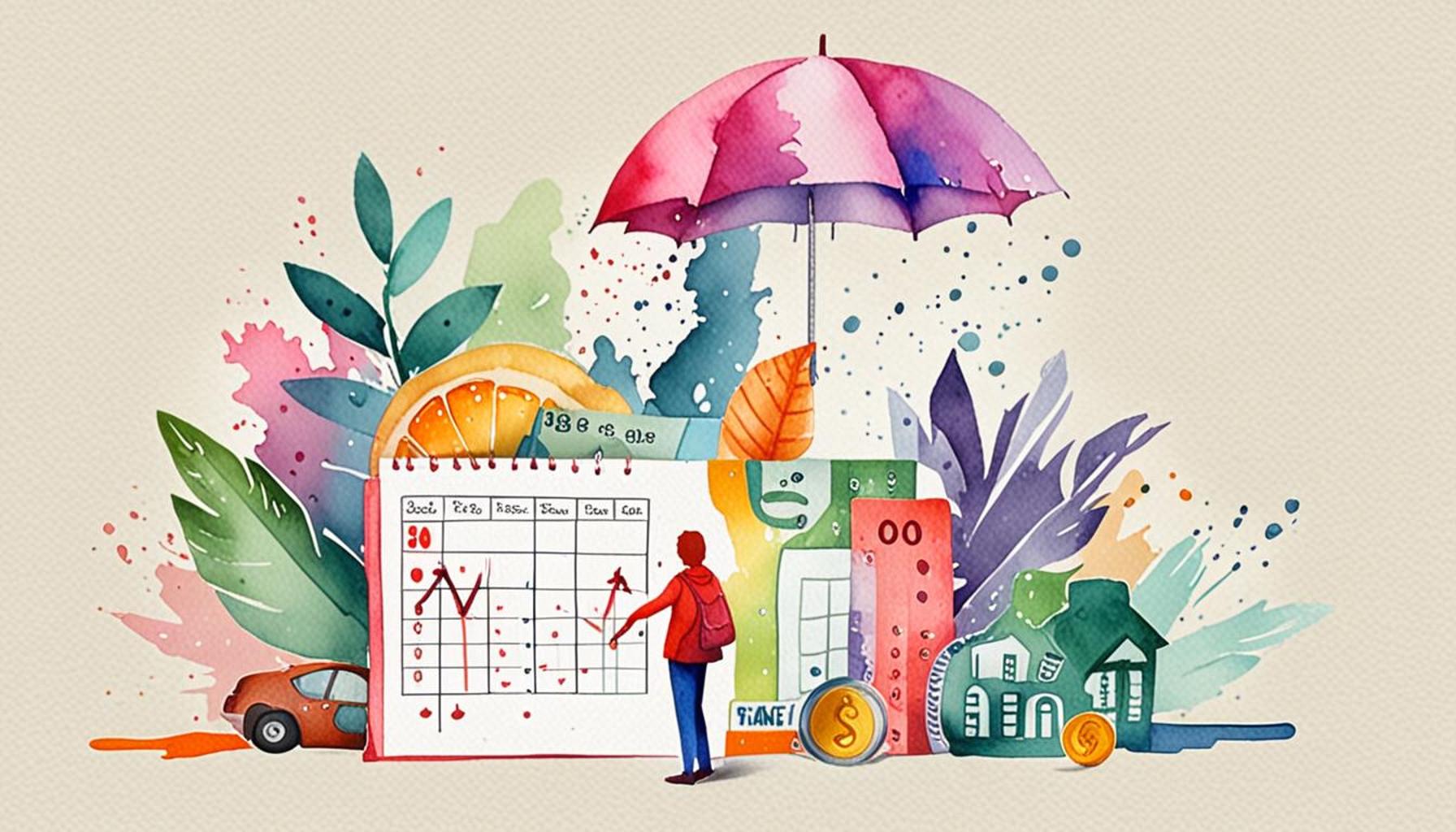
Transforming Your Financial Landscape
In a world overwhelmed by consumerism, financial minimalism emerges as a refreshing solution to regain control over your finances. Many people in Nigeria face enticing advertisements and cultural pressures that encourage extraneous spending. This often leads to financial strain, leaving individuals wondering where their hard-earned money disappears. For instance, social media influencers showcasing luxury lifestyles can prominently influence consumers, leading them to prioritize appearances over financial health.
Understanding the principles of financial minimalism can pave the way towards improved financial health. Here’s why adopting this approach might be the key to unlocking your financial potential:
- Reduced Financial Stress: Less spending means fewer worries about debt and monthly bills. Studies have shown that the psychological burden of debt can significantly affect individual well-being. By consciously choosing to cut back on non-essential items, you can free your mind from the constant cycle of financial anxiety.
- Increased Savings: Focusing on necessities helps allocate funds toward savings and investments. In Nigeria, a country where many seek to build wealth, directing a portion of your income towards savings can help in accumulating capital for future endeavors, whether it’s starting a business or providing for emergencies.
- Better Decision Making: With fewer choices, decisions become more intentional and aligned with your goals. Embracing financial minimalism encourages individuals to be discerning about their purchases, which can lead to significant improvements in financial discipline and clarity about personal values.
By learning how to let go of unnecessary expenses, you can create a budget that nurtures your future instead of depleting it. For example, many Nigerians have started simplifying their finances through small yet significant lifestyle changes, such as meal prepping to avoid dining out frequently or evaluating their utility usage to decrease monthly costs. These changes not only positively impact their bank accounts but also foster a more mindful approach to their consumption habits.
Curious about how to embark on this journey? Engaging with community groups focused on financial education in Nigeria, participating in workshops, or utilizing online resources can provide valuable insights. In the following sections, we will explore practical strategies and tips to help you embrace financial minimalism and build a healthier financial future. Through informed decisions and conscious living, you can transform your financial landscape into one that is secure and fulfilling.
RECOMMENDED: Check out this similar article

Identifying and Cutting Extraneous Spending
To effectively embrace financial minimalism, it is crucial to first identify what constitutes extraneous spending in your life. Many Nigerians often find themselves trapped in a cycle of unnecessary expenditures, driven by societal expectations and the allure of trendy brands. The first step towards achieving a healthier financial outlook is developing a keen awareness of your spending habits.
One common pitfall is impulse buying, which can easily derail budgets and financial plans. This is particularly prevalent in the age of social media, where advertisements and influencer endorsements can create a false sense of necessity. To counteract this, it may be beneficial to employ tracking methods for your expenses. A simple application or even a journal can help in monitoring every naira spent. This transparent overview can illuminate patterns, allowing individuals to recognize areas of waste.
- Dine out less: Take a closer look at your dining habits. Eating out can significantly impact monthly budgets. For example, making conscious choices like cooking at home or meal prepping can not only save money but also promote healthier eating habits.
- Evaluate subscriptions: Many people in Nigeria often forget that a plethora of subscription services slowly siphon money from their accounts. Be it streaming services, magazines, or gym memberships—assess each subscription and ask whether it is adding real value to your life.
- Resist ‘keeping up’ with peers: The desire to match friends’ lifestyles can lead to financially strained decisions. Practicing restraint and understanding your financial position can create a buffer against societal pressures.
- Buy second-hand or bargain: The stigma of purchasing second-hand items is fading in Nigeria. Explore markets or online platforms that offer pre-loved goods at significantly reduced prices—this can lead to substantial savings while still acquiring quality items.
By consciously evaluating these common expenses, you can begin to reallocate your financial resources towards more valuable pursuits, such as savings or investments. Many Nigerians have found success after challenging their value systems surrounding money, recognizing that true wealth lies not in excessive spending, but in financial security and stability. The idea is to embrace financial minimalism not only as an aspirational concept but as a viable lifestyle choice that yields long-term benefits.
The journey to minimalistic spending also involves a mindset shift. It may be helpful to ask yourself: “Do I need this or do I want this?” Developing this simple habit of introspection can significantly reduce urges to overspend. Furthermore, engaging in community discussions centered around financial literacy can bolster your understanding of personal finance while expanding your network of support.
In the subsequent sections, we will delve deeper into practical strategies to maintain this newfound minimalism, guiding you towards a financially sustainable future that prioritizes well-being and growth over ephemeral luxuries.
| Advantage | Description |
|---|---|
| Enhanced Savings | By focusing on financial minimalism, individuals can channel their resources into savings, significantly improving their ability to build an emergency fund or invest. |
| Improved Financial Awareness | Adopting this mindset encourages a deeper understanding of spending habits, leading to informed decisions that promote financial health and reduce wasteful expenditure. |
As you dive deeper into the essence of financial minimalism, consider how it empowers you to identify and prioritize your true financial needs versus wants. By eliminating unnecessary expenses, you not only improve your financial health but also create a mindset geared toward sustainability. Whether it’s opting for a less expensive lifestyle or making conscious choices that reflect your values, embracing minimalism can lead to a more fulfilling and financially secure future.
Moreover, financial minimalism encourages the reevaluation of your financial goals. Setting clear, achievable objectives enhances motivation and provides a structured path toward achieving financial independence. This practice turns the abstract idea of financial wellness into tangible steps that you can incorporate into daily life, ensuring that your spending aligns with your long-term aspirations.
YOU MAY ALSO LIKE: Read read another article
Embracing Conscious Spending
After identifying and cutting extraneous spending, the next essential step in your journey towards financial minimalism is embracing conscious spending. This concept revolves around making intentional financial choices that align with your values and long-term goals, rather than succumbing to immediate desires. For many Nigerians, shifting from a mindset of want to need can be transformational.
To adopt conscious spending, start by creating a personal budget that reflects your priorities. Allocating funds for necessities such as housing, utilities, and transportation is vital, but be sure to include areas that contribute to your well-being, like savings and investments. For instance, you might consider setting aside a specific amount each month for an emergency fund—this practice not only fosters financial security but reduces the need for panic purchases during unexpected expenses. Research shows that having an emergency fund might mitigate the dread of unforeseen financial turmoil, which often leads to impulsive spending.
- Involve yourself in meaningful discussions: Engage with local communities or online forums discussing financial literacy and minimalism. Sharing experiences or strategies can provide you with new perspectives and reinforce your commitment to conscious spending.
- Practice delayed gratification: Instead of making instant purchases, implement a waiting period. By giving yourself 24 hours (or even a week) to contemplate the purchase, you may find that your urgency dissipates, allowing for more thoughtful decision-making.
- Focus on quality over quantity: Generally, it is better to invest in fewer high-quality items that last longer than to buy numerous low-quality products that wear out quickly. In fashion, for example, consider saving up for a single, reputable piece rather than purchasing multiple fast-fashion items that deplete your budget and contribute to environmental harm.
Moreover, consider reevaluating your relationship with brand loyalty. In Nigeria, established brands may often come with a hefty price tag, but alternative local brands can offer quality at a fraction of the cost without compromising on ethics. Understanding that personal value extends beyond branding can lead to significant savings in the long run.
Furthermore, digital tools can assist in adopting conscious spending habits. Financial applications that generate insights into your spending can make it easier to see where your money is going. Some popular apps may even enable you to visualize your progress toward financial goals, allowing for positive reinforcement that ties into your journey toward financial minimalism.
As you cultivate this new approach to spending, take the time to reflect on what you truly value. Consider investing in experiences over material possessions—these often bring more joy and lasting fulfillment. Traveling, for instance, allows you to accumulate experiences, memories, and skills that enrich your life without the clutter that material goods can bring.
Ultimately, embracing conscious spending is about shifting your focus from merely surviving to thriving. With awareness, intentionality, and support, you can reshape your relationship with money, leading to not just improved financial health, but a greater sense of overall satisfaction.
CHECK OUT: Click here to explore more
Conclusion: Transforming Your Financial Life through Minimalism
In an era where consumerism often reigns supreme, financial minimalism offers a refreshing approach to managing your finances with intention and purpose. By letting go of extraneous spending, you not only free your mind from financial burdens but also create a pathway to greater financial health and personal fulfillment.
The journey toward financial minimalism begins with self-awareness: recognize your spending habits and identify areas where excess can be trimmed. By adopting conscious spending practices, such as creating a detailed budget, investing in quality over quantity, and practicing delayed gratification, you lay the foundation for a financially secure future. These steps empower you to make informed decisions that resonate with your true values instead of fleeting desires.
Moreover, leveraging digital tools enhances your ability to track spending and monitor progress toward financial goals. Engaging with local or online communities can further reinforce your commitment and foster a sense of accountability as you navigate this new financial landscape.
As you embrace financial minimalism, consider the enriching experiences over material possessions. The joy derived from travel, learning, and meaningful relationships far outweighs the temporary satisfaction from impulsive purchases. This perspective shift not only aids in achieving financial stability but also cultivates a more fulfilling life beyond fiscal constraints.
Ultimately, the practice of financial minimalism is your ticket to a more balanced lifestyle, one that prioritizes your long-term aspirations rather than the weight of temporary wants. Empower yourself to thrive in your financial journey, and you may discover that simplicity leads to a richer, more rewarding existence.