
Common Foods That Are Toxic to Dogs and Cats: What to Avoid
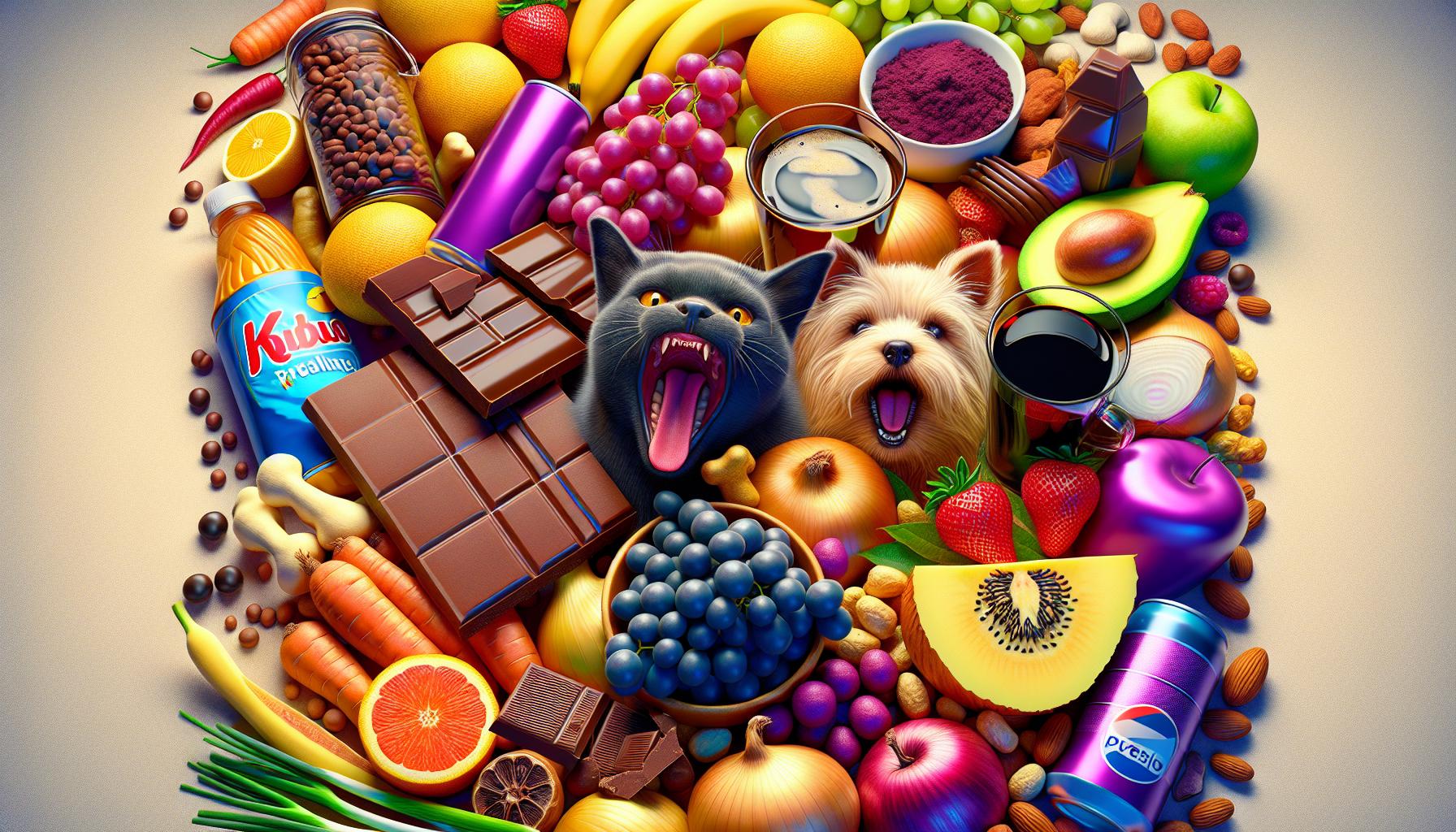
Common Foods That Endanger Your Pets
Every pet owner knows the joy of sharing a meal with their furry companions. However, some foods that may be harmless to humans can be dangerous or even fatal for dogs and cats. Understanding which items are toxic is essential for keeping your beloved pets healthy. Let’s explore the dangers lurking in your kitchen and the critical information you need to protect your pets.
Many common household foods pose hidden risks that every pet owner should be aware of. Among the most notorious are:
- Chocolate: Contains theobromine, a compound that is toxic to dogs and cats. Smaller breeds can be particularly vulnerable, with even a few ounces leading to symptoms ranging from vomiting and diarrhea to seizures and, in severe cases, death. Dark chocolate and baking chocolate are especially dangerous due to their higher theobromine content.
- Onions and Garlic: These staples of many cuisines can damage your pet’s red blood cells, leading to anemia. Both raw and cooked forms can be harmful, and it doesn’t take much to trigger a reaction. For dogs, even small amounts can cause serious health risks, making it crucial to avoid any dishes containing these ingredients.
- Grapes and Raisins: Though often seen as a healthy snack for humans, grapes and raisins are notorious for causing severe kidney failure in dogs. The exact mechanism is still unclear, and even a small amount can lead to devastating consequences, which makes it essential to keep these foods out of reach.
- Avocado: Contains persin, which can be harmful to certain animals, especially birds and large quantities for dogs. While small amounts may not pose significant risks for dogs, it’s better to err on the side of caution and eliminate avocados from your pet’s diet entirely.
- Alcohol: Even small amounts can lead to severe poisoning in pets. Symptoms including disorientation, gastrointestinal distress, and respiratory failure can occur swiftly. This includes cooking products with high alcohol concentrations, which should never be given to pets.
It’s not just the food scraps from dinner tables that pet owners need to watch out for; some ingredients in common human food products can also pose a threat. For instance, many foods labeled as “safe” for humans might contain additives or sugar substitutes like xylitol, which is extremely toxic to dogs and can lead to liver failure.
Awareness and education about these risks are the first steps toward ensuring the safety and well-being of your pets. Each year, veterinarians report numerous cases of pet poisoning caused by household items that seem harmless to us. By staying informed and minimizing your pet’s exposure to these hazardous foods, you can significantly reduce their risk of serious health issues. Always remember to consult with your veterinarian if you suspect your pet has ingested something harmful.
As a responsible pet owner, the power resides in your hands to protect your beloved companions. It’s essential to stay vigilant and proactive when it comes to their dietary safety. Explore this topic further and dive deeper into the specifics of pet nutrition to ensure a long, healthy life for your furry friends.
DIVE DEEPER: Click here to discover more
Unveiling the Hidden Dangers in Your Pantry
While it might seem harmless to share a little of your meal with your pet, many common foods can be dangerously toxic to dogs and cats. Understanding the implications of these seemingly benign ingredients is fundamental to your pet’s health. Let’s delve deeper into some of the most critical food items to steer clear of in your home.
The Sweet Danger: Xylitol
One of the most dangerous substances lurking in many households is xylitol, a sugar substitute found in a variety of products, including sugar-free gum, candies, and even some baking goods. This compound is highly toxic to dogs, leading to a rapid release of insulin that can cause hypoglycemia (low blood sugar) within minutes. Symptoms may include vomiting, lethargy, and in severe cases, seizures and liver failure. It’s prudent to always read ingredient labels to avoid accidentally exposing your pets to this hazardous additive.
Common Fruits with Bitter Consequences
Fruits like cherries and citrus fruits can also pose a risk to your pets. While a small bite of one may not send them to the vet, cherries contain cyanide-like properties in their pits and stems, which are harmful if ingested in larger amounts. Likewise, the citric acid found in lemons and limes can lead to gastrointestinal upset in both dogs and cats, causing symptoms such as vomiting and diarrhea.
Beware of the Nutty Dilemma
Not all nuts are friendly to our furry friends. For instance, macadamia nuts are well-known for their toxicity in dogs, leading to symptoms like weakness, tremors, and hyperthermia. Even small amounts can lead to significant health issues. Other nuts, such as walnuts and pecans, may also cause digestive distress, making it best to steer clear of all nuts when it comes to feeding your pets.
Fiber Gone Wrong: The Dangers of Raw Bread Dough
Another lesser-known danger in the kitchen is raw bread dough, which pets might find irresistible. If consumed, the yeast in the dough can expand in your pet’s stomach, leading to a condition called gastrointestinal bloat. This can cause severe discomfort and potentially lead to life-threatening torsion (twisting of the stomach). Always ensure that your baking ingredients, especially doughs, are kept out of your pets’ reach.
Too Much of a Good Thing: Fatty Foods
Lastly, many pet owners underestimate the danger posed by fatty foods, such as greasy table scraps or excess butter. Foods high in fat can lead to pancreatitis in both cats and dogs, which is a painful and serious condition requiring medical attention. Symptoms may include vomiting, diarrhea, and abdominal pain. Moderation is key, and it’s best to keep these types of foods as far from your pet’s diet as possible.
Staying informed about the hidden dangers within our kitchens is essential for every pet owner. By recognizing and understanding these common toxic foods, we can create a safer environment for our beloved companions, ensuring they lead long, healthy lives. Keeping vigilance and acting quickly in case of potential poisoning play vital roles in your pet’s safety.
| Common Foods | Why They’re Toxic |
|---|---|
| Chocolate | Contains theobromine and caffeine, which can cause heart problems and seizures. |
| Onions and Garlic | Can destroy red blood cells, leading to anemia and gastrointestinal upset. |
| Grapes and Raisins | May cause acute kidney failure even in small amounts. |
| Xylitol (artificial sweetener) | Can lead to insulin release, resulting in hypoglycemia. |
| Avocado | Contains persin, which can cause respiratory issues and fluid accumulation. |
Understanding the specific foods that can be dangerous for our canine and feline companions is crucial to ensuring their health and safety. Many pet owners are unaware that everyday human foods like chocolate and grapes can have potentially fatal consequences. By keeping a diligent eye on what your pets consume, you can prevent dangerous situations before they arise. The impacts of toxic foods can vary in severity, with symptoms ranging from mild gastrointestinal distress to severe ailments requiring immediate veterinary attention. Investing time in learning about these foods not only protects your pets but also strengthens your bond with them through responsible care. It’s important to be informed and prepared—that way, your furry friends can enjoy a long and healthy life by your side.
DISCOVER MORE: Click here to learn about the importance of regular vet visits
More Foods to Watch Out For: The Hidden Dangers
As pet owners, keeping our furry companions safe means staying informed about the various food items that can pose health risks. Beyond the commonly mentioned toxic foods, there are several everyday ingredients and items that deserve attention. Let’s explore some additional culprits that should never grace your pet’s bowl.
Alcohol: A No-Go for Pets
It might seem absurd, but many pet owners may not realize that even small amounts of alcohol can be devastating for dogs and cats. This includes not just beverages but also products like uncooked bread dough, sauces, and even certain desserts that contain alcohol. The effects on pets can range from vomiting and disorientation to respiratory failures and even death. Given their smaller body sizes in comparison to humans, it takes far less alcohol to adversely affect their health. If you suspect your pet has ingested alcohol, immediate veterinary attention is crucial.
Caffeine: More Than Just a Morning Pick-Me-Up
Caffeine, commonly found in coffee, tea, and many sodas, is another stimulant that can be extremely harmful to pets. Dogs and cats lack the metabolism necessary to process caffeine efficiently, making them highly susceptible to its effects. Symptoms of caffeine ingestion can include rapid breathing, heart palpitations, muscle tremors, and in more severe cases, seizures. Just one or two grams of caffeine can potentially be lethal to dogs, particularly small breeds. Keeping your morning brew well out of reach is essential for their safety.
Onions and Garlic: Sneaky Health Risks
Onions and garlic belong to the allium family, and they can be particularly toxic to pets, especially dogs. Both contain compounds that can damage red blood cells, leading to a serious condition known as hemolytic anemia. Even small amounts, whether raw, cooked, or powdered, can cause harm. Symptoms may include weakness, lethargy, and even dark urine due to the breakdown of these cells. It may be surprising to find these staples well-loved in many households carry such risks, highlighting the need for pet owners to be cautious even with seemingly innocuous seasonings.
Chocolate: A Well-Known Villain
Most pet owners are aware that chocolate is dangerous for dogs and cats, yet it remains a leading cause of pet poisoning in the United States. The theobromine and caffeine present in chocolate can cause a range of symptoms, from vomiting and diarrhea to increased heart rate and seizures. Dark chocolate and baker’s chocolate contain the highest levels of theobromine and are therefore more hazardous than milk chocolate. Educating yourself on what chocolate products may be lingering in your pantry — especially during holidays or special occasions — is essential for keeping pets safe.
Avocados: A Surprising Hazard
Avocados may be a trendy health food for humans, but they contain a substance called persin, which can be toxic to pets, particularly dogs. This compound can lead to gastrointestinal distress and, in some cases, heart issues. While cats are less affected due to their metabolism, it’s prudent to avoid sharing this creamy fruit with your pets altogether. This highlights the importance of re-evaluating what we consider safe for our four-legged friends, especially with foods that may be harmless for us but dangerous for them.
With a better understanding of these unexpected hazards hiding in our pantries, pet owners can take proactive steps toward creating a safe environment. Knowledge is power, and by being vigilant, we can help protect our furry family members from unnecessary health dangers.
LEARN MORE: Click here for essential pet health tips
Conclusion: Safeguarding Our Furry Friends
In conclusion, the wellbeing of our beloved dogs and cats is squarely in our hands, and understanding the common foods that are toxic to them is essential for their health and safety. Not only do many of the items we typically enjoy pose significant risks to our pets, but their diminutive sizes amplify these dangers. From chocolate and alcohol to seemingly harmless ingredients like onions and garlic, a wide range of everyday foods can lead to serious health issues or even prove fatal.
As responsible pet owners, it’s our duty to stay informed about the potential threats lurking in our kitchens. Familiarizing ourselves with which foods to avoid can significantly reduce the risk of poisoning incidents. Moreover, adopting proactive strategies—such as careful meal planning, maintaining an organized pantry, and educating family members—can create a safer environment for our pets. Always have emergency contact information for your veterinarian at hand and consult them if you suspect your pet has ingested something harmful.
By prioritizing knowledge and vigilance, we can ensure that our pets lead healthy, happy lives free from the dangers of human foods. The responsibility lies not just in loving our pets but in protecting them from avoidable hazards. Together, let’s work toward fostering a world where our furry companions can thrive without fear of toxic food mishaps.