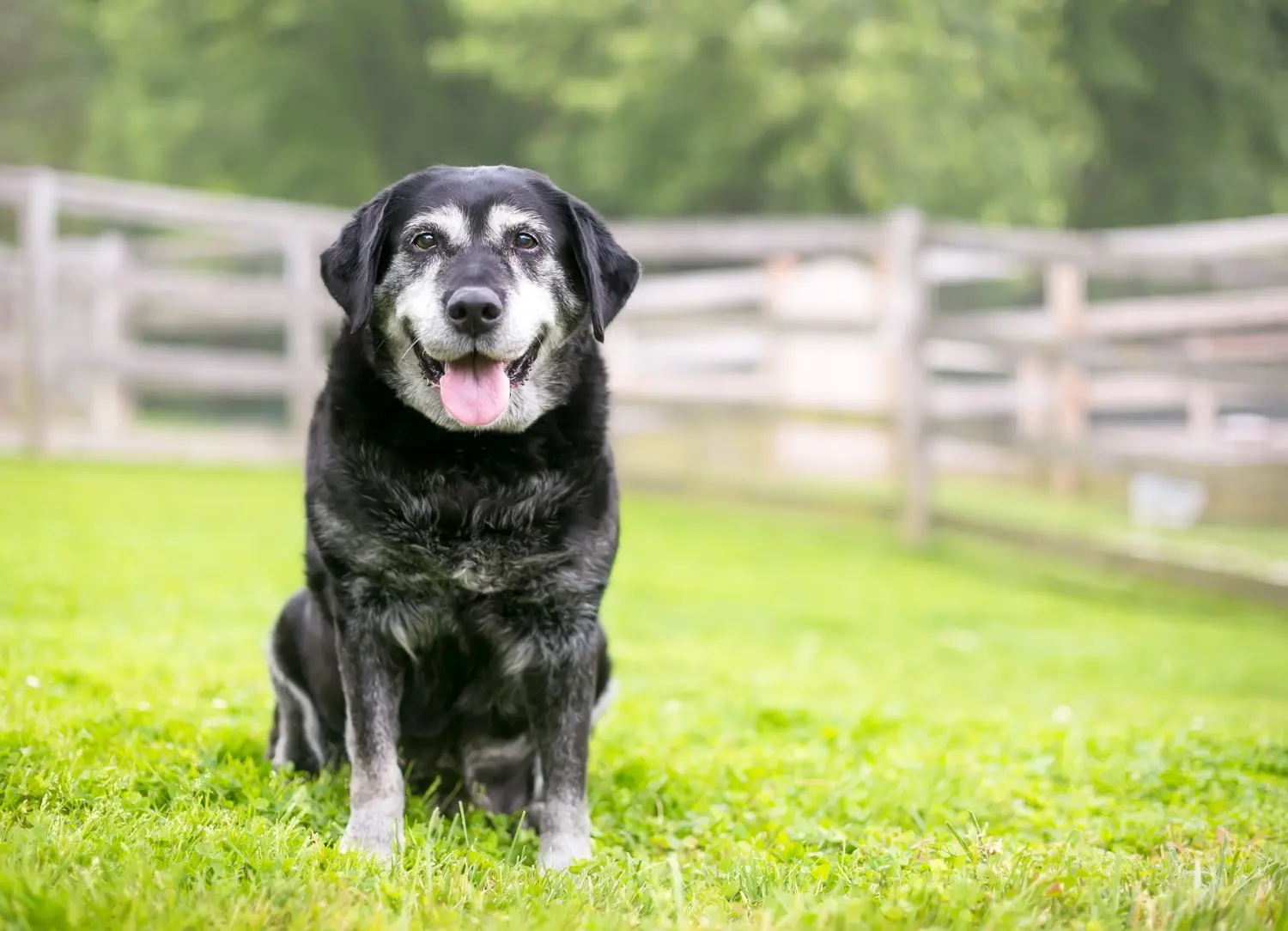
Coat Care: Tips to Keep Your Pet’s Fur Clean and Healthy

Importance of Pet Coat Care
Maintaining your pet’s coat is essential for their overall health and well-being. A clean and healthy fur not only enhances their appearance but also plays a significant role in preventing various skin issues, including irritations, infections, and allergies. Understanding effective coat care can make a substantial difference in your pet’s quality of life. Let’s delve into why coat care should not be overlooked.
Here are some key reasons to prioritize your pet’s coat care:
- Prevents Skin Problems: Regular grooming helps eliminate dirt, debris, and dead skin cells, creating a clean environment for your pet’s skin to breathe. For example, dogs that enjoy outdoor activities might pick up allergens or ticks, making consistent grooming imperative for their skin health.
- Reduces Shedding: Proper brushing can minimize the amount of fur scattered around your home, which is especially beneficial for those with allergies. Breeds known for heavy shedding, like Golden Retrievers, can particularly benefit from this routine, as it not only reduces hair fall but enhances the health of the coat itself.
- Strengthens Bond: Grooming sessions are not only practical but can also be a therapeutic experience for both pet and owner. These moments allow for bonding, where pets receive affection and attention, contributing to their emotional well-being.
Understanding Unique Coat Care Needs
Every pet has unique coat care needs influenced by factors such as breed, length of fur, and skin type. Tailoring your grooming routine to these aspects ensures optimum health for your furry friend. Here are some vital considerations:
- Brushing Frequency: Long-haired breeds, such as Persians or Afghan Hounds, may require daily grooming to prevent matting, while short-haired pets like Beagles might only need occasional brushes—about once a week—to keep their coat in tip-top shape.
- Bathing: Though it’s essential to keep your pet clean, over-bathing can strip essential oils from their skin. For most dogs, a bath every 4-6 weeks is sufficient, while cats typically require less frequent washing—roughly once every few months—depending on their lifestyle and coat type.
- Nail Trimming: While not directly related to fur care, regular nail trimming is just as crucial. Keeping your pet’s nails properly trimmed helps prevent discomfort during grooming and makes walking easier for them, reducing stress on their joints.
By adopting a tailored approach to coat care, you can ensure your pet feels comfortable and looks their best. Not only does consistent grooming keep their fur healthy, but it also enhances the bond that you share. Discover more effective techniques that fit your furry companion’s needs throughout this article, and invest in their happiness and health today.
DISCOVER MORE: Click here for insights on common health issues
Grooming Essentials for a Lustrous Coat
In the pursuit of clean and healthy fur, understanding the tools and techniques of grooming is paramount. Whether you own a dog, cat, or another furry companion, investing in the right grooming supplies can significantly enhance the effectiveness of your coat care routine. Here’s a breakdown of essential grooming tools and their purposes:
- Brushing Tools: The type of brush you should use depends on your pet’s coat type. For example, slicker brushes work wonders on long-haired breeds by detangling their fur effortlessly among the undercoat, while bristle brushes are perfect for short-haired pets to remove dirt and distribute natural oils.
- Comb: A good comb is essential for pets with long or curly coats, as it can help in removing knots or mats. Wide-tooth combs are best for detangling, while finer-toothed options help with smoothing out the coat.
- Bathing Products: Selecting the right shampoo is crucial for maintaining your pet’s skin health. Look for gentle, hypoallergenic options made without harsh chemicals. Additionally, consider using a conditioner to moisturize their skin and coat, particularly for breeds prone to dryness.
- Grooming Wipes: These convenient wipes can help keep your pet clean between baths. They’re particularly useful for cleaning dirty paws or wiping away debris from the fur without the need for a full bath.
- Shedding Tools: For seasonal shedding, investing in a shedding blade or de-shedding tool can be beneficial. These specially designed tools help reduce loose fur and ensure a thicker, healthier coat.
Once you have the right tools, creating a regular grooming routine is key to maintaining your pet’s coat. Establishing a schedule—whether daily, weekly, or bi-weekly—can help you stay consistent and allows the coat to remain healthy and free of mats. It’s also an opportunity to check for signs of skin issues or parasites that you may need to address.
Establishing a Positive Grooming Environment
Equally important as having the right tools is fostering a positive grooming experience for your pet. Many pets can be apprehensive about grooming, so ensuring a comfortable environment can ease their anxiety and make the process smoother. Here are some tips to create a stress-free grooming atmosphere:
- Start Slow: If your pet is new to grooming, introduce them to the process gradually. Begin with short sessions that focus on familiarization rather than full grooming, allowing them to associate grooming with a positive experience.
- Use Treats: Reward your pet with treats during and after grooming sessions to create a positive reinforcement cycle. This strategy can turn grooming into a much-anticipated bonding time rather than a chore.
- Choose Comfortable Spaces: Groom your pet in a quiet, comfortable place, like their favorite room or on a soft surface. If your pet feels secure in their environment, they are more likely to relax during grooming.
By selecting the right grooming tools and creating a positive grooming experience, you not only promote a clean and healthy coat but also enhance the emotional bond between you and your pet. Remember, your furry friend thrives on your attention, so leverage your grooming sessions to nurture both their coat and your relationship.
Continuing our exploration of effective coat care for your furry friends, let’s delve into specific grooming techniques, the importance of nutrition, and tips for maintaining a healthy environment.
Grooming Techniques
Regular grooming is essential for your pet’s coat health. Brushing your pet’s fur helps to remove dead hair and prevent matting, which can trap dirt and moisture leading to skin problems. For long-haired breeds, it’s recommended to brush several times a week, while short-haired breeds may only need grooming once a week. Different tools serve various purposes; for example, slicker brushes are great for detangling, whereas bristle brushes can smooth a short coat and distribute natural oils.
Bathing Your Pet
Bathing frequency varies among pets, but a good rule of thumb is to bathe your dog every 4-6 weeks. Use pet-specific shampoos that are free from harsh chemicals to avoid stripping the coat’s natural oils. Proper rinsing is critical, as leftover shampoo can irritate the skin. Additionally, consider using a conditioner designed for pets to keep their coats manageable and soft.
Nutrition Impact on Coat Health
A balanced diet plays a pivotal role in your pet’s coat health. Foods rich in omega-3 and omega-6 fatty acids contribute to a shiny and healthy coat. Quality proteins and vitamins also support hair growth and skin health. Look for pet food labeled with high-quality meat sources and consider supplements if your pet’s coat seems dull or flaky.
Environmental Considerations
Ensuring your pet’s environment is clean and free of allergens also contributes to coat health. Regularly vacuuming your home and washing your pet’s bedding can help eliminate dust mites and dander. If your pet spends time outdoors, washing their paws and coat after walks can remove pollen and dirt, further promoting a healthy coat.
By combining effective grooming techniques, a nutritious diet, and a clean living environment, you can help maintain a beautiful and healthy coat for your pet. These proactive steps not only enhance your pet’s appearance but also contribute to their overall well-being.
| Category | Benefits |
|---|---|
| Regular Grooming | Prevents matting and removes dead hair |
| Quality Nutrition | Supports shiny coat and skin health |
DISCOVER MORE: Click here for essential tips on finding the right vet for your furry friend
Understanding Your Pet’s Coat Needs
Each pet is unique, and just like their personality, their coat requires specific care tailored to their breed, lifestyle, and individual needs. Understanding these variables can make a significant difference in maintaining their fur health. Here are some factors to consider when developing your coat care regimen:
Coat Types and Their Care
Different breeds have distinct coat types that vary from silky and long, to short and wiry. Recognizing the specific characteristics of your furry companion’s coat is essential in providing appropriate care:
- Short-Haired Breeds: Breeds like Beagles or Boxers require less aggressive grooming but still benefit from regular brushing. Using a rubber grooming glove can effectively remove loose hair and distribute natural oils across the skin, enhancing their fur’s shine.
- Long-Haired Breeds: Breeds such as Golden Retrievers or Persians necessitate more frequent grooming sessions to prevent tangles and mats. It’s advisable to use a wide-toothed comb followed by a slicker brush to ensure thorough detangling.
- Curly and Wiry Coats: For breeds like Poodles or Wire Fox Terriers, specialized grooming tools, such as de-shedding combs, can help maintain their distinctive texture while minimizing shedding. Regular trimming or professional grooming may also be required to keep these coats in optimal condition.
By paying close attention to your pet’s coat type, you can select the right techniques and tools to keep their coat clean and healthy.
Seasonal Changes and Shedding
Seasonal shifts can significantly influence your pet’s coat needs. Many pets shed more during certain times of the year, requiring you to adjust your grooming routine accordingly. In the spring and fall, for instance, increased shedding may occur as pets transition to and from their winter coats. Here’s how to prepare:
- Regular De-shedding: During shedding seasons, invest time in frequent brushing sessions to remove loose hairs before they scatter around your home. This not only keeps your spaces cleaner but also prevents your pet from ingesting excess fur, which can lead to digestive issues.
- Hydration and Nutrition: Consider focusing on your pet’s diet during seasonal changes. Ensuring they stay well-hydrated and consume a balanced diet rich in omega fatty acids can promote a healthy coat and mitigate shedding.
Common Coat Problems and Solutions
Even with a solid grooming routine, pets can sometimes experience coat-related issues that require attention. Some of the most common problems include:
- Dandruff: If your pet appears to have dry, flaky skin, it may indicate a need for a moisturizing shampoo or dietary changes rich in essential fatty acids.
- Skin Irritations: Allergies to food, environmental factors, or grooming products can manifest as itchy skin or unusual patches in the coat. If you notice red spots or excessive scratching, consult your veterinarian for appropriate solutions.
- Mats and Tangles: For pets prone to matting, seek professional grooming help to avoid painful tangles that can lead to skin infections or discomfort.
By staying aware of the health of your pet’s coat and skin, you can proactively address any issues that arise. Don’t hesitate to consult your veterinarian or a professional groomer for tailored advice, particularly when entering new seasons or if your furry friend displays unusual changes in their coat.
In addition to grooming and hygiene, it’s crucial to maintain a close watch on your pet’s overall health; after all, a clean and healthy coat is often a reflection of their well-being. Engage regularly with your pet’s development, recognize any changes, and embrace your role as a loving caregiver focused on their grooming and health!
DISCOVER MORE: Click here to learn about pre-adoption resources
Conclusion
In summary, maintaining your pet’s coat is a vital aspect of their overall health and happiness. By understanding their specific coat care needs based on breed, type, and seasonal changes, you can develop an effective grooming routine tailored just for them. Regular brushing not only keeps their fur clean and free of tangles but also strengthens the bond between you and your furry friend.
Moreover, be vigilant for common coat problems such as dandruff and skin irritations. Awareness allows you to take proactive measures rather than waiting for issues to escalate. Remember that a shiny, healthy coat often reflects a well-cared-for pet, which highlights the importance of choosing the right grooming products and techniques that suit your pet’s unique needs.
Nutrition and hydration also play a crucial role in the health of your pet’s coat. Investing in a balanced diet enriched with omega fatty acids can make a noticeable difference, particularly during shedding seasons. Make it a habit to consult your veterinarian if you see any unusual changes in your pet’s behavior or coat condition; they are your best resource for tailored advice.
Ultimately, coat care reflects your dedication as a pet owner. Embrace grooming as an opportunity to show love and care for your four-legged companion, ensuring they not only look good but also feel their best. So pick up those grooming tools, and let the journey to a clean and healthy coat begin!