
The Influence of Breed-Specific Legislation on Pet Adoption Rates
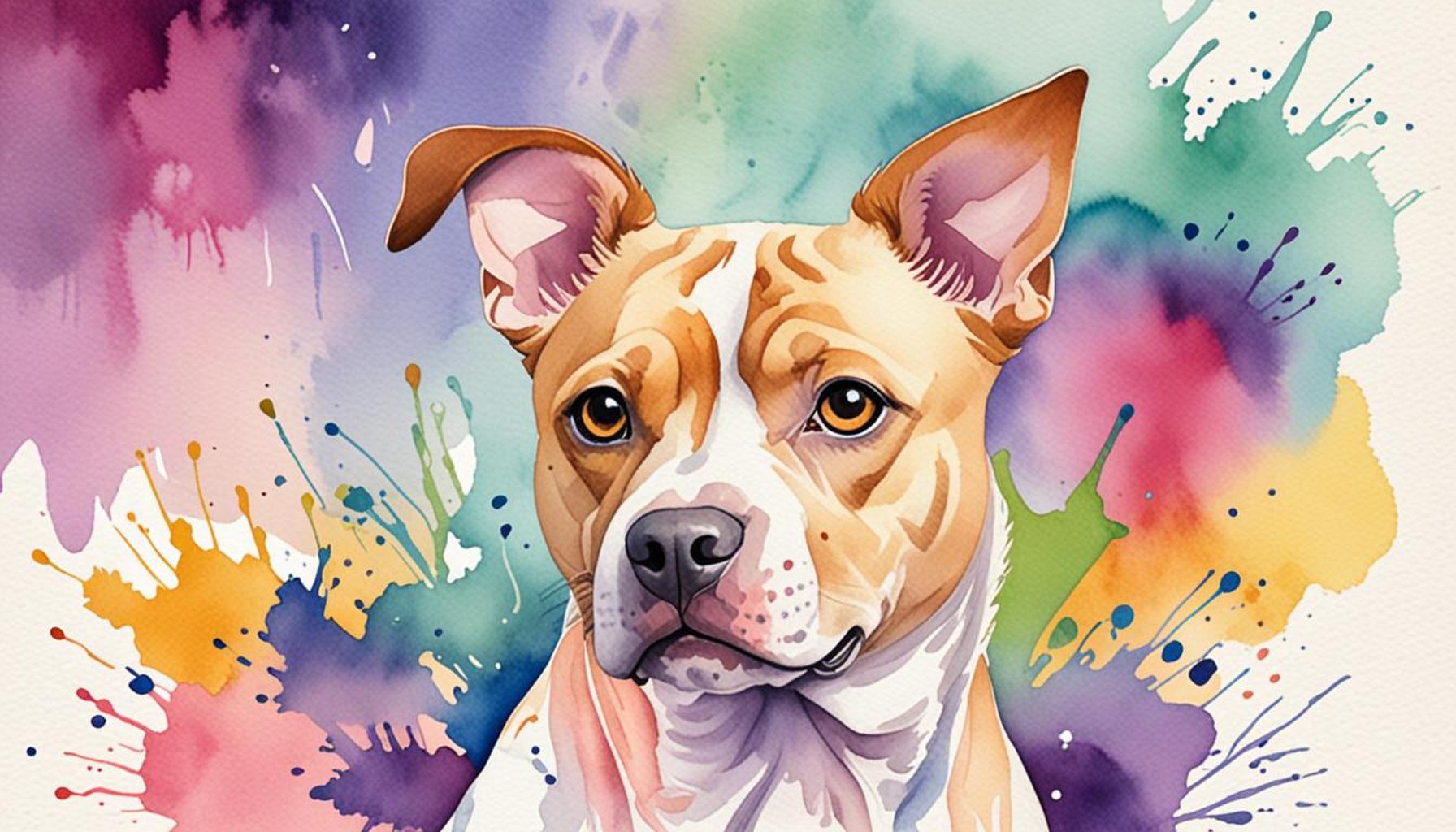
The Complex Relationship Between Legislation and Animal Adoption
In recent years, the controversial notion of breed-specific legislation (BSL) has provoked fervent discussions across the United States. Proponents of BSL assert that certain dog breeds, often labeled as “dangerous,” pose increased risks to public safety. As a consequence, this has led to a patchwork of regulations that significantly affect pet adoption rates and the overall treatment of these breeds in society.
The ramifications of BSL manifest in multiple ways, ultimately impacting both the animals and the communities that house them. For example:
- Increased shelter populations for specific breeds: Many animal shelters report a troubling overpopulation of certain breeds like Pit Bulls and Rottweilers, often due to increased intake rates from owners who can no longer keep them, fearing impending legislation.
- Decreased public perception of certain breeds as adoptable: Public sentiment largely shapes the perception of adoptable pets. Breeds targeted by BSL find it increasingly challenging to shed their negative images, which affects their visibility in adoption campaigns.
- Potential for discrimination against loving, well-behaved pets: Well-trained and socialized dogs overshadowed by these broad regulations may suffer undeserved stigma, leading to fewer adoption opportunities.
To illustrate, Pit Bulls and Rottweilers frequently face various limitations, including mandatory muzzling or outright bans in certain jurisdictions. For instance, in Miami-Dade County, Florida, it remains illegal to own a Pit Bull, leading to an increase in relinquishment rates and ultimately resulting in greater shelter numbers for these breeds. Moreover, even in jurisdictions without strict bans, potential adopters might opt for other breeds due to the ingrained perceptions perpetuated by BSL, thus extending their stay in shelters and increasing their vulnerability to euthanasia.
This complicated relationship between breed-specific legislation and pet adoption extends into the broader dialogue about animal welfare. Advocates argue that these laws do not address the underlying issues of irresponsible ownership or inadequate training. Reforms such as breed-neutral laws emphasize responsible pet ownership practices rather than targeting specific breeds. Organizations like the American Society for the Prevention of Cruelty to Animals (ASPCA) and Best Friends Animal Society work tirelessly to promote these changes, highlighting that a dog’s behavior is largely determined by its environment and upbringing, rather than its genetics alone.
By exploring the intricate ways in which BSL shapes the landscape of pet adoption, we can begin to understand its profound implications for animal welfare. The journey toward reforming these laws necessitates collaboration from local governments, shelters, and advocates to ensure all pets—regardless of their breed—have a fair chance at finding a loving home. A deeper understanding of BSL helps us appreciate how legislation influences the adoption rates of our furry companions and the critical role of public perception in shaping a more inclusive and compassionate approach to animal adoption.
DISCOVER MORE: Click here to learn about the benefits of socialization for pets
Understanding Breed-Specific Legislation and Its Impact on Adoption
Breed-specific legislation (BSL) often emerges as a quick solution to perceived threats posed by certain dog breeds. However, this approach can inadvertently create a complex challenge for animal shelters, pet rescue organizations, and potential adopters alike. According to the Humane Society of the United States, nearly 1 in 3 dogs in shelters across the country are identified as breeds targeted by BSL, especially those like Pit Bulls and Rottweilers, which face heightened scrutiny and stigma.
One major consequence of BSL is the increased number of specific breed dogs in animal shelters. Shelters often find themselves inundated with more Pit Bulls than they can accommodate, as legislation pushes responsible pet owners to relinquish their pets out of fear of penalties or confiscation. For instance, in Ontario, Canada, a province known for its strict BSL, the number of Pit Bulls in shelters surged by over 300% following the implementation of a breed ban in 2005. This reality compounds the already dire shelter overpopulation crisis, as space becomes increasingly limited.
Moreover, BSL has a significant impact on public perception. Many individuals harbor misconceptions about the temperament and behavior of certain breeds, influenced by media portrayals and societal narratives that paint them as inherently dangerous. The American Kennel Club highlights that public perception is a critical factor influencing adoption rates; breeds associated with aggression are less likely to be seen as adoptable, regardless of individual behavior. This bias does not only impact the specific breeds affected by BSL but also creates a ripple effect across all dogs in shelters, reducing their chances of finding a home.
Statistics reveal that dogs labeled as “dangerous” or “aggressive” often face longer wait times in shelters, leaving them vulnerable to euthanasia. For example, in cities with BSL, the adoption rate for Pit Bulls has been reported to be as low as 8%, compared to a nationwide average of over 30% for non-restricted breeds. Such statistics present a stark reality that correlates with the stigma enforced by breed-focused laws.
Furthermore, the psychological toll of BSL extends beyond mere numbers. Dogs with good temperaments and socialization skills may be overshadowed by the broad stroke of breed legislation. Those potential adopters seeking a family-friendly pet are often steered away from adopting a dog based on breed rather than individual behavior. This leads to the unfortunate circumstance where many well-behaved dogs remain in shelters indefinitely, begging for a second chance.
Addressing the roots of misinformation and fear surrounding specific breeds can pave the way for successful animal adoption initiatives. By promoting responsible ownership and emphasizing behavior over breed, lawmakers and advocates can work collaboratively to dismantle the barriers created by BSL. As we explore these implications further, it becomes evident that the landscape of pet adoption is intricately tied to how communities perceive and legislate dog ownership based on breed characteristics.
| Category | Details |
|---|---|
| Impact on Adoption Rates | Many regions that implement breed-specific legislation (BSL) often see a decline in pet adoption rates, particularly for the breeds targeted by such laws, as potential adopters are discouraged by regulations and stigma. |
| Misconceptions | Public misconceptions about certain breeds being inherently dangerous contribute to reduced adoption, leading to overcrowded shelters and increased euthanasia statistics. |
The discussion surrounding breed-specific legislation often leads individuals to overlook the welfare of dogs and the implications these laws have on adoption rates. Studies suggest that areas with such legislation frequently report a decrease in general pet adoption across various breeds. Potential adopters, wary of legal repercussions or societal judgment, may hesitate to adopt breeds such as Pit Bulls or Rottweilers, even if those individual animals are gentle and well-socialized. This not only affects the dogs that fall under these laws but also allows misconceptions to proliferate, contributing to a culture of fear rather than understanding and responsible pet ownership.Moreover, the legislative focus on breed as an indicator of behavior fuels stereotypes, making it difficult for breeds labeled as “dangerous” to find homes. As pressure mounts for shelters to accommodate dogs resulting from these misunderstandings, the urgency for systemic changes in public perception becomes clear. The need for educational programs promoting responsible pet ownership and debunking myths surrounding specific breeds could facilitate a shift in public attitudes, bolstering adoption rates and fostering more humane communities. Emphasizing the data indicating that dog behavior is primarily influenced by training and socialization rather than genetics can encourage potential adopters to become part of the solution rather than the problem.
DISCOVER MORE: Click here to learn about balanced nutrition for your pets
The Ripple Effect of Breed-Specific Legislation on Communities
The repercussions of breed-specific legislation extend beyond individual shelters and the animals within them, fundamentally altering the dynamics of entire communities. When laws highlight specific breeds as undesirable, they foster an environment of fear and misunderstanding, affecting community attitudes towards pet ownership and responsibility. Local governments often allocate resources to enforce BSL, directing attention away from broader issues such as irresponsible breeding practices and inadequate dog training.
Animals are not just companions; they often serve as emotional anchors for families. However, with BSL solidly rooted in legislation, numerous families are left without the possibility of adopting breeds they feel connected to, particularly those families who might thrive in a responsible ownership environment. The ASPCA has found that removing the stigma associated with certain breeds can increase adoption rates by as much as 30%, showing the potential for greater acceptance of these dogs when communities are educated on dog behavior.
Moreover, legislation driven by fear can lead to unintended consequences for responsible pet owners. Many who adopt dogs from targeted breeds find themselves navigating a minefield of discrimination, often facing scrutiny from neighbors and local authorities. This situation can discourage potential adopters, which is perpetuated through anecdotal experiences shared on social media platforms. As stories of breed bans and subsequent surrenders circulate, they serve to reinforce a negative perception of specific breeds, which in turn diminishes adoption rates further.
In addition to impacting direct adoption rates, BSL can stifle community engagement in animal welfare initiatives. Events like adoption fairs or community outreach programs often shy away from inviting certain breeds due to fear of backlash or controversy. However, when breeds like Pit Bulls and Doberman Pinschers are excluded from these events, valuable opportunities arise to educate and showcase the positive traits of these dogs, effectively slashing overall adoption numbers.
- Misunderstandings: The fear surrounding BSL leads to misunderstandings related to animal behavior, often overshadowing the importance of responsible ownership.
- Community Resources: Resources devoted to enforcing breed bans can detract from investments in more impactful animal welfare programs, such as spay and neuter initiatives.
- Long Wait Times: The psychological stigma of owning a banned breed means dogs often wait longer in shelters, which can increase stress and diminish their likelihood of being adopted.
Statistics from various communities illustrate the profound effect of BSL on shelter dynamics. For example, areas with strict BSL policies often report euthanasia rates at a staggering 50% for certain breeds. This high number is not reflective of the dogs’ behavior but rather a consequence of societal biases fueled by legislation. In contrast, communities that have repealed BSL have seen marked increases in adoptions, accompanied by successful educational initiatives centered on public safety and responsible dog ownership.
While breed-specific legislation may aim to protect communities, it often does the opposite by misunderstanding the root causes of dog aggression and behavioral issues. By shifting the conversation from breed to individual dog assessments, communities can foster a more inclusive environment for all dogs. Collaborative efforts among animal welfare organizations, law enforcement, and the community can shift the focus toward educational campaigns, promoting responsible pet ownership and dismantling the fears surrounding specific breeds.
LEARN MORE: Click here for essential tips!
Conclusion: Rethinking Breed-Specific Legislation
As discussed, the influence of breed-specific legislation (BSL) on pet adoption rates reveals a complex interplay between fear, misunderstanding, and community engagement. The legislation, which is ostensibly designed to enhance public safety, often counteracts those very goals by fostering an environment of stigma and discrimination toward certain breeds. This misguided approach leads to detrimental effects not only on the animals labeled as ‘dangerous,’ such as Pit Bulls and Doberman Pinschers, but also on entire communities that miss out on the potential companionship these animals can offer.
Statistical evidence indicates that communities that promote education over legislation see significant increases in adoption rates, which can rise as much as 30% when the stigma is removed and responsible ownership is emphasized. Moreover, the unfortunate reality of high euthanasia rates connected to BSL—sometimes soaring to 50% for specific breeds—serves as a stark reminder of the implications of such laws. Instead of addressing the root causes of dog aggression through wider community education and responsible pet ownership initiatives, BSL distracts from more effective solutions.
In conclusion, to foster positive changes in pet adoption rates, communities must reconsider their approach to dog breed legislation. Emphasizing educational campaigns focused on responsible ownership, creating inclusive community events, and engaging local shelters can significantly alter perceptions and ultimately save countless animals from unnecessary hardship. A shift in this direction not only benefits the dogs waiting for their forever homes but also enriches the lives of families eager to adopt a loyal companion.