
How to Teach Basic Commands to Cats: Myths and Truths

The Myths Surrounding Cat Training
Training cats is often seen as a formidable challenge, with many pet owners deterred by lingering myths that paint a picture of cats as inherently untrainable. Some commonly held beliefs suggest that cats are too aloof to learn commands or that they lack the interest necessary for training. However, these notions can mislead aspiring cat trainers and result in an underestimation of a feline’s capacity for learning.
Can Cats Really Learn Commands?
The truth is, cats can learn commands! Although they may not respond like dogs, many cats are entirely capable of understanding specific cues or commands, especially when these are presented in a positive, engaging way. For instance, many cat owners have successfully trained their pets to respond to commands like “sit,” “high five,” or even to come when called. Using a clicker—a small tool that makes a distinct sound as a reward marker—can greatly enhance the effectiveness of training sessions.
The Power of Positive Reinforcement
Another essential element to effective training is the technique of positive reinforcement. This involves rewarding desirable behaviors with treats, praise, or playtime, thereby associating the command with a positive outcome. For example, if a cat sits on command and is rewarded with a treat, it learns to associate that action with a reward and is more likely to repeat it in the future. Studies have shown that cats gravitate toward enjoyable experiences, proving that patience and a positive approach can yield effective results.
Age Matters, But It’s Not a Barrier
When considering training, it is critical to note that age matters. Younger cats often exhibit more eagerness and energy, making them quicker to grasp new commands. However, older cats are not beyond help; they can still learn and adapt to training through consistent reinforcement and engaging methods. For example, a ten-year-old cat may respond well to training if approached patiently, even after years of being set in its ways.
Empathy and Understanding: Key to Feline Training
To cut through the noise of entrenched myths, it is vital to adopt an empathetic approach that considers the unique behavior and psychology of each cat. Cats are inherently more independent creatures compared to dogs, and this independence is often misinterpreted as disinterest in training. Instead, it signals that the training methods employed must align with a cat’s natural instincts and preferences.
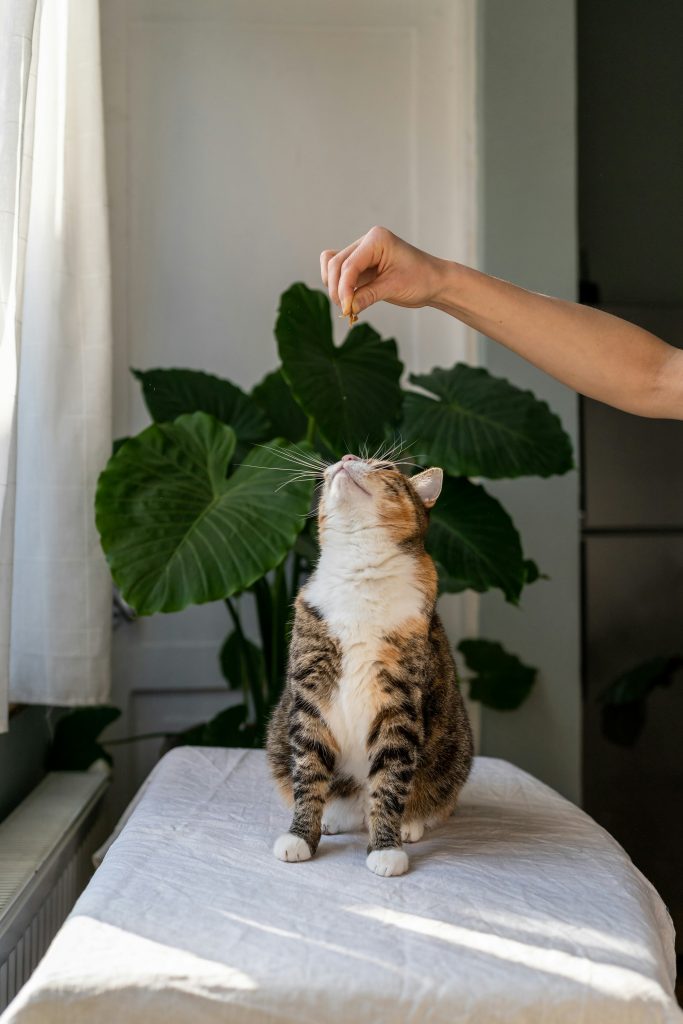
So what can you realistically achieve through cat training? Essential commands can strengthen the bond between you and your furry friend, enhancing communication and creating a more harmonious home environment. As you embark on this journey into feline training, remember that every cat is unique, and progress may vary, but with patience and consistent effort, you’ll find that even the most reluctant cat can respond positively to training.
In conclusion, the world of cat training is filled with possibilities waiting to be explored. By shedding myths and embracing effective strategies, you can cultivate a well-behaved feline companion who understands and responds to your commands. Are you ready to embark on this journey?
DISCOVER MORE: Click here to learn about the benefits of adoption services
Understanding the Basics of Cat Training
Before delving into the techniques of cat training, it is essential to grasp the fundamental principles that govern how cats learn. Contrary to popular belief, cats are not just free-spirited creatures resistant to learning. Instead, they possess a cognitive capacity that allows them to form associations between behaviors and outcomes. This process is much like that of dogs, although the methods of engagement may differ.
Setting the Right Environment for Training
One of the most crucial aspects of teaching basic commands to cats is creating an environment conducive to learning. Cats, known for their curiosity and sensory awareness, thrive in spaces where they feel safe and at ease. Designate a quiet area free from distractions—such as other pets, loud noises, or bustling activity—where you can conduct training sessions. A controlled environment allows your cat to focus better on the commands being taught.
Starting with Simple Commands
When initiating training, it’s recommended to begin with simple commands that can be easily demonstrated and understood. Here are a few examples to consider:
- “Sit”: Teaching a cat to sit is often one of the easiest commands to start with. By using a treat as a lure and encouraging the cat to sit, you reinforce this behavior with positive reinforcement.
- “Come”: This command fosters a sense of recall in your cat. Use a high-value treat and call your cat in a cheerful tone; rewarding them when they approach will help establish the command.
- “High Five”: Cats can enjoy playful interactions. By holding a treat above their paw while they are standing, you can encourage them to tap your hand, making this visually engaging and fun.
The Importance of Consistency and Timing
As you embark on this journey of teaching commands, consistency in your approach cannot be overstated. Use the same verbal cues for commands and ensure that all family members interact with the cat in the same manner to avoid confusing the animal. For example, if you teach “come,” ensure that everyone uses the same word and tone, minimizing variations.
Alongside consistency, timing plays an essential role in training. Rewarding your cat immediately after they complete the desired behavior reinforces the connection between the command and the reward, making it clear to your cat what actions yielded positive outcomes. As with any learning process, the quicker the feedback, the more effective the training.
By establishing an understanding of the foundational principles of cat training—environment, simplicity, consistency, and timing—pet owners can navigate the complexities of teaching basic commands to their feline companions. Mastering these aspects will lay the groundwork for a rewarding training experience that both you and your cat can enjoy.
| Myth or Truth | Clarification |
|---|---|
| Myth: Cats Can’t Be Trained | Many believe cats are too independent to be trained. However, with the right motivation, such as treats, they are capable of learning commands. |
| Truth: Consistency is Key | Just like dogs, cats thrive on routine. Regular practice makes it easier for them to learn and remember commands. |
| Myth: Training is Only for Kittens | Cats of all ages can learn! Older cats may take a bit more time, but patience pays off with any age group. |
| Truth: Short Sessions Work Best | Cats have short attention spans; 5-10 minute sessions are ideal for effective learning without overwhelming them. |
Training your cat to respond to basic commands can bridge the communication gap between you and your feline friend. Understanding these myths and truths unlocks the potential for better behavior and a stronger bond, making it worthwhile to explore these concepts further.
DISCOVER MORE: Click here to learn about the importance of socialization for your pets
Myths about Cat Training
Despite the growing awareness of feline training, many myths still persist regarding the ability and willingness of cats to learn commands. One prevalent myth suggests that cats cannot be trained because they lack the desire to please their owners compared to dogs. This misconception stems from the independent nature of cats, but it undermines their ability to benefit from training. In reality, cats can develop strong bonds with their owners and learn commands through the right techniques and motivation.
Another common myth involves the belief that cats only respond to physical punishment. On the contrary, positive reinforcement is the most effective method for teaching commands. Cats respond better to rewards such as treats, praise, or playtime for accomplishing tasks, rather than negative reinforcement that may lead to fear or anxiety. Creating a positive association with training sessions not only builds trust between you and your cat but also encourages them to engage actively in the learning process.
Understanding Feline Motivation
To successfully teach commands to cats, it’s vital to understand their unique motivations. Each feline is different, with varying preferences for treats, toys, or even certain behaviors. Identifying what truly motivates your cat can enhance the effectiveness of your training sessions. For example, while some cats may respond eagerly to high-quality treats, others might be more interested in interactive play or a favorite toy. Tailoring your approach based on your cat’s individual preferences is key to achieving results.
Incorporating Training into Daily Life
Another effective strategy to foster command memorization is to integrate training into your cat’s daily routine. Rather than relying solely on formal training sessions, consider turning everyday moments into opportunities for learning. For instance, you can call your cat to their food bowl when it’s time to eat, reinforcing the “come” command. Engaging them in playful ways throughout the day allows you to reinforce commands without the formal structure that could stress out your cat.
- Meal Time: Use mealtimes to train commands like “sit” or “wait.” This way, your cat learns that following commands leads to rewards in the form of their favorite food.
- Play Sessions: Incorporate commands during play. For example, instruct your cat to “high five” before giving them their favorite toy, further solidifying the fun association with the command.
- Environmental Cues: Use objects in your home to represent commands. For example, placing a mat at the door could trigger a “stay” command whenever you ask your cat to wait before going outside.
Patience is Key
Training a cat requires a significant amount of patience. Unlike dogs, who often have a more eager disposition towards obedience, cats may take their time to fully grasp new commands. The pacing of their learning is contingent on their individual temperament and previous experiences. Some cats may respond quickly to commands, while others might require repeated exposure before they fully understand what is expected of them.
Ultimately, recognizing the myths surrounding cat training and adhering to proven methods based on understanding feline motivations can transform the training experience. Infusing daily interactions with fundamental commands not only reinforces learning but strengthens the bond between you and your pet, revealing the remarkable capability of cats to engage meaningfully in a training journey.
Dive deeper: Click here for essential tips on senior pet care
Conclusion
Teaching basic commands to cats is an endeavor filled with both challenges and rewards, characterized by a fascinating blend of understanding feline behavior and debunking common misconceptions. It is essential to remember that cats are trainable creatures, capable of learning a variety of commands through patience, empathy, and the right incentives. The notion that cats are inherently untrainable or can only respond to punishment is not only erroneous but detrimental to fostering a positive training experience.
By recognizing and respecting each cat’s unique motivations—whether it be tasty treats, engaging play, or affection—owners can create a conducive environment for learning. Integrating training into daily routines fosters a natural and low-pressure atmosphere that encourages participation, transforming mundane moments into exciting learning opportunities. This approach not only enhances behavioral comprehension but also strengthens the emotional bond between cat and owner.
As you embark on the journey of teaching your cat basic commands, keep in mind that persistence is key. Each cat learns at its own pace, and celebrating even the small victories can lead to significant progress. The art of training is not just about commands but celebrating the unique personalities of our feline companions. By embracing the truths behind feline training and letting go of misconceptions, you unlock a world of communication that enriches the lives of both you and your cat. Dive deeper into the rewarding world of cat training, and discover how your feline friend can thrive in a structured, loving, and engaging environment.