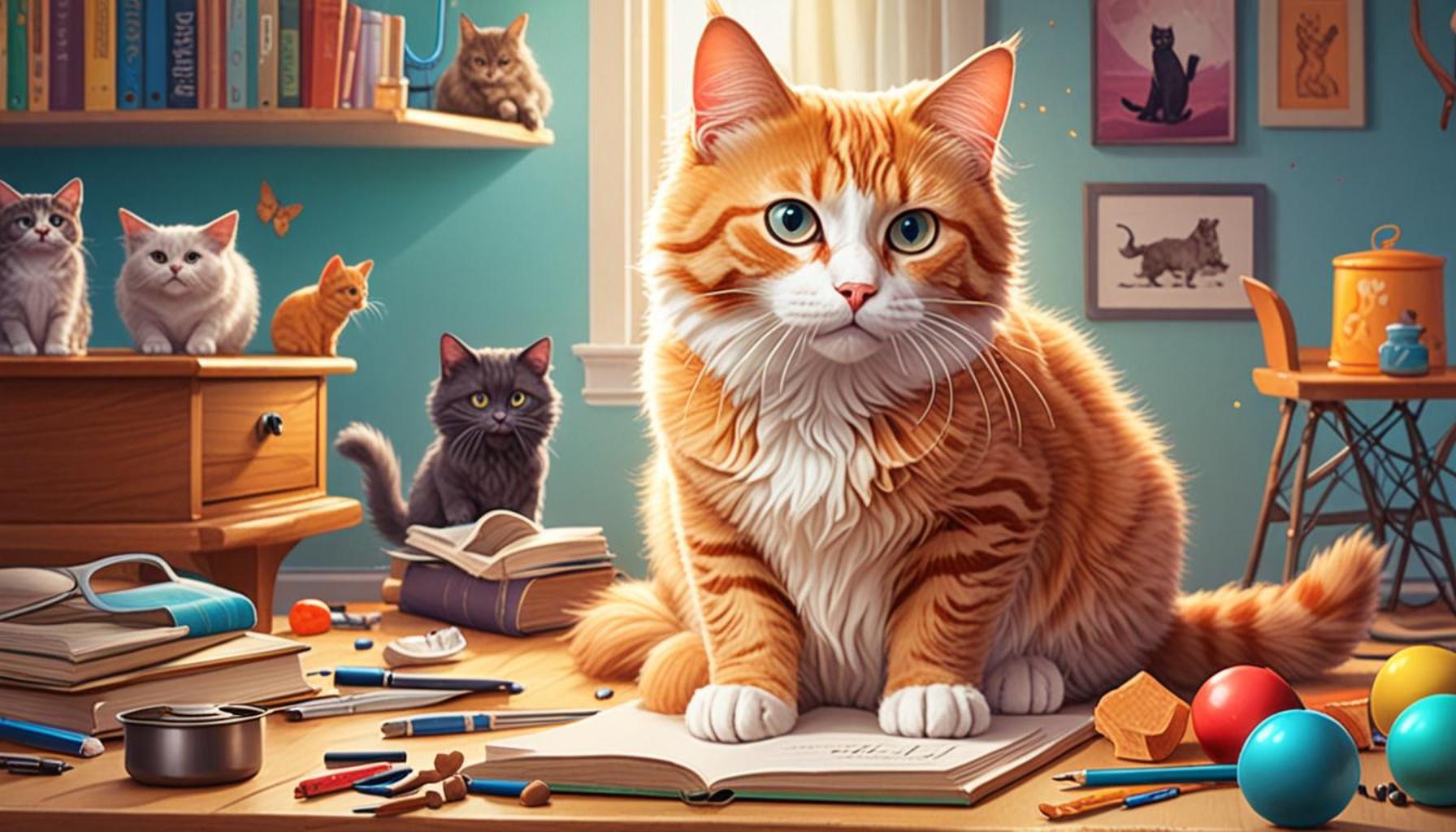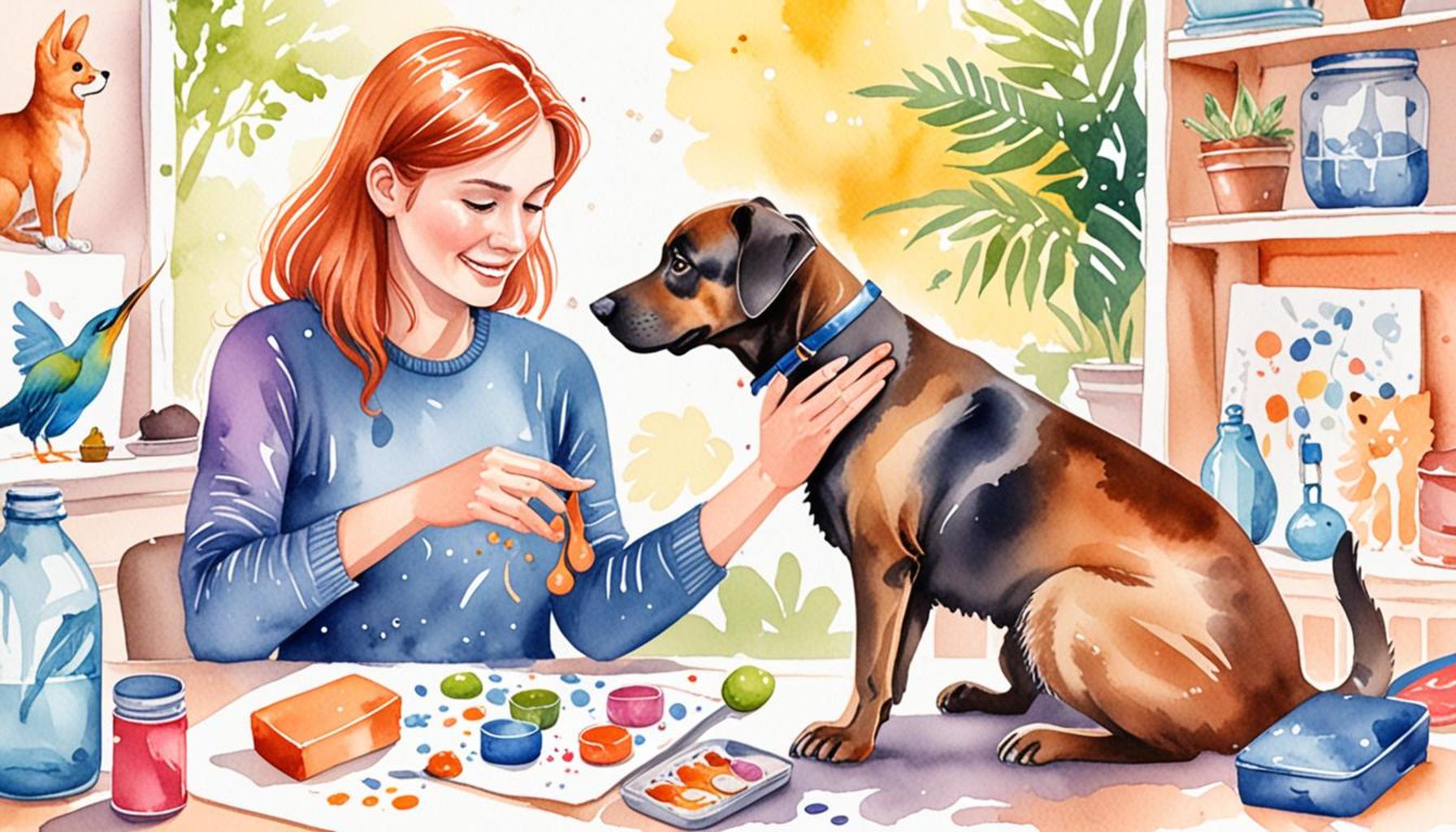
Game-Based Training Methods: Learning Through Play with Your Pet
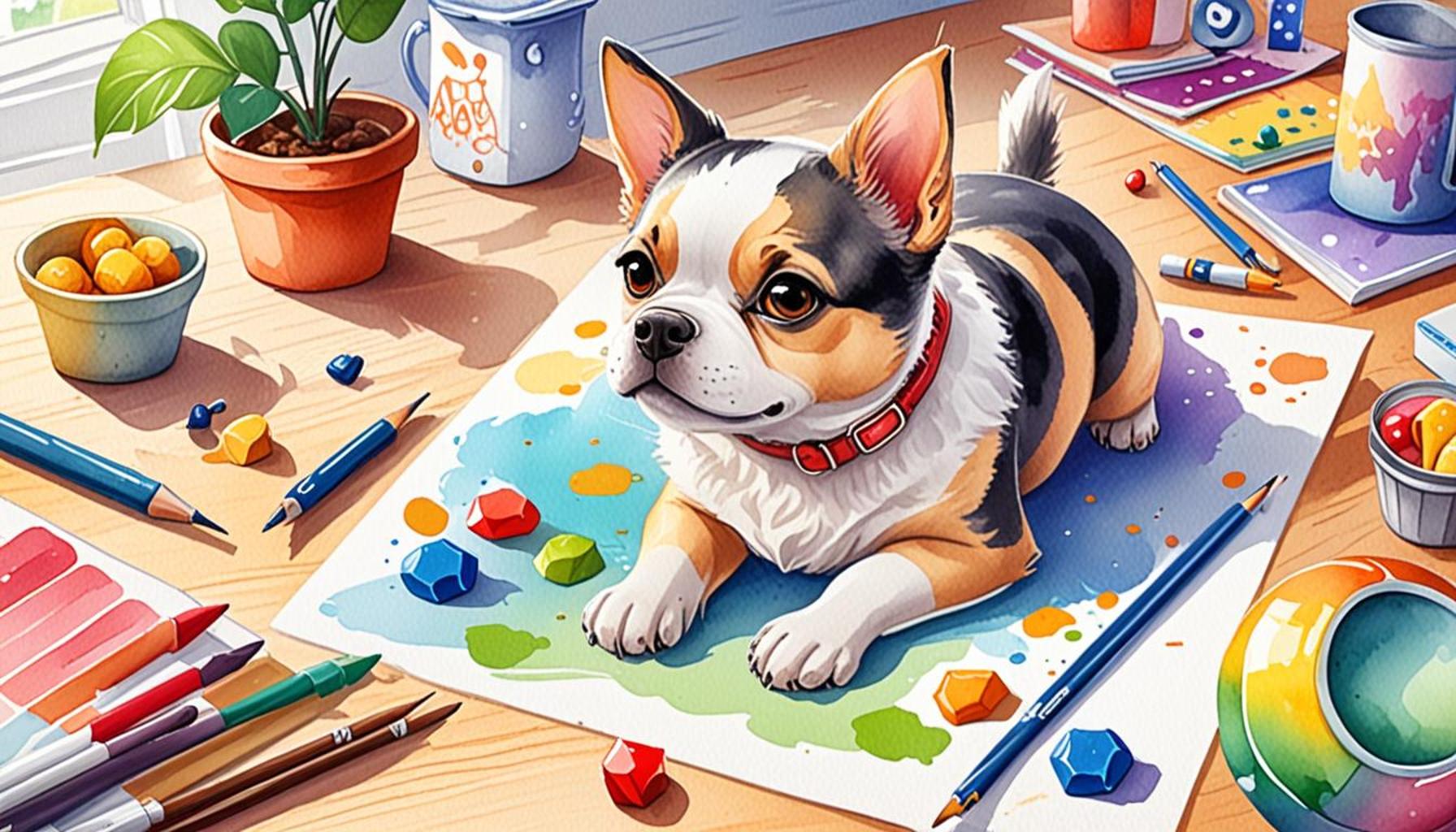
Discover the Power of Play in Training Your Pet
Have you ever considered that training your pet could be both effective and fun? Game-based training methods offer an innovative approach that transforms traditional learning into an engaging experience for both you and your furry friend. This shift in perspective not only makes training sessions more enjoyable but also fosters a deeper sense of connection between pet and owner.
Imagine your dog learning a new trick while playing fetch in the park or your cat mastering commands through an interactive puzzle toy that dispenses treats. The integration of play into training provides a dynamic environment where pets can thrive. Here are some key benefits of this training style:
- Enhanced Bonding: Playful interactions strengthen the relationship between you and your pet. Engaging in activities they love makes your pet associate training with positive emotions, which is essential for their development.
- Increased Motivation: Pets are more eager to participate when they find training enjoyable. By using games, you can motivate your pet to learn and engage actively, making the process feel less like a chore and more like quality time spent together.
- Improved Retention: Learning through play leads to better memory and quicker responses. Pets taught through interactive methods often demonstrate superior recall of learned behaviors compared to those trained with traditional methods alone.
Across the United States, a growing number of pet owners have begun to embrace these methods. According to recent studies, using games for training can lead to a more obedient and well-adjusted pet. For example, agility training—where pets navigate obstacle courses—has gained popularity in various communities, illustrating how pets can learn essential skills while enjoying exhilarating physical activity.
Further, interactive toys, available at local pet stores or online, provide endless opportunities for training. These toys can encourage pets to problem-solve and use their instincts, making learning an enjoyable challenge. Techniques such as trick-training sessions that incorporate playtime or fetching exercises that reward good behavior can yield impressive results.
As you explore game-based training, consider various methods tailored to your pet’s unique personality and preferences. Some pets thrive with physical play, while others may enjoy mental challenges through puzzle solving. With an abundance of resources available online or in pet training books, it’s never been easier to implement fun and effective strategies in your pet’s training routine.
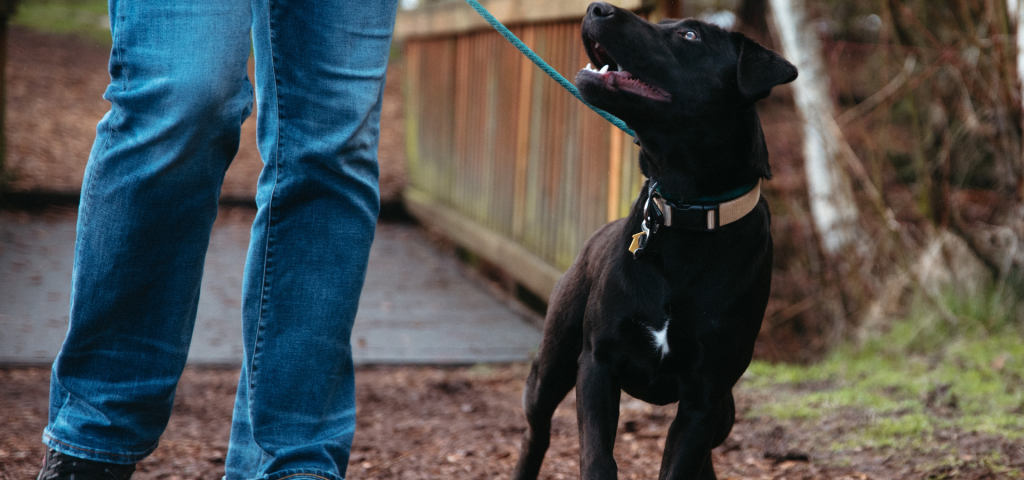
Join the Movement
Are you ready to embark on this exciting journey? Embrace the future of pet education and discover how learning through play can transform your training sessions into memorable adventures! By leveraging the power of games, you can create an environment where both you and your pet are motivated to grow together, ensuring a harmonious and fulfilling companionship.
DISCOVER MORE: Click here to learn about the importance of animal socialization
Engaging Techniques to Transform Learning
Incorporating game-based training methods into your pet’s routine not only enhances their learning experience but also transforms what could be mundane tasks into exciting challenges. By utilizing engaging techniques, owners can create a vibrant atmosphere for their pets that encourages exploration and boosts learning outcomes. Here are some dynamic methods that stand out:
- Positive Reinforcement Games: One of the simplest and most effective approaches involves rewarding desired behaviors through play. For instance, when teaching your dog to sit, practice throwing a ball or a favorite toy after they comply with the command. The eagerness of your pet to chase the toy enhances their motivation to learn.
- Hide and Seek: This classic game isn’t just for children! Get ready to engage your pet in a fun-filled game of hide and seek. Have someone occupy your pet while you find a hiding spot. Call your pet, and when they find you, reward them with treats or positive praise. This fun twist on training can reinforce commands like “come” while also stimulating your dog’s instincts.
- Obstacle Courses: Create a mini-agility course in your backyard or living space using everyday items like chairs, boxes, and hula hoops. Guide your pet through the course using treats and commands as they navigate the obstacles. This not only challenges your pet physically but mentally, enhancing their problem-solving skills while providing a robust training experience.
- Interactive Puzzle Games: Invest in puzzle toys that require your pet to learn how to access treats. These toys encourage pets to think critically and strategize, which can lead to improved cognitive function. As your pet learns how to solve the puzzles, they will feel a sense of accomplishment that reinforces their ability to learn.
Research shows that pets trained through plays are less likely to develop behavioral problems. Engaging pets in game-based training methods helps channel their energy into productive behaviors, thereby reducing the chances of destructive activities. Studies also highlight that pets that participate in such training methods show significant increases in attention span and adaptability, making them more responsive to future commands.
Moreover, game-based training allows pet owners to observe their animals’ personalities in real-time. Some pets might flourish in highly active environments, while others may prefer more brain-teasing challenges. Altering training methods based on your pet’s preferences not only makes the training sessions enjoyable but also caters to their individual learning styles.
As you integrate these strategies into your training regimen, remember that consistency is critical. Establish a routine that incorporates play-based training regularly, and you may be surprised to see the results. By fostering a playful environment and embracing these engaging techniques, you set your pet up for success, all while building a stronger bond through unforgettable shared experiences.
| Category | Key Features |
|---|---|
| Enhanced Bonding | Game-based training fosters emotional connections between pet and owner through shared experiences. |
| Motivational Learning | Pets engage more effectively when learning is fun, leading to better knowledge retention. |
| Improved Social Skills | Interactive games encourage pets to develop positive social behaviors around other animals and humans. |
| Cognitive Development | Challenging games stimulate mental agility and problem-solving skills in pets. |
As game-based training methods gain popularity, more pet owners are discovering their remarkable benefits. These training techniques not only provide valuable lessons but also enhance the relationship between pets and their owners. The key lies in the playful approach, which transforms the learning experience into an enjoyable outing. By tapping into your pet’s natural instincts and behaviors, such as playing fetch or agility training, you can ignite their enthusiasm for learning. Additionally, engaging their minds through stimulating games can lead to improved focus and obedience.Moreover, socializing your pets in a playful setting allows them to develop essential skills for interacting with others. By incorporating different games that require cooperation and communication, such as agility relays or scent detection, you instill a sense of teamwork and trust in your pet. If you want to elevate your bond with your furry friend while nurturing a well-behaved companion, exploring game-based training methods could be the transformative approach you’ve been seeking.
DON’T MISS: Click here to learn more about the importance of animal socialization
Building a Stronger Bond Through Play
Game-based training methods not only enhance your pet’s learning but also serve as a fantastic avenue for building a deeper bond between you and your furry friend. When your pet associates learning with play, the trust and affection between you intensify. Here are some additional strategies to further harness the power of play in your training sessions:
- Fetch with a Twist: While the classic game of fetch is already a favorite among many dogs, adding intricate commands can keep things exciting. Instead of simply tossing the ball, incorporate commands such as “sit” or “stay” before throwing the ball. This transforms a simple game into a comprehensive training exercise that keeps your dog engaged and attentive.
- Treasure Hunts: Elevate your pet’s excitement by organizing a treasure hunt within your home or backyard. Hide their favorite toys or treats and guide them with simple commands to locate the treasures. This approach stimulates your pet’s natural instincts and keeps them mentally and physically stimulated.
- Training with Technology: Embracing technological advancements can also add an exciting twist to your training methods. Various mobile applications can help you track your pet’s progress and provide customized training games. These apps may include interactive training sessions that use sound and visuals to keep your pet engaged, transforming traditional learning into a high-tech playground.
- Social Playdates: Incorporate playdates with other pets into your training plan. Socializing with other animals not only promotes behavioral learning but also helps your pet adapt to different behaviors and stimuli. These interactions can reinforce commands learned during one-on-one training while allowing your pet to play and learn simultaneously.
Another benefit of game-based training is its suitability across different breeds and species. While most often associated with dogs, these techniques can be adapted for cats, rabbits, and even birds, showcasing how versatile play-based learning can be. For example, cats thrive on interactive toys that encourage them to hunt for treats. Rabbit training can involve simple games that incorporate hopping or navigating mazes, enhancing their physical agility and mental stimulation.
Additionally, game-based training helps to burn excess energy, particularly in breeds known for their high energy levels, such as Border Collies or Jack Russell Terriers. A tired dog is often a well-behaved one. Engaging in play not only fosters good behavior but can help mitigate issues like separation anxiety, excessive barking, or destructive tendencies.
Research indicates that pets who engage in frequent play-based training exhibit lower stress levels and reduced anxiety, leading to a happier overall demeanor. The playful interactions release endorphins in your pet, making learning not just rewarding, but enjoyable too. This emotional connection generated through games plays an integral role in your pet’s well-being and behavioral development.
With a wealth of techniques at your disposal, understanding your pet’s preferences and personalities becomes crucial in successful game-based training. Not only does the bond deepen as you engage more profoundly through play, but you also cultivate a learning environment that motivates and encourages your pet to explore their capabilities.
DISCOVER: Click here to learn about how routines influence your cat’s behavior
Final Thoughts on Game-Based Training Methods
As we wrap up our exploration of game-based training methods, it is clear that learning through play is not only an effective way to enhance your pet’s skills but also an essential tool for fostering a strong and trusting relationship. Engaging your pet in playful activities transforms conventional training into a fun, enriching experience that resonates with their natural instincts and interests. This approach tailors learning to individual preferences, making it adaptable for various breeds, from energetic dogs to curious cats, and even helping smaller animals like rabbits and birds thrive.
Moreover, the playful interactions involved in game-based training not only promote cognitive engagement but also significantly contribute to your pet’s emotional well-being. With every treasure hunt, twisted fetch, or social playdate, the level of trust and love you cultivate with your pet deepens. These methods offer a unique dual benefit—while training develops critical skills, it also channels excess energy, a crucial factor for maintaining balanced behavior.
Ultimately, embracing these innovative training techniques paves the way for a fulfilling companionship built on understanding and joy. For pet owners seeking deeper connections with their furry friends, diving into game-based training can open up a world of possibilities. The path to a well-behaved, happy, and mentally stimulated pet is a journey that should be taken with enthusiasm and creativity. So grab those toys, download some training apps, and let the playful learning begin—your pet will thank you for it!