The Role of Nonverbal Communication in Pet Training
Understanding Silent Signals in Pet Training
The world of pet training is a complex tapestry woven together by both verbal commands and subtle, often imperceptible, nonverbal cues. Many pet owners may underestimate the power of these silent signals, overlooking opportunities to deepen their connection with their furry companions. Mastering the art of interpreting these signals can significantly enhance your training techniques and improve your pet’s behavior.
One of the most crucial aspects of nonverbal communication in pet training is body language. A pet’s stance and posture can convey a wealth of information about its emotional state. For example, a dog that stands tall with a wagging tail is often displaying confidence and eagerness, signaling a readiness to engage. Conversely, a dog that cowers, with its head low and tail tucked, may be indicating fear or anxiety. Understanding these nuances can guide owners in adjusting their training methods to be more effective; offering gentle encouragement to a fearful dog, while positively reinforcing a confident pet can yield better results in behavior modification.
Eye contact also plays a critical role in training dynamics. The way you gaze at your pet can communicate not just authority, but also affection and reassurance. Dogs and cats often look to their owners for cues, and maintaining a soft, friendly gaze can help establish trust. For instance, during a training session, if you maintain eye contact while giving a command, it reinforces your leadership role in their eyes. On the other hand, breaking eye contact or turning away might be interpreted as a lack of interest or authority, confusing your pet and undermining your training efforts.
In addition, your facial expressions are powerful tools for communication. A smile or a frown can drastically alter a pet’s response to a situation. For example, showing excitement and enthusiasm through a cheerful expression can encourage a puppy to learn faster and associate training with positive experiences. Conversely, if you appear frustrated or angry, even unintentionally, your pet may become anxious or withdrawn, impeding the training process.
Understanding nonverbal cues is not a realm limited to dogs; it extends to all pets. For instance, a cat curling its tail can indicate satisfaction or curiosity, while a flattened tail often signals distress or aggression. By becoming attuned to these signals, you can cater your training techniques to promote a peaceful and positive learning environment.
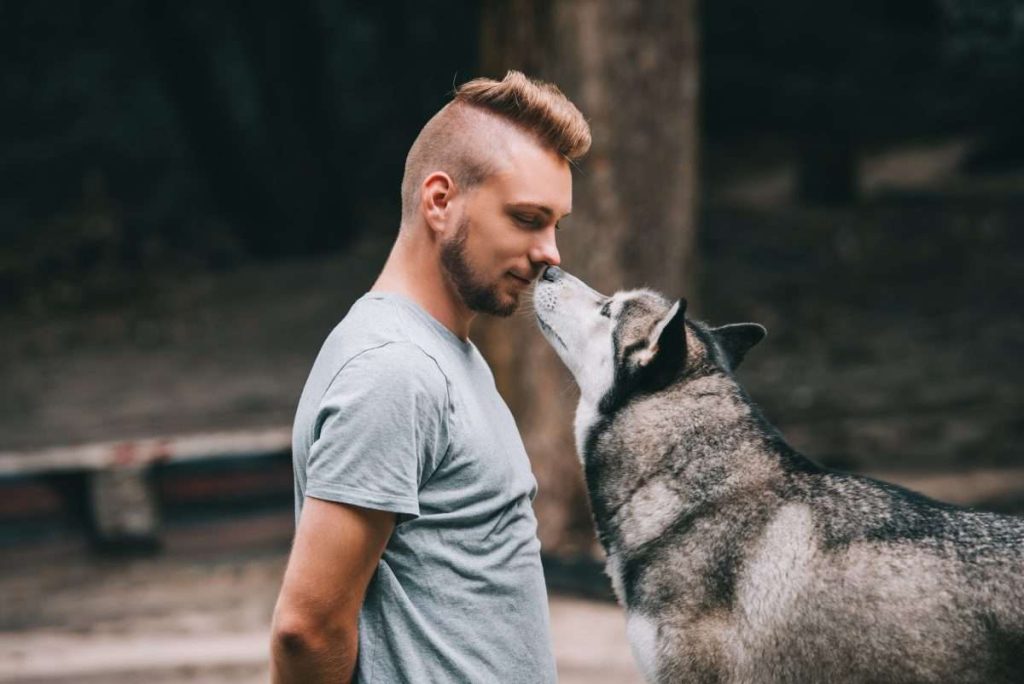
In conclusion, pets, much like humans, rely heavily on nonverbal cues to interpret their surroundings. Fostering a deeper understanding of your pet’s body language will not only improve training outcomes but also strengthen the bond you share with your animal companion. As you embark on your training journey, taking the time to observe and interpret these silent signals can lead to remarkable transformations—both in behavior and in your relationship.
DON’T MISS: Click here to find your perfect pet
Decoding Your Pet’s Silent Language
In the realm of pet training, the ability to decode nonverbal communication is invaluable. Your pets are constantly sending and receiving signals, and understanding these cues can lead to a breakthrough in training effectiveness. Recognizing how your pet perceives the world can help you tailor your training approach, ensuring it resonates with their unique personality and needs.
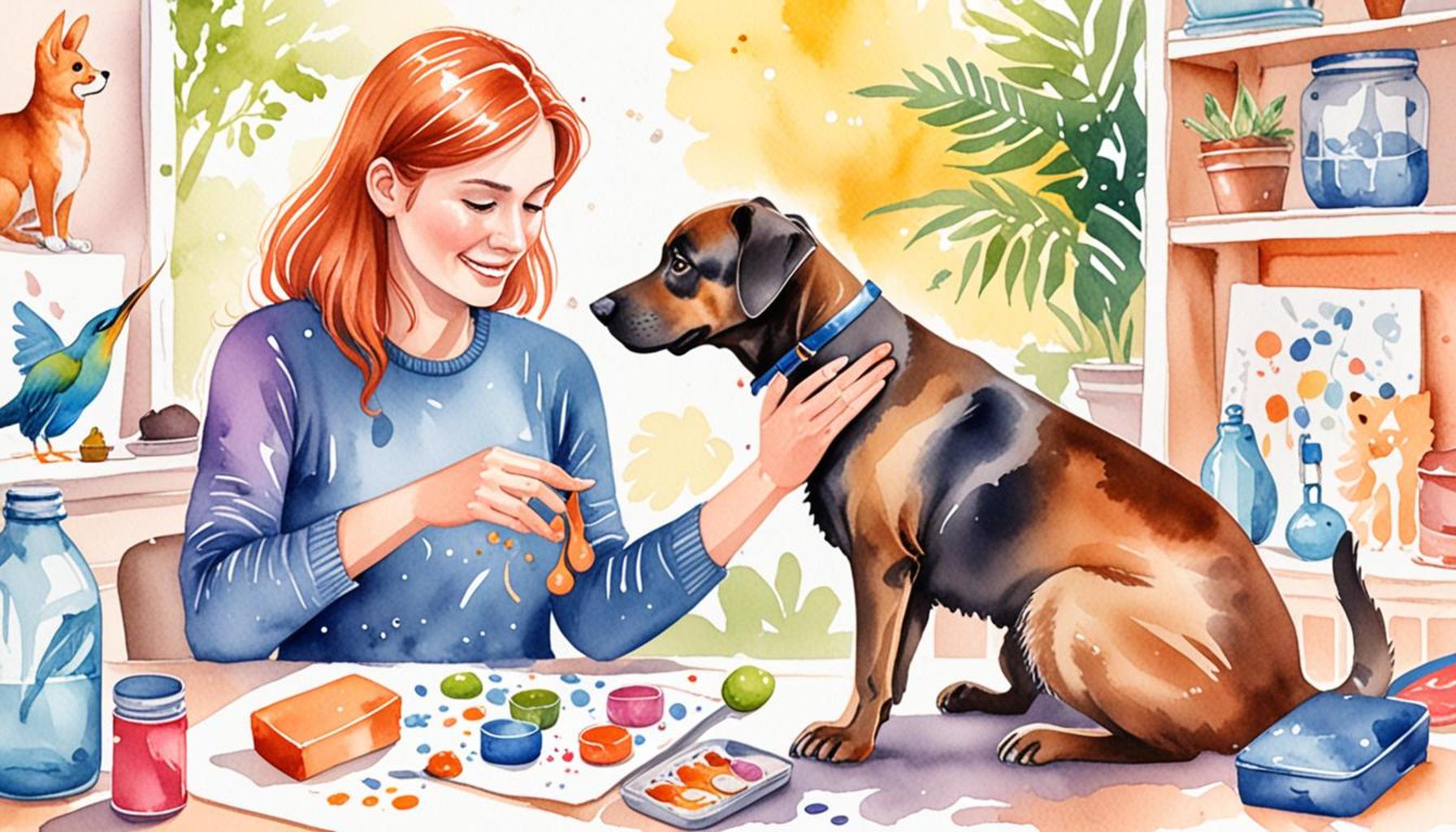
Physical gestures hold immense significance in the relationship between owner and pet. For example, when training a dog, your movements can inadvertently communicate authority or encourage defiance. If you’re leaning over your dog with your hands on your hips, this posture often read as threatening. On the contrary, getting down to your pet’s level, maintaining a relaxed posture, and using open hands can signal warmth and openness. This change in physical demeanor creates a more inviting environment for your pet and fosters trust.
Understanding your pet’s different types of nonverbal cues can also enhance behavioral training efforts. Here are a few key nonverbal behaviors to observe:
- Tail Movements: Dogs often communicate through their tails. A high, wagging tail indicates excitement, while a low or tucked tail may suggest fear. Recognizing these signals can help you adjust your training style accordingly, creating a more comfortable experience.
- Ear Positions: Ears can reveal a lot about a pet’s state of mind. Flat ears in dogs indicate submission or fear, while perked ears show attention and engagement. Understanding these signs can guide you in creating a supportive training atmosphere.
- Body Posture: A relaxed dog sprawled on its side is a contrast to a tense, hunched posture. The former signals comfort and willingness to learn, while the latter may mean you need to slow down and reassess your approach.
Beyond dogs, other pets such as cats and birds also speak through their postures and movements. For instance, a cat that rolls over and exposes its belly is indicating trust and openness, whereas swatting with a paw could be a clear signal of discomfort. Equally, birds will display their feelings through head bobbing or wing flapping, and paying attention to their body language can shape your interaction with them.
Ultimately, nonverbal communication acts as a bridge, allowing you to build rapport and understanding with your pet. By being receptive to these subtle signals, you can enhance not only their training experience but also the strength of your bond. Recognizing that pets communicate through actions just as much as through sounds helps foster a richer connection, leading to mutual respect and a well-behaved companion.
| Advantage | Description |
|---|---|
| Enhances Understanding | Nonverbal cues help pets comprehend commands and expectations effectively, bridging the communication gap. |
| Strengthens Bond | Utilizing body language fosters trust and mutual respect, leading to a deeper emotional connection with pets. |
Understanding the role of nonverbal communication in pet training is crucial for any owner. It is not just about verbal commands; the interaction between human and pet thrives on visual signals and body posture. For instance, the way a trainer stands, their facial expressions, and even the rhythm of movement can influence how a pet interprets the situation. Pet trainers who incorporate nonverbal cues often report improved results. Consistency in body language during training routines reassures pets and decreases anxiety, fostering an optimal learning environment. Dogs, for example, are highly attuned to human emotions and may respond better to a trainer’s relaxed posture compared to a tense one. Furthermore, hands-on gestures can serve as effective substitutes for verbal commands, creating a more engaging atmosphere for both the trainer and pet.Examples such as the “sit” command can be communicated not only through words but also through a gentle, downward motion of the hand. This method reinforces the idea that consistent nonverbal communication contributes significantly to a pet’s training success. As you dive deeper into the intricacies of nonverbal communication, you’ll discover its potential to transform the way you and your pet interact and learn together, optimizing training efficacy and enhancing the overall relationship.
DISCOVER MORE: Click here to learn about positive training techniques
Fostering Connection Through Nonverbal Cues
The success of pet training heavily relies on the interplay of both verbal and nonverbal signals. These communications not only clarify intentions but also foster a stronger bond between pets and their owners. By honing your skills in nonverbal communication, you can increase your pet’s responsiveness and enhance overall training sessions.
One crucial aspect of nonverbal communication is eye contact. In the animal kingdom, direct eye contact can be perceived differently depending on the species. For instance, dogs often find direct eye contact reassuring and a sign of focus, whereas a cat may interpret it as a challenge. Understanding when and how to look your pet in the eye can significantly impact training outcomes. Frequent soft glances can affirm your role as a leader in a training session, especially when paired with positive reinforcement.
Further enhancing the connection are facial expressions. Pets are acutely aware of human emotions and body language. Studies have shown that dogs can distinguish between friendly and aggressive human facial expressions, which influences how they respond during training. For example, a smile can encourage your dog to engage, while a frown may elicit retreat or confusion. Capturing and reciprocating these feelings can lead to a more successful training process, as it establishes a mutual understanding between owner and pet.
Additionally, modifying your tone of voice while maintaining an awareness of your body language can amplify the effectiveness of your training techniques. A soft, high-pitched voice used in conjunction with gentle movements can resonate deeply with animals, creating a sense of calm and security. Conversely, a loud, harsh tone may cause stress and anxiety, hindering progress. By matching your vocal inflections alongside your gestures, you can convey enthusiasm or serenity, which can be crucial depending on the behavioral goals of your training.
- Movement Synchronization: This concept, known as ‘mirroring,’ involves subtly mimicking your pet’s body language and energy levels. If your dog is excitedly wagging its tail and jumping, responding in kind can help reinforce that energy, fostering engagement. Conversely, if your pet appears nervous, adopting a more relaxed demeanor can help them settle and focus.
- Reward Timing: Timing is critical in nonverbal communication. Rewards—be they treats, praise, or affection—should be issued promptly following the desired behavior. Not only does this reinforce learning, but doing so through nonverbal cues like a gentle pat or nod emphasizes the positive connection, bridging the gap between behavior and reward.
Moreover, recognizing subtle shifts in a pet’s emotional state through their facial and body expressions can significantly improve training outcomes. For instance, if a dog is pulling away during a command session, following their body language can signal a need for a break or a change of pace. Adapting to these shifts not only leads to a more effective learning environment but shows respect for your pet’s feelings, reinforcing trust and cooperation.
Overall, leveraging nonverbal communication in pet training can yield profound benefits. It enables pet owners to develop methods tailored to their unique companions, leading to a richer, more fulfilling training experience. Each session becomes a collaborative effort that strengthens the emotional bond, ultimately resulting in a well-adjusted and obedient pet.
DISCOVER MORE: Click here for effective cat training methods
Conclusion: The Power of Nonverbal Communication in Pet Training
In the realm of pet training, the significance of nonverbal communication cannot be overstated. As explored, the ability to read and utilize nonverbal cues such as eye contact, facial expressions, tone of voice, and movement synchronization plays a pivotal role in establishing a trusting and effective training environment. Each interaction with your pet is an opportunity to strengthen this bond, as nonverbal signals create an intuitive dialogue that transcends mere words.
By recognizing and responding to your pet’s emotional states through their own body language, you can adapt your approach, enhancing overall learning. This adaptability not only promotes obedience and good behavior but also nurtures a deeper emotional connection between pets and their owners. The resultant atmosphere of mutual respect and understanding fosters a cooperative spirit in training sessions, transforming them into enjoyable shared experiences.
As pet owners invest time in developing their nonverbal communication skills, they unlock the potential for more effective training techniques that resonate with their pet’s unique personality. This personalized approach not only aids in achieving training goals but also contributes to a harmonious living situation, benefiting both the pet and the owner. Ultimately, embracing nonverbal communication in pet training is an enriching journey that leads to better outcomes, deeper bonds, and a happier home.
For those seeking to elevate their training methods, exploring the nuances of nonverbal communication is a step worth taking. It offers a new perspective that could change the dynamics of your relationship with your beloved companion, creating a lifetime of understanding and companionship.