
The Effectiveness of Group Training for Dogs: Social and Behavioral Benefits

Unleashing Potential Through Group Training
Dog training is often perceived as an individualized task, yet engaging in group training sessions presents a multitude of unparalleled advantages that can substantially enhance your dog’s social capabilities and behavioral traits. Group training not only supports the development of your pup’s personality but also aids in fostering adaptability in various environments. Such collaborative experiences can be transformative for both dogs and their owners, ensuring a well-rounded approach to training.
Benefits of Socialization
Socialization is a critical component of a dog’s life, impacting everything from their temperamental responses to unfamiliar stimuli to their interactions with other pets and people. In a group training setting, your dog is exposed to various breeds, ages, and temperaments. This exposure helps them learn to communicate and engage appropriately with their peers in a controlled atmosphere. It mimics real-world situations while providing a safe space to practice skills without overwhelming frustration. For instance, if your dog tends to be shy or anxious around other dogs, group training can serve as a gentle exposure to new friends, gradually easing fears and fostering confidence.
Enhanced Learning Through Competition
In addition to social benefits, group training offers enhanced learning experiences. Dogs often have a natural competitive spirit, and the presence of other dogs can motivate them to engage more actively in training tasks. For example, if one dog masters a trick quickly, others may feel inspired to keep pace, creating a supportive environment that promotes fast learning. Such dynamics can accelerate the training process and make learning more enjoyable—both for the dogs and their handlers.
Improved Behavior
From a behavioral standpoint, dogs trained in groups frequently exhibit behavioral improvement. Owners often notice a decrease in negative behaviors such as excessive barking, jumping, or aggression when their dogs undergo training in the company of their peers. The structured environment of group training minimizes distractions, allowing dogs to focus on their tasks while helping them learn to maintain composure in the presence of distractions.
A Community of Support
Group training fosters a sense of community among dog owners, providing an invaluable network of support. Participants frequently share tips, success stories, and challenges, cultivating meaningful connections that extend beyond the training sessions. Such camaraderie enriches the experience, as owners can lean on each other during the ups and downs of training. This community aspect not only motivates dog owners to persist but also helps them gather insights that may not be available through individual training.
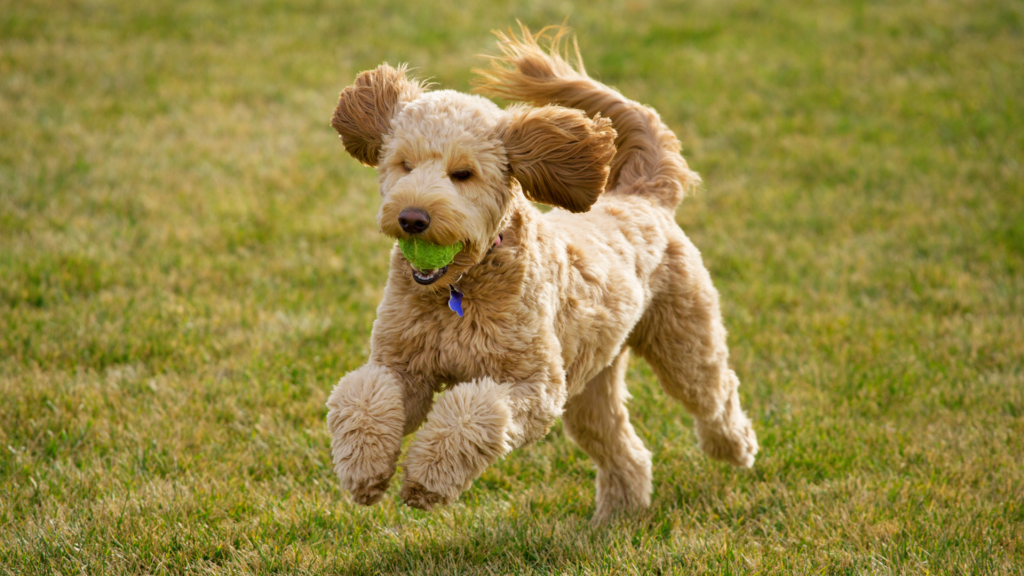
Research has shown that dogs trained in groups tend to display better overall behavior, particularly in social settings such as parks or public events. They become accustomed to various distractions, which enhances their adaptability and contributes to their long-term emotional well-being.
By opting for group training, you’re not just investing in your dog’s basic obedience; you’re giving them an opportunity to thrive within a social framework. This unique training environment encourages the acquisition of essential skills that will last a lifetime, setting the stage for a harmonious and fulfilling life for both you and your canine companion.
DISCOVER MORE: Click here to learn why socialization is key for pet adoption services
The Transformative Power of Group Training
Group training for dogs transcends the fundamental purpose of obedience, becoming a profound catalyst for social and behavioral growth. As dogs interact with their peers in a structured environment, they undergo a metamorphosis that nurtures crucial skills and eases behavioral issues. The advantages of group training extend beyond the immediate learning experience; they support a lifelong journey of positive interactions and emotional resilience.
Building Confidence Through Interaction
One of the most notable effects of group training is the boost in self-esteem it provides for dogs, especially those that display timid or fearful behavior. By participating in training sessions with other dogs, pups learn to navigate various social dynamics. Some key aspects of building confidence include:
- Exposure to Diverse Dogs: Different breeds and temperaments present new challenges, pushing timid dogs to engage more.
- Positive Reinforcement: Success in group settings often leads to increased praise, making learning a pleasurable experience.
- Modeling Behavior: Watching confident dogs display positive behavior can inspire others to replicate those actions.
For example, a shy rescue dog might initially withdraw in the presence of a boisterous Labrador. However, through repeated exposure during training, they can learn to approach with curiosity rather than fear. The respectful handling from both trainers and fellow participants allows for a gradual shift in attitude, turning uncertainty into wholehearted participation.
Enhanced Communication Skills
Dogs, like humans, have their own language of communication, which can be fine-tuned through interactions with other dogs. Group training fosters these skills by promoting appropriate body language, vocalizations, and social cues. Key benefits of enhanced communication include:
- Understanding Social Cues: Dogs learn to interpret signs of distress or enjoyment from their peers, leading to better conflict resolution.
- Increased Playfulness: Engaging with other dogs encourages positive play patterns, reinforcing healthy social behaviors.
- Reduced Fear and Anxiety: As dogs learn to navigate social situations, they become less reactive to new environments and strange dogs.
Regular participation in group sessions helps dogs refine their abilities to communicate want and needs effectively. This development not only enriches their interactions with other dogs but also with humans, creating a harmonious social network.
Promotion of Focus and Discipline
While the playful atmosphere of group training is enticing, it also plays a vital role in promoting focus and discipline. A busy environment fills with sights, sounds, and scents can be distracting; however, under proper guidance, dogs learn to filter these distractions and concentrate on tasks. The advantages of increased focus include:
- Improved Obedience: Dogs learn to respond promptly to commands, even amidst dynamic surroundings.
- Heightened Concentration: The presence of other dogs helps dogs learn to ignore distractions, honing their ability to stay engaged.
- Reduced Impulsive Behavior: The structured sessions encourage dogs to think before they act, reducing behaviors such as jumping up or barking.
This sharpening of mental acuity is particularly beneficial for urban pet parents where distractions abound, ensuring that dogs remain calm and composed regardless of their environment.
| Social Interaction | Behavioral Improvement |
|---|---|
| Peer Group Dynamics | Reduction in Aggression |
| Group training allows dogs to engage with their peers, promoting essential social skills. Interactions in a controlled environment help dogs learn how to respond to other canines. | Participating in group sessions can result in lower levels of anxiety and aggression as dogs learn to navigate social situations more effectively, leading to calmer behaviors in public spaces. |
| Enhanced Communication | Improved Focus and Obedience |
| Dogs in group training learn to pick up cues from multiple handlers, which allows them to develop stronger communication skills, making them attentive to commands. | With distractions present, dogs learn to concentrate better and respond to commands, which greatly enhances their overall obedience. |
Group training is more than just obedience; it shapes the very essence of dog behavior. By engaging with others, dogs not only refine their behavioral traits, but they also become well-adjusted companions, ready to tackle the challenges of everyday life. This holistic approach nurtures their emotional intelligence, making group sessions a pivotal aspect of canine development. As these interactions unfold, it becomes increasingly clear why such programs are essential for fostering happy, confident dogs.
DIVE DEEPER: Click here to discover the essential benefits of socialization for your pets
Fostering Healthy Relationships and Community
Group training creates a unique social ecosystem not only for dogs but also for their human companions. As pet owners gather for classes, they develop a sense of community, which can significantly enhance motivation and commitment to their training goals. The relational aspects of this experience yield numerous benefits, including:
- Shared Experiences: Engaging in training alongside other dog owners fosters friendships that can lead to support networks. These relationships often extend beyond training sessions, allowing for playdates or joint outings that enrich both the dogs’ and their owners’ lives.
- Peer Learning: Observing others navigate challenges can provide new strategies and insights. Discussions among participants can unveil effective methods for problem-solving that may not come up in formal training sessions.
- Accountability: A community of fellow dog owners can create a culture of responsibility. When individuals share their training journeys, they are more likely to stay committed to their own practices, thus reinforcing positive outcomes for their dogs.
Moreover, this sense of belonging can alleviate the feelings of isolation that some pet owners may experience, especially in urban settings. A recent survey indicated that 65% of dog owners felt more connected to their communities through group training, pointing to the social benefits that extend beyond the canine participants.
Addressing Behavioral Challenges
Group training is particularly effective in addressing behavioral issues, whether they stem from anxiety, aggression, or simple disobedience. Trainers often utilize techniques tailored to the dynamics of a group, enabling dogs to learn strategies under varying social contexts. Some of these techniques include:
- Desensitization to Triggers: By exposing dogs to controlled scenarios with other dogs present, they can be gradually desensitized to their triggers, whether it be unfamiliar canine companions or loud noises.
- Redirecting Negative Behaviors: Group settings allow trainers to step in quickly when unwanted behaviors arise. This immediate correction helps dogs learn alternative behaviors more effectively than solitary training.
- Knowing When to Seek Help: Group training provides an opportunity for dog owners to discuss and share concerns about specific behavioral issues. Trainers can offer tailored guidance, empowering owners to address challenges they might feel overwhelmed by alone.
For example, a group training session might enable a dog that lunges at other dogs during walks to practice leash manners in a controlled setting. The presence of various distractions presents real-life scenarios for learning, allowing the dog to make positive choices amid the excitement.
Long-Term Behavioral Modifications
As dogs engage regularly in group training, the benefits are not just temporary; they can lead to lasting behavioral modifications. A study conducted by the Association of Professional Dog Trainers found that dogs exposed to consistent group environments exhibit improved long-term behavior as the skills learned reinforce good habits through continuous practice and socialization. Key aspects include:
- Continual Learning: Dogs establish a routine that encourages ongoing learning and adaptability. The dynamic nature of group training exposes them to a variety of situations and dogs, which keeps their social skills sharp.
- Development of Coping Mechanisms: Dogs develop techniques to manage stress or fear in various situations, leading to a decrease in anxiety-related behaviors. This proactive approach ultimately results in emotionally balanced pets.
- Ongoing Support: With the community of fellow dog owners and trainers, there is always a network to turn to for reinforcement or new strategies to enhance behavior.
Ultimately, the role of group training extends far beyond basic obedience. It serves as a fundamental building block that supports not only the dog’s emotional well-being but also nurtures the human-animal bond that lies at the heart of pet ownership.
DISCOVER MORE: Click here to learn about balanced nutrition for your pet’s health
Conclusion
In summary, the effectiveness of group training for dogs extends well beyond simple obedience commands. This collaborative approach cultivates a rich social environment that benefits both pets and their owners, addressing important behavioral challenges while fostering emotional bonds. As observed, the communal experience of learning enables dog owners to create interpersonal connections, share valuable insights, and build a network of support that reinforces commitment to training goals.
The multi-faceted advantages offered by group training highlight its role in developing improved canine behavior and effective coping mechanisms. Through structured group environments, dogs learn to navigate distractions, interact positively with their counterparts, and remain calm in stimulating situations. Additionally, this ongoing socialization is crucial for long-term behavior modification, as consistent exposure to various dogs and scenarios sharpens their skills and reduces anxiety-related issues.
Ultimately, group training provides a unique opportunity for pet owners and their dogs to grow together within a welcoming community. By integrating training with social engagement, owners not only enhance their pets’ lives but also enrich their own experiences as dog lovers. As our understanding of animal behavior continues to evolve, participation in group training remains a valuable investment for fostering healthy, balanced relationships—one paw and one friendship at a time. For those considering this journey, the benefits manifest not only in improved obedience but in a deeper connection to a community of fellow dog enthusiasts, paving the way for enjoyable, enriched lives as they learn together.