The Role of Environmental Enrichment in Training Pet Animals

The Importance of an Engaging Environment in Pet Training
Training pet animals extends far beyond teaching basic commands and obedience. It intricately weaves into the fabric of creating a stimulating environment that nurtures learning and overall development. Environmental enrichment is a critical component that significantly enhances the training experience for pets. By intentionally incorporating various elements into their surroundings, pet owners can profoundly influence their pets’ behavior, learning capabilities, and overall well-being.
To grasp the full scope of environmental enrichment, consider the following essential aspects:
- Physical Activities: Offering an array of toys and obstacles designed for exercise not only bolsters a pet’s physical health but also aids in preventing obesity and related health issues. For instance, agility equipment, such as tunnels and jumps, can transform a backyard into an exciting obstacle course, encouraging dogs to engage in healthy physical activity while developing coordination and confidence.
- Sensory Stimulation: Items that provoke a pet’s senses, such as toys made from different textures, safe chewables infused with appealing scents, or interactive feeders, can greatly enhance their interactions with the environment. For example, providing a scratch pad with varying surfaces for cats can satisfy their natural scratching instincts while also keeping them entertained and mentally stimulated.
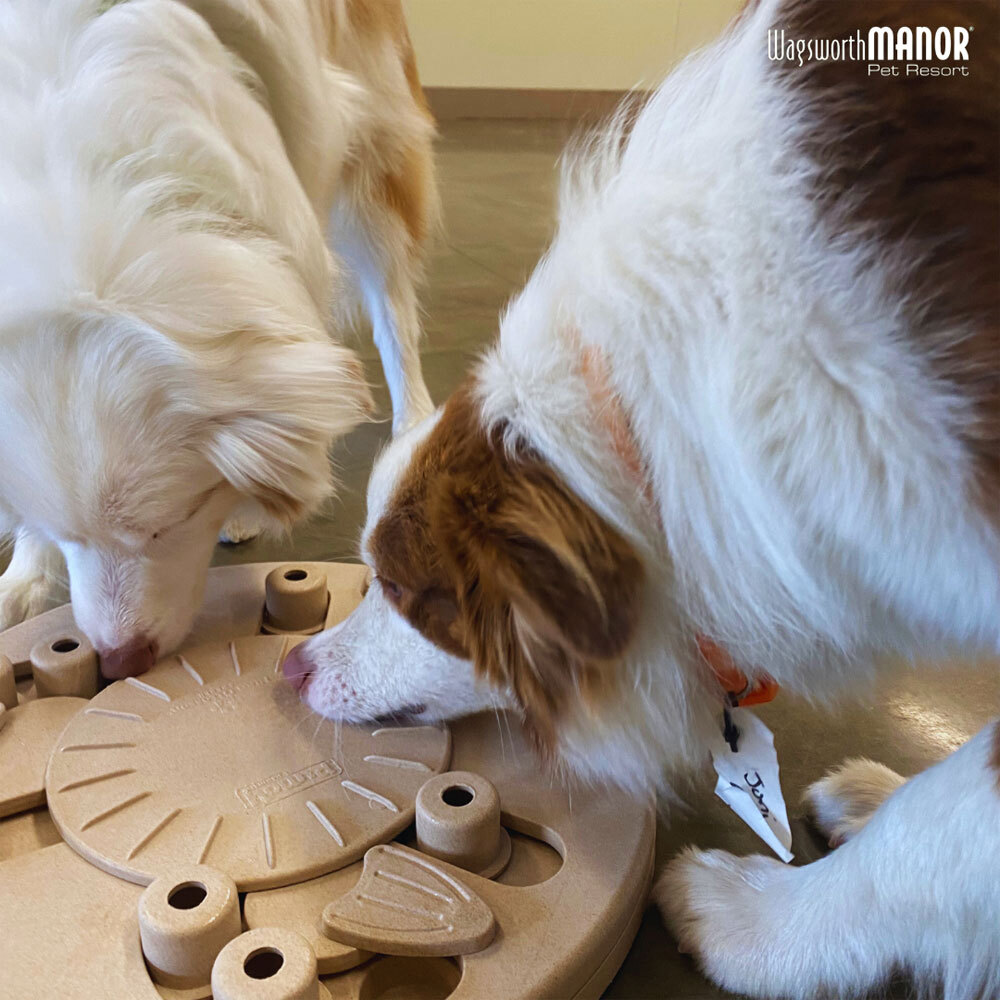
- Cognitive Challenges: Engaging pets in puzzles and training exercises that demand problem-solving skills serves to stimulate their minds and reduce boredom. Toys that dispense treats upon solving a puzzle keep pets entertained for hours and encourage them to think creatively and strategically, enhancing their cognitive function.
Studies indicate that enriched environments lead to well-trained and emotionally balanced pets. In fact, pets exposed to diverse experiences tend to exhibit fewer behavioral problems. For instance, dogs trained in interactive settings, such as dog parks or training classes, typically display greater responsiveness and adaptability in varied situations, making them more suited to dynamic environments.
As we explore the diverse strategies for environmental enrichment, from interactive games to sensory activities, we uncover a wealth of benefits that significantly enhance the training process for pet animals. Understanding these concepts not only elevates the way we train and interact with our beloved companions but also enriches their lives, promoting happiness and well-rounded behavior. By prioritizing an engaging environment, pet owners can ensure that their training efforts are not only more effective but also more enjoyable for both the pet and the owner.
DIVE DEEPER: Click here to learn more
Maximizing Learning Through Engaging Spaces
When it comes to the role of environmental enrichment in training pet animals, the focus often emphasizes the direct correlation between a pet’s surroundings and their ability to learn. An enriched environment can act as a catalyst for effective learning, as it not only provides physical activity and mental stimulation but also fosters emotional well-being. Understanding the various factors that contribute to this enhances the overall training experience, making it more enjoyable for both pets and their owners.
One of the fundamental aspects of environmental enrichment involves creating a space that encourages exploration and interaction. Here are several key elements to consider:
- Variety of Toys: Providing a range of toys that stimulate different senses plays a crucial role in keeping pets engaged. Toys that squeak, jingle, or crinkle can capture a pet’s attention and motivate them to interact with their environment. Rotating toys regularly can maintain interest and excitement.
- Natural Elements: Integrating elements from nature, such as safe plants or water features, can create a more authentic environment, especially for dogs and cats. Natural environments can mimic their ancestral habitats, enabling them to exhibit more instinctual behaviors, which can be harnessed during training sessions.
- Social Interaction: Incorporating opportunities for pets to socialize with other animals can greatly enhance their training. Group classes or playdates not only help pets learn good manners but also teach valuable skills such as impulse control and patience when interacting with peers.
- Multi-Functional Spaces: Designing areas with multiple uses—like designated play zones that can seamlessly transition into training areas—can help create a conducive atmosphere for learning. Flexible environments enable pets to switch between physical play and mental exercises effortlessly.
- Routine Variation: Changing up routines can prevent boredom and challenge pets, encouraging them to adapt and learn new behaviors. This might include varying walking routes, introducing new training methods, or trying different activities that pique their curiosity and interest.
Research supports that pets thriving in enriched environments display enhanced learning and improved behavioral responses. For instance, studies illustrate that dogs raised in stimulating environments exhibit greater problem-solving abilities and less anxiety compared to those in more confined spaces. This adaptability proves critical, especially in a world full of unpredictable stimuli, such as crowded parks or busy households.
Moreover, the significance of environmental enrichment extends beyond mere training effectiveness. An engaging environment can contribute to a pet’s overall happiness and quality of life. By intentionally designing their surroundings with enrichment in mind, pet owners are not only enhancing training experiences but also fostering emotional bonds and promoting healthy, well-adjusted pets.
| Advantages | Description |
|---|---|
| Enhanced Cognitive Skills | Environmental enrichment stimulates mental engagement, leading to sharper cognitive abilities. |
| Reduced Behavioral Issues | Incorporating enrichment activities can curb undesirable behaviors such as aggression or anxiety. |
| Improved Physical Health | Active play through enrichment contributes to better physical fitness and overall well-being. |
| Enhanced Bonding with Owners | Engaging in enriched activities creates a stronger emotional connection between pets and their owners. |
The role of environmental enrichment is vital in nurturing a well-rounded and emotionally stable pet. It not only enhances their learning capabilities but also increases their willingness to engage in training sessions. Providing diverse stimuli through toys, puzzles, and interactive play can significantly affect their behavioral outcomes. Moreover, pets exposed to an enriching environment tend to adapt better to changes, making them more resilient in various situations.Pets that experience regular environmental enrichment often exhibit a decreased incidence of stress-related behaviors, highlighting the importance of a stimulating living environment. While some may overlook the need for enrichment, it is crucial to understand that a pet’s mental and emotional health is just as important as their physical health. By integrating environmental enrichment into training practices, owners can facilitate a more harmonious coexistence with their beloved companions.
DIVE DEEPER: Click here to learn about the importance of socialization for your pets
Enhancing Cognitive Development Through Diverse Experiences
In addition to the physical aspects of an enriched environment, cognitive development plays a vital role in improving training outcomes for pet animals. Providing a variety of experiences enhances a pet’s ability to think, problem-solve, and adapt to new situations, which are critical skills in any training program. By offering stimuli that challenge an animal’s intellect, pet owners can effectively pave the way for accelerated learning and stronger behavioral responses.
To foster cognitive growth, it’s important to implement activities that engage a pet’s mind. Here are some strategies that highlight the relationship between cognitive enrichment and effective training:
- Puzzle Feeders: Incorporating puzzle feeders into feeding routines not only makes mealtime exciting but also presents a challenge that requires problem-solving. These tools stimulate mental engagement as pets learn how to manipulate their way to the food, reinforcing patience and perseverance—qualities that are beneficial in training contexts.
- Interactive Games: Utilizing treat-dispensing toys or brain games can provide mental workouts for pets. Activities that require pets to think and strategize can enhance their cognitive skills, making them more adept at understanding and following commands during training sessions.
- Training Games: Introducing games that combine learning with fun can encourage pets to apply what they have learned in playful scenarios. Games like hide-and-seek or fetch-but-with-a-twist not only create joy but also reinforce basic commands, transitioning easily into more structured training.
- Variety in Training Methods: Ensuring a diverse approach when teaching commands can contribute significantly to cognitive development. For instance, using clicker training, hand signals, or verbal cues can prevent monotony, encouraging pets to stay engaged and ready to learn.
- Outdoor Exploration: Regular outdoor activities offer pets a chance to encounter new stimuli, from different scents to the sounds of other animals. Allowing them to explore varied environments—whether it’s a nature trail, beach, or dog park—can enhance their adaptability and willingness to learn in diverse conditions.
Scientific studies back the notion that cognitive engagement through environmental enrichment leads to improved behavioral outcomes. Research conducted by the University of Florida demonstrated that animals provided with stimulating environments exhibit enhanced cognitive functions and display reduced stress levels, creating a favorable backdrop for training. Notably, more intelligent pets tend to have better recall of commands and an increased capacity to comply with complex tasks asked of them.
Furthermore, environmental enrichment can reduce behavioral issues that often arise from boredom or anxiety. A mentally stimulated and challenged pet is less likely to develop destructive behaviors, such as chewing furniture or excessive barking. This proactive approach not only leads to happier pets but also reduces stress levels and frustration for pet owners attempting to manage unwanted behavior.
The integration of cognitive enrichment into training practices highlights the importance of a holistic approach that transcends basic obedience commands. By thinking beyond the traditional training regimen and weaving in elements that enrich a pet’s mind, owners can cultivate not only well-trained animals but also emotionally healthy and confident companions. As awareness grows around this topic, pet owners are encouraged to continuously explore innovative ways to build enriching environments that support both training and overall quality of life for their beloved pets.
DISCOVER MORE: Click here to learn about how daily routines affect your cat’s behavior
Conclusion: The Transformative Power of Environmental Enrichment
In summary, the role of environmental enrichment in training pet animals is pivotal in fostering not only compliance but also overall psychological well-being. By integrating cognitive challenges alongside physical activities, pet owners can create a stimulating atmosphere that promotes healthy development and learning. The diverse experiences provided through methods such as puzzle feeders, interactive games, and outdoor exploration ignite an animal’s curiosity, enhancing its ability to learn commands, adapt to new situations, and mitigate behavioral problems stemming from boredom or anxiety.
Moreover, the advantages of environmental enrichment extend beyond just training sessions. Research consistently shows that pets in enriched environments exhibit lower stress levels and improved emotional stability. Consequently, these well-rounded companions are more enjoyable to interact with and pose fewer behavioral challenges, leading to a more harmonious cohabitation with their human family members.
As the understanding of the psychological needs of pets deepens, it becomes increasingly clear that a holistic training approach—one that emphasizes enrichment—will not only yield better-trained animals but also strengthen the bond between pets and their owners. Pet enthusiasts and trainers alike are encouraged to prioritize enriching experiences in their training methodologies, thereby fostering intelligent, adaptable, and emotionally balanced companions.
With a growing body of evidence and a wealth of resources available, it is never too late to embrace environmental enrichment as an indispensable component of responsible pet ownership. By doing so, we pave the way for a brighter and more engaging future for all our beloved pets.