
The relationship between chewing behavior and dental health in dogs and cats: understanding the importance of oral hygiene
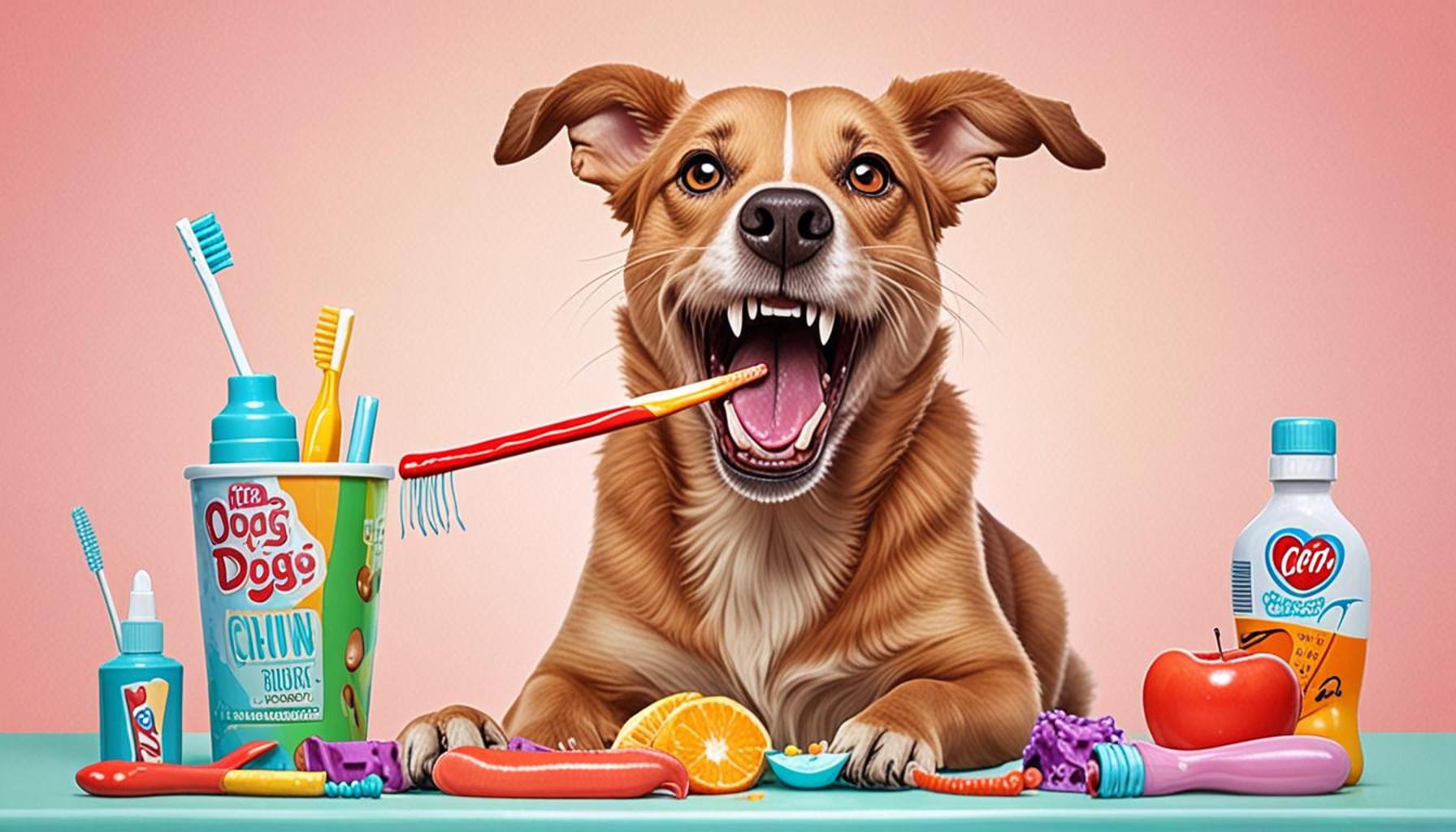
Uncovering the Link Between Chewing and Dental Health
Pets, particularly dogs and cats, exhibit distinct chewing behaviors that can have profound effects on their dental health. Grasping this relationship is vital for pet owners committed to ensuring optimal oral hygiene for their furry companions. The act of chewing is not solely a source of enjoyment; it is fundamental in sustaining strong teeth and healthy gums.
Why Chewing is Essential
- Prevention of Tartar Buildup: Chewing can effectively help reduce plaque and tartar accumulation, a common issue faced by many pets. Items like dental chews and rawhide bones are designed specifically to encourage chewing, thereby promoting an environment where harmful bacteria struggle to thrive.
- Strengthening Gums: Engaging in regular chewing activity can promote healthy gums, significantly minimizing the risk of gingivitis and other periodontal diseases. Chewing helps stimulate blood circulation in the gums, reinforcing their structure and resilience.
- Stress Relief: For many pets, chewing serves as a healthy outlet for stress and anxiety. Boredom or separation anxiety can lead to destructive behaviors; however, providing appropriate chew toys can redirect this energy and foster a more peaceful environment.
In the United States, it is concerning that many pet owners remain unaware of how their pets’ chewing habits influence their overall health. This knowledge gap can lead to a range of dental issues, including:
- Bad Breath: Often a telltale sign of poor oral health, bad breath in pets can result from plaque buildup and gum disease.
- Tooth Loss: Untreated dental diseases can lead to tooth loss, dramatically affecting a pet’s ability to eat and enjoy their food.
- Systemic Health Problems: Oral infections may not just stay localized; they can affect vital organs such as the heart and kidneys, leading to severe health complications.
By enhancing the understanding of the relationship between chewing behavior and dental health, pet owners can take proactive measures to improve their pets’ oral hygiene. In this article, we will delve deeper into these connections, providing significant insights and practical advice on maintaining healthy mouths for our beloved pets. With the right knowledge and tools, pet owners can effectively contribute to their furry friends’ overall well-being, preventing painful dental issues and fostering a happier, healthier life.
Consider consulting with your veterinarian for recommendations on suitable chew toys and dental treats tailored to your pet’s age, size, and specific dental needs. Not only does this ensure proper care, but it also enriches your pet’s quality of life through enjoyable chewing experiences.
DIVE DEEPER: Click here to learn more
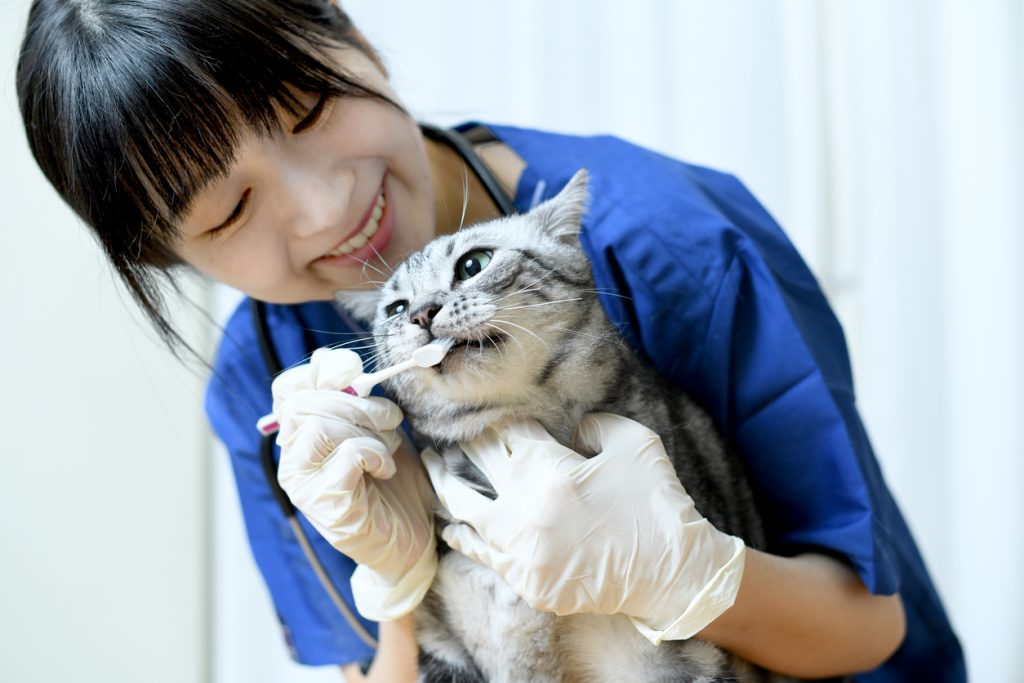
Understanding the Impact of Chewing on Dental Health
Chewing is a natural and instinctual behavior for both dogs and cats, rooted deeply in their evolutionary past. In the wild, chewing plays a crucial role in the consumption of food, enabling animals to break down tough materials and access essential nutrients. For domesticated pets, this instinct continues to be important—not just for nutrition, but as a vital activity for maintaining dental health and overall well-being.
The Mechanics of Chewing
When pets engage in chewing, they exert pressure on their teeth, which helps scrub away food particles, plaque, and tartar. This physical action is complemented by the saliva produced during chewing, which helps neutralize acids that can contribute to tooth decay. Understanding this mechanism can empower pet owners to provide appropriate materials that align with their pets’ natural chewing instincts.
Choosing the Right Chew Items
The selection of chew items is crucial in maximizing the dental benefits while ensuring safety. Here are some tips to consider when choosing chewables for your pets:
- Durability: Choose items that are firm enough to withstand chewing but soft enough to avoid damaging their teeth. Look for products that are specifically designed for dental health.
- Material: Opt for natural ingredients whenever possible. Chews made from rawhide, dental chews, or natural bones can be beneficial, but monitor them to prevent choking hazards.
- Size: Ensure that the chew items are appropriate for your pet’s size. Larger dogs may require sturdier options, whereas smaller breeds will need softer, smaller chews.
- Flavor: Engaging flavors can motivate pets to chew more often, making it more likely that they will enjoy the activity and reap the dental health benefits associated with it.
Incorporating these chew items into their daily routine not only enriches their quality of life but also plays a significant role in enhancing their oral hygiene. Regular chewing can lessen the financial burden of veterinary dental treatments by preventing potential dental issues before they escalate.
The Consequences of Ignoring Dental Health
Many pet owners often overlook the importance of maintaining dental hygiene, which can lead to severe consequences. A significant number of pets suffer from periodontal disease by the age of three, making it the most common dental condition in animals. This neglect can result in:
- Painful Treatments: Pets with dental disease may require invasive procedures, including tooth extractions, which can be painful and costly.
- Severe Bad Breath: Persistent bad breath is typically a sign of underlying dental issues that should not be ignored.
- Impact on Quality of Life: Poor dental health can severely affect a pet’s eating habits, leading to nutritional deficiencies and overall discomfort.
Recognizing the correlation between chewing behavior and dental health is an essential step towards preventing these issues. As responsible pet owners, understanding how oral hygiene in pets can impact their health leads to more informed decisions and better quality of life, ultimately guiding them to healthier lifestyles.
The Role of Chewing in Dental Health
Understanding the relationship between chewing behavior and dental health in pets is crucial for maintaining their overall well-being. Chewing not only serves to satisfy a natural instinct but also plays a significant role in mechanically cleaning teeth and gums. As pets engage in chewing, they help remove plaque and tartar buildup, reducing the risk of periodontal disease.
Moreover, the act of chewing stimulates saliva production, which further aids in the natural cleaning process. Saliva contains bactericidal properties that help combat harmful bacteria, contributing to healthier oral hygiene. Various textures and flavors in pet chew toys or dental treats can appeal to the pets’ preferences, encouraging consistent chewing behavior, which is vital for health maintenance.
It’s essential for pet owners to recognize the benefits of providing appropriate chews that not only entertain but also promote oral wellness. Regular dental check-ups should complement this behavioral aspect—veterinarians can provide insights into the best chew options tailored to each pet’s specific needs. By fostering a comprehensive approach that includes an understanding of chewing behaviors, owners can significantly enhance their pets’ dental health and hygiene.
| Category | Advantages |
|---|---|
| Natural Chewing Behavior | Encourages plaque removal and oral cleanliness. |
| Dental Chews | Increases saliva production and reduces harmful bacteria. |
By understanding and facilitating appropriate chewing behaviors, pet owners can contribute significantly to their furry companions’ dental health, leading to longer, healthier lives.
LEARN MORE: Click here to enhance your pet’s life
The Role of Regular Veterinary Care in Dental Hygiene
While encouraging chewing behavior is a significant part of maintaining your pet’s dental health, it is essential to integrate this natural instinct with regular veterinary care. Regular check-ups can provide crucial insights into your pet’s oral health and serve as a preventive measure against dental diseases.
Professional Dental Cleanings
Even the most diligent pet owner might find it challenging to keep up with routine oral hygiene practices at home. That’s where professional dental cleanings come into play. According to the American Veterinary Medical Association, approximately 80% of dogs and 70% of cats show signs of oral disease by the age of three. A professional cleaning goes beyond what at-home care can achieve, removing tartar buildup that can lead to gum disease and tooth loss.
During a veterinary dental cleaning, pets undergo a thorough examination under anesthesia. This allows the veterinarian to get a complete view of their oral health, addressing issues such as gingivitis or early-stage periodontal disease before they escalate. The American Animal Hospital Association recommends annual dental checks, or more frequently for pets predisposed to dental issues, making it an important aspect of pet ownership that should not be overlooked.
Signs of Dental Problems
Being proactive in your pet’s dental health encompasses understanding the signs of potential issues. Pet owners should be vigilant and note any behaviors or symptoms that could indicate dental discomfort:
- Excessive Drooling: Increased saliva production can suggest dental issues or mouth pain.
- Chewing Unwillingness: If your pet suddenly refrains from chewing or doesnt want to eat, it may indicate tooth pain.
- Changes in Eating Habits: A shift towards soft foods or difficulty in picking up food may suggest underlying dental problems.
- Swollen Gums: Observing any redness or swelling in the gums could be an early sign of periodontal disease.
These indicators highlight the importance of regular veterinary visits that can truly make a difference. Diligently monitoring your pet’s behavior enables early detection of dental problems and fosters longer, healthier lives.
Education on Dental Hygiene at Home
In addition to encouraging chewing, pet owners can take several steps towards promoting better oral hygiene at home. Regular brushing of your pet’s teeth is the gold standard in maintaining their dental health. Using specially formulated pet toothpaste and a soft-bristled brush can make this process easier.
According to the Veterinary Oral Health Council, dental treats and chews that have earned their seal of approval can also play a vital role. These items are designed to be structurally abrasive, providing an additional cleaning action as pets chew. Incorporating these treats into your pet’s routine can significantly boost their overall dental health.
Furthermore, specialized dental diets are available that have proven effective in reducing plaque and tartar buildup. Consulting your veterinarian will help identify the best options tailored specifically for your pet’s dietary needs.
By merging natural chewing behaviors with appropriate medical care and at-home dental practices, pet owners can significantly mitigate the risks associated with poor dental hygiene. Recognizing the variety of measures available ensures that both dogs and cats can enjoy optimal oral health and an improved quality of life.
DON’T MISS: Click here to discover the essential benefits of socialization for your pets
Conclusion: Enhancing Oral Health Through Chewing Behavior and Care
Understanding the intricate relationship between chewing behavior and dental health in dogs and cats is essential for responsible pet ownership. Chewing is not just a natural instinct; it plays a vital role in maintaining oral hygiene by helping to reduce plaque and tartar formation. By incorporating appropriate materials, such as dental chews and safe toys, owners can leverage this instinct to foster better dental health for their furry companions.
However, the journey towards optimal oral hygiene cannot solely rely on chewing alone. Regular veterinary care, including professional dental cleanings and thorough examinations, serves as a necessary complement to home care practices. Early detection of dental issues can significantly enhance a pet’s quality of life, ultimately preventing more serious health concerns down the line.
Moreover, educating ourselves on the signs of dental problems can empower pet owners to take proactive steps in their pets’ care. From scrupulously monitoring chewing habits to recognizing changes in appetite, being attentive to these signs allows for timely intervention, which is crucial for ensuring long-term oral health.
Ultimately, the synergy between natural chewing behaviors and consistent veterinary attention, combined with effective at-home care, creates a comprehensive strategy for maintaining dental health. This multi-faceted approach not only promotes healthier gums and teeth, but it also contributes to a happier, more vibrant life for our beloved pets. As the adage goes, “an ounce of prevention is worth a pound of cure,” and when it comes to oral hygiene in pets, this sentiment rings especially true.