The importance of environmental enrichment: how activities and toys affect the well-being of dogs and cats
Understanding Environmental Enrichment for Pets
For pet owners, recognizing the importance of environmental enrichment can profoundly elevate the well-being of their animals. Engaging dogs and cats through stimulating activities and offering the right toys not only entertains them but is essential for maintaining their mental and physical health. Creating an enriched environment is more than just a luxury for pets; it’s a cornerstone for their happiness.
First, let’s explore how reducing boredom can transform a pet’s life. Pets are naturally curious and need interaction to thrive. When left alone, many pets experience frustration and may resort to destructive behaviors. A bored dog might dig holes in the backyard or chew on furniture, while a lonely cat could knock over plants or scratch furniture. Providing engaging toys, such as puzzle feeders or interactive lasers, can keep them occupied and prevent these negative behaviors.
Furthermore, enriching activities significantly enhance natural behaviors. Dogs and cats instinctively engage in behaviors like hunting and foraging. For dogs, games like fetch or hide-and-seek can replicate the thrill of chasing prey. For cats, toys that mimic the erratic movement of small animals can satisfy their hunting instincts. Such activities are not just fun; they are vital for psychological satisfaction and emotional balance. Owners can also utilize DIY methods, such as hiding kibble around the house, to encourage natural foraging behavior.
The benefits extend beyond entertainment, as well. Improving health through active playtime contributes to better physical fitness and weight management. Regular engagement in activities can prevent obesity, which is a growing concern among pets in the United States. In fact, studies indicate that exercising pets often have reduced risks of chronic diseases, which can lead to longer, healthier lives.
Research highlights an interesting finding: pets that receive consistent mental stimulation are less likely to exhibit behavioral issues, such as excessive barking, scratching, or destructive behavior. Incorporating a variety of enriching toys and activities into daily routines is essential for fostering an environment conducive to happiness and well-being.
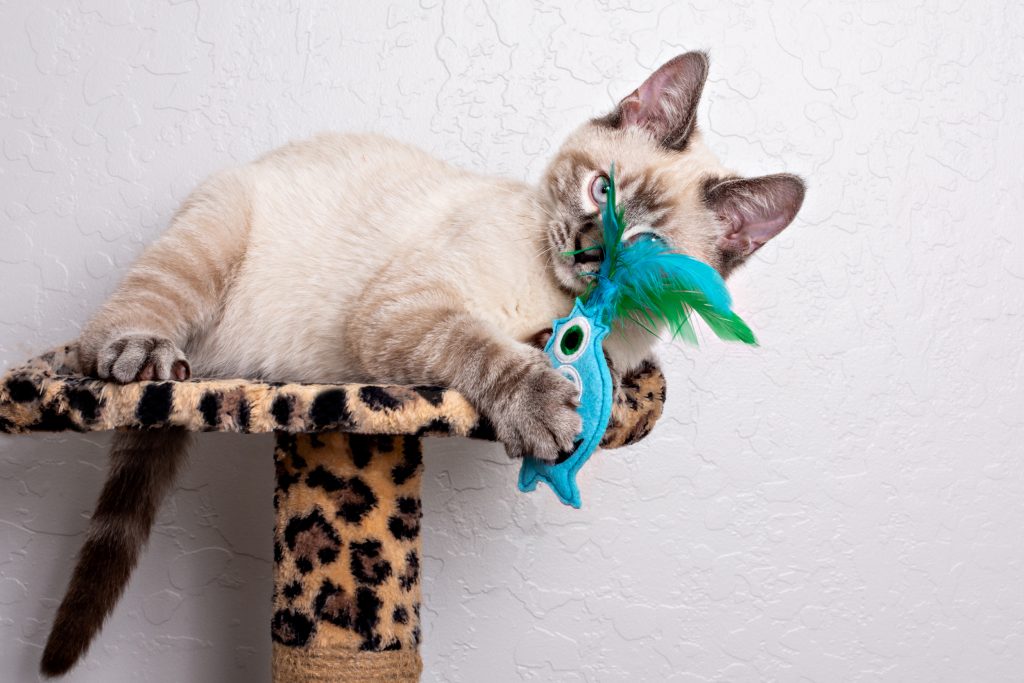
As we look deeper, the options for enriching toys and activities become vast and varied—for both dogs and cats. From interactive treat dispensers to climbing trees tailored for cats, the market is overflowing with choices. In addition, classes that focus on agility or obedience training can also serve as a rewarding outlet for pet owners looking to bond with their pets while enhancing their skills.
Ultimately, understanding the positive impacts of environmental enrichment extends beyond being merely a trend; it is a fundamental strategy for ensuring pet happiness and overall satisfaction. Creating an enriching lifestyle for pets is an investment in their well-being that every pet owner should consider.
LEARN MORE: Click here to find the perfect pet for your family
The Role of Toys in Pet Well-Being
When it comes to improving the well-being of dogs and cats, the choice of toys and activities plays a crucial role. Not only can the right toys provide countless hours of entertainment, but they also serve as essential tools for mental stimulation and physical exercise. Pet owners often underestimate the impact that interactive toys can have on their furry companions, leading to a cycle of boredom and anxiety in their absence.
Interactive toys such as treat-dispensing puzzles or balls that stimulate a pet’s natural instincts can lead to significant behavioral improvements. Dogs, for example, require physical activity and mental challenges to stay engaged. Toys designed to keep dogs guess bending over to find treats can stave off boredom and reduce destructive tendencies. A study from the University of California, Davis, found that dogs provided with enriching toys showed a marked reduction in behavioral issues, including anxiety-induced behaviors.
Cats, too, thrive on stimulation, with toys that mimic small prey encouraging their innate hunting instincts. Traditional toys like balls of yarn or feather wands are enjoyable, but interactive laser toys or battery-operated mice can create an environment where cats actively participate in play rather than passively observing. Experts suggest that providing a variety of toys will help satisfy the diverse interests of both dogs and cats.
- Puzzle Toys: These toys engage pets by requiring them to solve a problem to access a treat.
- Interactive Feeders: Designed to slow down pets during mealtime, these feeders can enhance foraging skills.
- Chase Toys: Such as balls or stuffed creatures that move can appeal to a pet’s predatory nature.
- Brain Games: Activities that involve learning new tricks or commands stimulate cognitive functions.
Moreover, incorporating a routine that includes varied activities is beneficial not just for mental stimulation but also for physical fitness. Regular exercise can prevent obesity, a common issue among pets in the United States. The Association for Pet Obesity Prevention estimates that over 50% of dogs and cats are considered overweight or obese. Engaging in daily activities—whether it’s a routine of fetch for dogs or interactive play for cats—can help mitigate weight-related health problems and contribute to a longer lifespan.
The implications of neglecting environmental enrichment extend beyond mere boredom. According to experts, pets that lack sufficient physical and mental engagement are at higher risk of developing behavioral issues, such as separation anxiety, aggression, or destructive behavior. It’s essential for owners to recognize that by investing time and resources into providing an enriching environment, they are fostering a happier and healthier lifestyle for their pets.
In summary, the right toys and stimulating activities are not just a luxury they offer but rather a necessity for the psychological and physical well-being of dogs and cats. As we delve deeper into this topic, it becomes increasingly clear that prioritizing environmental enrichment through thoughtful toy selection and engaging activities should be at the forefront of every pet owner’s mind.
| Category | Description |
|---|---|
| Cognitive Enrichment | Includes puzzles and interactive toys that challenge pets mentally. |
| Physical Activity | Activities such as fetch or agility courses improve fitness and fun. |
| Behavioral Health | Engaging toys prevent boredom and reduce anxiety or destructive tendencies. |
| Social Interaction | Group activities foster companionship and strengthen bonds with humans and other animals. |
The significance of environmental enrichment for pets cannot be overstated. Engaging dogs and cats in activities that stimulate not only their bodies but also their minds leads to improved well-being and happiness. Cognitive enrichment through interactive toys can challenge their problem-solving abilities, while physical activities contribute to their overall health. Playing with pets matters, as it not only provides necessary exercise but also promotes a strong, trusting relationship between owner and pet. Proper enrichment can reduce anxiety-related behaviors, making pets less prone to boredom or destructive habits. By understanding the multitude of benefits associated with environmental enrichment, pet owners can take actionable steps to enhance their furry companions’ lives, ensuring they thrive both physically and mentally.
DIVE DEEPER: Click here to discover effective training techniques
Physical Activities and Their Benefits
While toys undeniably play a vital role in enhancing the well-being of dogs and cats, physical activities are equally essential. Engaging in regular physical exercise is key to maintaining a pet’s overall health, positively affecting their mental state as well. The benefits of consistent activity cannot be overstated; pets that are physically engaged are less prone to obesity, anxiety disorders, and a myriad of chronic health issues.
In the United States, pet obesity has reached alarming levels, with an estimated 56% of dogs and 60% of cats classified as overweight or obese according to the Association for Pet Obesity Prevention. Consequently, increasing physical activity through structured play can drastically improve a pet’s quality of life. For instance, taking dogs for daily walks not only provides them with necessary exercise but also exposes them to new environments and scents, ultimately enriching their sensory experiences. This discovery aligns with the expert findings from the American Veterinary Medical Association, which states that regular exercise leads to improved behavior and lower stress levels in dogs.
Cats, on the other hand, can benefit greatly from activities that replicate their natural behaviors. Indoor cats, in particular, may struggle to get enough exercise, leading to lethargy and boredom. Incorporating play sessions that include laser pointers, feather toys, or even creating obstacle courses can entice cats to move around more, thereby fulfilling their need for physical activity. The use of vertical spaces—through cat trees or shelves—encourages climbing, leaping, and the display of natural stalking behaviors. A study published in the Journal of Feline Medicine and Surgery found that cats engaged in regular play were significantly less likely to develop behavioral issues, such as aggression and territory marking.
Another effective method to enhance a pet’s physical engagement is to incorporate games that include other pets or family members. This not only fosters companionship—strengthening the bond between pets and their owners—but also promotes socialization. It’s crucial to observe each pet’s personality when planning these activities. Some dogs thrive during group play, while others may prefer a more solitary approach. Likewise, multi-pet households should ensure that activities are tailored to each animal’s comfort zone and energy level.
Moreover, facilities like dog parks or pet-friendly hiking trails offer opportunities for dogs to socialize and engage with their environment. These spaces encourage play with other dogs, providing social stimulation that is often as beneficial as physical exercise. Recognizing the stress-relieving effects of play, many veterinarians recommend incorporating regular outings as part of a comprehensive health strategy for both dogs and cats.
In addition to promoting physical health, the emotional benefits of exercise cannot be overlooked. A tired pet is often a well-behaved pet. Pets that receive sufficient exercise are less likely to engage in destructive behaviors, such as chewing furniture or excessive barking, due to pent-up energy. Establishing a consistent routine that blends physical activity with toy-based play ensures both dogs and cats lead fulfilling lives.
In essence, combining engaging toys with appropriate physical activities is paramount for fostering well-rounded, healthy pets. By prioritizing both forms of environmental enrichment, pet owners can significantly enhance their companions’ well-being, creating an atmosphere of joy and health that translates to a satisfying life for our beloved furry friends.
DON’T MISS: Click here to discover why socialization is crucial for your pet’s happiness!
Conclusion
In conclusion, the significance of environmental enrichment in the lives of dogs and cats cannot be underestimated. Through a combination of stimulating toys and engaging physical activities, pet owners can pave the way for healthier, happier companions. The alarming statistics regarding pet obesity highlight the urgent need for regular exercise, which not only combats physical ailments but also enhances emotional well-being. Engaging our pets in activities that mimic their natural instincts and behaviors fosters a sense of fulfillment and reduces the likelihood of behavioral issues.
Moreover, the bond between pets and their owners strengthens significantly when playtime includes interactive activities—be it through toys, games, or socialization with other pets. The observed benefits from both a physiological and psychological standpoint reveal that an enriched environment aids in reducing anxiety, improving behavioral problems, and ensuring overall happiness.
As responsible pet owners, it is essential to prioritize these enriching experiences within our pets’ daily lives. Allocating time each day for play, exploration, and new physical challenges can dramatically change the quality of life for our furry friends. With continued education and awareness surrounding environmental enrichment, we can cultivate environments that not only meet the basic needs of our pets but also inspire joy and vitality. Ultimately, the question we must ask ourselves is not just how we can provide for our pets, but how we can enhance their world to reflect the love and care they embody in ours.