
How Aging Affects Pet Behavior: Signs of Dementia and How to Care for Older Animals
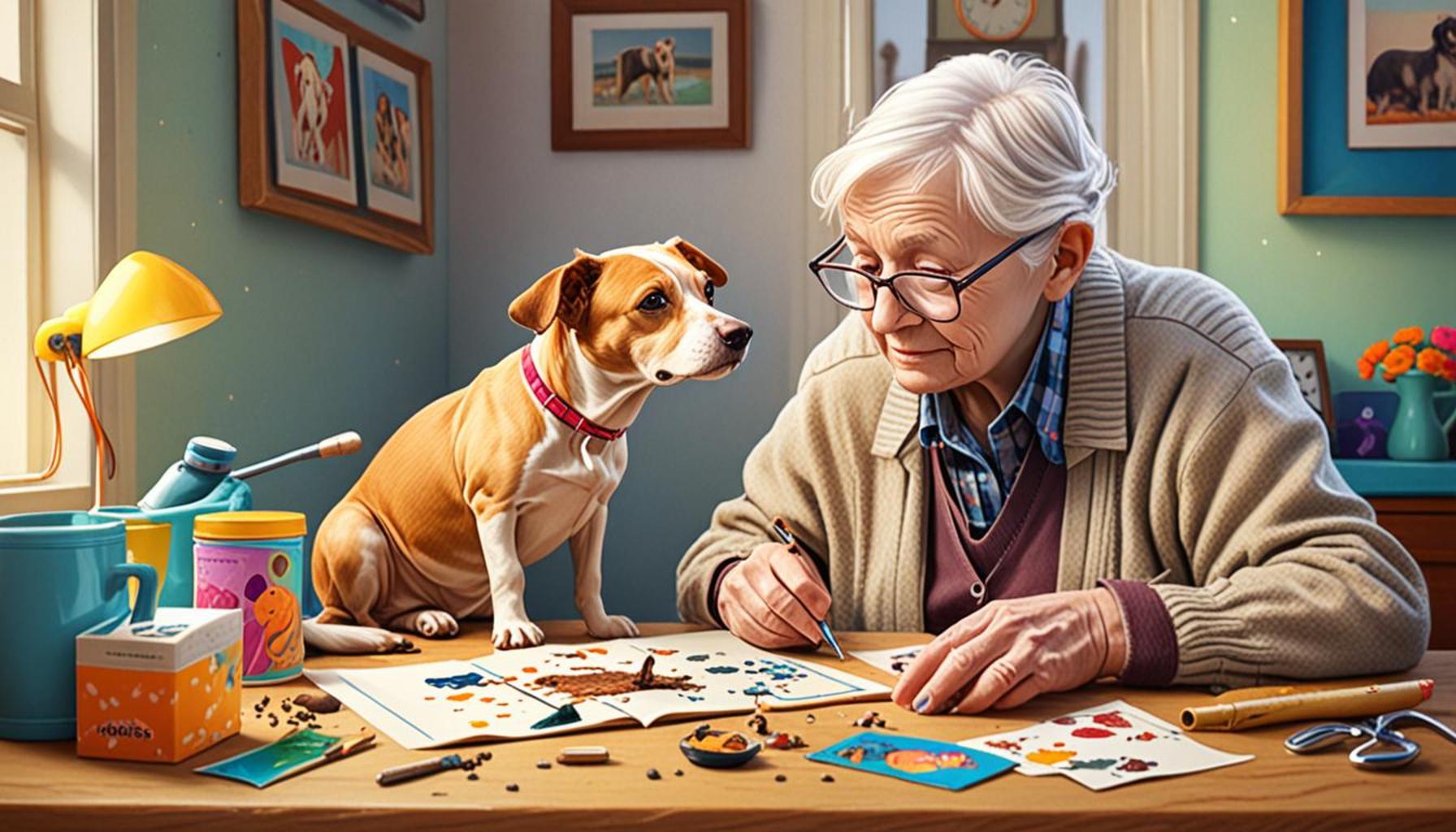
Aging is an inevitable journey for pets and their owners alike
The reality is that just as humans go through various stages of life, so do our furry companions. This progression can introduce a range of emotional and physical changes that pet owners must navigate to ensure a fulfilling life for their aging pets. Understanding the aging process is essential in minimizing the potential misunderstandings that can arise between pets and their owners, ultimately leading to a deeper bond during the golden years of companionship.
Signs of Dementia in Pets
Cognitive dysfunction syndrome (CDS), akin to dementia in humans, affects many senior pets. Recognizing these changes early can make a significant difference in managing their care. Here are several signs you should look out for:
- Disorientation: Pets may exhibit confusion in familiar environments. For example, a dog might wander aimlessly in the yard or fail to recognize their usual resting spots.
- Changes in sleep patterns: Older pets may sleep excessively during the day, leading to restlessness and pacing at night. This restlessness can hinder both their and their owner’s sleep quality.
- Behavioral changes: You may notice increased anxiety or irritability in previously calm pets, or a marked disinterest in activities they once loved, like playing fetch or going for walks.
Caring for Older Animals
Understanding how best to care for aging pets requires a comprehensive approach that addresses both their physical health and emotional well-being. Here are several strategies to consider:
- Regular vet check-ups: Scheduling biannual vet visits is crucial for early detection of age-related health issues such as arthritis, dental problems, or heart disease. A veterinarian can also recommend preventive measures tailored to your pet’s changing needs.
- Diet adjustments: Older pets often require specialized diets that provide adequate nutrients while being easier on their digestive systems. Consider consulting your vet about senior pet food formulations packed with omega fatty acids for coat health and joint support.
- Flexible routine: While it’s essential to maintain some level of routine to help your pet feel secure, being adaptable in response to their ebb and flow of energy can prevent stress. This might mean adjusting walk timings or play sessions based on their daily needs.
Understanding these aspects of pet aging not only helps in providing better care but also fosters a loving relationship built on empathy and companionship. The journey of aging in pets can be challenging, yet it often enriches the bond we share, allowing us to create lasting memories and offer our beloved companions the dignity and love they deserve in their twilight years. Knowing what to expect as pets age empowers owners, paving the way for a peaceful coexistence as they navigate this crucial life stage together.
DISCOVER: Click here to learn about the emotional rewards of pet adoption
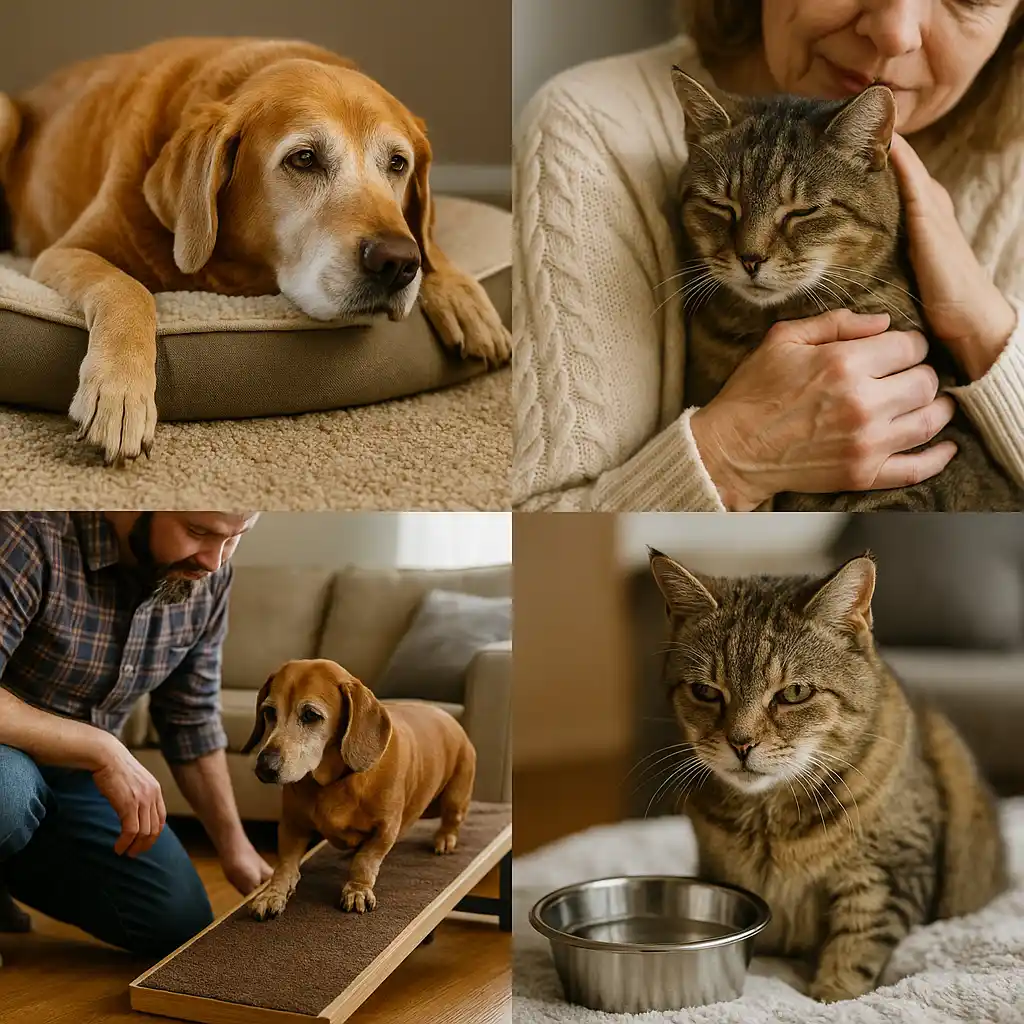
The Impact of Aging on Pet Behavior
Aging can bring a variety of behavioral changes in pets, many of which may be alarming for pet owners who notice a shift in their furry friend’s demeanor. As pets grow older, their bodies and minds undergo transformations that can affect daily activities and interactions with owners. A particular area of concern is cognitive dysfunction syndrome (CDS), a condition that mirrors dementia in humans. Understanding how aging affects pet behavior is crucial for fostering better connections and ensuring that pets enjoy their later years.
Common Behavioral Changes in Senior Pets
As pets age, there are several behavioral signs that may indicate they are grappling with the effects of aging, including but not limited to:
- Increased Vocalization: Older animals may vocalize more frequently, expressing discomfort, confusion, or a need for attention. This can be misinterpreted as misbehavior if the underlying cause is not understood.
- House Training Issues: Many older pets can experience accidents as a result of diminished bladder control or a decrease in their ability to recognize when they need to go outside. Changes in common routines can be particularly challenging for aging pets.
- Alternative Sleeping Patterns: Senior pets may experience interrupted sleep or increased restless behavior during the night, leading to behavioral patterns that may disrupt their owner’s quality of life.
- Social Withdrawal: Some pets might become less interested in social interactions or playtime, opting to spend more time alone. This behavior might stem from discomfort or cognitive decline.
Being observant of these signs can help owners determine whether their pet is experiencing typical aging changes or if they may be exhibiting signs of more serious conditions like dementia. Early intervention is key in improving the lives of older pets, allowing them to maintain a higher quality of life.
Understanding Cognition and Aging
Pets, like their human counterparts, rely heavily on cognitive functions. Aging does not just affect physical health; it significantly impacts memory, learning abilities, and the processing of sensory information. Research indicates that as pets age, they may produce less neuromodulators and encounter changes in brain chemistry, which can affect their behavior. This makes it important for owners to remain vigilant and proactive about their pets’ cognitive health. Engaging in positive mental stimulation activities such as puzzle toys and command training can help slow cognitive decline and reinforce connections.
Ultimately, recognizing the signs of aging and its impact on behavior enables owners to take appropriate steps toward enhancing their pet’s well-being. By fostering a tailored routine and showing increased patience and affection, pet owners can play an invaluable role in guiding their beloved companions through this challenging stage of life, ensuring that their later years are filled with comfort, respect, and love.
| Category | Details |
|---|---|
| Signs of Dementia | Common signs include disorientation, increased anxiety, and altered sleep patterns. |
| Care Strategies | Establishing routines and using familiar scents can significantly help in reassuring your pet. |
As pets age, their behaviors often shift, sometimes mimicking symptoms of cognitive dysfunction similar to dementia in humans. Noticing changes such as confusion, altered sleeping patterns, and anxiety can be crucial in addressing their care needs. Pets may appear lost or inattentive during familiar activities, signaling potential cognitive decline. To help manage these issues, creating a stable environment with consistent routines is essential. Familiar treats, scented toys, and gentle interactions can provide comfort to an aging pet. Engaging them in gentle exercise not only helps with physical health, but it is beneficial for mental stimulation as well. Finding the right balance between care and stimulation requires patience and often involves consulting with a veterinarian for tailored advice on how best to support your beloved companion in their golden years. Maintaining a close observation of your aging pet’s behavior can lead to early interventions, supporting not just their mental health but enriching their overall quality of life.
LEARN MORE: Click here for effective solutions
Identifying Signs of Dementia in Pets
As senior pets navigate the golden years of their lives, dementia or cognitive dysfunction syndrome (CDS) becomes a pressing concern for pet owners. The early identification of dementia is paramount, as it allows for timely intervention and care that can enhance the quality of life for older animals. Some notable signs of dementia in pets include:
- Disorientation: Pets may appear lost in familiar environments, wandering aimlessly or getting stuck in corners. This loss of spatial awareness can be distressing both for the pet and the owner.
- Altered Interactions: Senior pets with dementia may not recognize familiar faces, leading to altered behaviors around family members. Changes in routine interactions—like not greeting owners or avoiding contact—can indicate cognitive issues.
- Change in Eating and Drinking Habits: Dementia may lead to a decrease in appetite or increased thirst, complicating veterinary care and creating concerns over nutritional intake. Owners should monitor their pets closely for deviations in these habits.
- Pawing or Licking Behaviors: Compulsive actions such as excessive pawing or licking may signal a response to anxiety levels rising from confusion or discomfort.
Awareness of these signs is critical for owners who want to provide their pets with the necessary support and care associated with cognitive changes. According to a study published in the Journal of Veterinary Behavior, approximately 28% to 68% of dogs over the age of 11 experience some degree of cognitive dysfunction, reflecting how common this problem can be yet often goes unrecognized.
Caring for Pets with Dementia
Caring for a pet diagnosed with dementia requires a multifaceted approach. Understand that while some behavioral changes are anticipated, compassion and care can help in adjusting your pet’s life positively. Here are some effective strategies to manage senior pets displaying signs of dementia:
- Routine and Familiarization: Establishing a consistent daily routine can provide a sense of stability for pets with cognitive decline. Regular feeding, walking, and playtime schedules help alleviate confusion.
- Environmental Modifications: Simplify the living space to minimize confusion. Informing family members about the need to keep pathways clear and avoiding excessive distractions can help aging pets feel more secure.
- Mental Stimulation: Engage pets in simple yet stimulating activities, like interactive toys or puzzle feeders that encourage cognitive activity. Stimulating games can help maintain or slow cognitive decline and foster bonding.
- Veterinary Collaboration: Regular veterinary check-ups are essential. Many veterinary professionals may suggest supplements or medications—such as dietary changes with omega-3 fatty acids or antioxidant-rich diets—that can potentially improve cognitive functions.
- Patience and Affection: The mindset of the owner is crucial. Approach interactions with a gentle manner and a calm voice. Providing comfort through physical touch and companionship can help ease anxiety in pets struggling with dementia.
The aging process in pets poses unique challenges but understanding the signs of dementia and how to respond appropriately equips owners with the tools to improve their companion’s well-being. Continued education, awareness, and compassion remain the cornerstones of caring for our furry companions as they transition through this critical phase of life.
DISCOVER MORE: Click here to learn about balanced nutrition for your pet’s health
Conclusion
Confronting the aging process in our beloved pets can be a heart-wrenching journey for many owners, particularly as behavioral changes emerge alongside the onset of dementia. Recognizing the signs of cognitive dysfunction syndrome in pets is paramount, as it lays the groundwork for enhancing their quality of life during their elder years. Throughout this article, we highlighted critical behaviors signaling dementia—such as disorientation and altered interactions—and shared invaluable caregiving strategies, like establishing routines and fostering mental stimulation.
It is essential to approach this phase with both understanding and proactive involvement. Collaboration with veterinarians can pave the way for treatment options including tailored diets and medications that cater to cognitive health. Moreover, the emotional support and reassurance provided by owners cannot be underestimated. A calm environment coupled with affection can significantly soothe the anxieties faced by aging pets, facilitating a more comfortable existence despite their declining cognitive abilities.
As our pets age, they rely on us more than ever for guidance and care. By staying informed and amplifying our awareness of signs of dementia, we can ensure that our furry companions enjoy their final years with dignity and happiness. Let compassion and patience guide our interactions as we work collectively to improve the lives of our older animals, fostering a bond that resonates with love and understanding.