
The influence of nutrition on pet behavior: how diet affects energy and temperament
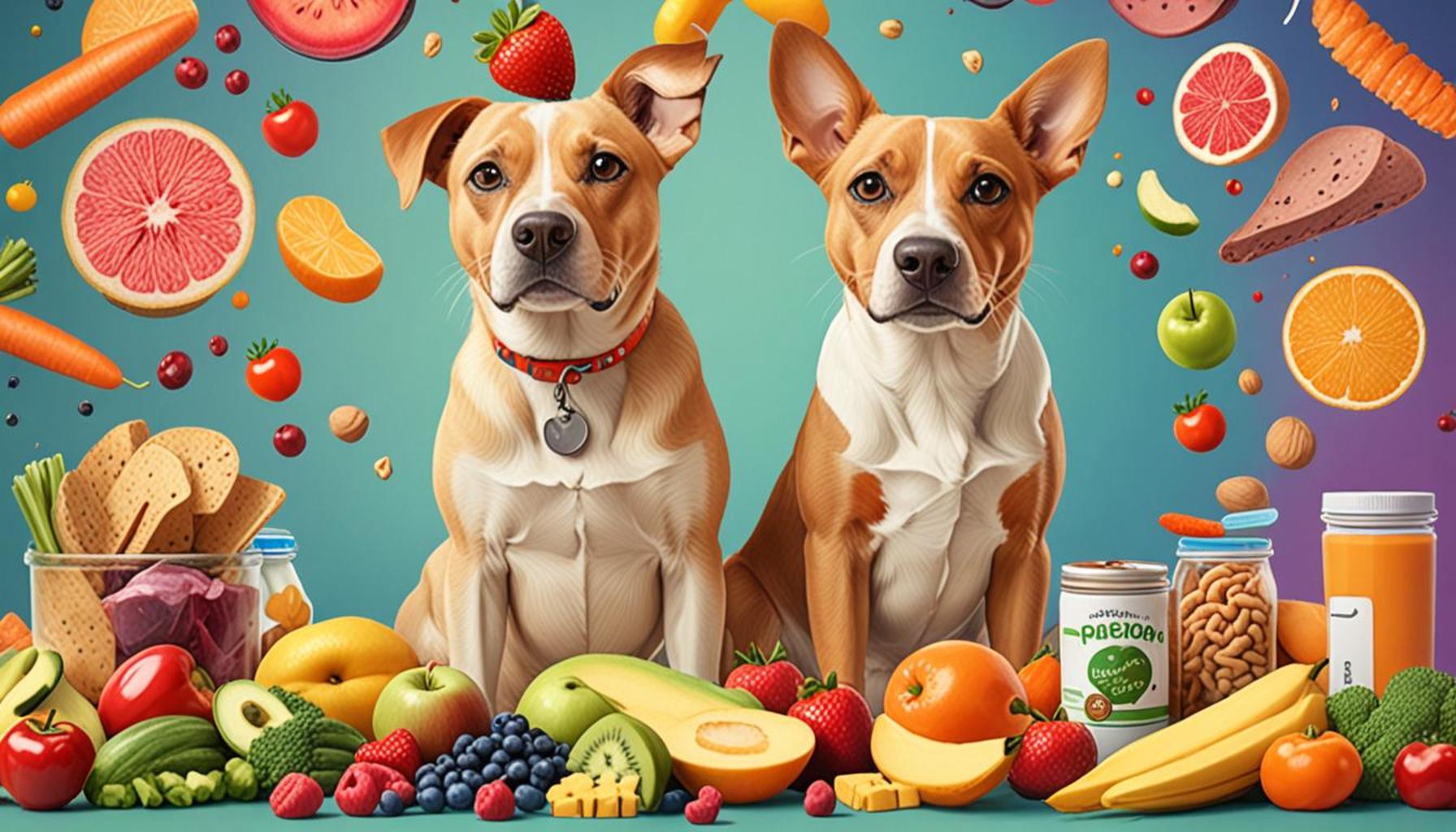
The Impact of Nutrition on Pet Behavior: A Closer Look
Many pet owners frequently observe shifts in their furry friends’ behavior, yet they may not fully appreciate the profound influence of nutrition on these behaviors. Just as a well-balanced diet is essential for human health and mood, the same principle applies to our pets. The nutrients they consume can have a direct effect on their energy levels, behavioral tendencies, and overall demeanor.
Understanding the connection between food and behavior can help pet owners make better dietary choices for their companions. For instance, a high-quality diet rich in protein is crucial for pets that require energy for an active lifestyle. Foods containing quality protein sources, such as chicken, beef, or fish, can foster energy and vitality in pets, making them more playful and engaged. Conversely, a diet lacking sufficient protein might result in a lethargic pet that is less inclined to play or interact.
Another crucial factor is the quality of carbohydrates in pet diets. Not all carbs are created equal; complex carbohydrates, found in whole grains and vegetables, provide sustained energy without the jarring spikes and crashes associated with simple sugars. For example, a dog fed a diet rich in oats or brown rice may experience stable energy levels, while one consuming food high in fillers or sugars might exhibit hyperactivity followed by a sudden crash. This fluctuation can lead to noticeable behavioral challenges.
Furthermore, the inclusion of fatty acids like omega-3s can greatly benefit your pet’s mood and cognitive function. Studies have shown that omega-3 fatty acids can reduce aggression and enhance learning abilities in dogs and cats. Foods enriched with fish oil or flaxseed can contribute to a pet’s emotional well-being and behavioral stability.
Vitamins and minerals are also indispensable parts of a pet’s diet. Deficiencies in essential nutrients, such as B vitamins or magnesium, can lead to problems such as anxiety or irritability. Ensuring that your pet’s diet includes a variety of fruits and vegetables can help meet their vitamin needs, potentially resulting in a more balanced and calm demeanor.
As pet owners become increasingly aware of the intricate links between nutrition and behavioral changes, they can make informed dietary choices that enhance their pets’ quality of life. It’s worth asking: Are you unknowingly contributing to your pet’s hyperactivity or anxiety through their diet? By exploring what’s in your pet’s bowl, you may uncover valuable insights into their temperament and overall health.
This article aims to explore how these integral components of pet food influence animal behavior. We invite you to join us on this journey to discover the significant impact of nutrition on our beloved companions, revealing the surprising ways in which a simple change in diet can foster a happier, healthier pet.
DIVE DEEPER: Click here to learn about balanced nutrition for your pet’s health
A Nutritional Blueprint for Behavior: Energy and Activity
When we think about the influence of nutrition on pet behavior, it’s essential to recognize how each component of their diet plays a role in their day-to-day activities and interactions. Pets, like humans, can exhibit changes in energy levels and temperament based on the nutrients provided to them. Understanding this connection not only informs a pet owner’s choices but also promotes a healthier, more engaged companion.
Protein: The Building Block of Energy
At the core of any balanced pet diet are proteins. They are vital for building and maintaining muscle mass and play a major role in overall energy levels. Dogs and cats are biologically wired to require protein, which is essential for enzyme production and immune function. A study published in the Journal of Animal Science suggests that the quality of protein consumed can directly influence a pet’s vitality and clarity of mind. High-quality proteins such as chicken, turkey, lamb, and fish lead to increased energy levels and playfulness, fostering a more active and enthusiastic disposition.
Complex Carbohydrates: Sustaining Energy and Avoiding Crash
When considering the role of carbohydrates in pet diets, a distinction between complex and simple carbohydrates is paramount. Complex carbohydrates, which are found in whole grains like brown rice and barley, serve as a sustained energy source. In contrast, foods high in simple carbohydrates or fillers can lead to erratic energy levels. A diet rich in complex carbohydrates can prevent hyperactivity and subsequent crashes, allowing for a more stable and relaxed behavior. Pets that thrive on such a diet often display improved concentration, making them easier to train and engage with.
Here are some examples of beneficial complex carbohydrates:
- Brown rice
- Oats
- Quinoa
- Sweet potatoes
The Role of Fats in Emotional Well-being
Another essential component of nutrition that influences pet behavior is the inclusion of healthy fats, particularly omega-3 fatty acids. These fats are known for their anti-inflammatory properties, which can help improve not only physical health but also emotional health. Research has shown a link between omega-3 fatty acids and reduced aggression in pets, contributing to a more balanced temperament. Incorporating sources such as fish oil or flaxseed into your pet’s diet may enhance mood and overall behavior.
Essential Vitamins and Minerals: The Hidden Players
Finally, vitamins and minerals cannot be overlooked when discussing nutrition’s influence on pet behavior. Nutritional deficiencies, especially in B vitamins and magnesium, have been associated with anxiety, irritability, and behavioral issues. A comprehensive diet rich in a variety of fruits and vegetables not only ensures that pets receive these necessary vitamins but also contributes to their emotional balance. Whole, fresh foods can play a significant role in lowering stress levels and promoting a calm demeanor.
Recognizing these elements of nutrition can arm pet owners with the knowledge needed to make informed dietary decisions that positively impact their pets’ behavior. From choosing high-quality proteins to selecting wholesome carbohydrates, every choice counts in shaping the energy and temperament of our furry companions.
The Influence of Nutrition on Pet Behavior
Pets, just like humans, are significantly influenced by their dietary habits. It’s astonishing how the right nutrition can alter not just physical health, but also behavioral patterns in our furry companions. Understanding the connection between what pets consume and their energy levels and temperament offers pet owners a unique opportunity to foster a happier, more balanced lifestyle for their beloved animals.One of the primary factors involved in this dynamic relationship is the type of food provided. High-quality diets that are rich in proteins, healthy fats, and essential vitamins and minerals have been shown to enhance energy levels, leading to more playful behavior and a positive outlook. For instance, diets containing omega-3 fatty acids are linked to improved mood and cognitive function. Pets that consume such wholesome diets tend to exhibit less anxiety and aggression, which are often amplified by poor nutrition.Conversely, a diet high in fillers and low in nutrients, like many commercial pet foods, can lead to lethargy and irritability. These behaviors could stem from inadequate energy levels or even discomfort from digestive issues. This can create a vicious cycle, where the animal becomes less active, leading to weight gain and further health complications, ultimately affecting their temperament and interaction with humans and other animals.
Diet Adjustments and Their Immediate Impact
A notable observation among numerous pet owners is that transitioning to a more balanced diet can yield remarkable changes almost immediately. Many have reported increases in their pets’ energy levels within just a week of changing to a nutritious diet. Not only do these adjustments positively influence behavior, but they also improve overall health—enhancing coat quality, digestion, and even the pet’s lifespan.Moreover, the timing and frequency of feeding also play critical roles. These factors determine how a pet’s metabolism is regulated and can influence their mood and energy. For example, feeding a pet smaller, more frequent meals throughout the day can help maintain stable blood sugar levels, which often leads to calmer and more content pets.Understanding the intricacies of how food affects our pets not only encourages better eating habits but also guides owners toward making informed decisions about their pets’ nutrition. In a world filled with countless pet food options, knowledge is paramount for ensuring that our beloved companions thrive both mentally and physically. To delve deeper into this fascinating subject, consider exploring specific dietary adjustments that align with your pet’s unique needs. The journey toward a healthier, happier pet begins with the choices you make in their diet.
LEARN MORE: Click here for effective training tips
The Mind-Body Connection: How Nutrition Shapes Pet Behavior
As we delve deeper into the influence of nutrition on pet behavior, we must consider how certain nutrients can affect not just physical health, but cognitive function and emotional well-being as well. The foods we choose to nourish our pets can create a profound impact, potentially changing the way they interact with their environment and with us.
Fiber: The Unsung Hero of Digestive Harmony
While often overlooked in discussions of pet nutrition, fiber plays an essential role in both physical health and behavior. A diet that includes adequate amounts of fiber aids in digestive health, which, in turn, affects overall energy levels. Healthy gut microbiota has been linked to reduced behavioral issues in pets, as a properly functioning digestive system can lead to improved nutrient absorption and lower inflammation. Sources such as pumpkin, carrots, and green beans are excellent fiber options that not only promote healthy digestion but also keep pets feeling satisfied and less prone to unwanted behaviors stemming from hunger or discomfort.
Hydration: The Key to Balanced Temperament
Equally important to solid nutrition is hydration. Pets that do not consume enough water can experience lethargy, irritability, and even aggression. Inadequate hydration can impair cognitive function and lead to mood fluctuations. It is imperative for pet owners to ensure that their companions have constant access to fresh water. Adding moisture to their diet through wet food options or incorporating broths and water-rich fruits can encourage better hydration, supporting a calm and well-adjusted demeanor.
Food Sensitivities: A Hidden Influence on Behavior
Another aspect to consider is food sensitivities and allergies. Pets can, in fact, experience behavioral changes due to adverse reactions to certain ingredients, much like humans. Symptoms may manifest as anxiety, hyperactivity, or aggression. Common allergens include grains, dairy, and certain proteins. An elimination diet, conducted under the guidance of a veterinarian, can help pinpoint specific sensitivities and allow for a tailored diet that minimizes discomfort, thus promoting a more balanced temperament. Becoming aware of what ingredients may trigger adverse reactions can lead to a significant improvement in a pet’s behavior.
Tailoring Diets to Individual Needs
Understanding that each pet is unique also plays a vital role in addressing the influence of nutrition on their behavior. Factors such as breed, age, and activity level must be taken into account when designing a diet. For instance, high-energy breeds may benefit from a higher caloric intake filled with proteins and fats to match their activity levels, while seniors may require a diet low in calories but rich in antioxidants to support joint health and reduce stress. Consulting with a veterinarian to establish a customized nutritional plan not only caters to the pet’s specific needs but also enhances their behavioral outcomes.
As the understanding of nutrition’s role in pet behavior expands, it becomes increasingly clear that careful consideration of dietary choices can lead to happier, healthier pets. From incorporating fiber-rich foods to being mindful of hydration and food sensitivities, the nutritional strategies we choose can profoundly shape the temperament and energy levels of our beloved companions.
DISCOVER MORE: Click here for essential tips
Conclusion: The Critical Role of Nutrition in Pet Behavior
In light of the above revelations, it is evident that nutrition plays a pivotal role in determining not just the physical health of our pets but also profoundly influences their behavior and emotional state. As pet owners, understanding how diet impacts energy levels and temperament is crucial to cultivating a harmonious relationship with our furry companions. Nutritional components such as fiber, proper hydration, and attention to food sensitivities form the foundation for optimal mental and physical well-being.
A nutrient-rich diet can transform how pets interact with their surroundings and shape their emotional responses. For example, as we have seen, incorporating fiber into their meals can lead to a calm disposition by promoting digestive health, while ensuring adequate hydration can help curb irritability and lethargy. Furthermore, recognizing and addressing food sensitivities opens up avenues for improved behavior, following the principle that a content and well-nourished pet is often a better-behaved one.
Ultimately, the journey towards understanding your pet’s nutritional needs should be tailored to their individual circumstances—considering breed, age, and activity level is paramount. Consulting with a veterinary expert can help create a personalized diet plan, enhancing both physical vitality and emotional stability.
By embracing the integral connection between nutrition and pet behavior, we can take proactive steps towards fostering happier, healthier pets. None of this is merely a passing trend; it is a fundamental aspect of pet ownership that deserves thoughtful attention. As we continue to deepen our knowledge, we not only enhance the lives of our pets but also enrich our own experiences as dedicated pet guardians.